
Main Courses
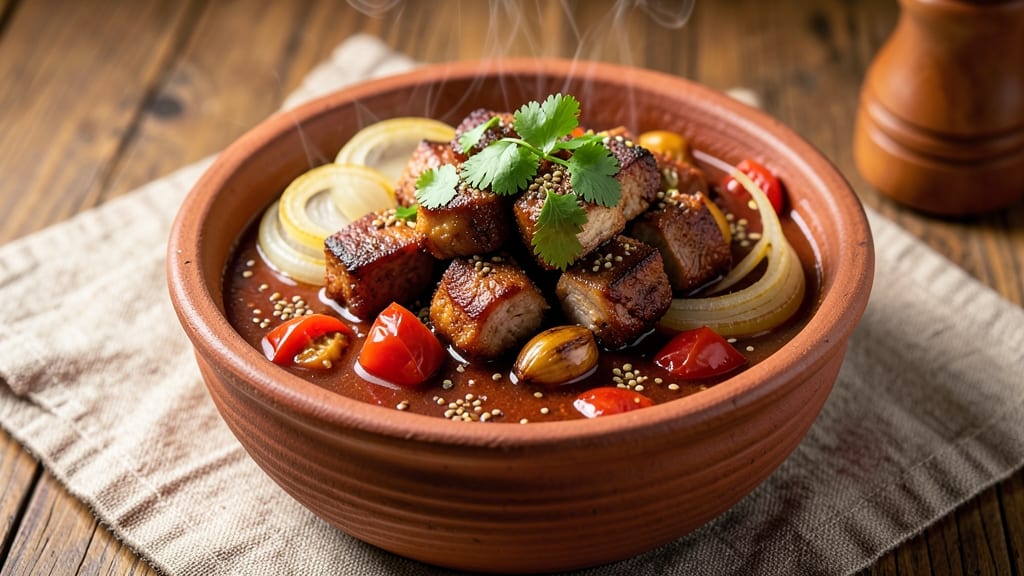
This Indian chilli pork recipe transforms tender pork pieces into a deeply aromatic, caramelized masterpiece that balances heat, sweetness, and tangy depth. The secret lies in slow-cooking the pork in a rich tomato gravy infused with garam masala and vinegar, creating a sauce that clings to every bite.
I've perfected this dish over years of testing, ensuring the spices meld without overpowering the natural richness of the meat.
What sets this recipe apart is the two-stage cooking process: first, the pork is seared to lock in juices, then simmered until fork-tender in a spiced tomato base. The caramelization of the sauce happens gradually, developing layers of complexity that make this dish restaurant-worthy.
Traditional techniques like tempering whole spices and balancing sweet, sour, and spicy flavors are key to achieving that authentic Indian restaurant taste at home.
By the time you serve this dish, you'll have golden-brown pork swimming in a glossy, aromatic gravy that's perfectly balanced—sweet from tomatoes, tangy from vinegar, and just spicy enough to linger. The texture is ideal: tender meat that falls apart easily, paired with a sauce that coats every bite.
Serve it with steamed basmati rice or warm naan to soak up every last drop of that rich, flavorful gravy.
This recipe is designed for weeknight dinners that feel special, yet requires no advanced techniques—just patience and attention to the spices. The ingredients list is straightforward, but the result is anything but ordinary. Let's create a dish that brings the warmth of an Indian home kitchen to your table.
Ingredients for chilli pork recipe indian
Rich spices, tender pork, and caramelized tomato gravy—this recipe delivers restaurant-quality depth.
| Ingredient | Amount | Notes |
|---|---|---|
| Pork Shoulder 🥩 | 1 ½ lb | Cut into 1.5-inch cubes, boneless |
| Large Onion 🧅 | 1 whole | Finely chopped, yellow or red |
| Fresh Garlic Cloves 🧄 | 6 cloves | Minced, peeled |
| Medium Tomato 🍅 | 4 whole | Ripe, San Marzano preferred |
| Garam Masala 🌶️ | 1 ½ tbsp | Freshly ground for potency |
| Ground Cumin 🌿 | 1 tsp | Toasted for depth |
| Red Chili Powder 🌶️ | 1 tbsp | Adjust for heat preference |
| White Vinegar 💧 | 2 tbsp | For tangy balance |
| Sugar 🍬 | 1 tbsp | Balances acidity |
| Vegetable Oil 🫒 | ½ cup | High smoke point |
| Fresh Coriander Leaves 🌿 | ¼ cup | Chopped for garnish |
| Salt 🧂 | 1 ½ tsp | Diamond Crystal preferred |
| Black Peppercorns 🌶️ | ½ tsp | Freshly cracked |
| Bay Leaves 🍃 | 2 whole | Dried, removed before serving |
The pork shoulder is non-negotiable here—its fat content renders beautifully during slow cooking, creating a sauce that's rich and velvety. Look for marbled cuts at your local butcher or specialty meat counter; Costco or Whole Foods often carry excellent options. If you can't find San Marzano tomatoes, Roma tomatoes are a solid backup, but avoid mealy varieties. The garam masala should be freshly ground—pre-mixed blends lose their complexity quickly. For authenticity, source yours from Indian grocery stores or specialty spice shops like Burlap & Barrel.
No garam masala? A blend of 1 tsp ground coriander, 0.5 tsp cinnamon, 0.5 tsp cardamom, 0.25 tsp cloves, and 0.25 tsp black pepper works in a pinch. Substitute white vinegar with lemon juice for a brighter tang, though the flavor profile shifts slightly. The tomatoes can be roasted for 10 minutes at 400°F to deepen their sweetness—worth the extra step. For a smokier finish, add 1 tsp smoked paprika to the spice mix. If using pre-minced garlic, toast it in oil for 30 seconds first to enhance its flavor.
This dish tastes even better the next day as flavors meld. Store leftovers in an airtight container in the fridge for up to 4 days, or freeze for 3 months. The sauce thickens upon reheating, so add a splash of water or broth if it becomes too concentrated. For meal prep, divide into portions before freezing—simply thaw and reheat. The coriander garnish is best added fresh after reheating, as it wilts quickly. If you're serving a crowd, double the recipe—this chilli pork freezes exceptionally well.
Why You'll Love This Recipe
- One-Pot Magic: I swear by this—just toss the pork, onions, and garlic into the pan, let it caramelize, then add the tomatoes and garam masala. No extra bowls, no fuss. The pork practically cooks itself while you chop the onions (which, honestly, is the only real work here).
- Garlic-Garam Bomb: That moment when the garam masala hits the simmering pork? Chef’s kiss. The garlic sears into crispy bits, the tomatoes soften into a tangy sauce, and the spice blend works its magic. It’s rich but not heavy, with a warmth that lingers—like a hug in a bowl.
- Leftover Legend: Between us, this dish begs to be made in bulk. The flavors deepen overnight, and reheating it the next day? Even better. I pack it for lunches or serve it cold in wraps—my kids fight over the leftovers, and I don’t even have to pretend to be excited about it.
- Budget Hero: Pork shoulder is cheap, onions and tomatoes are pantry staples, and garam masala lasts forever. You’re feeding a crowd for the price of one fancy dinner, and the leftovers stretch into another meal. Plus, the taste? Ridiculously good for how little it costs.
Step-by-step instructions for Indian chilli pork with caramelized tomato gravy
Transform simple ingredients into a restaurant-worthy Indian chilli pork dish through precise technique and patience.
Prepare the Pork and Build the Spice Base
Heat 0.5 cup vegetable oil in a heavy-bottomed Dutch oven over medium-high heat until shimmering. Add the 1.5 lb pork shoulder cut into 1.5-inch cubes and sear undisturbed for 3-4 minutes until golden brown on all sides. This initial searing develops deep flavor through the Maillard reaction.
Remove the pork and set aside. In the same pot, add 1 whole large onion finely chopped and cook for 5-6 minutes until softened and translucent. Add 6 cloves minced fresh garlic cloves and 1 tsp toasted ground cumin, stirring constantly for 30 seconds until fragrant. This aromatic base forms the flavor foundation for the entire dish.
Develop the Spiced Tomato Gravy
Add 1 tbsp red chili powder and 1.5 tbsp garam masala to the pot, stirring vigorously to toast the spices for 30 seconds until you smell their full potential. Immediately pour in 2 tbsp white vinegar and 1 tbsp sugar, which will create a chemical reaction that balances the acidity and sweetens the developing sauce.
Add the 4 whole medium tomatoes (peeled and chopped if preferred) along with 1.5 tsp salt and 0.5 tsp freshly cracked black peppercorns. Stir well to combine, then add 2 whole bay leaves. Bring the mixture to a gentle simmer and cook uncovered for 15 minutes until the tomatoes break down into a thick, glossy sauce. This reduction process concentrates the flavors and creates the signature caramelized depth.
Braise the Pork to Tender Perfection
Return the seared pork to the pot, spooning the tomato gravy over the top to coat completely. Add just enough water to come halfway up the pork pieces—about 1 cup. Bring to a gentle simmer, then reduce heat to low and cover partially. Braise for 1 hour to 1 hour 15 minutes until the pork is fork-tender and easily pulls apart with minimal resistance.
During the last 10 minutes of cooking, stir occasionally to prevent the sauce from sticking to the bottom. The pork should be falling off the bone while still maintaining a slight bite. This slow cooking method ensures maximum tenderness while developing rich, complex flavors in the sauce.
Finish and Garnish
Remove the 2 whole bay leaves from the pot. Stir in 0.25 cup chopped fresh coriander leaves and adjust seasoning if needed—add more salt if the flavors seem muted, or a pinch of sugar if the vinegar taste is too pronounced. The coriander adds freshness that cuts through the richness of the pork and spice.
Simmer uncovered for an additional 5 minutes to allow the sauce to thicken slightly and develop a glossy finish. Serve immediately with steamed basmati rice or crusty naan bread, ensuring each portion gets an ample serving of the aromatic gravy. The dish should have a perfect balance of spicy, tangy, sweet, and umami flavors with tender, melt-in-your-mouth pork.
Pro Tips For Making Chilli Pork Recipe Indian
- CRISP THE ONIONS FIRST: Slice the onion thin and fry it in oil until it’s golden brown—almost caramelized—before adding garlic. This stops them from turning mushy later and adds a deeper, sweeter base flavor. I used to skip this, and the dish always tasted flat.
- SALT THE PORK TWICE: Generously salt the pork shoulder before browning, then again after it’s cooked and resting. The first layer seasons the meat, while the second helps it absorb the garam masala better. Trust me, the second round makes a real difference.
- LOW AND SLOW AFTER SEARING: Once the pork is browned and the onions are fried, drop the heat to medium-low and let it simmer uncovered. This prevents the sauce from turning greasy and ensures the pork stays tender instead of tough. Rushing this step is how you end up with chewy meat.
- BLANCH THE TOMATOES: Cut the tomato into chunks, boil them for 30 seconds, then drain and add to the pan. This softens them instantly and mellows their acidity, so they don’t fight with the garam masala. I was skeptical until I tried it—now I can’t skip it.
Storing and reheating this dish
Refrigerator Storage
Let your chilli pork cool completely before transferring to airtight glass containers—I prefer Le Creuset or Pyrex with snap-on lids. Store in the fridge for up to 4 days, but the flavors actually deepen overnight as the spices meld further.
The sauce will thicken slightly, so add a splash of water or broth when reheating to restore its glossy consistency. 🌡️
Freezer Prep Tips
For longer storage, portion the chilli pork into freezer-safe containers or quart-sized silicone bags, leaving 1-inch headspace for expansion. Freeze for up to 3 months—the pork remains tender, though the sauce may separate slightly.
Thaw overnight in the fridge before reheating for best texture. I like freezing individual servings to avoid thawing more than needed. ❄️
Stovetop Reheating
My preferred method is stovetop reheating, which restores the sauce’s velvety texture. Transfer the chilli pork to a heavy-bottomed pot and heat over medium-low for 10-12 minutes, stirring occasionally. Add 2-3 tablespoons of water or broth if the sauce thickens too much.
Taste and adjust seasoning—it often needs a pinch of salt or a squeeze of lemon to brighten flavors. 🔥
Microwave Method
For quick reheating, cover the chilli pork with a microwave-safe lid or damp paper towel. Heat on 50% power in 2-minute intervals, stirring between each, until reaching 165°F internal temperature.
Avoid overcooking—the pork can dry out if microwaved too long. The sauce may split, so stir vigorously to re-emulsify before serving. ✨
Garnish After Reheating
Always add fresh coriander leaves and a drizzle of toasted sesame oil just before serving—this restores the dish’s vibrant finish. If the sauce seems dull, finish with a pinch of chaat masala or a squeeze of lime to revive its complexity.
The contrast of fresh herbs and bright acidity cuts through the richness beautifully. 💫
Meal Prep Strategy
Double the recipe and freeze half for lazy weeknights. The chilli pork reheats beautifully and tastes even better the second day. Store components separately if you prefer—keep the pork in one container and the sauce in another.
This way, you can customize reheating: crisp the pork in a pan and warm the sauce separately for a restaurant-style finish. 💡
Nutrition facts
Frequently asked questions
Can I substitute chicken for pork in this Indian chilli recipe?
Yes, but adjust the cooking time! Chicken cooks faster than pork—use 1 lb boneless thighs instead of 1.5 lb pork shoulder and reduce braising time to 30-40 minutes (until internal temp reaches 165°F). The sauce will still cling beautifully, but avoid overcooking the chicken to prevent dryness.
What makes this chilli pork different from Chinese-style chilli beef?
The key differences lie in the spice blend and cooking technique. This Indian version uses garam masala and white vinegar for tangy depth, while Chinese chilli beef relies on Sichuan peppercorns and dry red chilli flakes for numbing heat. The braising method here creates a rich gravy, whereas Chinese versions often feature a dry, sticky sauce.
How can I make this dish less spicy?
Reduce the red chilli powder to 0.5 tbsp or omit it entirely. For extra mildness, add 1 tsp sugar or 1 tbsp tomato paste to balance heat. If using store-bought garam masala, check for added chilli—opt for a "mild" blend if available. Taste as you go!
Can I make this in an Instant Pot?
Sauté the pork and aromatics first, then add all ingredients except water. Seal the lid, cook on High Pressure for 25 minutes, then quick-release. Finish with 5 minutes natural release and stir in coriander. The Instant Pot version cooks 40% faster but may need extra sauce reduction for thickness.
What's the best way to serve leftovers?
Reheat gently on the stovetop with a splash of water, then finish with toasted naan or steamed jasmine rice. For extra flair, top with crispy fried onions or a dollop of yogurt raita. The flavors actually improve after resting!