
Sauces & Condiments
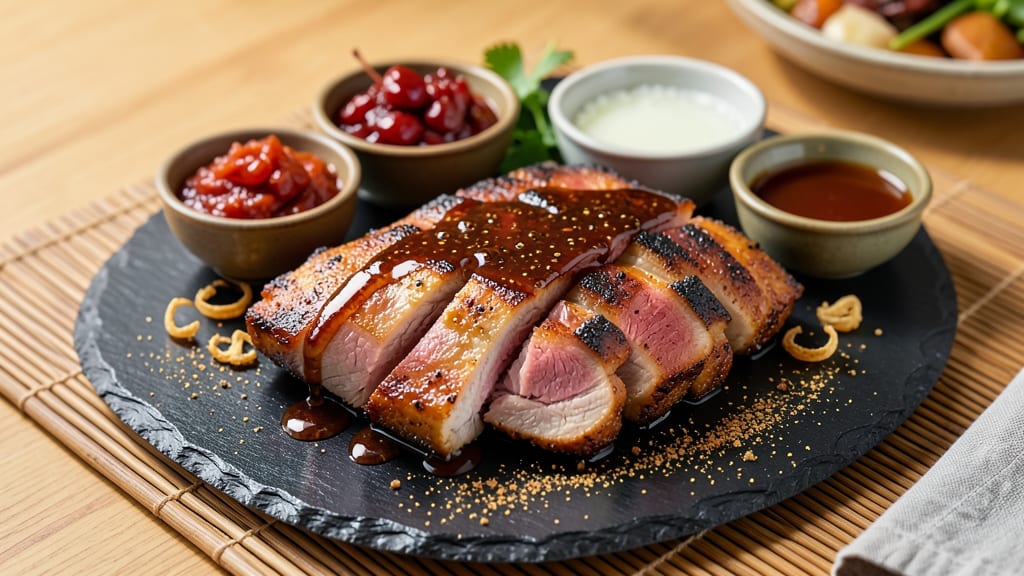
This Chinese BBQ pork sauce recipe delivers the perfect balance of sweet, tangy, and aromatic flavors that elevate any dish. The secret lies in the five-spice powder and tamarind, which create that signature sticky, caramelized glaze.
I developed this sauce after years of experimenting with authentic Chinese techniques, and it never fails to impress—whether you're marinating pork belly or drizzling it over stir-fries.
The process is straightforward yet transformative: simmering soy sauce, hoisin, and vinegar until the flavors meld into a rich, glossy sauce. The five-spice powder adds depth, while tamarind brings a bright, tangy contrast that cuts through the richness.
What you'll end up with is a sauce that's sticky, glossy, and packed with layers of umami and warmth.
This sauce works as a marinade for pork, chicken, or tofu, or as a dipping sauce for dumplings and spring rolls. The five-spice tamarind glow is what makes it truly special—it caramelizes beautifully when reduced, creating a glossy finish that clings to every bite.
Once you taste the difference, store-bought versions won't compare.
Ready in just 30 minutes, this sauce keeps well in the fridge for up to a week, making it perfect for meal prep. The key is patience—letting the flavors develop during the simmer ensures a sauce that's bold, balanced, and impossible to resist. Let's get started!
Ingredients for chinese bbq pork sauce
Nine essential ingredients transform into that signature sticky, caramelized Chinese BBQ pork sauce you crave.
| Ingredient | Amount | Notes |
|---|---|---|
| Light Soy Sauce 🍶 | ½ cup | Kikkoman preferred for authentic flavor |
| Dark Soy Sauce 🍶 | ½ cup | For deeper umami richness |
| Hoisin Sauce 🌶️ | ½ cup | Store-bought or homemade |
| Rice Vinegar 🍶 | ¼ cup | White vinegar substitute works |
| Five-Spice Powder 🌶️ | 1 ½ tbsp | Authentic Chinese blend essential |
| Tamarind Paste 🍯 | ¼ cup | Thick, block-style preferred |
| Brown Sugar 🍚 | ½ cup | Packed firmly for accuracy |
| Garlic Cloves 🧄 | 4 cloves | Minced for even distribution |
| Fresh Ginger 🌿 | 1 tbsp | Grated, not powdered |
| Sesame Oil 🫒 | 1 tbsp | Toasted for aroma |
The five-spice powder and tamarind are non-negotiable for that signature glow. Penzeys Spices carries the best authentic five-spice blend, but the bulk bins at H Mart or Asian grocery stores usually have it too. Tamarind paste comes in blocks—look for the thick, sticky kind, not the thin syrup. Brown sugar should be packed firmly in the measuring cup, not scooped loosely. The garlic and ginger are your aromatic base, so don't skimp on freshness. I always double-check the soy sauces: light for brightness, dark for depth. Kikkoman is my go-to, but any good-quality brand works.
No tamarind? Lime juice plus a pinch of sugar mimics the tang, though it won't caramelize the same way. Running low on hoisin? Mix 2 tbsp soy sauce with 1 tbsp honey as a quick sub. The sesame oil is purely for aroma—use the toasted kind if you've got it, but regular works in a pinch. For the five-spice powder, if you can't find it, mix 1/2 tsp each of cinnamon, star anise, fennel, cloves, and black pepper. The brown sugar can be swapped for white sugar plus 1/2 tsp molasses for depth. Just remember: the longer you simmer, the more the flavors meld into that perfect sticky glaze.
This sauce keeps beautifully in the fridge for up to 1 week, though it tastes even better the next day once everything marries. For longer storage, freeze in ice cube trays—perfect for single-use portions. The caramelized bits at the bottom? Don't waste them. Scrape them into the sauce or save for stir-fries. If it thickens too much, thin with a splash of water or vinegar. The sesame oil separates when refrigerated—just give it a quick stir before using.
Why You'll Love This Recipe
- Pantry Magic: I swear by this sauce because it’s made with stuff I always have—no last-minute grocery runs needed. That five-spice powder alone? It’s the secret that turns basic pantry staples into something that tastes like a takeout order.
- Sweet-Savory Balance: The hoisin and rice vinegar give it that sticky, tangy kick, while the dark soy adds depth. Honestly, it’s the kind of flavor that makes you want to slather it on everything—rice, noodles, even eggs.
- Leftover Hero: This sauce keeps for weeks in the fridge, so I make a big batch and use it all month. Freeze half if you’re not going to use it soon—it’s my go-to for lazy nights when I don’t feel like cooking.
- Budget-Friendly Flex: A few tablespoons stretch to feed a crowd, and the ingredients won’t break the bank. Between us, this is how I feed my whole family for under $10—no fancy labels, just real flavor.
Step-by-step instructions for Chinese BBQ pork sauce
Transform simple ingredients into a velvety, aromatic sauce that clings beautifully to pork.
Bloom the Five-Spice and Toast the Aromatics
In a medium saucepan over medium-low heat, add the 1.5 tablespoons Five-Spice Powder and toast it for 1-2 minutes until fragrant. This step unlocks the spices' full potential—you'll smell cinnamon, star anise, and clove notes developing. Remove the pan from heat temporarily and set aside.
In the same pan, add 1 tablespoon sesame oil and swirl to coat. Add the 4 minced garlic cloves and 1 tablespoon grated fresh ginger, cooking for 30 seconds until the garlic turns golden and aromatic. Here's the thing—don't let it brown or it'll turn bitter. The goal is to wake up those flavors without burning them.
Build the Sauce Base with Tamarind and Sugar
Return the pan to medium heat and add the 0.25 cup tamarind paste and 0.5 cup brown sugar. Stir constantly for 2-3 minutes until the sugar dissolves completely and the mixture becomes syrupy. You're creating the foundation for that signature sticky, glossy finish. If the tamarind paste is thick, add 1-2 tablespoons water to help it incorporate smoothly.
Here's where it gets interesting—the tamarind adds that signature tangy-sweet balance. If you're using block tamarind, make sure it's fully dissolved. Any lumps will make your sauce grainy. I like to press it through a fine-mesh sieve first to ensure a silky texture.
Combine Wet Ingredients for Depth of Flavor
Pour in the 0.5 cup light soy sauce, 0.5 cup dark soy sauce, and 0.5 cup hoisin sauce, stirring vigorously to combine. Let the mixture simmer for 5-7 minutes until it reduces by about one-third and thickens slightly. The dark soy sauce will give your sauce that rich, caramelized color while adding umami depth.
This is the moment that matters: the sauce should coat the back of a spoon and have a glossy sheen. If it's too thin, simmer longer. If it's too thick, add 1 tablespoon water at a time until you reach that perfect balance. The hoisin sauce adds natural sweetness and a touch of smokiness that rounds out the flavors beautifully.
Finish with Vinegar and Balance the Flavors
Remove the pan from heat and stir in the 0.25 cup rice vinegar. Taste and adjust the balance—you want a harmonious blend of sweet, tangy, and umami. The vinegar brightens the sauce and cuts through the richness. If it needs more depth, add another ½ teaspoon Five-Spice Powder. If it needs more sweetness, add 1 tablespoon brown sugar and reheat briefly.
Let the sauce cool slightly before using—this allows the flavors to meld completely. The sauce should be thick enough to coat the back of a spoon but still flow smoothly. Real talk: this sauce is incredibly versatile. Use it as a marinade, glaze, or dipping sauce. For best results, store it in an airtight container in the refrigerator for up to 2 weeks or freeze for up to 3 months.
Pro Tips For Making Chinese Bbq Pork Sauce
- Simmer Slow and Low: This isn’t a race—reduce your sauce on medium-low heat for 15-20 minutes. I used to crank it up high, and it’d either scorch or taste raw. The five-spice powder needs time to bloom, and the hoisin thickens properly only when it’s gentle. Let it bubble quietly, stirring occasionally, until it coats the back of a spoon like syrup.
- Balance the Vinegar: Rice vinegar cuts through the richness, but too much makes the sauce taste sharp and unfinished. Start with 1 tablespoon per ½ cup total sauce, then taste as you go. If it’s still too tangy, a pinch of sugar (or even a splash of water) smooths it out—better than overdoing it and needing to fix it later.
- Toast the Five-Spice: Dry-toast the five-spice powder in a small pan for 30 seconds before adding it to the sauce. This wakes up the cinnamon and cloves, making them aromatic instead of just dusty. Skip this, and your sauce will taste like a missed opportunity—trust me, it’s worth the 30 seconds.
- Save the Dark Soy: Dark soy sauce is for color, not flavor—use it late. Add just 1 teaspoon at the very end to get that glossy, deep-brown finish without overpowering the light soy and hoisin. I learned this after ruining a batch where I mixed it in early, and the sauce turned muddy instead of vibrant.
Common mistakes when making this dish
Over-Simmering the Sauce
Watch the heat closely—simmering too long turns your rich, glossy sauce into a thick, bitter sludge. I’ve ruined batches by letting it reduce too aggressively, especially when using dark soy sauce.
Keep the heat at medium-low and stir frequently to prevent scorching. The sauce should reduce by about one-third in 5-7 minutes, not evaporate completely. 🔥
Skipping the Five-Spice Bloom
Toast that five-spice powder for just 1-2 minutes—it’s the secret to unlocking its aromatic complexity. Skipping this step leaves your sauce flat and one-dimensional. The spices need time to warm and release their oils.
If you rush it, you’ll miss the cinnamon, star anise, and clove notes that define this sauce. Trust me, your taste buds will thank you. 🌶️
Using Low-Quality Tamarind
Not all tamarind paste is created equal. Thin, syrupy versions won’t caramelize like the thick, block-style paste. If you grab the wrong kind, your sauce will lack that signature tangy-sweet balance. Look for the sticky, block tamarind at Asian markets—it’s worth the hunt.
If you’re in a pinch, lime juice plus a pinch of sugar can mimic the tang, but it won’t replicate the depth. 🍯
Ignoring the Vinegar Balance
The rice vinegar is your flavor brightener—don’t skip it! Adding it at the end cuts through the richness and balances the sweetness. If you forget, your sauce will taste cloyingly sweet.
Start with ¼ cup and adjust to taste. Pro tip: Let the sauce cool slightly before adding vinegar—hot sauce can mute its acidity. 💡
Not Adjusting for Humidity
Humid climates can make your sauce thicker than intended. If it’s too sticky, thin it with 1 tablespoon water or vinegar at a time. Conversely, dry air might make it evaporate faster—keep a close eye on the heat.
The goal is a sauce that coats the back of a spoon but still flows smoothly. A quick stir with a whisk helps maintain consistency. ⚡
Using Powdered Ginger
Fresh ginger is non-negotiable here—powdered lacks the bright, zesty punch your sauce needs. If you must use powdered, add ½ teaspoon extra and a splash of water to mimic freshness.
The grated ginger adds a subtle heat and aroma that powdered simply can’t replicate. I always double-check my pantry before starting—no shortcuts here! 🌿
Nutrition facts
Frequently asked questions about Chinese BBQ pork sauce
Can I make this sauce without tamarind?
Yes! For a quick substitute, mix 2 tablespoons lime juice with 1 teaspoon sugar to mimic the tangy-sweet balance. However, tamarind creates that signature caramelized glow when reduced. If you're using lime, add it at the end and adjust sweetness to taste. The sauce will still be delicious, just with a brighter citrus note.
How long should I marinate pork in this sauce?
For tender cuts like pork tenderloin, marinate for 30 minutes to 1 hour at room temperature. For tougher cuts like pork belly or shoulder, marinate overnight (8-12 hours) in the fridge for maximum flavor penetration. Always pat the meat dry before cooking to ensure a good sear. The sauce will caramelize beautifully when cooked.
Can I use this sauce for non-pork dishes?
This versatile sauce works wonderfully with chicken, tofu, shrimp, or even vegetables. For chicken, marinate for 1-2 hours before grilling or stir-frying. Tofu absorbs the sauce beautifully—press it first for better texture. The five-spice and tamarind flavors complement all these proteins perfectly. It also makes an excellent dipping sauce for dumplings or spring rolls.
Why did my sauce turn too thick?
This usually happens from over-simmering or high humidity. Thin with 1 tablespoon water or vinegar at a time while stirring constantly. If the sauce separates, whisk vigorously to re-emulsify. For next time, keep the heat at medium-low and stir frequently. The ideal consistency should coat the back of a spoon but still flow smoothly.
How can I make this sauce spicier?
Add ½ teaspoon chili flakes or 1 teaspoon sambal oelek while simmering. For heat without spice, include 1 extra garlic clove or ½ teaspoon ground Sichuan peppercorn (toasted first). Always taste as you go—you can add more heat, but you can't remove it! The five-spice already adds warmth, so adjust gradually.