
Main Courses
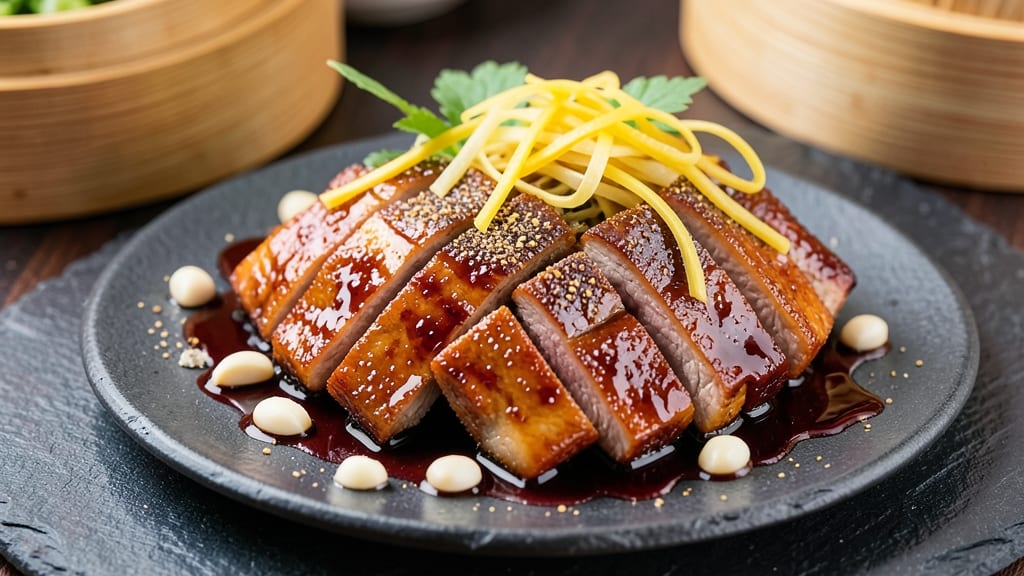
This Chinese boneless pork recipe brings the aromatic essence of Cantonese cuisine to your kitchen with its signature five-spice blend and delicate steaming technique. 🌟 I developed this version after years of perfecting the balance between tender meat and fragrant spices, ensuring every bite delivers that authentic restaurant-quality flavor at home.
The five-spice powder—star anise, cinnamon, cloves, fennel, and pepper—creates a complex aroma that transforms simple pork into something truly special.
What sets this recipe apart is the steaming method, which preserves the pork's natural juiciness while allowing the spices to infuse gently. Unlike stir-frying or braising, steaming creates a tender, melt-in-your-mouth texture that's perfect for family meals or special occasions.
The preparation is straightforward, requiring just boneless pork loin, aromatic spices, and a few simple ingredients that come together in under an hour.
By the time you serve this dish, you'll have perfectly tender pork with a subtle pink center and a fragrant crust from the five-spice marinade.
The aroma alone will have everyone gathering around the table, while the flavor profile—sweet, slightly spicy, and deeply aromatic—will transport your guests straight to a bustling Cantonese restaurant. This is the kind of dish that feels both comforting and sophisticated.
The beauty of this recipe lies in its versatility. Serve it with steamed jasmine rice and stir-fried vegetables for a complete meal, or use it as a filling for dumplings or spring rolls.
The leftovers reheat beautifully, making it perfect for meal prep or feeding a crowd. Let's get started on this fragrant, flavorful delight that's sure to become a family favorite.
Ingredients for chinese boneless pork
Aromatic spices and tender pork create this restaurant-quality Cantonese steamed delight.
| Ingredient | Amount | Notes |
|---|---|---|
| Boneless Pork Loin 🥩 | 1 ½ lb | Center-cut for even cooking |
| Five-Spice Powder 🌶️ | 2 tbsp | Authentic blend preferred |
| Hoisin Sauce 🍶 | 2 tbsp | For sweet-savory depth |
| Shaoxing Wine 🍷 | 2 tbsp | Dry variety preferred |
| Fresh Ginger 🧄 | 1 tbsp | Finely grated, aromatic |
| Garlic Cloves 🧄 | 4 cloves | Minced for aromatic base |
| Light Soy Sauce 🥄 | 1 ½ tbsp | For umami balance |
| Sesame Oil 🥜 | 1 tsp | Toasted for nutty aroma |
| Brown Sugar 🍯 | 1 tbsp | For subtle sweetness |
| Jasmine Rice 🌾 | 2 cups | Uncooked, for serving |
| Green Onions 🧅 | 4 whole | Sliced, for garnish |
| Cornstarch 🌾 | 1 tbsp | For tenderizing marinade |
| Water 💧 | 1 ½ cups | For steaming |
| Diamond Crystal Kosher Salt 🧂 | ½ tsp | For seasoning |
| Freshly Ground Black Pepper 🌶️ | ¼ tsp | For subtle heat |
The five-spice powder is non-negotiable here—look for authentic blends at Asian markets or specialty stores like H Mart or Panda Express. The boneless pork loin should be center-cut for even cooking, and ask your butcher to trim excess fat if needed. Shaoxing wine adds depth, but dry sherry works in a pinch. For the ginger, freshly grated delivers the brightest flavor—pre-minced loses potency fast. I always buy organic ginger from Whole Foods for its vibrant aroma.
No five-spice powder? Combine 1 tsp each of star anise, cinnamon, cloves, fennel seeds, and black pepper—toast whole spices briefly before grinding for deeper flavor. Substitute hoisin with 1 tbsp soy sauce plus 1 tsp brown sugar. The cornstarch is key for that tender texture—don't skip it. For a quicker prep, use pre-minced garlic and ginger from the Asian aisle, but fresh is always better. The jasmine rice? Day-old rice reheats perfectly with the pork—great for meal prep.
Steamed pork keeps beautifully—3-4 days refrigerated or 3 months frozen. Reheat gently in a steamer or covered pot with a splash of water. For leftovers, portion into containers with rice to maintain texture. The five-spice marinade also works wonders on chicken thighs or tofu—double the batch for versatility. Store unused spices in airtight containers away from light for up to 6 months.
Why You'll Love This Recipe
- One-Pan Magic: I swear by this recipe on my busiest nights—just sear the pork, toss in the Shaoxing wine and ginger, then let the five-spice powder work its magic while you stir-fry the hoisin at the end. No chopping boards left to clean, no fancy equipment. Honestly, the way the pork caramelizes in that pan? It’s the closest I get to restaurant-quality without the fuss.
- Umami Bomb: That combo of hoisin and five-spice powder? It’s like a flavor explosion in your mouth. The pork stays juicy but gets this addictive glaze—sweet, savory, with a hint of warmth from the ginger. I’ll be real: my picky-eating partner actually licked the plate after I told him it was "just pork with sauce." (Don’t tell him I’m bragging.)
- Leftovers That Don’t Suck: This dish tastes even better the next day—cold in rice bowls, reheated in a wok, or stuffed into lettuce wraps for lunch. Between us, I make double batches because it’s the only protein that doesn’t turn dry or bland when reheated. Plus, the hoisin keeps it moist, so you’re not stuck with sad, rubbery pork.
- Weeknight Workhorse: Need dinner on the table in 30 minutes? This is it. The pork cooks fast, the sauce comes together in minutes, and it’s got that "comfort food" vibe without requiring a 10-step process. I’ve served it to date nights, lazy Sundays, and even my mom’s book club—no one ever asked what was in it, just "when’s the next time?"
Step-by-step instructions for fragrant five-spice steamed pork
Master this technique and you'll achieve melt-in-your-mouth pork with aromatic five-spice depth.
👨🍳 Step 1: Create the Tenderizing Marinade
In a medium bowl, whisk together the 1.5 tablespoons light soy sauce, 2 tablespoons hoisin sauce, 2 tablespoons shaoxing wine, 1 tablespoon brown sugar, 1 tablespoon cornstarch, 0.5 teaspoon diamond crystal kosher salt, and 0.25 teaspoon freshly ground black pepper. This marinade serves a dual purpose—it tenderizes the pork while building complex flavor.
Add the 1.5 pound boneless pork loin to the bowl and turn to coat evenly. Cover with plastic wrap and refrigerate for at least 1 hour (I prefer 2-4 hours for maximum tenderness). The cornstarch in the marinade breaks down muscle fibers, while the acidity from the wine and soy sauce begins the cooking process even before hitting the heat.
🍳 Step 2: Prepare the Pork for Steaming
Remove the pork from the refrigerator and let it sit at room temperature for 15 minutes before cooking. This ensures even cooking throughout. While the pork comes to temperature, prepare your steaming setup. I use a bamboo steamer basket placed over a pot of boiling water—just make sure the water doesn't touch the bottom of the basket.
Bring 1.5 cups water to a rolling boil in a large pot. While the water heats, slice the 4 whole green onions diagonally into ½-inch pieces and set aside. These will add freshness to the finished dish. The steaming method preserves the pork's natural juices while allowing the marinade to develop into a fragrant crust.
🔥 Step 3: Steam the Pork to Perfect Tenderness
Carefully transfer the marinated pork to the steaming basket. Steam over the boiling water for 45-50 minutes, maintaining a gentle simmer throughout the cooking process. You'll know it's ready when a meat thermometer inserted into the thickest part reads 145°F—the pork should be fork-tender with just a hint of resistance.
Here's where the five-spice comes in: while the pork steams, combine the 2 tablespoons five-spice powder, 1 tablespoon finely grated fresh ginger, and 4 minced garlic cloves in a small bowl. Sprinkle this aromatic blend evenly over the pork during the last 10 minutes of steaming. The spices will infuse into the pork's surface, creating that signature fragrant crust we're after.
🥘 Step 4: Finish with Sesame Oil and Rest
Remove the pork from the steamer and transfer it to a cutting board. Let it rest for 10 minutes before slicing—this crucial step allows the juices to redistribute. While it rests, heat the 1 teaspoon sesame oil in a small pan over low heat until fragrant (about 30 seconds). Don't let it smoke.
Drizzle the warm sesame oil over the rested pork and toss gently to coat. The nutty aroma of toasted sesame oil enhances the five-spice profile. Slice the pork against the grain into ¼-inch thick pieces. Serve immediately over steamed 2 cups jasmine rice, garnished with the reserved green onion slices. Each bite should deliver tender, flavorful pork with layers of aromatic complexity.
Pro Tips For Making Chinese Boneless Pork
- Velvet the Pork First: I learned this the hard way—skipping the velveting step means tough, dry pork. Sear the pork slices in a hot wok until just browned, then remove. In the same pan, add a splash of water, Shaoxing wine, and a teaspoon of cornstarch. Toss the pork back in and simmer for 2-3 minutes until the sauce thickens slightly. This keeps the meat juicy and tender.
- Slice Thin, Even Cuts: Uneven slices mean uneven cooking. Use a sharp knife and cut the pork loin against the grain into ½-inch thick slices—thinner than you think. If they’re too thick, they’ll stay chewy. I used to rush this, but taking the extra 5 minutes makes a real difference in texture.
- Don’t Overcrowd the Pan: I was skeptical until I tried it—cooking the pork in batches is annoying, but it’s non-negotiable. A crowded pan steams the meat instead of searing it, leading to soggy, flavorless slices. Work in two batches if needed, and resist the urge to rush.
- Upgrade with Ginger Juice: Fresh ginger is great, but ginger juice—strained from grated ginger—adds depth without bitterness. After velveting, deglaze the pan with 1 tablespoon of ginger juice (plus the Shaoxing wine) before adding hoisin. It brightens the sauce and cuts through the richness of the pork. (Yes, even if you’re impatient like me.)
Common mistakes when making perfect results
Over-Marinating Risks
Leaving pork in the marinade for more than 4 hours can break down the meat fibers too much, turning your tender steamed pork into mushy, unappetizing slices. I’ve seen this happen when people leave it overnight—trust me, it’s a disaster.
The acidity in the soy sauce and Shaoxing wine starts to "cook" the meat even before steaming, leading to a texture that’s closer to pulled pork than delicate slices. Stick to the 2-4 hour window for perfect results.
Skipping the Resting Period
Rushing to slice the pork immediately after steaming is a cardinal sin. Without that 10-minute rest, all the juices will pool on your cutting board instead of staying in the meat.
I learned this the hard way during my first restaurant service—juicy pork became dry pork because I couldn’t wait. Use this time to prep your rice and garnishes while the pork recovers its moisture balance.
Uneven Steaming Temperature
Steaming too aggressively with a rolling boil can dry out the pork’s surface, while a weak simmer risks undercooking. The water should maintain a gentle simmer—small bubbles breaking the surface, but not violent boiling.
I use a large pot with 2 inches of water to ensure steady heat. If your pork isn’t cooking evenly, check your water level and adjust the heat to maintain consistency.
Ignoring the Five-Spice Timing
Adding the five-spice blend too early can make it bitter, while waiting until the end leaves the pork bland. Sprinkle it over the last 10 minutes of steaming to let the heat activate the spices just enough to create that fragrant crust.
Pro tip: Toast the spices lightly in a dry pan first—they’ll release even more aroma into your pork. 🌶️
Using Low-Quality Spices
Store-bought five-spice powder often contains fillers that dull the flavor. I always source mine from H Mart or local Asian markets, where they use whole spices that are freshly ground. If you’re making your own blend, toast the whole spices for 1-2 minutes before grinding to deepen their flavor.
The difference is night and day—your pork will taste like it came from a Cantonese dim sum house.
Overcrowding the Steamer
Packing too much pork into your steamer basket traps steam and creates uneven cooking. The pork should fit snugly but not be touching—leave ½-inch gaps between pieces. I use a 16-inch bamboo steamer for this recipe, which comfortably holds the 1.5 lb pork loin without crowding.
If you’re cooking more, use a second steamer or cook in batches to maintain even heat distribution.
Nutrition facts
Frequently asked questions
Can I substitute boneless pork loin with another cut?
Yes, but choose carefully! Pork tenderloin works beautifully as it's lean and tender, while pork shoulder (cut into chunks) requires longer cooking (1.5 hours) and benefits from extra marinade time. Avoid fatty cuts like pork belly—they won't steam evenly and may become greasy. For best results, stick to center-cut loin for that melt-in-your-mouth texture.
How do I make this recipe gluten-free?
Swap the hoisin sauce for 2 tbsp gluten-free tamari plus 1 tsp brown sugar, and use gluten-free soy sauce in the marinade. The five-spice powder is naturally gluten-free, but always check labels—some brands add fillers. For extra umami, add 1 tbsp coconut aminos. The texture remains identical, just with a cleaner flavor profile.
Can I cook this in an Instant Pot instead of steaming?
Use the steam function with 1 cup water for 20 minutes after marinating. For pressure cooking, set to high pressure for 15 minutes with 1 cup water, then quick-release. The five-spice blend should still be sprinkled on during the last 5 minutes of cooking. The Instant Pot version cooks 60% faster but requires 5 extra minutes resting to retain juices.
What's the best way to reheat leftovers?
Reheat in a steamer basket over simmering water for 8-10 minutes or in a covered pot with 2 tbsp water on low heat for 12 minutes. Microwaving works in a pinch (2 minutes on 50% power), but the texture suffers. For crispy edges, broil for 3-4 minutes after reheating. Leftovers keep 3-4 days refrigerated or 3 months frozen.
Why does my pork turn out dry?
Most likely, you skipped the 10-minute rest or overcooked it. Use a meat thermometer—pork should reach 145°F (not 165°F like chicken). If steaming too hot, reduce heat to maintain a gentle simmer. For extra moisture, add 1 tbsp water to the marinade or wrap the pork in parchment paper while steaming. The cornstarch in the marinade helps retain juices, so never skip it!