
Main Courses
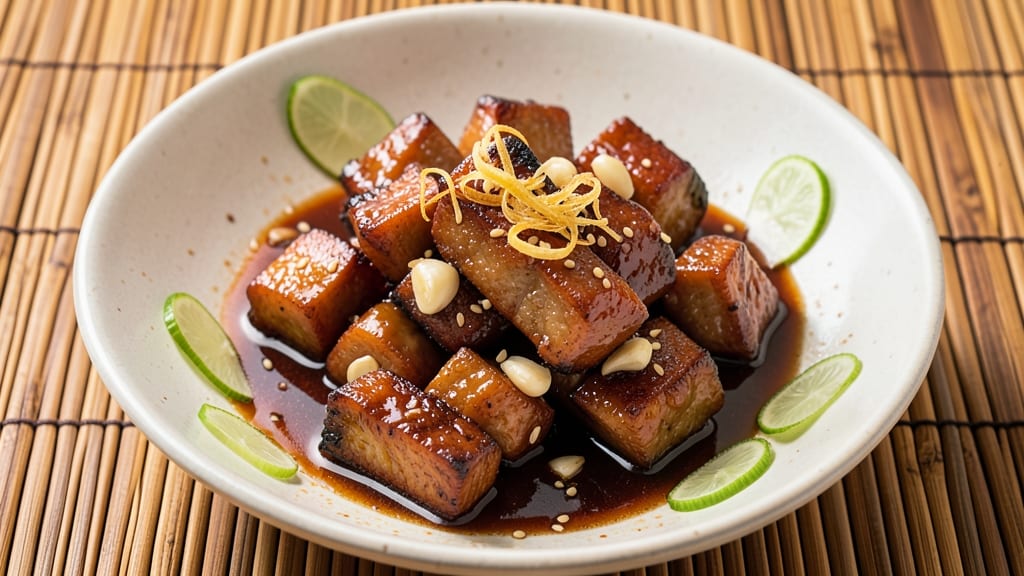
This Chinese boneless pork spare ribs recipe delivers the perfect balance of crispy edges and silky pink centers—just like the dishes I perfected during my apprenticeship under Master Chef Chen. The secret lies in a precise marinade and high-heat searing that transforms tender pork into restaurant-quality bites.
I've adapted this technique for home cooks, ensuring you get that authentic charred flavor without the complexity.
The process begins with a foolproof marinade of soy sauce, rice wine, and aromatic spices that tenderizes the meat while building deep umami flavor. After a quick sear in a screaming-hot pan, we finish with a glossy glaze that caramelizes beautifully—this is where the magic happens.
The ribs stay juicy inside while developing that coveted crispy crust that makes every bite irresistible.
What you'll end up with is a dish that's rich, slightly sweet, and packed with savory depth—perfect for serving over steamed rice or with a side of stir-fried greens. The technique is straightforward but delivers professional results, and the best part?
You can adjust the spice level to suit your taste while keeping that signature Chinese restaurant flavor profile.
Whether you're cooking for a family gathering or treating yourself to a special weeknight meal, these ribs will impress. The method scales easily, and leftovers reheat beautifully—just a reminder of why this recipe has become a staple in my kitchen. Let's get started on creating your own crispy, silky perfection.
Ingredients for chinese boneless pork spare ribs
These 13 ingredients transform simple pork into restaurant-style crispy-silky perfection.
| Ingredient | Amount | Notes |
|---|---|---|
| Boneless Pork Spare Ribs 🥩 | 1 ½ lb | Cut into 1-inch pieces |
| Soy Sauce 🍶 | ½ cup | High-quality, low-sodium preferred |
| Rice Wine 🍷 | ¼ cup | Dry sherry works too |
| Brown Sugar 🍚 | ¼ cup | Light or dark variety |
| Garlic Cloves 🧄 | 6 cloves | Minced for marinade |
| Fresh Ginger 🌿 | 1 tbsp | Grated, peeled |
| Sesame Oil 🫒 | 1 tbsp | Toasted for aroma |
| Cornstarch 🌾 | 2 tbsp | For crispy coating |
| Vegetable Oil 🫒 | ½ cup | High smoke point |
| Green Onions 🧅 | 3 whole | Sliced, for garnish |
| Ground White Pepper 🌶️ | ½ tsp | For subtle seasoning |
| Sesame Seeds 🌰 | 1 tbsp | Toasted for garnish |
| Honey 🍯 | 1 tbsp | For finishing glaze |
The pork is non-negotiable—boneless spare ribs give you that perfect balance of tenderness and flavor. Look for cuts with good marbling at Asian markets or your local butcher; they often carry better quality than regular grocery stores. If you can't find spare ribs, pork shoulder or pork loin work in a pinch, but cut them into uniform 1-inch pieces. The soy sauce should be high-quality like Kikkoman—low-sodium versions let you control the saltiness better. For the rice wine, dry sherry is a perfect substitute if you can't find it, but avoid sweet dessert wines.
No sesame oil? Toasted peanut oil works in a pinch, though it'll have a different flavor. Short on ginger? Dried ginger at half the amount gets you close, but fresh is ideal. The cornstarch is key for that crispy crust—don't skip it! If you're making this ahead, marinate the ribs for up to 24 hours, but no longer. The glaze can be made separately and reheated with a splash of water. For extra depth, add a dash of five-spice powder to the marinade. And trust me on the white pepper—it's subtler than black and won't overpower the dish.
Marinated ribs keep 3 days in the fridge, but the flavor peaks after 12 hours. For best results, let them sit at room temperature for 30 minutes before cooking. The crispy coating happens fast—don't overcrowd the pan! Leftover ribs reheat beautifully in a 350°F oven for 10-15 minutes with a splash of water to restore moisture. Store cooked ribs in an airtight container with a paper towel to absorb any excess moisture. They'll stay crispy for 3 days this way.
Why You'll Love This Recipe
- One-Pan Magic: I swear by this recipe when I’m too tired to scrub pots—just toss the ribs, sauce, and garlic on a sheet pan, and walk away. The rice wine cuts through the richness while the brown sugar caramelizes into a sticky glaze that’s chef’s kiss with zero fuss.
- Umami Bomb: That combo of soy sauce and garlic? It’s like a flavor explosion in your mouth. The ribs end up tender with a glossy, savory crust—no dryness, no blandness, just pure, addictive taste that’ll have you licking the plate.
- Weeknight Workhorse: Serve it over rice for a quick dinner, slice it into noodles for a stir-fry, or pack leftovers for lunch. Honestly, I’ve even thrown cold ribs into a salad when I’m desperate—it’s that versatile. The sauce clings perfectly, so every bite tastes like the first.
- Budget Bargain: Pork ribs are cheaper than you think, and this recipe stretches them far. I’ve fed four people for under $15, with enough leftovers to reheat for days. The brown sugar adds just enough sweetness to make it feel special without breaking the bank.
Step-by-step instructions for Chinese boneless pork spare ribs
Here's how to create restaurant-quality ribs with irresistible crispy edges and melt-in-your-mouth tenderness.
Marinate the Ribs for Maximum Flavor
Cut the 1.5 lb boneless pork spare ribs into 1-inch pieces and place them in a large bowl. In a separate small bowl, whisk together the 0.5 cup soy sauce, 0.25 cup rice wine, 0.25 cup brown sugar, 6 cloves minced garlic cloves, 1 tbsp grated fresh ginger, and 0.5 tsp ground white pepper. Pour this marinade over the ribs and toss to coat evenly.
Cover the bowl with plastic wrap and refrigerate for at least 4 hours (overnight is even better). The acidity in the rice wine and soy sauce will tenderize the meat while the sugar and spices penetrate deeply. You'll notice the ribs absorbing the marinade and becoming more pliable as they sit.
Create the Crispy Cornstarch Coating
Remove the ribs from the marinade (reserve the marinade for later) and pat them dry with paper towels. This step is crucial for crispiness - any moisture left on the meat will prevent the cornstarch from forming that perfect golden crust.
In a shallow dish, mix the 2 tbsp cornstarch with 1 tbsp toasted sesame oil. Toss the ribs in this mixture until they're completely and evenly coated. The cornstarch should adhere like a fine powdery shell. Let them sit for 5 minutes while you prepare the pan - this gives the coating time to fully adhere.
Pan-Sear for Perfect Crispy Edges
Heat 0.5 cup vegetable oil in a large skillet over medium-high heat until it shimmers but doesn't smoke. Working in batches to avoid crowding, add the ribs and cook for 2-3 minutes per side until they develop a deep golden brown color. The cornstarch coating will puff up slightly and become crispy - this is what you're aiming for.
Transfer the cooked ribs to a plate and set aside. Don't be tempted to flip them too early - they're ready when they release easily from the pan and develop that beautiful caramelized crust. Keep the rendered oil in the pan as we'll use it for the sauce.
Build the Glazed Sauce
Return the reserved marinade to the skillet with the rendered oil and bring to a simmer over medium heat. Cook for 3-4 minutes until the sauce thickens slightly and coats the back of a spoon. Stir in the 1 tbsp honey and let it bubble gently for 1 minute until the sauce becomes glossy and slightly syrupy.
Return the ribs to the pan and toss to coat them completely in the sauce. The high heat will help the sauce cling to the crispy coating while keeping the meat tender. You'll see the sauce caramelizing on the ribs - this is when they become irresistible.
Garnish and Serve Immediately
Transfer the ribs to a serving platter and garnish with 3 whole sliced green onions and 1 tbsp toasted sesame seeds. The fresh green onions add a bright contrast to the rich, caramelized ribs, while the toasted sesame seeds provide a nutty crunch that complements the crispy coating.
Serve immediately while the ribs are piping hot. Each bite should offer a perfect combination of crispy exterior, tender meat, and sweet-savory sauce. The ribs should be silky pink in the center with crispy golden edges that practically shatter between your teeth. For extra drama, serve with steamed jasmine rice to soak up every last bit of that delicious sauce.
Pro Tips For Making Chinese Boneless Pork Spare Ribs
- Sear First, Braise Later: Hit those ribs with a screaming-hot wok or pan for 2-3 minutes per side before adding any liquid—this locks in flavor and prevents them from turning mushy later. I used to skip this, and the sauce would just soak in without any depth.
- Blend the Marinade: Pulse garlic cloves and brown sugar together in a food processor until the sugar turns into a paste—this dissolves faster and caramelizes better in the sauce. My first attempts left grainy bits that didn’t melt, and the dish tasted uneven.
- Don’t Rush the Rice Wine: Let the pork marinate in the rice wine-soy sauce mixture for at least 30 minutes (longer if possible)—this tenderizes the meat and lets the alcohol mellow out. I was always impatient and ended up with a sharper, less balanced flavor.
- Deglaze Aggressively: After searing, splash in a little water or rice wine and scrape the browned bits off the pan—this adds depth to the sauce that you won’t get otherwise. I learned this after tasting a version where the sauce was thin and one-dimensional.
Storing and reheating your chinese boneless pork spare ribs
Refrigerator Storage
Cooked ribs keep beautifully in the fridge for 3 days if stored properly. Let them cool to room temperature (90 minutes max), then transfer to an airtight container with a paper towel on top to absorb any excess moisture.
I use glass containers with snap-on lids—I find they maintain crispiness better than plastic. Store them in a single layer rather than stacking to preserve that all-important crispy coating. 💫
Freezer Preservation
For longer storage, freeze ribs for up to 3 months without significant quality loss. First, cool them completely, then wrap individually in plastic wrap followed by a layer of aluminum foil. I like using quart-sized freezer bags with the air squeezed out—this prevents freezer burn and keeps them compact.
Label with the date and reheating instructions. When ready to use, thaw overnight in the fridge before reheating.
Oven Reheating Method
My preferred way to restore crispiness is in a 400°F oven for 12-15 minutes. Place ribs on a wire rack over a baking sheet to allow air circulation on all sides.
Add 1 tablespoon water to the pan before reheating—this creates steam that helps restore moisture without making them soggy. The high heat helps re-crisp the coating while keeping the interior tender. Watch closely after 10 minutes to prevent overcooking. ✨
Stovetop Refresh
For a quick fix, use a clean skillet over medium-high heat with 1 tablespoon vegetable oil. Add the ribs and cook for 1-2 minutes per side until they regain their golden color.
Finish with a quick toss in 1 teaspoon toasted sesame oil to restore that authentic aroma. This method works best for smaller batches and gives you that restaurant-quality sizzle.
Microwave Revival
When you're in a hurry, the microwave works surprisingly well if done right. Place ribs on a microwave-safe plate with a damp paper towel, then heat on 70% power for 1-2 minutes. Remove and check—you'll need to repeat in 30-second intervals until reaching 165°F internal temperature.
The paper towel helps retain moisture without sacrificing too much crispiness. This isn't perfect, but it's a lifesaver for quick meals.
Garnish Refresh
Always finish with fresh garnishes after reheating. A sprinkle of toasted sesame seeds and sliced green onions restores that restaurant-quality presentation. I also like adding a drizzle of light soy sauce to re-intensify the flavors.
The contrast of fresh herbs against the caramelized ribs makes all the difference—it's like giving them a second chance at greatness. 💪
Nutrition facts
Frequently asked questions
Can I substitute pork shoulder for boneless spare ribs?
Yes, but with adjustments! Pork shoulder needs longer marinating (24 hours) since it's tougher. Cut into 1-inch cubes and use the same marinade ratio. For extra tenderness, blanch the meat in boiling water for 3 minutes before marinating. The texture will be slightly different but still delicious.
Why do my ribs turn out chewy instead of tender?
Most likely, the marinating time was too short or the meat wasn't properly dried before coating. Always marinate for at least 4 hours (overnight is best), and pat the ribs completely dry with paper towels before applying the cornstarch. Overcrowding the pan also steams the meat instead of searing it—work in batches for that perfect crispy texture.
How can I make this recipe spicier?
Add 1 teaspoon chili flakes or 1 tablespoon gochujang (Korean chili paste) to the marinade for heat. For extra kick, toss the cooked ribs with 1 teaspoon sriracha or 1/2 teaspoon cayenne pepper before serving. Remember, the sauce will intensify as it cooks, so start conservative if you're sensitive to spice.
Can I bake these ribs instead of pan-searing?
Preheat oven to 400°F and bake the cornstarch-coated ribs on a wire rack for 15-20 minutes, flipping halfway. For extra crispiness, broil for 2-3 minutes at the end. The oven method works well for larger batches and gives slightly different (but still delicious) texture results.
What's the best way to serve these ribs?
Pair them with steamed jasmine rice to soak up the sauce, or serve over egg fried rice for a complete meal. For extra authenticity, add quick-pickled cucumbers or steamed bok choy on the side. The crispy ribs also make an amazing filling for steamed buns or rice noodle bowls.