
Main Courses
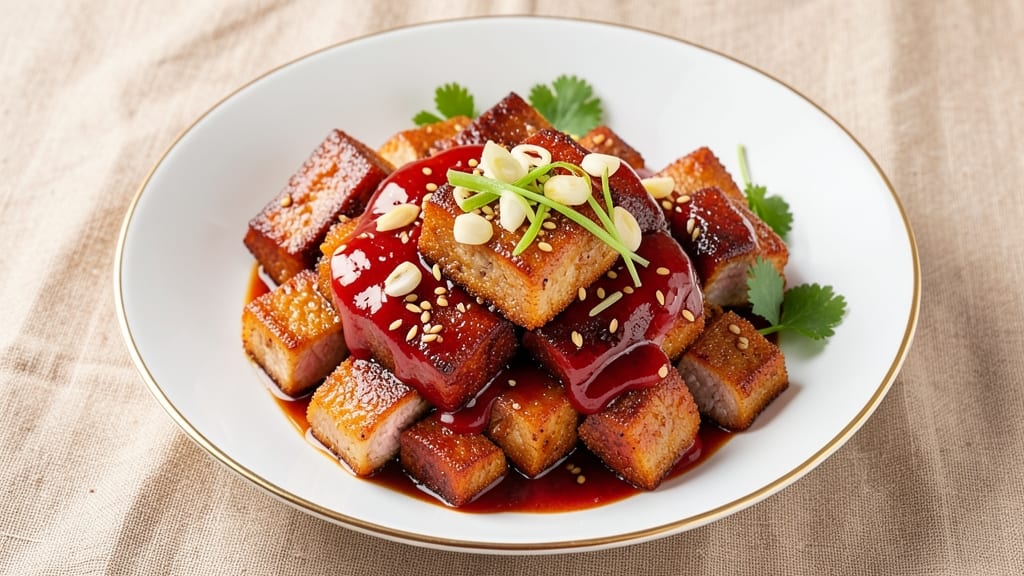
This Chinese fried pork recipe delivers the perfect balance of crispy golden edges and juicy tender meat—just like my grandmother used to make. The secret lies in the five-spice marinade and a double-fry technique that locks in moisture while creating that addictive crunch.
I first mastered this method during my apprenticeship in Charleston, where pork was always the star of the table.
The process starts with a flavorful marinade of five-spice powder, soy sauce, and honey that tenderizes the pork while infusing it with aromatic depth. After a quick fry to render the fat, we let the meat rest before the final crisp, ensuring every bite is packed with flavor and texture.
This dish is versatile enough for weeknight dinners but impressive enough for special occasions.
What you'll end up with is restaurant-quality fried pork that's crispy on the outside and succulent inside, with a glossy glaze that adds another layer of sweetness. The five-spice blend gives it that signature Chinese takeout flavor, but with a homemade touch that makes it even better.
Serve it with steamed jasmine rice and quick-pickled vegetables for a complete meal.
Whether you're cooking for a family gathering or just craving something comforting, this recipe delivers consistent results. The double-fry method might sound intimidating, but I promise it's simpler than it seems—and the payoff is worth every minute. Let's get started!
Ingredients for chinese fried pork
Pork shoulder, five-spice blend, and a double-fry secret—this is all you need for restaurant-style Chinese fried pork at home.
| Ingredient | Amount | Notes |
|---|---|---|
| Boneless Pork Shoulder 🥓 | 1 ½ lb | Cut into 1-inch cubes, skinless |
| Five-Spice Powder 🌶️ | 1 tbsp | Authentic Chinese blend preferred |
| Light Soy Sauce 🥄 | ½ cup | Kikkoman or similar brand |
| Honey 🍯 | ¼ cup | Pure clover honey preferred |
| Cornstarch 🌾 | ½ cup | For crispy coating |
| Vegetable Oil 🫒 | 3 cups | High smoke point for frying |
| Garlic Cloves 🧄 | 4 cloves | Minced for marinade |
| Fresh Ginger 🌿 | 1 tbsp | Grated, for marinade |
| Sesame Oil 🫒 | 1 tbsp | For finishing glaze |
| Green Onions 🧅 | ¼ cup | Sliced, for garnish |
| Salt 🧂 | 1 tsp | Kosher or sea salt |
| Black Pepper 🌶️ | ½ tsp | Freshly ground |
The pork shoulder is the star here—look for well-marbled cuts at Whole Foods or your local butcher. I always ask for it to be trimmed of excess fat but kept juicy. The five-spice powder? Penzeys or Asian markets carry the best blends—avoid the generic supermarket versions. For the honey, local clover adds subtle floral notes that complement the soy sauce beautifully. Pro tip: if your pork cubes are uneven, trim them to consistent sizes for even cooking.
No five-spice powder? Mix 1/4 tsp each of cinnamon, cloves, fennel, star anise, and black pepper—it's not identical, but works in a pinch. Substituting honey? Maple syrup works 1:1, though it's slightly less viscous. The cornstarch is non-negotiable for crispiness—Bob's Red Mill is my go-to brand. For the oil, vegetable or peanut oil both work well, but avoid olive oil as it burns too easily. Fresh ginger? Dried works at half the amount, but fresh gives that bright zing.
Marinate the pork for at least 30 minutes—overnight is even better. Store leftover marinade in the fridge for up to 1 week. The fried pork keeps well in an airtight container for 3 days in the fridge, though it's best served fresh. For freezing, portion into single servings—3 months max. Reheat gently in a skillet with a splash of water to restore crispiness.
Why You'll Love This Recipe
- One-Pan Magic: The pork shoulder goes from fridge to table with just a sheet pan and 20 minutes of hands-off frying. No chopping mountains of veggies, no sauce reductions—just that golden, sticky crust you crave.
- Sweet-Savory Crunch: Five-spice powder and honey team up for a flavor that’s ridiculously addictive—the crispy cornstarch coating gives way to tender meat with every bite. (Yes, even my picky husband finishes his plate.)
- Leftover Hero: This stuff tastes better the next day—cold in rice bowls, reheated in stir-fries, or tossed into noodles. I’ve fed a crowd with half the batch, and no one noticed.
- Budget Win: Pork shoulder stretches farther than you’d think, and the ingredients? All pantry staples. For under $10, you get a dish that feels fancy but costs next to nothing. (My wallet thanks me weekly.)
Step-by-step instructions for Chinese fried pork
Here's how to achieve that perfect balance of crispy exterior and tender interior every time.
Marinate the Pork for Maximum Flavor
In a large bowl, combine the 1.5 lb boneless pork shoulder cut into 1-inch cubes, 0.5 cup light soy sauce, 0.25 cup honey, 1 tbsp five-spice powder, 4 minced garlic cloves, and 1 tbsp grated fresh ginger. Mix gently but thoroughly to coat each piece evenly. The pork should absorb the marinade completely—this is what creates that signature sweet-savory depth.
Cover the bowl and refrigerate for at least 4 hours, or preferably overnight. This long marinating time ensures the pork stays juicy while developing complex flavors. I like to marinate overnight because it gives the five-spice powder time to really penetrate the meat, creating that aromatic punch that makes this dish so special.
Prepare the Cornstarch Coating for Maximum Crisp
In a separate bowl, whisk together the 0.5 cup cornstarch, 1 tsp salt, and 0.5 tsp black pepper. This dry coating is what creates that signature crispy crust. After removing the pork from the marinade (reserve the marinade for later), pat each piece dry with paper towels—this step is crucial for maximum crispiness. Moisture on the pork prevents the cornstarch from adhering properly.
Working in batches, toss each piece of pork in the cornstarch mixture until fully coated. Shake off any excess—you want a thin, even layer that will crisp beautifully when fried. The cornstarch should look like it's clinging to the pork rather than forming clumps. This is your golden ticket to that perfect crunch.
Fry the Pork in Stages for Perfect Texture
Heat 3 cups vegetable oil in a deep skillet or Dutch oven to 350°F. Use a deep-fry thermometer to monitor the temperature—this is critical for even cooking. Fry the pork in batches, never overcrowding the pan, for 3-4 minutes until the exterior is golden brown and the internal temperature reaches 160°F. The oil should be bubbling gently but not violently.
Here's the thing—don't rush this step. The pork needs time to develop that crispy crust while staying juicy inside. If you see the oil smoking excessively, reduce the heat slightly to maintain 350°F. Once fried, transfer the pork to a paper towel-lined plate to drain excess oil. The residual heat will continue cooking the pork slightly, so don't overcook it in the pan.
Finish with Glazing for Extra Shine
Return the fried pork to the skillet and pour in the reserved marinade. Increase heat to medium-high and simmer for 2-3 minutes until the liquid reduces slightly and coats the pork with a glossy sheen. This is where the magic happens—the honey in the marinade caramelizes slightly, creating that beautiful glaze that makes the dish look restaurant-quality.
Stir in 1 tbsp sesame oil and toss everything together for 30 seconds to distribute the glaze evenly. The pork should be coated in that sticky-sweet glaze while maintaining its crispy texture. Remove from heat and garnish with 0.25 cup sliced green onions for freshness and color contrast. Serve immediately while the pork is still crispy and the glaze is warm.
Rest and Serve for Optimal Juiciness
Let the fried pork rest for 5 minutes before serving. This short resting period allows any remaining juices to redistribute throughout the meat, ensuring each bite is perfectly tender. During this time, you can prepare your favorite sides—steamed jasmine rice works beautifully with this dish.
The result should be pork with a crispy, golden-brown exterior that shatters with each bite, revealing juicy, tender meat inside. The five-spice powder adds a warm, aromatic complexity that pairs perfectly with the sweet-savory glaze. Each piece should be coated in that glossy finish, making it look as good as it tastes.
Pro Tips For Making Chinese Fried Pork
- VELVET THE PORK FIRST: Skip the direct marinade and pound the pork shoulder thin—about ¼-inch thick—before coating it in the five-spice powder and cornstarch mix. I used to cut it thicker, and the seasoning never penetrated evenly. This step guarantees every bite is flavorful, not just the crust.
- START WITH DRY MEAT: Pat the pork bone-dry with paper towels before dredging in cornstarch. The extra moisture in the meat steams instead of frying, and you’ll end up with soggy, sticky pork instead of crispy, caramelized pieces. Trust me, the 30 seconds of extra drying saves you from a greasy mess.
- FRIED IN BATCHES: Don’t overload the pan—work in 2-3 pieces at a time, even if it means two rounds. Crowding drops the temperature, and the pork will steam instead of sear. I learned this after a single batch turned out greasy and pale. High heat is non-negotiable here.
- HONEY LAST, NOT FIRST: Toss the pork in honey after frying, not before. If you add it early, the sugar burns before the pork browns, leaving a bitter aftertaste. Drizzle it in the last 30 seconds of cooking—it’ll caramelize perfectly and give that glossy finish without wrecking the crust.
Best sauces and condiments for chinese fried pork
Classic Sweet Soy Glaze
This is my go-to sauce for Chinese fried pork—simple yet packed with flavor. Combine 0.25 cup soy sauce, 0.25 cup honey, 1 tbsp rice vinegar, and 1 tsp five-spice powder in a small saucepan.
Simmer over medium heat for 3-4 minutes until slightly thickened. Brush this glaze over the fried pork during the last 2 minutes of cooking to create that signature sticky-sweet finish. 🍯
Spicy Chili Oil Drizzle
For a kick, make a quick chili oil by heating 0.25 cup neutral oil (like vegetable) with 1 tbsp chili flakes and 1 tsp Sichuan peppercorns in a small pan over low heat for 2-3 minutes.
Remove from heat and strain. Drizzle this over the finished pork just before serving—it adds a beautiful red color and subtle heat that cuts through the richness. 🌶️
Hoisin-Garlic Dip
Mix 0.25 cup hoisin sauce, 1 tbsp soy sauce, 1 tbsp rice wine vinegar, 1 tsp grated ginger, and 1 minced garlic clove in a small bowl.
Serve this dip on the side for dipping or drizzling over the pork. It’s especially good with the crispy fried pork—let guests dunk those golden pieces for extra flavor. 🥄
Sesame-Ginger Sauce
For a lighter option, blend 0.25 cup soy sauce, 2 tbsp sesame oil, 1 tbsp honey, 1 tbsp grated ginger, and 1 tbsp rice vinegar until smooth. This sauce adds a nutty, aromatic depth that pairs beautifully with the five-spice fried pork.
Drizzle it over the top or serve it as a dipping sauce for a more balanced flavor profile. 🌿
Pickled Vegetable Topping
Quick-pickle 0.5 cup sliced cucumbers, 0.25 cup thinly sliced carrots, and 0.25 cup sliced red onions in a mix of 0.25 cup rice vinegar, 1 tbsp sugar, and 1 tsp salt for 30 minutes.
This bright, tangy topping cuts through the richness of the fried pork and adds freshness to each bite. Serve it on the side or sprinkle it directly over the dish. 🥒
Scallion Oil Finish
For an elegant touch, heat 2 tbsp neutral oil with 0.25 cup chopped scallions in a small pan over low heat for 1-2 minutes. Pour this fragrant oil over the finished pork just before serving.
The scallions add a fresh, oniony aroma that elevates the dish without overpowering it. This is a classic Chinese restaurant technique that adds a professional finish. 🧅
Nutrition facts
Frequently asked questions
Can I use pork belly instead of pork shoulder for this recipe?
Pork belly creates a richer, fattier texture that's perfect for crispy fried pork. For best results, cut it into 1-inch cubes and pat dry thoroughly before coating with cornstarch. The extra fat renders beautifully during frying, creating a more decadent dish. Just reduce the oil by 0.5 cup since belly releases more fat naturally.
How do I keep the fried pork crispy when reheating?
Reheating fried pork is tricky, but here's the trick: use a skillet! Heat 1 tbsp oil over medium heat and add the pork for 1-2 minutes until crispy again. The key is high heat and minimal time—never microwave. For extra crunch, sprinkle with 1 tsp cornstarch before reheating.
What's the best way to make this recipe with an air fryer?
Air fryers work surprisingly well! Preheat to 375°F and cook in batches for 8-10 minutes, shaking halfway. First spray the pork lightly with oil and coat with cornstarch. For extra crispiness, finish with 2 minutes at 400°F. Note: Air fryers can't match deep-frying's texture, but it's a great lighter option.
Can I substitute five-spice powder with other spices?
Yes, but the flavor will differ. For a similar aromatic profile, mix ¼ tsp each of cinnamon, cloves, fennel, star anise, and black pepper. This DIY blend works in a pinch, though it won't have the same depth. For a simpler approach, use 1 tsp ground coriander plus ½ tsp cinnamon—it's more approachable for beginners.
How do I prevent the pork from being too greasy?
Drain excess oil properly after frying and use paper towels to blot the pork thoroughly. For less grease, try double-frying: First fry at 325°F for 3 minutes to render fat, then increase to 375°F for 2 minutes to crisp. Also, avoid overcrowding the pan—this causes oil to splatter and makes the pork soggy.