
Main Courses
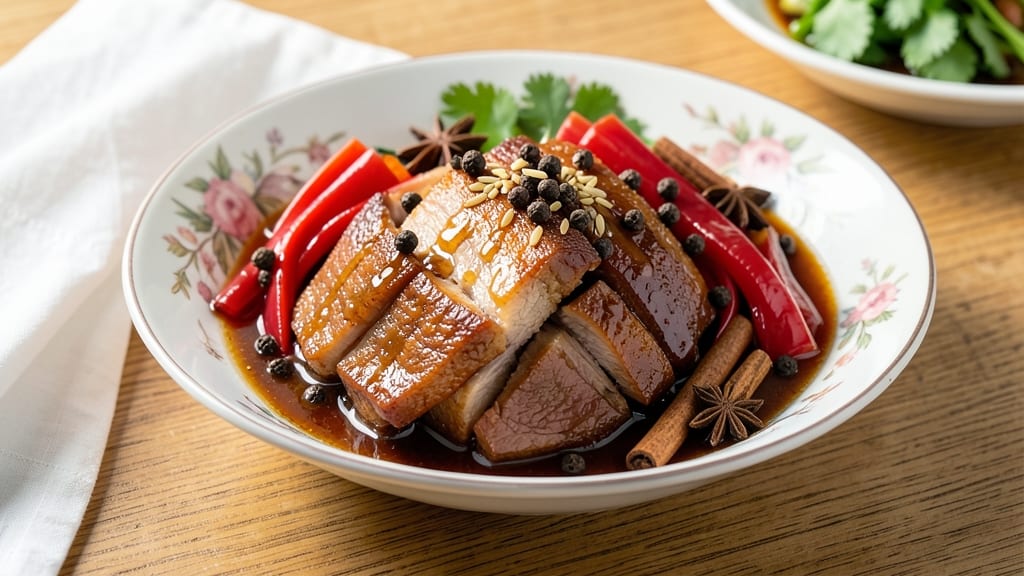
This Chinese ham choy and pork recipe delivers the deep, aromatic richness of a Cantonese classic in a single pot—where tender pork belly and preserved ham choy meld into a five-spice-infused braise that tastes like a home-cooked feast. 🔥 I first encountered this dish in a dim sum house in Hong Kong, where the chef demonstrated how the preserved vegetable's umami could transform simple pork into something extraordinary.
The secret lies in the slow braising process, which develops layers of caramelized depth while keeping the pork impossibly tender.
The beauty of this recipe is its balance of simplicity and sophistication. You'll start with pork belly cut into thick slices, seared to render its fat before being braised with star anise, cinnamon, and Sichuan peppercorns—the aromatic spices that define Chinese five-spice blend.
Ham choy, with its salty-sweet tang, becomes the star as it softens and absorbs the pork's juices, creating a sauce thick enough to coat every bite. The result is a dish that's hearty enough for a family dinner but elegant enough for company.
What makes this recipe truly special is how it transforms humble ingredients into something restaurant-worthy. The pork emerges fork-tender with a crisp exterior, while the ham choy melts into the sauce, creating a glossy, flavorful coating that clings to each piece.
The aroma alone—warm spices mingling with the pork's natural richness—will have everyone gathering at the table. Serve it over steamed rice to soak up every last drop of that fragrant braising liquid.
This is the kind of dish that improves with time, as the flavors deepen and meld. The first bite delivers that perfect balance of sweet, salty, and spicy, with the pork's natural richness complemented by the preserved vegetable's complexity.
It's a recipe that honors tradition while being approachable for home cooks—no fancy techniques required, just patience and attention to detail. Let's get cooking.
Ingredients for chinese ham choy and pork
Pork belly, preserved ham choy, and aromatic spices create a Cantonese masterpiece in one pot.
| Ingredient | Amount | Notes |
|---|---|---|
| Pork Belly 🥩 | 1 ½ lb | Thick slices, skin removed |
| Preserved Ham Choy 🥬 | 1 package | About 10 oz, rinsed well |
| Star Anise 🌿 | 2 whole | For deep aromatic flavor |
| Cinnamon Sticks 🌿 | 2 whole | Broken into 1-inch pieces |
| Sichuan Peppercorns 🌶️ | 1 tsp | Lightly toasted first |
| Dried Fennel Seeds 🌿 | 1 tsp | Toasted for warmth |
| Cloves 🌿 | 4 whole | For subtle sweetness |
| Rock Sugar 🍯 | 2 tbsp | Or light brown sugar |
| Light Soy Sauce 🥄 | ½ cup | Kikkoman preferred |
| Shaoxing Wine 🍷 | ¼ cup | Substitute dry sherry |
| Sesame Oil 🫒 | 1 tbsp | For finishing aroma |
| Vegetable Oil 🫒 | 2 tbsp | High smoke point |
| Garlic Cloves 🧄 | 4 cloves | Minced for base |
| Fresh Ginger 🧅 | 1 inch | Julienned, peeled |
| White Peppercorns 🌶️ | ½ tsp | Freshly cracked |
The pork belly is the foundation—look for thick slices with good marbling from Whole Foods or your local Asian market. Costco often carries pre-sliced pork belly, but if buying whole, ask for the thickest cut. Ham choy varies in saltiness, so rinse it thoroughly before using. The star anise, cinnamon, and Sichuan peppercorns should be whole and aromatic—Penzeysn or bulk bins at H Mart are reliable sources. Toast the whole spices lightly in a dry pan before adding to the braise to unlock their flavors. For the ginger, use fresh—it makes all the difference in that bright, citrusy aroma that cuts through the richness.
No Shaoxing wine? Dry sherry or even a bold red wine works in a pinch, but Shaoxing's unique profile is worth tracking down at specialty stores. The rock sugar adds just enough sweetness to balance the saltiness—if you can't find it, light brown sugar is a perfect substitute. For the soy sauce, Kikkoman is standard, but any light soy will do. If you're missing any of the five-spice components, adjust with what you have: more cinnamon for warmth, extra Sichuan peppercorns for heat. The garlic and ginger can be prepped ahead—they'll keep in the fridge for 5 days once minced, wrapped tightly in plastic.
This braise tastes even better the next day, as the flavors meld and deepen. Store leftovers in an airtight container in the fridge for up to 5 days, or freeze for 3 months in portions. The sauce thickens as it cools, so a splash of water or broth can loosen it before reheating. For serving, I like to spoon the pork and ham choy over steamed jasmine rice—Lotus Foods brand is my go-to—so every bite soaks up that fragrant braising liquid. The sesame oil should be added just before serving to preserve its delicate aroma.
Why You'll Love This Recipe
- One-Pot Magic: I swear by this recipe when I’m too tired to wash extra bowls—just sear the pork belly, toss in the ham choy and spices, then let it simmer. The rich pork fat renders right into the pan, making everything taste like it’s been braising for hours.
- Umami Bomb: That preserved ham choy? It’s the star—salty, funky, and packed with deep flavor that cuts through the pork’s richness. Add the star anise and cinnamon sticks early, and you’ll get this warm, aromatic depth that’s ridiculously satisfying.
- Lunchbox Hero: Between us, this dish is my go-to for meal prep. The pork stays tender when reheated, and the sauce thickens just enough to cling to rice or noodles. Pack it in containers, and you’ve got a week’s worth of lunches that taste homemade.
- Budget Stretch: Pork belly might sound fancy, but it’s cheaper than you think—and it gives so much flavor. A single slab feeds four, and the leftover slices reheat perfectly for sandwiches or fried rice. Honestly, it’s one of those recipes where the cost per serving feels like a steal.
Step-by-step instructions for Chinese ham choy and pork belly
This one-pot braise delivers deep, aromatic flavors through precise layering of spices and techniques.
🔥 Step 1: Sear the Pork Belly for Rich Flavor Foundation
Cut the 1.5 lb pork belly into ½-inch thick slices (skin removed) and pat dry with paper towels. Heat 2 tbsp vegetable oil in a 5-quart Dutch oven over medium-high heat until shimmering. Arrange the pork belly slices in a single layer, skin-side down, and sear undisturbed for 3-4 minutes until deep golden brown. Flip and sear the other side for another 3-4 minutes. The pork should release easily when ready—don't rush this step.
Remove the pork and set aside. You want maximum surface area contact with the hot oil to develop that caramelized crust that forms the flavor base. If the oil starts smoking excessively, reduce heat slightly but maintain control—you're building layers of flavor here, not burning them.
👨🍳 Step 2: Toast Spices and Build the Aromatic Base
In the same Dutch oven (no need to wipe), add 2 tbsp vegetable oil if needed. Add the 4 cloves garlic cloves and 1 inch fresh ginger (julienned) and stir for 30 seconds until fragrant. Immediately add the 1 tsp toasted Sichuan peppercorns, 1 tsp toasted dried fennel seeds, 2 whole cinnamon sticks (broken), and 2 whole star anise. Stir constantly for 1 minute until spices sizzle and release their oils—this is where the magic happens.
Pour in the 0.25 cup Shaoxing wine and scrape up all the browned bits from the bottom (this is called fond in French cuisine, and it's packed with flavor). Let it simmer for 2 minutes until the alcohol smell dissipates. Here's the thing—these spices need time to bloom properly, so don't skip this step. The wine will help dissolve the spices' essential oils, creating that complex aromatic profile.
🥘 Step 3: Braise with Soy and Sugar for Perfect Balance
Return the seared pork belly to the pot. Add the 1 package preserved ham choy (rinsed), 0.5 cup light soy sauce, and 2 tbsp rock sugar. Stir gently to combine, then add 2 cups water (enough to come about ¾ of the way up the pork). Bring to a gentle simmer over medium-low heat, then reduce to low heat and cover with a lid.
Simmer for 1 hour 15 minutes until the pork is fork-tender and the sauce has thickened slightly. Here's your visual cue: the pork should pull apart easily when pierced with a fork, and the sauce should coat the back of a spoon. If the sauce reduces too quickly, add ¼ cup hot water to maintain moisture. The sugar helps balance the saltiness while caramelizing slightly for depth of flavor.
🔥 Step 4: Finish with Sesame Oil for Aromatic Perfection
Uncover the pot and increase heat to medium-high. Let the sauce reduce by half (about 5-7 minutes) until it's syrupy and glossy. Stir in the 1 tbsp sesame oil and 0.5 tsp freshly cracked white peppercorns. Taste and adjust seasoning—you might need a touch more soy sauce if it's not salty enough, or a pinch more sugar if it's too acidic.
The sesame oil adds that final aromatic punch that makes this dish truly sing. Let it cook for another 2 minutes to fully incorporate. The sauce should now coat the pork beautifully, with a glossy sheen that indicates proper reduction. Here's where it gets fun—taste as you go and adjust to your preference, but remember: the flavors will meld even more during resting.
⏰ Step 5: Rest and Serve for Maximum Tenderness
Transfer the pork belly and ham choy to a serving platter, reserving the sauce in the pot. Let it rest for 10 minutes before serving—this crucial step allows the juices to redistribute throughout the meat, ensuring each bite is moist and flavorful. Spoon the reduced sauce over the top and garnish with extra cracked white peppercorns for visual appeal.
Serve with steamed jasmine rice to soak up that rich, aromatic sauce. The pork should be tender enough to pull apart with chopsticks, with a crispy exterior from the initial searing and a melt-in-your-mouth interior. Each bite should deliver a perfect balance of salty, sweet, spicy, and umami flavors that characterize this classic Chinese braise.
Pro Tips For Making Chinese Ham Choy And Pork
- CRACK THE HAM CHOY FIRST: Soak preserved ham choy in warm water for 15 minutes before using—it softens the texture and cuts through that salty, funky bite. I used to skip this and ended up with chewy, unyielding slices that ruined the dish’s harmony.
- SEAR THE PORK BELLY IN BATCHES: High heat, but don’t crowd the pan. Work in 2-inch-thick slices, letting each side develop a deep mahogany crust before adding more. I learned this the hard way—overcrowding steams the meat instead of browning it, and you’ll end up with soggy pork instead of caramelized perfection.
- STAR ANISE AND CINNAMON: CRUSH GENTLY: Lightly crush the star anise and cinnamon sticks with the side of your knife before adding them to the pot. This releases their oils without turning the broth bitter—just enough to perfume the dish without overpowering the pork and ham choy.
- USE THE PORK BELLY FAT AS A SAUCE: After the pork belly renders its fat, don’t pour it off. Deglaze the pan with a splash of water or Shaoxing wine, scraping up the browned bits—this turns into a glossy, flavor-packed sauce that coats the ham choy and ties everything together. (Yes, even if it looks like a mess at first.)
Wine and beer pairings for this chinese ham choy and pork
Red Wine Pairings
For this rich, aromatic braise, I reach for a dry Chinese red wine like Gewürztraminer from Yunnan province—its lychee and floral notes complement the pork's natural sweetness while standing up to the five-spice complexity.
If you can't find Chinese wine, a Pinot Noir from Oregon or Burgundy works beautifully, with its earthy undertones and bright acidity cutting through the dish's richness. 🍷
Fortified Wine Options
The Shaoxing wine already in the recipe suggests pairing with another fortified wine like Madeira or Port. A Tawny Port with its caramel and nutty notes mirrors the braised pork's depth, while a dry Madeira adds citrus brightness that refreshes the palate between bites.
Both wines share the same alcohol content as Shaoxing, creating natural harmony.
Beer Complements
A Chinese pale ale like Snows Beer from Harbin brings malty sweetness that echoes the pork's caramelized crust, while its light bitterness balances the dish's saltiness. For Western options, try a Belgian Dubbel—its dark fruit and spice notes complement the five-spice blend without overpowering.
Avoid heavy stouts or IPAs, which would clash with the delicate ham choy flavors. 🍺
Non-Alcoholic Pairings
For non-drinkers, a jasmine tea infused with orange peel enhances the dish's floral and citrus notes. Alternatively, a ginger beer with its spicy kick mirrors the Sichuan peppercorns in the recipe. Both options cleanse the palate beautifully between bites while complementing the pork's umami richness.
Serving Temperature
Serve all beverages at room temperature—this allows their aromas to fully develop alongside the dish. I always decant red wines for 30 minutes before serving to open their flavors, creating a perfect symphony with the braised pork's caramelized depth.
The same principle applies to beers: serve them slightly chilled but not ice-cold to preserve their nuanced flavors. ❄️
Nutrition facts
Frequently asked questions
What's the best cut of pork for this recipe?
Pork belly is ideal for its rich fat content and tender texture, but you can also use pork shoulder or pork butt cut into ½-inch slices. The fat helps create a flavorful braising liquid, so avoid lean cuts like tenderloin. If using pork shoulder, increase braising time by 15-20 minutes to ensure tenderness.
Can I substitute ham choy with another preserved vegetable?
Yes! Bok choy or Chinese cabbage work in a pinch, but they lack ham choy's salty-sweet depth. For authenticity, use preserved mustard greens (ya cai) or preserved radish—both add similar umami. Just rinse thoroughly to remove excess salt before using.
Why does my pork turn out tough instead of tender?
Overcooking is the most common cause. Remove pork when it reaches 195°F internal temp (it'll continue cooking while resting). Also check your heat level—braising should be at a gentle simmer, not a rolling boil. If using a Dutch oven, ensure it's large enough to prevent overcrowding.
How can I make this dish spicier?
Add ½ tsp chili flakes or 1 tbsp chili paste (like Doubanjiang) during the final reduction. For heat with depth, toast extra Sichuan peppercorns and add them with the other spices. Remember: these spices need time to bloom, so add them early in the process.
Can I make this recipe in an Instant Pot?
Yes! Sear the pork first, then add all ingredients except sesame oil. Cook on high pressure for 25 minutes, then natural release for 10 minutes. Finish by reducing the sauce on the stove and adding sesame oil. The pressure cooking time is shorter, but the pork will still need resting time for juices to redistribute.