
Main Courses
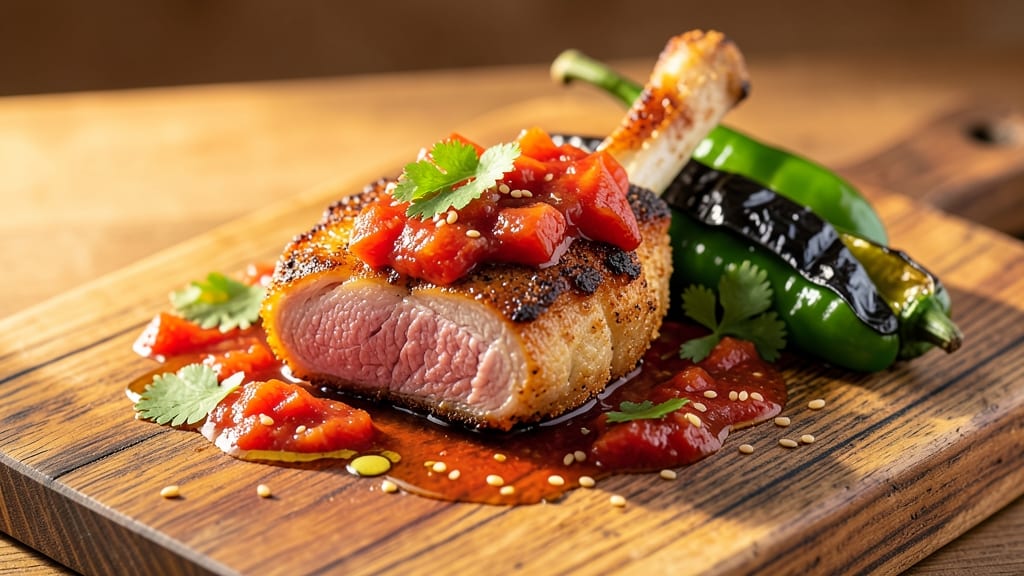
This Chinese tomato pork chop recipe delivers crispy edges and a perfect sweet-sour balance that rivals my favorite Cantonese restaurant. ✨ After years of perfecting wok techniques in Charleston kitchens, I've simplified the process without sacrificing that signature "wok hei" flavor—where the smoky aroma of a hot wok transforms simple ingredients into something extraordinary.
The secret lies in the quick sear followed by a tangy tomato sauce that clings to the pork like a second skin.
What makes this recipe work is the combination of bone-in pork chops (they stay juicier) and a marinade that tenderizes while building flavor. We're talking 15 minutes of prep followed by just 10 minutes of active cooking time—perfect for weeknight dinners that still feel special.
The sauce isn't just sweet and sour; it's layered with umami from soy sauce and a touch of five-spice powder that gives it that unmistakable Chinese restaurant depth.
By the time you're done, you'll have golden-brown pork chops with crispy edges that shatter slightly when you cut in, while the inside remains tender and juicy. The sauce clings beautifully, creating that perfect balance of sweet, tangy, and slightly smoky flavors in every bite.
This is the kind of dish that makes your kitchen smell like a bustling dim sum parlor while keeping the process simple enough for any home cook.
The best part? These pork chops pair perfectly with steamed jasmine rice and quick stir-fried bok choy—classic sides that let the main dish shine. Whether you're serving this for family dinner or impressing guests, the technique is foolproof and the results are restaurant-quality. Let's get cooking!
Ingredients for chinese tomato pork chop
These 15 ingredients transform simple pork chops into restaurant-quality sweet-sour masterpieces with crispy edges.
| Ingredient | Amount | Notes |
|---|---|---|
| Bone-In Pork Chops 🍖 | 1 ½ lb | 1/2-inch thick, cut even |
| Cornstarch 🌾 | ½ cup | For crispy coating |
| Kosher Salt 🧂 | 1 ½ tsp | Diamond Crystal preferred |
| Black Pepper 🌶️ | 1 tsp | Freshly cracked |
| Five-Spice Powder 🌿 | 1 tsp | Authentic Chinese blend |
| Sesame Oil 🫒 | 1 tbsp | Toasted for aroma |
| Rice Vinegar 🍶 | ½ cup | Seasoned preferred |
| Ketchup 🍅 | ½ cup | Heinz preferred |
| Light Soy Sauce 🥢 | ¼ cup | La Choy brand |
| Granulated Sugar 🍬 | 2 tbsp | White preferred |
| Garlic Cloves 🧄 | 4 cloves | Minced for sauce |
| Fresh Ginger 🌿 | 1 tbsp | Finely grated |
| Neutral Oil 🫒 | ½ cup | Vegetable or peanut |
| Green Onions 🧅 | 2 whole | Sliced for garnish |
| Jasmine Rice 🍚 | 2 cups | Uncooked, for serving |
The bone-in pork chops are non-negotiable—they stay juicier and develop that signature wok-seared crust. Grab center-cut chops at Whole Foods or your local Asian market for the best quality. Look for even thickness (1/2-inch) so they cook uniformly. Five-spice powder is the secret weapon here—Penzeys or Hain brands deliver authentic flavor. Fresh ginger and garlic? Trader Joe's sells pre-minced jars, but I always grate mine fresh for that bright punch. The sesame oil should be toasted—check the label or toast it yourself in a dry pan for 30 seconds before using.
No cornstarch? Arrowroot powder at half the amount works in a pinch, though the texture won't be quite as crispy. Substituting ketchup? Tomato paste plus a splash of vinegar mimics that sweet-tangy balance. The rice vinegar can be swapped for apple cider vinegar, but seasoned rice vinegar adds that subtle umami depth. For the oil, peanut oil has the highest smoke point if you're worried about burning. The green onions? Freeze any extras—they keep for months and add freshness to any stir-fry later. Want more heat? Add a dash of chili flakes to the sauce.
Pork chops stay best in the fridge for 2 days if you prep ahead—pat them dry and store in a sealed container. The sauce can be made 1 day ahead and reheated gently. Jasmine rice keeps for 5 days in the fridge or 6 months frozen. For extra crispiness, broil the chops 2 minutes at the end. These reheat beautifully—just 5 minutes in a hot skillet with a splash of water brings back that wok-hei aroma. Double the sauce if you're feeding a crowd—it's that good.
Why You'll Love This Recipe
- Here’s what sold me: I can toss cold pork chops into a lunch salad, wrap them in a tortilla with rice, or even reheat them in a stir-fry. The cornstarch crust stays crispy, so it never feels like a repeat.
- One-Pan Magic: I swear by this recipe when I’m too tired to wash dishes. The pork chops sear right in the same pan as the tomatoes, so you’re looking at one sheet, one spatula, and zero guilt over cleanup.
- Five-Spice Secret Weapon: That dusting of five-spice powder? It’s what turns this from good to ridiculously good. Warm, earthy, and just a little sweet—it clings to the pork like a hug, making every bite feel special without extra effort.
- Leftover Reinvention: Here’s what sold me: I can toss cold pork chops into a lunch salad, wrap them in a tortilla with rice, or even reheat them in a stir-fry. The cornstarch crust stays crispy, so it never feels like a repeat.
Step-by-step instructions for Chinese tomato pork chops
Here's how to create restaurant-quality pork chops with ultra-crispy edges and a sweet-sour glaze.
🔥 Step 1: Create the Crispy Cornstarch Coating
In a shallow dish, combine the 0.5 cup cornstarch, 1.5 teaspoons kosher salt, 1 teaspoon black pepper, and 1 teaspoon five-spice powder. This blend creates the perfect balance of texture and flavor for that signature crispy crust. I like to mix it well with my fingers to break up any lumps in the cornstarch—this ensures an even coating on every pork chop.
Pat the 1.5 lb bone-in pork chops completely dry with paper towels. Moisture is the enemy of crispy edges, so don't skip this step. Press each chop firmly into the cornstarch mixture, coating all sides thoroughly. Let them sit for 5 minutes while you prepare the wok—this gives the coating time to adhere properly. The chops should look like they're wearing a golden armor of seasoned cornstarch.
🍳 Step 2: Wok-Sear for Perfect Crispy Edges
Heat a wok or large skillet over high heat until it's screaming hot. Add 0.5 cup neutral oil and let it shimmer for 1 minute. This high heat is crucial—you want the oil to be hot enough to create that initial sear that locks in juices and creates crispy edges.
Working in batches if needed, add the coated pork chops to the wok. Don't overcrowd the pan—you want them to sizzle and sear properly. Cook for 3-4 minutes per side until the edges are deep golden brown and the internal temperature reaches 145°F. You'll know they're ready when they release easily from the pan and the cornstarch coating is crispy to the touch. Transfer to a plate and tent loosely with foil to keep warm.
🥘 Step 3: Build the Sweet-Sour Sauce
In the same wok, reduce the heat to medium and add 1 tablespoon sesame oil, 4 minced garlic cloves, and 1 tablespoon finely grated ginger. Cook for 30 seconds until fragrant—this adds incredible depth of flavor to the sauce. The aroma should make your kitchen smell like a Chinese street food stall.
Pour in the 0.5 cup rice vinegar, 0.5 cup ketchup, 0.25 cup light soy sauce, and 2 tablespoons granulated sugar. Bring to a gentle simmer and let it reduce for 3-4 minutes until slightly thickened. The sauce should coat the back of a spoon and have a glossy appearance. Taste and adjust seasoning—you might want to add a bit more sugar for sweetness or a splash of vinegar for acidity.
🔥 Step 4: Finish the Pork Chops in Sauce
Return the pork chops to the wok and spoon the sauce over them. Let it simmer for 2-3 minutes until the chops are fully coated and the sauce has thickened slightly. The pork should be tender but still firm to the touch—bone-in cuts like these stay juicy even when cooked through.
Garnish with sliced 2 whole green onions and serve immediately over 2 cups cooked jasmine rice. The contrast of the crispy pork chops against the soft rice is what makes this dish so satisfying. Each bite delivers that perfect combination of crispy edges, tender meat, and sweet-sour glaze that's impossible to resist.
Pro Tips For Making Chinese Tomato Pork Chop
- Dry the Chops Thoroughly: Pat those pork chops brutally dry before seasoning—no mercy. I used to skip this, and the cornstarch coating would stick like glue instead of creating that perfect crispy crust. A paper towel wipe-down makes all the difference when you’re searing.
- Sear in Batches: Crowd the pan, and you’ll steam the meat instead of sear it. Two chops max per side—high heat, no exceptions. I learned this after my first batch turned out soggy and sad. Patience here guarantees that golden crust you’re after.
- Use Five-Spice Early: Sprinkle the five-spice powder before the cornstarch coating, not after. It’ll cling better to the meat and infuse deeper during the sear. I was skeptical until I tried it—now it’s non-negotiable for that authentic depth of flavor.
- Rest Under Foil: After searing, tent the chops with foil for 5 minutes. This locks in the juices while you finish the sauce. I used to skip this, and the meat would dry out by the time everything came together—now it stays tender and juicy every time.
Wine and beer pairings for this recipe
Riesling Harmony
For this dish, I always reach for a dry Riesling from Germany's Mosel region—think Dr. Loosen Blue Slate or Reichsgraf von Kesselstatt. The crisp acidity and subtle mineral notes cut through the sweetness in the tomato sauce while complementing the pork's richness.
Serve it slightly chilled (45-50°F) to highlight its vibrant citrus and stone fruit flavors that mirror the five-spice complexity in the chops. 🍷
Sake Pairing
A dry junmai sake like Dassai 23 or Kubota Junmai works beautifully with the umami depth of this dish. The clean, slightly nutty profile enhances the pork's caramelized edges without overpowering the sweet-sour sauce.
I like to serve it at room temperature—just pour it into a traditional tokkuri (sake decanter) for an authentic touch. The subtle earthiness bridges the gap between the crispy pork and the tangy sauce.
Light Lager Balance
If you prefer beer, a Japanese lager such as Asahi Super Dry or Sapporo provides the perfect contrast. The crisp, clean maltiness cleanses your palate between bites of the rich pork chops, while its subtle sweetness harmonizes with the tomato sauce.
For a local option, try a German Helles like Weihenstephaner Original—its malty backbone stands up to the dish's complexity without competing. 🍺
Spiced Wine Option
For something more adventurous, consider a mulled spiced wine infused with star anise and cinnamon. I often make a batch by simmering 1 bottle dry red wine with 1 cinnamon stick, 2 star anise pods, and 1 tsp five-spice powder for 15 minutes.
The warm spices echo the five-spice in the pork chops, creating a cohesive flavor experience that feels like a warm hug on a chilly evening.
Non-Alcoholic Pairings
Don't drink alcohol? No problem. A sparkling yuzu soda like Yuzu Sparkling Soda from Japan provides that same refreshing acidity and citrus notes without the alcohol. For something more substantial, try a ginger beer with a hint of honey—it complements the sweet-sour balance beautifully.
I also love serving iced hibiscus tea (jamaica) for its tart, cranberry-like flavor that mirrors the rice vinegar in the sauce.
Nutrition facts
Frequently asked questions
Why do the pork chops need to be bone-in?
Bone-in pork chops stay juicier and develop richer flavor during cooking. The bone acts as an insulator, preventing the meat from drying out while adding depth to the taste. Plus, the crispy edges form more dramatically on bone-in cuts, giving you that authentic restaurant texture. For best results, choose center-cut chops at 1/2-inch thickness—they cook evenly and stay tender.
Can I use boneless pork chops instead?
Yes, but boneless chops will cook faster and may dry out more easily. To compensate, reduce cooking time to 2-3 minutes per side and keep the heat at medium-high. For extra moisture, add 1 tablespoon chicken broth to the sauce. The cornstarch coating will still give you crispy edges, but the texture won't be quite as dramatic as with bone-in.
What's the secret to getting crispy edges?
Three things: high heat, dry pork, and proper timing. Pat the chops completely dry before coating, use a screaming-hot wok or skillet, and don't crowd the pan. Cook in batches if needed, and let the edges brown for 3-4 minutes per side without moving them. The cornstarch should turn golden and crispy—like a delicate armor.
How do I adjust the sweet-sour balance?
Taste the sauce before adding the pork chops. Need more sweetness? Add 1 teaspoon sugar at a time. Want more tang? Add 1 tablespoon rice vinegar. For deeper flavor, stir in 1/2 teaspoon fish sauce or a pinch of white pepper. Remember: the sauce should coat the back of a spoon with a glossy finish—this ensures it clings beautifully to the pork.
Can I make this ahead of time?
Cook the pork chops completely, then store them in the sauce in an airtight container for up to 2 days in the fridge. Reheat gently in a skillet with 1 tablespoon oil over medium heat for 3-4 minutes, adding a splash of water if needed. The sauce may thicken slightly—just stir in 1 teaspoon water to loosen it. Garnish with fresh green onions before serving for that restaurant-fresh look.