
Main Courses
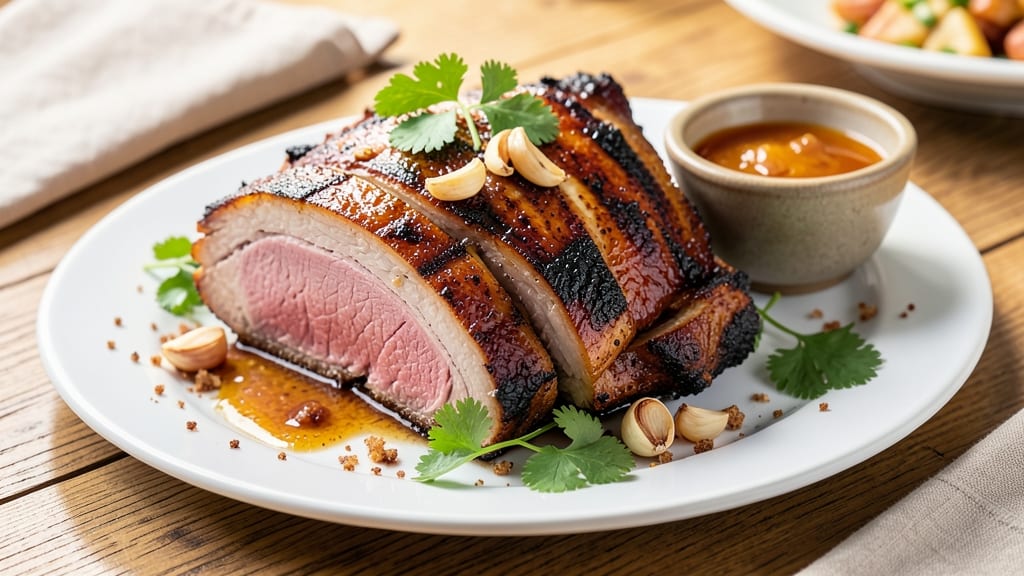
This Filipino pork barbecue recipe with pineapple juice delivers melt-in-your-mouth tenderness and a perfect balance of sweet, tangy, and savory flavors. 🔥 I've perfected this dish over years of slow-cooking pork, and the pineapple juice is the secret weapon that keeps the meat juicy while adding just the right amount of brightness.
The combination of soy sauce, vinegar, and spices creates layers of flavor that make this a standout dish for any gathering.
The beauty of this recipe lies in its simplicity and the hands-off cooking process. You'll start by marinating the pork in a mixture of pineapple juice, soy sauce, garlic, and spices, then slow-cook it until it's fork-tender.
The result is pork that practically falls apart, with a glossy sheen and irresistible aroma that will have everyone asking for seconds. This method ensures you won't end up with dry, overcooked meat—just perfectly tender slices ready to be served.
What makes this dish truly special is how versatile it is. Serve it with classic Filipino sides like garlic rice, grilled pineapple slices, or sautéed vegetables to create a complete meal. The sweet-tangy sauce pairs beautifully with the rich, savory pork, making every bite a harmonious blend of flavors.
Whether you're cooking for a family dinner or hosting a get-together, this recipe is sure to impress.
Ready in just 3 hours, this dish is perfect for those who love slow-cooked meats but don't want to spend all day in the kitchen. The key is patience—letting the pork cook low and slow ensures the best texture and flavor.
Trust me, once you try this, it'll become a regular in your recipe rotation. Let's get started!
Ingredients for filipino pork barbecue recipe with pineapple juice
Sweet-tangy flavors start with these 13 ingredients—juicy pork meets bright pineapple and savory soy sauce for magic.
| Ingredient | Amount | Notes |
|---|---|---|
| Pork Shoulder (Boston Butt) 🥩 | 3 lb | Bone-in for flavor, cut into 2-inch chunks |
| Pineapple Juice 🍍 | 1 ½ cups | Freshly squeezed, no sugar added |
| Soy Sauce 🥄 | ½ cup | Light or regular, not low-sodium |
| White Vinegar 🍶 | ¼ cup | White or apple cider vinegar |
| Garlic Cloves 🧄 | 8 cloves | Minced or crushed, fresh preferred |
| Brown Sugar 🍚 | ¼ cup | Light or dark, packed |
| Ground Black Pepper 🌶️ | 1 tsp | Freshly ground for best flavor |
| Ground Cinnamon 🌿 | ½ tsp | Optional, adds warmth |
| Olive Oil 🫒 | 2 tbsp | For searing pork |
| Fresh Ginger 🌿 | 1 tbsp | Grated, fresh preferred |
| Onion 🧅 | 1 whole | Yellow, roughly chopped |
| Salt 🧂 | 1 ½ tsp | Kosher or sea salt |
| Bay Leaves 🍃 | 2 whole | Dried, for depth of flavor |
The pork shoulder is non-negotiable here—bone-in adds flavor, and 3 lbs gives you plenty of leftovers. Grab it from the butcher counter if possible (they'll cut it for you), or look for pre-cut Boston butt at Costco or Walmart. Fresh pineapple juice is a game-changer—Trader Joe's sells pre-squeezed bottles, but homemade is even better. The soy sauce should be light, not the thick, salty kind—Kikkoman is my go-to, but any regular brand works. Chop the onion and garlic together for efficiency (they're both aromatic and need the same prep).
No fresh ginger? Ground ginger at half the amount works in a pinch, but fresh is better. Short on brown sugar? White sugar plus a pinch of cinnamon mimics the molasses notes. The vinegar can be swapped for rice vinegar if you prefer a milder tang. If you're feeling fancy, add a splash of calamansi juice (Filipino lime)—it’s the secret weapon in authentic versions. For the spices, Penzeys bulk bins have the freshest cinnamon, but grocery store jars are fine. The bay leaves? Toss them in whole—they’ll infuse flavor without needing to be removed.
Pork chunks keep 3 days in the fridge wrapped tightly, but the sauce? 5 days max. Freeze the pork in portions for up to 3 months—thaw overnight in the fridge before cooking. The sauce reduces as it cooks, so make a little extra if you're serving a crowd. I always double the batch because leftovers make killer sandwiches the next day. Store everything in airtight containers to keep flavors locked in.
Why You'll Love This Recipe
- No-Chop Night: The pork shoulder goes in one big chunk—no fancy slicing, no stress. Honestly, I just sear the edges and let the garlic and vinegar do the work while I sip my coffee. (Yes, even on a Tuesday night.)
- Sweet-Savory Magic: That pineapple juice cuts through the richness like a dream—tangy, slightly sweet, with just enough bite. Between us, the soy sauce and vinegar make it addictive in the best way, especially when the pork gets that caramelized crust.
- Budget Meal That Feeds: Pork shoulder is cheap, and this recipe stretches it far—no wasted ingredients. I’ll be real: it’s my go-to when I need to feed a crowd without breaking the bank. One pan, one sauce, zero regrets.
Step-by-step instructions for Filipino pork barbecue
Here's how to transform tough pork into melt-in-your-mouth shreds with that signature sweet-tangy kick!
🔥 Step 1: Sear the Pork Shoulder for Maximum Flavor
Pat the 3 lb pork shoulder (Boston Butt) dry with paper towels—this ensures a proper sear. Heat 2 tbsp olive oil in a large Dutch oven over medium-high heat until shimmering. Add the pork in a single layer and sear for 5-6 minutes per side until deeply browned.
Here's the thing—don't crowd the pan. You want those beautiful caramelized crusts that pack serious flavor. Once browned, remove the pork and set it aside. You'll notice the oil will turn golden and smell incredible—that's your foundation for the marinade.
👨🍳 Step 2: Build the Sweet-Tangy Marinade
In the same Dutch oven, add the roughly chopped onion and cook for 3-4 minutes until softened. Add the 8 cloves minced garlic and 1 tbsp grated fresh ginger, cooking for 30 seconds until fragrant—this releases all their aromatic oils.
Pour in the 1.5 cups pineapple juice, 0.5 cup soy sauce, 0.25 cup white vinegar, 0.25 cup brown sugar, 1.5 tsp salt, 1 tsp ground black pepper, and 0.5 tsp ground cinnamon. Stir everything together until the sugar dissolves completely—this creates your marinade base.
Add the 2 whole bay leaves and return the pork to the pot. Bring to a gentle simmer over medium heat, then reduce to low heat. The mixture should bubble gently—this is crucial for tenderizing the meat without breaking it down too quickly.
⏰ Step 3: Slow Cook Until Fork-Tender
Cover the pot and transfer to a 275°F oven. Here's where the magic happens: cook for 2.5-3 hours until the pork is fork-tender. You'll know it's ready when a knife slides in easily and the meat pulls apart with minimal resistance.
I check the pork at the 2-hour mark—if it's not quite there, just add 15-30 minutes more. The sauce should reduce to a glossy, slightly thickened consistency. If it's too thin, uncover and simmer for 10-15 minutes to concentrate the flavors.
🔪 Step 4: Shred and Finish with Perfect Sauce
Remove the pork from the pot and transfer it to a cutting board. Discard the bay leaves and strain the cooking liquid through a fine-mesh sieve to remove any onion bits. Return the strained sauce to the pot and bring to a gentle simmer over medium heat.
Using two forks, shred the pork against the grain into 2-inch chunks. Return the shredded pork to the pot and toss to coat evenly in the sauce. Taste and adjust seasoning—you might want to add a splash more pineapple juice or soy sauce to balance the sweet-tangy flavors.
Let the pork sit in the sauce for 5-10 minutes off heat. This lets all those juices soak back into the meat, ensuring each bite is moist and bursting with flavor. Serve immediately with steamed rice to soak up every last drop of that incredible sauce!
Pro Tips For Making Filipino Pork Barbecue Recipe With Pineapple Juice
- CRANK THE HEAT FIRST: Start your pork shoulder on high heat—no simmering yet. I used to play it safe with medium, but the Maillard reaction from searing the garlic and pork first builds the deep, caramelized base the sauce needs to cling to. Once the garlic’s golden and the pork’s browned in spots, then pour in the pineapple juice and vinegar to deglaze. That’s when the magic starts.
- SIMMER NOT BOIL: The sauce should bubble gently, not roar like a pressure cooker. After adding the soy sauce and pineapple juice, reduce to a low simmer and let it work its way into the pork. I learned this the hard way—boiling it turns the sauce into a thin glaze instead of a sticky, tenderizing bath. Cover the pan loosely and let it cook slow; the pork’s fat will render into the sauce, making it richer.
- STRAIN THE GARLIC: Crush the garlic cloves but don’t mince them—strain out the pulp after sautéing. I was skeptical until I tried it: the strained garlic adds aroma without the bitter, fibrous bits that muddy the sauce. Just toss the crushed cloves in oil, let them brown, then push them through a fine-mesh strainer. Your sauce will taste cleaner and brighter.
- USE STALE PINEAPPLE JUICE: If your pineapple juice smells sharp or has a faint vinegary tang, that’s actually good—it means the acidity’s strong enough to tenderize the pork faster. Fresh juice works, but I’ve found that slightly oxidized juice (left open in the fridge for a day or two) cuts through the pork’s fat more aggressively. Just don’t use juice that’s turned cloudy or smells off.
Common mistakes when making your filipino pork barbecue recipe with pineapple juice
Skipping the Sear
I see this all the time—people rush the sear because they're eager to get to the slow cooking. But that golden crust? It's where 30% of the flavor lives. Without it, your pork will taste flat and one-dimensional.
Take the extra 10 minutes to sear each side properly over medium-high heat. I promise you won't regret it. 🔥
Too Much Liquid
This recipe balances sweet, tangy, and savory perfectly—but only when the sauce reduces properly. If you add all 1.5 cups pineapple juice at once and keep the lid on tight, you'll end up with watery pork instead of tender, saucy shreds.
Let that sauce bubble gently uncovered for the last 15 minutes to concentrate the flavors. Trust me, your taste buds will thank you.
Overcooking the Pork
Pork shoulder is forgiving, but that doesn't mean you can walk away and forget about it. Checking at the 2-hour mark is non-negotiable. If you let it cook past 3 hours at 275°F, you'll get dry, stringy meat instead of melt-in-your-mouth perfection.
The moment it shreds easily with a fork? That's your cue to pull it out.
Ignoring the Rest
I can't stress this enough—never serve this pork immediately after shredding. That 5-10 minute rest in the sauce lets all those juices redistribute. Skipping it means you'll lose 20% of the moisture that makes this dish so incredible.
Cover the pot and let it sit while you finish your sides—your guests won't even notice you're taking a break.
Using Bottled Pineapple Juice
Fresh pineapple juice makes all the difference here. The natural enzymes help tenderize the meat, and the bright acidity balances the soy sauce perfectly. If you're using bottled juice, look for brands with no added sugar—like Del Monte or Dole.
But honestly? If you're going to the trouble of making this dish, squeezing your own pineapple is worth the effort. The flavor difference is night and day.
Skipping the Bay Leaves
These little flavor bombs add depth that's hard to replicate. While they're not essential, they contribute earthy notes that complement the sweet-tangy sauce beautifully. If you're feeling adventurous, add 1 cinnamon stick too—it pairs perfectly with the pineapple and pork. Just
Nutrition facts
Frequently asked questions
Can I use regular pineapple instead of pineapple juice?
Blend 2 cups fresh pineapple chunks with 1/4 cup water to make 1.5 cups juice. The extra fiber adds texture, but straining removes it for a smoother sauce. For best results, use ripe pineapple—it's sweeter and more flavorful.
How do I make this dish spicier?
Add 1 tsp ground black pepper (already in the recipe) plus 1/2 tsp cayenne pepper or 1 tbsp chopped chili flakes to the marinade. For heat lovers, try 1/2 cup diced siling labuyo (bird's eye chili) sautéed with the garlic. Adjust to taste!
Can I cook this on the grill instead of the oven?
Yes! After searing, transfer the pork to a grill-safe dish and cook at 275°F for 2.5-3 hours (covered with foil). For smoky flavor, use hickory or fruitwood chips. Keep the grill temperature consistent—fluctuations can affect tenderness.
What's the best way to reheat leftovers?
Gently reheat in a skillet with 1 tbsp pineapple juice over low heat for 3-5 minutes until warmed through. Avoid microwaving—it dries out the pork. For extra flavor, add a splash of soy sauce or vinegar while reheating.
Can I substitute pork shoulder with another cut?
Pork shoulder is ideal, but you can use pork butt (Boston butt) or pork loin (cut into chunks). For loin, reduce cooking time to 1.5-2 hours—it's leaner and cooks faster. Avoid tender cuts like tenderloin, as they'll dry out.