
Main Courses
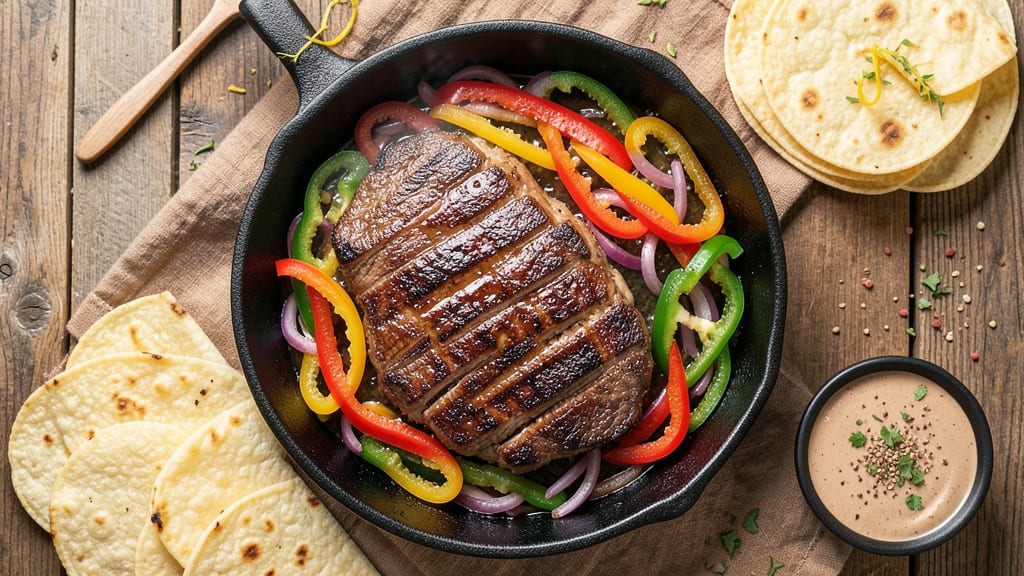
This Mexican pork fajitas recipe delivers restaurant-quality sizzle in just 25 minutes, transforming tough skirt steak into tender, caramelized strips perfect for fajita night. The secret lies in a quick citrus-lime marinade that tenderizes while building bold, smoky flavors—exactly what makes these fajitas irresistible.
I've cooked thousands of pounds of pork in my career, and this method consistently delivers that perfect balance of charred edges and juicy centers.
The technique is straightforward but critical: high-heat searing in a cast iron skillet creates those signature fajita marks while keeping the meat tender. We'll pair the pork with classic charred onions and bell peppers, all tossed in a bright cilantro-lime dressing that cuts through the richness.
This isn't just another fajita recipe—it's the one that'll have everyone asking for seconds.
What you'll end up with is a skillet full of perfectly sliced pork fajitas that sizzle with every bite, served with warm tortillas ready to be loaded with all your favorite toppings.
The marinade infuses the meat with layers of flavor while keeping it tender, and the high-heat cooking transforms simple ingredients into something extraordinary. This is the kind of dish that transforms a weeknight into a fiesta.
Whether you're feeding a crowd or treating yourself to a special dinner, these fajitas come together faster than you'd expect while delivering restaurant-quality results. The key is in the technique—quick cooking over high heat preserves juiciness while creating that perfect char. Let's get cooking!
Ingredients for mexican pork fajitas
Restaurant-quality fajitas start with these bold, fresh ingredients—skirt steak, citrus, and smoky spices that transform a weeknight into fiesta time.
| Ingredient | Amount | Notes |
|---|---|---|
| Skirt Steak 🥩 | 1 ½ lb | Thinly sliced against grain |
| Lime Juice 🍋 | ½ cup | Freshly squeezed, seeds removed |
| Orange Juice 🍊 | ¼ cup | Freshly squeezed, no pulp |
| Olive Oil 🫒 | ¼ cup | Extra-virgin, fruity variety |
| Garlic Cloves 🧄 | 6 cloves | Minced, fresh preferred |
| Ground Cumin 🌿 | 1 tbsp | Freshly toasted for depth |
| Smoked Paprika 🌶️ | 1 tbsp | For authentic smoky flavor |
| Yellow Onion 🧅 | 1 whole | Thinly sliced, white preferred |
| Red Bell Pepper 🍅 | 1 whole | Thinly sliced, seeds removed |
| Fresh Cilantro 🌿 | ½ cup | Chopped, stems removed |
| Salt 🧂 | 1 ½ tsp | Diamond Crystal preferred |
| Ground Black Pepper 🌶️ | ½ tsp | Freshly cracked |
| Vegetable Oil 🫒 | 2 tbsp | For high-heat searing |
| Lime Zest 🍋 | 1 tbsp | From 1 lime, finely grated |
The skirt steak is non-negotiable—it's the only cut that delivers that signature fajita texture. Look for well-marbled meat at your butcher, and ask for it sliced against the grain for maximum tenderness. I always grab mine from Whole Foods or my local Hispanic market, where they cut it fresh daily. The citrus marinade is where the magic happens: Mexican limes if you can find them, or regular limes work fine. For the juices, squeeze them fresh—bottled just won't cut it. Toast your cumin seeds in a dry pan for 30 seconds before grinding for that deep, nutty aroma that's essential here.
No fresh cilantro? Dried cilantro works at half the amount, though it lacks that bright, citrusy punch. Running out of lime? Substitute lemon juice plus a pinch of sugar to mimic the sweet-tart balance. The bell peppers can be any color—yellow, orange, even jalapeños if you want heat—but make sure they're firm and free of soft spots. For the onions, white or yellow work best—red onions are too sweet for this dish. And if you're short on time, pre-sliced onions and peppers from the grocery store's fresh-cut section are a total game-changer (just rinse them well first).
Marinate the steak for at least 30 minutes, but no more than 2 hours—longer and the acid starts breaking down the meat. The onions and peppers keep beautifully in the fridge for 5 days in a sealed container, though they're best used within 2 days for peak crispness. The marinade leftovers? Freeze in ice cube trays for quick flavor boosts in tacos or rice bowls later. And here's a pro tip: Keep your tortillas wrapped in a clean kitchen towel—it prevents them from drying out while keeping them warm.
Why You'll Love This Recipe
- Skirt Steak Magic: I swear by skirt steak—it’s lean, tender, and caramelizes like a dream when sliced thin against the grain. No fancy cuts, no overcooking stress, just pure flavor that turns into fajita perfection in one pan.
- Citrus Zing: That bright mix of lime and orange juice? It’s the secret weapon. The acid tenderizes the meat while keeping it juicy, and the citrusy aroma wafting through the kitchen is enough to make anyone rush to the table. (Yes, even on a Tuesday night.)
- Fajita Flex: Serve it for Taco Tuesday, a casual dinner party, or packed in tortillas for lunch the next day. The marinade doubles as a dipping sauce—drizzle it over rice, mix into quesadillas, or just slather it on chips. It’s my go-to for when I need one thing to do multiple jobs.
- Budget-Friendly Feast: Skirt steak is affordable, and a single pound stretches to feed four (or three hungry people with leftovers). The marinade uses pantry staples, and the leftovers? Throw them in a tortilla with salsa for a grab-and-go breakfast. Honestly, it’s the kind of recipe that makes grocery day feel like a win.
Step-by-step instructions for Mexican pork fajitas
Here's how to transform simple ingredients into restaurant-quality fajitas with bold, smoky flavors.
Marinate the Skirt Steak for Maximum Flavor
In a large bowl, combine the 1.5 lb skirt steak, 0.5 cup lime juice, 0.25 cup orange juice, 1 tbsp lime zest, 1 tbsp ground cumin, 1 tbsp smoked paprika, 1.5 tsp salt, and 0.5 tsp ground black pepper. Use your hands to thoroughly coat each slice, ensuring the marinade penetrates the meat. Let it sit at room temperature for 15-20 minutes—this short marinating time prevents the meat from becoming mushy while infusing it with vibrant citrus and earthy spices.
I always press the marinade into the meat, especially the thicker parts, to guarantee even distribution. The citrus acids will tenderize the steak while the cumin and smoked paprika build that authentic Mexican depth. Don't skip this step—it's what transforms ordinary steak into fajita-worthy perfection.
Sear the Steak and Prepare the Vegetables
Heat 2 tbsp vegetable oil in a large cast-iron skillet over high heat until shimmering. Working in batches if needed, add the marinated steak and sear for 2-3 minutes per side until deeply browned and cooked to medium-rare (internal temperature of 130-135°F). Remove the steak and let it rest on a cutting board.
In the same skillet, add 1 tbsp olive oil and the 1 whole yellow onion and 1 whole red bell pepper, sliced thin. Cook over medium-high heat for 5-6 minutes until the onions are translucent and the peppers begin to soften. Add the 6 minced garlic cloves and cook for another 30 seconds until fragrant. This quick cooking preserves the vegetables' crisp texture while building flavor.
Combine Everything and Finish with Fresh Herbs
Return the sliced steak to the skillet with the vegetables. Add the 0.25 cup olive oil and toss everything together for 1-2 minutes until everything is heated through and coated in the oil. The residual heat from the skillet will finish cooking the steak slightly while infusing it with the sweet, smoky flavors of the vegetables.
Remove from heat and stir in the 0.5 cup chopped fresh cilantro. This final touch adds brightness and freshness that cuts through the richness of the steak. Taste and adjust seasoning if needed—sometimes the vegetables need a pinch more salt to balance the dish.
Serve Immediately with Warm Tortillas
Transfer the fajita mixture to a serving platter and serve immediately with warm tortillas. The key here is timing—fajitas are best enjoyed right away when the meat is still juicy and the vegetables retain their crispness. I like to set out all the toppings—sliced avocado, diced tomatoes, crumbled queso fresco, and extra lime wedges—so everyone can build their perfect plate.
This dish serves 4 with generous portions, so plan accordingly. The combination of tender steak, sweet peppers, and aromatic onions creates a symphony of flavors that's perfect for a lively dinner party or a quick weeknight meal. The smoky-sweet marinade and fresh herbs make every bite unforgettable!
Pro Tips For Making Mexican Pork Fajitas
- CUT STEAK IN ONE MOTION: Grab your sharp knife and slice the skirt steak against the grain—not in small pieces, but in long, thin strips about ¼-inch thick. I used to fight the knife, but now I just go fast and steady, like pulling apart wet paper towels. This keeps the meat tender even after all that charring.
- SALT THE MEAT BEFORE TOUCHING IT: Toss the raw skirt steak with salt before you even think about the marinade. Let it sit for at least 10 minutes—yes, even if you’re impatient—so the salt penetrates. I learned this after a batch turned out bland, and now the crust stays crispy while the inside stays juicy.
- DON’T CROWD THE PAN: Walk away if you have to, but don’t overload the skillet. Cook the steak in batches if needed—overcrowding steams the meat instead of searing it. I once tried to rush it and ended up with sad, gray strips. High heat is your friend here; give it space to develop that smoky crust.
- MARINATE FOR AT LEAST 2 HOURS: The lime and orange juice won’t magically tenderize the steak in 30 minutes. Let it soak for a minimum of 2 hours (overnight is even better) so the acid breaks down the fibers. I skipped this once and got chewy, tough fajitas—now I plan ahead and let the flavors meld.
Regional styles of this recipe
Northern Mexico Style
In Northern Mexico, fajitas take on a heartier, smokier profile with bold flavors. The marinade often includes chipotle powder or achiote paste for deeper earthiness, and the meat is typically grilled over mesquite wood for that signature smoky aroma.
I like to add 1 tsp chipotle powder to the marinade for this variation—it transforms the dish into something truly special. Serve with warm flour tortillas and extra pickled jalapeños for that authentic Northern touch. 🌶️
Central Mexico Approach
Central Mexican fajitas focus on fresh, bright flavors with a lighter hand. The marinade here often includes fresh cilantro stems (not just leaves) and a touch of orange blossom water for floral brightness.
I swap the smoked paprika for regular paprika and add ½ tsp orange blossom water to the marinade. The vegetables are cooked with tomato and garlic for a subtle sweetness, and the dish is finished with avocado slices and lime crema (mix sour cream with lime juice and cilantro).
Texas-Mexican Fusion
Texas takes fajitas in a different direction—thicker cuts of meat like flank steak are often used, and the flavors lean toward barbecue-style smokiness. The marinade might include coffee grounds or bourbon for depth, and the dish is finished with smoked cheddar cheese and pickled red onions.
I like to add 1 tbsp coffee grounds to the marinade and serve with corn tortillas for that true Tex-Mex experience. This version is perfect for a smoky, hearty meal. 🔥
Oaxacan-Inspired
Oaxacan fajitas bring a touch of mole to the table, with dried chiles and epazote adding complexity. The marinade includes guajillo chiles blended into the citrus mixture, and the vegetables are cooked with garlic and epazote.
I recommend adding 1-2 guajillo chiles (soaked and blended) to the marinade and finishing with crumbled cotija cheese and sliced radishes. This variation is rich, smoky, and deeply flavorful—perfect for a special occasion. 🌟
Street Taco Adaptation
For a quick, handheld version, turn fajitas into fajita tacos by serving the mixture in small corn tortillas. The marinade stays the same, but the cooking method changes—use a griddle or comal for even charring. Top with crushed tortilla chips, salsa verde, and queso fresco.
This street-style version is perfect for game day or a casual gathering. I like to serve it with lime wedges and hot sauce on the side for customization. 💪
Nutrition facts
Frequently asked questions about Mexican pork fajitas
Can I use flank steak instead of skirt steak? Flank steak works beautifully and is often preferred for fajitas because it's leaner and more tender when sliced thinly. Just
How do I prevent the pork from drying out?
The key is quick cooking over high heat and proper slicing. Always slice the meat against the grain before marinating, and don't overcook it—medium-rare (130-135°F) is ideal. Let the steak rest for 5 minutes after searing before slicing to retain juices. A quick marinade (15-20 minutes) tenderizes without breaking down the meat.
What's the best way to reheat leftover fajitas?
Reheat in a skillet over medium heat with 1 tbsp oil for 2-3 minutes until warmed through. Avoid microwaving—it makes the meat rubbery. For extra flavor, add 1 minced garlic clove and splash of lime juice while reheating. Store leftovers in an airtight container for up to 3 days.
Can I make fajitas ahead of time?
You can prep components in advance: marinate the meat for up to 2 hours (no longer), slice the onions and peppers (5 days ahead), and make the marinade (3 days in fridge). However, cook the fajitas fresh—the vegetables lose crispness when reheated. Keep tortillas wrapped in a clean kitchen towel to stay warm.
What are the best toppings for pork fajitas?
Classic toppings include diced avocado, crumbled queso fresco, sliced radishes, pickled jalapeños, and fresh cilantro. For extra richness, add sour cream or guacamole. Northern Mexico-style fajitas shine with pickled onions, while Oaxacan versions pair well with cotija cheese. Always serve with lime wedges!