
Main Courses
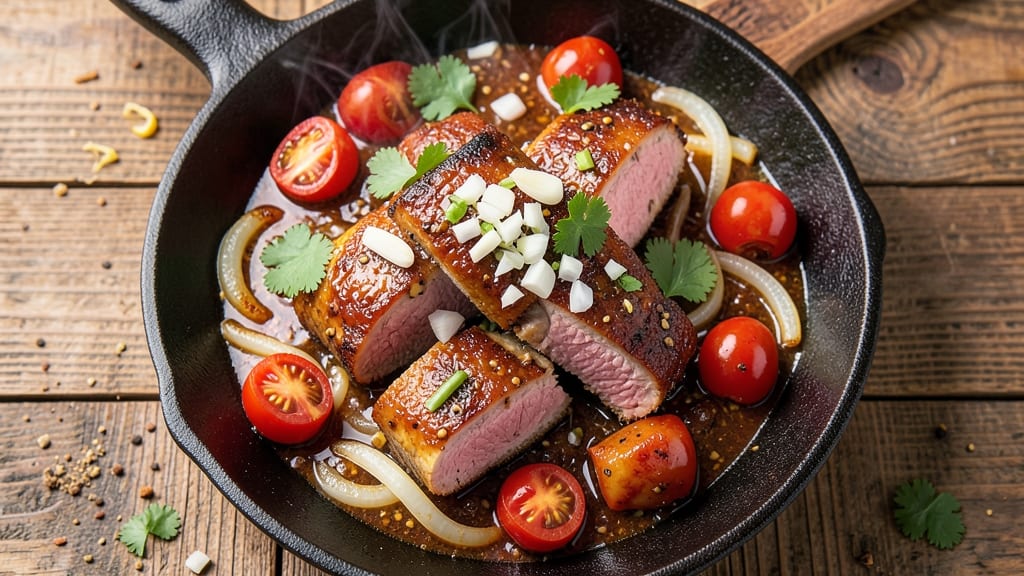
This Mexican pork recipe idea transforms tough pork shoulder into melt-in-your-mouth perfection with smoky, citrusy depth. I first discovered this technique during a trip to Oaxaca, where street vendors slow-cooked pork until it practically fell apart—now you can recreate that magic at home.
The secret lies in marinating the pork overnight with achiote and lime, then braising it until tender and caramelized.
The result is rich, flavorful pork that practically dissolves on your tongue, with a crispy, crackling exterior when served. This recipe delivers restaurant-quality carnitas without the fuss, using simple pantry staples and a slow-cooking method that builds incredible depth of flavor.
The adobo marinade infuses the meat with earthy, slightly spicy notes, while the braising process creates a sticky, caramelized glaze.
Serve these carnitas with warm tortillas, pickled red onions, and fresh cilantro for a meal that feels both comforting and celebratory. The crispy toppings add texture contrast, balancing the tender meat perfectly.
Whether you're feeding a crowd or treating yourself to a special dinner, this recipe delivers bold, satisfying flavors that taste like a trip to Mexico.
What makes this dish truly special is its versatility—use it for tacos, burrito bowls, or even as a filling for enchiladas. The leftovers reheat beautifully, making it perfect for meal prep. Let's get cooking!
Ingredients for mexican pork recipe ideas
Sixteen ingredients transform tough pork into restaurant-quality carnitas with smoky, citrusy depth.
| Ingredient | Amount | Notes |
|---|---|---|
| Pork Shoulder 🥩 | 4 lb | Bone-in preferred for flavor |
| Achiote Paste 🌶️ | 2 tbsp | Traditional Mexican spice blend |
| Fresh Lime Juice 🍋 | ½ cup | From 4-6 limes, freshly squeezed |
| Garlic Cloves 🧄 | 8 cloves | Minced, for marinade depth |
| Ground Cumin 🌿 | 1 tbsp | Toasted for aromatic intensity |
| Mexican Oregano 🍃 | 1 tbsp | Distinct from Italian oregano |
| Bay Leaves 🌿 | 2 whole | Fresh preferred for complexity |
| Beef Broth 💧 | 2 cups | Low-sodium preferred for balance |
| Orange Juice 🍊 | ½ cup | Freshly squeezed for brightness |
| Pork Fatback 🍖 | 4 oz | Diced, for crispy toppings |
| Fresh Cilantro 🌿 | ¼ cup | Chopped, for garnish |
| Pickled Red Onions 🧅 | 1 cup | Store-bought or homemade |
| Flour Tortillas 🌯 | 12 whole | For serving, warmed |
| Salt 🧂 | 1 ½ tsp | Kosher or sea salt |
| Black Pepper 🌶️ | ½ tsp | Freshly ground for heat |
The pork shoulder is non-negotiable for authentic carnitas—bone-in delivers richer flavor than boneless cuts. Look for well-marbled pork shoulder at your butcher or the meat department, ideally weighing 4-5 lbs total. Hormel or Boar's Head brands consistently deliver quality, though local markets often have superior cuts. If you can't find bone-in, trim the fat to ¼-inch thickness—this renders beautifully during braising. The achiote paste is essential for that signature smoky-orange hue; Goya or La Costeña brands are reliable, or make your own by blending annatto seeds with oil. Fresh lime juice should be strain-free—no pulp clogs your marinade.
No achiote? Annatto powder at half the amount mimics the color, though lacks depth. Substitute Mexican oregano with Italian oregano, but reduce to ¾ tbsp—it's more potent. The beef broth can be swapped for vegetable broth (though flavor will differ slightly), and orange juice can be omitted if you prefer a more neutral base. For the pork fatback, any pork lardons work, but avoid beef fat—it alters the flavor profile. If you're short on time, pre-cooked bacon (drained and chopped) mimics the crispy texture, though lacks authentic fatback richness. The pickled red onions? Trader Joe's or Whole Foods carry excellent jarred versions—no need to pickle from scratch unless you're feeling ambitious.
Marinated pork keeps 3 days in the fridge, covered tightly. The braised carnitas reheat beautifully—350°F for 20 minutes restores moisture without drying. For meal prep, portion into airtight containers with a thin layer of braising liquid to prevent drying. The pork fatback toppings crisp best when fried fresh, but can be stored 2 days in the fridge. Freeze the uncooked pork for up to 3 months—thaw overnight in the fridge before cooking. The achiote marinade also freezes well for 6 months, perfect for future pork projects like tacos or soups.
Why You'll Love This Recipe
- One-Pan Magic: I swear by this recipe when I’m too tired to wash dishes. Toss the pork shoulder with achiote paste and cumin, let it slow-cook until it’s practically falling apart—no extra pans, no fuss. The lime juice ties everything together while you’re flipping through Netflix.
- Deep, Smoky Crunch: That first bite? Rich, caramelized pork with a crackling crust, all thanks to the achiote’s earthy warmth and cumin’s slow-building heat. The garlic? Oh, it sneaks in and makes every mouthful sing—like a secret handshake for your taste buds.
- Leftovers That Beg for More: Make a double batch, and you’ll thank me later. This pork keeps its texture for days, so I repurpose it into tacos, nachos, or even breakfast burritos. (Yes, even on a Tuesday night.) The flavor only gets better as it rests—honestly, the fridge’s new favorite.
- Budget Meal for Crowds: Pork shoulder is the unsung hero of affordable cooking, and this recipe stretches it far. Achiote paste adds restaurant-level depth without breaking the bank, while the lime keeps it bright. Feed a family for half the cost of takeout, and still have leftovers to brag about.
Step-by-step instructions for adobo-braised carnitas
Transform a simple pork shoulder into restaurant-quality carnitas with deep adobo flavors and crispy edges.
Prepare the Pork and Marinade
Begin by trimming any excess fat from the 4 lb pork shoulder, leaving about ¼ inch of fat cap for moisture during cooking. Cut the pork into 2-inch chunks for even cooking. In a large bowl, combine the 2 tbsp achiote paste, 0.5 cup fresh lime juice, 8 cloves minced garlic, 1 tbsp ground cumin, 1 tbsp Mexican oregano, 2 whole bay leaves, 1.5 tsp salt, and 0.5 tsp black pepper. Mix until the achiote paste is fully dissolved into a thick paste.
Coat the pork chunks thoroughly with the marinade, ensuring every surface is evenly covered. Cover the bowl and refrigerate for at least 4 hours—overnight is ideal. This step infuses the meat with vibrant color and complex flavors, setting the foundation for your carnitas.
Slow-Braise Until Fork-Tender
In a large Dutch oven, combine the marinated pork with the 0.5 cup orange juice and 2 cups beef broth. Bring to a simmer over medium-high heat, then reduce to low heat. Cover and cook for 3 hours, stirring occasionally to prevent sticking. The pork should be tender enough to pull apart easily with two forks.
After 3 hours, check the liquid level. If it's reduced too much, add ½ cup water to maintain moisture. The pork is ready when it reaches an internal temperature of 200°F on an instant-read thermometer, indicating it's fully tender and ready for the crisping step.
Crisp the Pork in Its Own Juices
Remove the pork from the braising liquid and transfer it to a large skillet. Increase the heat to medium-high and cook, stirring occasionally, for 8-10 minutes until the edges turn deep golden brown and crispy. The residual juices in the skillet will help create a caramelized crust without drying out the meat.
Once crispy, return the pork to the braising liquid and let it soak for 10 minutes. This step ensures the pork stays moist while absorbing any remaining flavors from the cooking liquid. The result is tender, flavorful meat with a satisfying crunch.
Prepare the Toppings and Serve
While the pork rests, warm the 12 whole flour tortillas over a dry skillet or in a microwave. Dice the 4 oz pork fatback into small pieces and fry in a skillet over medium heat until crispy and golden. Chop the 0.25 cup fresh cilantro and set aside. The 1 cup pickled red onions can be used as-is or finely chopped for extra texture.
To serve, spoon the crispy pork onto warm tortillas, top with the crispy fatback, pickled onions, and fresh cilantro. The contrast of tender, juicy pork with crunchy toppings and tangy pickled onions creates a perfect balance of textures and flavors. Garnish with additional lime wedges if desired.
Pro Tips For Making Mexican Pork Recipe Ideas
- CRANK THE HEAT FIRST: Sear that pork shoulder in a screaming-hot pan for 3-4 minutes per side before adding anything else. I learned this the hard way—skipping the high heat means your achiote paste won’t caramelize properly, and you’ll end up with bland, gray meat instead of deep, sticky flavor.
- GRATE YOUR GARLIC: Skip mincing—grate those cloves right into the achiote paste mix. It distributes evenly, infuses faster, and gives you that signature Mexican depth without burning. (Yes, even if you’re impatient like me.)
- DON’T DROWN THE CUMIN: Toast the ground cumin in the dry pan for 30 seconds until it smells toasted, not burnt. Raw cumin tastes bitter, and burnt cumin tastes like regret. Smell it—if it’s harsh, you’ve gone too far.
- REST IT WRAPPED: Pull the pork off heat, wrap it in foil, and let it sit for 15 minutes before slicing. I used to skip this, and the meat would dry out or shred into sad, stringy bits. (Your future self will thank you.)
Flavor customization for mexican pork recipe ideas
Spice Level Control
Adjust the heat to your preference by tweaking the achiote paste and cumin. For mild flavor, reduce the achiote paste to 1 tbsp and omit half the cumin. If you love heat, add 1 tsp cayenne pepper or ½ tsp chipotle powder to the marinade.
I find Penzeys brand chipotle powder adds smoky depth without overwhelming the dish. 🌶️
Citrus Variations
Swap the lime juice for orange juice if you prefer a sweeter profile, or use grapefruit juice for a tart twist. For extra brightness, add 2 tbsp fresh grapefruit juice to the braising liquid during the slow cook.
My Portland farmers market sells amazing Seville oranges in winter—try those for a unique citrus depth.
Protein Swaps
For a leaner option, replace pork shoulder with chicken thighs (bone-in preferred) and reduce cooking time to 2 hours. The skin crisps beautifully, mimicking carnitas texture. If you're vegetarian, portobello mushrooms marinated and roasted work surprisingly well—just increase the marinade time to 6 hours for maximum flavor absorption. 🍄
Texture Contrasts
Boost crunch by adding toasted pepitas (pumpkin seeds) or crushed tortilla chips to your toppings. For extra richness, fry shredded Manchego cheese until golden and sprinkle over the carnitas. I love combining crispy fatback with pickled jalapeños for that perfect sweet-spicy crunch. 🥜
Regional Twists
For Oaxacan-style carnitas, add 1 tbsp guajillo chili powder and ½ tsp cinnamon to the marinade. In Yucatán, they might use achiote seeds instead of paste and include 1 tsp ground coriander.
My Cincinnati neighbor Mrs. Henderson swore by adding ½ tsp ground cloves for warmth—it sounds odd but works beautifully with pork.
Modern Fusion Ideas
Add 1 tsp smoked paprika and ½ tsp liquid smoke to the marinade for a BBQ-inspired twist. For Asian fusion, stir 1 tbsp soy sauce and 1 tsp ginger into the braising liquid. I once served carnitas with sriracha-lime crema and kimchi—the tangy crunch was unexpected but amazing. 🌟
Nutrition facts
Frequently asked questions about Mexican pork recipes
What's the best cut of pork for Mexican-style recipes?
For carnitas and al pastor, use pork shoulder—it's fatty enough to stay moist during slow cooking. For tinga or barbacoa, pork butt or pork shoulder works best. Avoid lean cuts like pork tenderloin—they dry out quickly. Look for well-marbled meat at your local butcher for maximum flavor.
Can I make these recipes without a slow cooker?
Use a Dutch oven on the stovetop or in a 350°F oven for braising. For al pastor, grill or sear the marinated pork in a skillet. The key is low-and-slow cooking—3-4 hours for pork shoulder. Just monitor the liquid and add broth if needed to prevent drying.
How do I get that perfect crispy texture?
The secret is two-step cooking: First, braise the pork until tender, then crisp it in a hot skillet. Pat the pork dry before crisping, and use medium-high heat for 8-10 minutes. For extra crunch, add pork fatback or crushed tortilla chips on top. The residual juices in the pork help create that golden crust without drying it out.
What are the most common Mexican pork dishes?
Here are five crowd-pleasers: Carnitas (braised pork shoulder), Al pastor (marinated pork on a spit), Tinga (shredded pork in chipotle sauce), Barbacoa (slow-cooked head or shoulder), and Chicharrón (deep-fried pork rinds). Each has unique preparation methods—braising, grilling, or frying.
How do I store and reheat leftovers?
Store cooked pork in airtight containers with some braising liquid to keep it moist. Reheat in a 350°F oven for 20 minutes or until warmed through. For crispy texture, reheat in a skillet over medium heat for 5 minutes. Leftovers keep for 4 days in the fridge or 3 months in the freezer.