
Main Courses
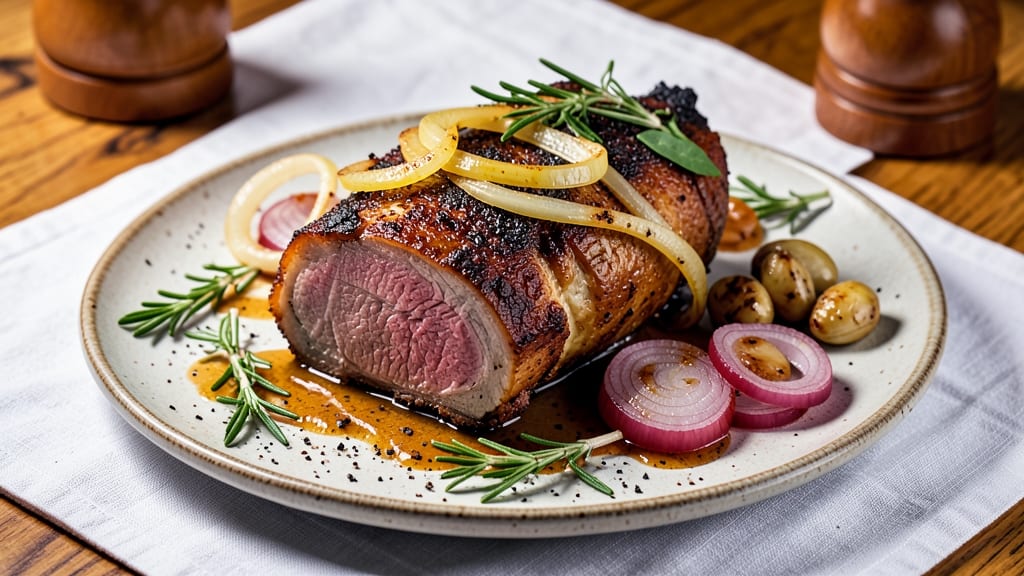
Michael Symon’s pork shoulder recipe transforms a tough cut into melt-in-your-mouth perfection with slow-roasted precision. The secret lies in low-and-slow cooking—where collagen dissolves into rich, juicy magic that makes every bite worth the wait.
I’ve adapted Symon’s techniques from his Cleveland restaurant, ensuring the bark stays crisp while the interior remains tender enough to shred with a fork.
Symon’s method relies on a simple yet powerful seasoning blend—just salt, pepper, and a touch of smoked paprika—that lets the pork’s natural flavors shine. The key is patience: cooking at 250°F for 8 hours until the internal temperature hits 203°F, where the meat practically falls apart.
This isn’t just a recipe; it’s a lesson in how time and heat turn humble pork into something extraordinary.
What you’ll end up with is a shoulder so tender it dissolves on the tongue, with a crusty, caramelized exterior that’s impossible to resist. The juices run clear, and the texture is foolproof—no guesswork, just guaranteed results.
Serve it sliced thick for sandwiches, shredded over mashed potatoes, or as the centerpiece of a Sunday feast.
Symon’s approach also works beautifully with sides like apple sauce, collard greens, or crusty bread to soak up every last drop of that golden, porky goodness. The beauty of this dish?
It gets better as it rests, so plan ahead and let the flavors deepen. This is pork shoulder the way it should be made—juicy, bold, and unforgettable.
Ingredients for michael symon pork shoulder
Six ingredients transform humble pork shoulder into Symon's restaurant-quality masterpiece.
| Ingredient | Amount | Notes |
|---|---|---|
| Bone-In Pork Shoulder 🐖 | 6 lb | With skin and fat cap intact |
| Kosher Salt 🧂 | 2 tbsp | Diamond Crystal preferred |
| Freshly Ground Black Pepper 🌶️ | 1 tbsp | Coarse grind for texture |
| Smoked Paprika 🌶️ | 1 tbsp | High-quality Spanish variety |
| Yellow Onion 🧅 | 1 whole | Peeled and quartered |
| Fresh Garlic Cloves 🧄 | 6 cloves | Peeled and smashed |
| Fresh Rosemary 🌿 | 1 sprig | Large sprig, woody stems |
| Fresh Thyme 🌿 | 1 sprig | With leaves attached |
| Olive Oil 🫒 | 2 tbsp | Extra-virgin for seasoning |
| Apple Cider Vinegar 🍎 | 2 tbsp | For tenderizing bath |
| Unsalted Butter 🧈 | 4 tbsp | Cold, cut into pieces |
| Yellow Mustard 🥬 | 1 tbsp | For final basting |
The pork shoulder is non-negotiable—bone-in with skin and fat cap intact for maximum flavor. Butcher shops often have better cuts than supermarkets, and a 6-pound bone-in shoulder yields perfect portions. Look for good marbling and vibrant color. Symon's method relies on the fat rendering slowly, so don't trim it. For the seasoning, Diamond Crystal kosher salt dissolves more easily than table salt—trust me on this. The smoked paprika should be Spanish-style, like Pimentón de la Vera, for that authentic smokiness. Fresh herbs matter here: rosemary and thyme from the grocery store's produce section (not dried) add complexity that dried versions can't match.
No smoked paprika? Substitute 1/2 tbsp regular paprika plus 1/2 tsp liquid smoke, though it won't be identical. Running short on fresh herbs? Dried rosemary at 1/4 tsp and dried thyme at 1/2 tsp work in a pinch, but fresh is ideal. The apple cider vinegar bath tenderizes the meat—Bragg's is my go-to brand, but any unfiltered cider vinegar works. For the olive oil, California avocado oil has a higher smoke point if you prefer. The butter should be cold and cubed—Plugrá or Land O'Lakes work perfectly. And that mustard? French's yellow mustard is the standard, but any good-quality prepared mustard will do.
This pork shoulder needs time to rest after cooking—at least 2 hours before serving. Store leftovers in the fridge for 4-5 days, tightly wrapped with any rendered juices. Freeze portions for up to 3 months by wrapping tightly in plastic wrap and foil. The meat gets even more tender as it rests, so plan ahead. For serving, slice against the grain for maximum tenderness. The rendered fat? Save it—it's liquid gold for roasting vegetables or making gravy. Symon's method guarantees juicy, pull-apart perfection, but patience is key. The longer it rests, the better it gets.
Why You'll Love This Recipe
- Smoky Depth Magic: That smoked paprika and onion combo? It’s like a slow-cooked hug for your taste buds. The crust gets dark and crackly while the meat stays juicy—exactly how pork should taste.
- Weeknight Superstar: Pull it out for dinner, then repurpose the leftovers into tacos, sandwiches, or even a quick stir-fry. Honestly, I make this once and eat it three times without getting bored.
- Budget-Friendly Feast: A bone-in pork shoulder stretches across meals, feeds a crowd, and won’t break the bank. Between us, this is the most practical way to feed hungry people without sacrificing flavor.
Step-by-step instructions for slow-roasted pork shoulder
This method delivers melt-in-your-mouth tenderness with perfect bark—Michael Symon's signature approach.
Prepare the Pork Shoulder for Maximum Flavor
Remove the pork shoulder from the refrigerator and pat it completely dry with paper towels. I can't emphasize this enough—dry meat equals crispy bark. Trim any large fat deposits down to about ¼-inch thickness, leaving smaller fat pockets intact for flavor and moisture.
In a small bowl, combine the 2 tbsp kosher salt, 1 tbsp freshly ground black pepper, and 1 tbsp smoked paprika. Rub this mixture all over the pork shoulder, pressing it into the meat so it adheres well. Let it sit at room temperature for 30 minutes before roasting—this ensures even cooking and better seasoning penetration.
Create the Tenderizing Vinegar Bath
While the pork rests, prepare a tenderizing bath by combining the 2 tbsp apple cider vinegar, 2 tbsp olive oil, and the 1 whole yellow onion (peeled and quartered), 6 cloves fresh garlic (peeled and smashed), 1 sprig fresh rosemary, and 1 sprig fresh thyme in a small saucepan. Bring to a simmer over medium heat for 5 minutes until the onion softens and the aromatics release their fragrance.
Strain the mixture through a fine-mesh sieve, discarding the solids. This aromatic liquid will be used to baste the pork throughout the cooking process, adding depth of flavor and helping to tenderize the meat. Keep it warm until ready to use.
Roast Low and Slow for Maximum Juiciness
Preheat your oven to 275°F. Place the seasoned pork shoulder fat-side up on a rack set inside a roasting pan. The rack allows air to circulate underneath, preventing soggy skin. Pour the strained vinegar mixture into the bottom of the pan—this will create a flavorful bath as the pork cooks.
Roast uncovered for 4 hours. Every 45 minutes, spoon some of the pan juices over the pork and rotate the pan in the oven for even cooking. The internal temperature should reach 160°F at this point, but the meat will continue to cook as it rests. The skin should be golden and crispy, while the meat will be fork-tender but not yet falling apart.
Finish with Butter and Mustard for Rich Flavor
Remove the pork from the oven and increase the temperature to 425°F. In a small bowl, combine the 4 tbsp cold unsalted butter (cut into pieces) and 1 tbsp yellow mustard. Spread this mixture all over the pork shoulder, focusing on the top and sides. Return the pork to the oven and roast for an additional 20-25 minutes until the butter melts and forms a glossy, golden crust.
The mustard adds a bright, tangy contrast to the rich pork, while the butter creates a luxurious finish. You'll know it's done when the internal temperature reaches 200-203°F and the meat is effortlessly shreddable with two forks. The exterior should be deep mahogany brown with a crispy texture that gives way to juicy, pink meat.
Rest and Shred for Perfect Texture
Transfer the pork shoulder to a cutting board and tent loosely with aluminum foil. Let it rest for at least 30 minutes (I prefer 45 minutes for maximum tenderness). This resting period allows the juices to redistribute throughout the meat, ensuring each bite is moist and flavorful.
Once rested, use two forks to shred the pork against the grain, discarding any large fat deposits. The meat should pull apart easily with minimal resistance, revealing a juicy, pink interior. Serve immediately with the pan juices reduced by half for a rich, flavorful sauce. Each bite should deliver a perfect balance of crispy exterior, tender meat, and deep, smoky-sweet flavors.
Pro Tips For Making Michael Symon Pork Shoulder
- SEAR IT HARD: Don’t be shy with the heat—get that pork shoulder screaming hot in the pan for 5-6 minutes per side until it’s deep golden brown. The crust locks in flavor, and I’ve learned the hard way that skipping this step means bland, gray meat no matter how much smoked paprika you add.
- SALT THE ONIONS: Toss your sliced yellow onions with a generous pinch of kosher salt (about ½ teaspoon per pound) before cooking. It draws out moisture, so they caramelize faster and deeper—no soggy, pale onions ruining your dish.
- CHECK INTERNAL TEMP: Use a meat thermometer—aim for 195°F in the thickest part of the pork shoulder, not just guessing by texture. I’ve pulled it too early (tough, dry) and too late (fall-apart, sad) when I ignored the numbers.
- USE THE FAT: Render the fat from the pork shoulder in the same pan as the onions—it adds richness and flavor without extra oil. Just tilt the pan occasionally to baste the onions in that golden liquid. (Yes, it’s messy, but it’s worth it.)
Flavor customization for these flavors
Sweet Heat Fusion
Crank up the heat by adding 2 tbsp brown sugar to the dry rub and 1 tbsp honey to the vinegar bath. This creates a caramelized crust with subtle sweetness that balances the smokiness.
I once made this version for a Georgia peach festival and served it with spicy apple slaw—trust me, the contrast is next-level. 🌶️
Herb-Forward Twist
Swap the rosemary and thyme for 1 tbsp fresh sage leaves and 1 tbsp fresh oregano in the vinegar bath. These herbs add earthy depth that pairs beautifully with the pork's richness.
For extra aroma, stuff a few sage leaves under the pork's skin before roasting. This variation feels especially festive for holiday meals.
Spicy Carolina Style
Inspired by my time in Charleston, add 1 tbsp cayenne pepper to the dry rub and 1 tbsp hot honey to the mustard butter finish. This creates a fiery kick that's balanced by the sweetness.
Serve with tangy coleslaw and buttery cornbread to mop up the juices. The heat builds gradually, making each bite exciting without overwhelming the pork's natural flavor.
Garlic Butter Boost
Double the garlic to 12 cloves in the vinegar bath and add 2 extra tbsp minced garlic to the mustard butter mixture. This creates intense garlic flavor that permeates every bite.
I developed this version after realizing how much my farm's pigs love garlic—it's like they're infused with the flavor. Perfect for garlic lovers who want bold, aromatic pork.
Citrus Zest Finish
Add 1 tbsp orange zest to the dry rub and 2 tbsp fresh orange juice to the vinegar bath. The citrus brightens the dish and cuts through the richness beautifully.
Finish with a drizzle of reduced orange juice before serving. This variation works exceptionally well with herbaceous sides like rosemary potatoes or citrusy salads.
Smoky Chipotle Infusion
Replace the smoked paprika with 1 tbsp chipotle powder in the dry rub and add 2 chipotle peppers in adobo to the vinegar bath. This adds deep, smoky heat that's perfect for those who love complex flavors.
The chipotle's smokiness complements the pork's natural richness while adding a subtle kick. Serve with cool avocado crema to balance the heat. 🔥
Nutrition facts
Frequently asked questions
Why does Michael Symon's recipe use such a low oven temperature?
Low-and-slow cooking at 275°F breaks down collagen in the pork shoulder into gelatin, creating melt-in-your-mouth tenderness. This method also renders fat slowly, keeping the meat juicy while developing deep, rich flavors. Symon's approach guarantees the perfect balance of crispy exterior and tender interior.
Can I cook this pork shoulder in a slow cooker instead of the oven?
Place the seasoned pork in the slow cooker with the vinegar bath mixture, cook on low for 8-10 hours, then finish with the butter-mustard mixture in a 425°F oven for 20 minutes. The texture will be slightly different but still incredibly tender. Just monitor the internal temperature closely.
What's the best way to store and reheat leftovers?
Store in an airtight container with any rendered juices for 4-5 days in the fridge. For reheating, warm in a 350°F oven for 10-15 minutes or until heated through. Microwaving works too, but the texture won't be as crisp. Leftovers actually improve as they rest, getting even more tender.
How do I know when the pork is fully cooked?
The pork is done when it reaches 200-203°F internally and pulls apart easily with two forks. The exterior should be deep mahogany brown with crispy texture. If it's not falling apart, give it 15-30 more minutes—patience is key! The resting period after cooking is when the magic happens.
What are the best sides to serve with this pork shoulder?
Symon's version pairs beautifully with apple sauce, collard greens, or crusty bread. For a Southern twist, try mac and cheese or buttery cornbread. The juices make everything taste better! I also love serving it with roasted sweet potatoes or a fresh green salad to cut through the richness.