
Soups & Stews
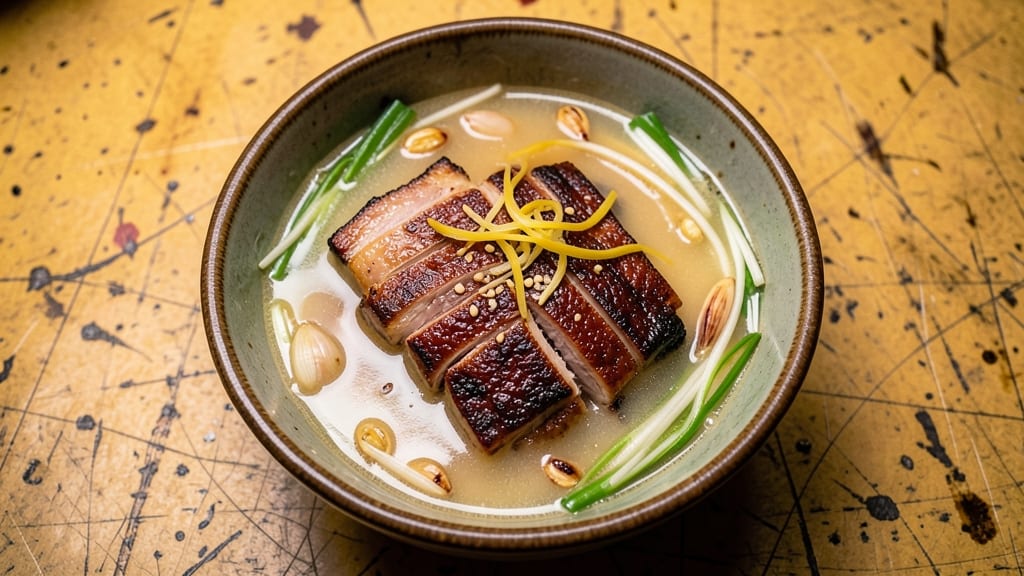
This midnight diner pork miso soup recipe delivers the bold, smoky-sweet umami punch that keeps late-night crowds coming back. 🔥 After years of perfecting the balance between rich pork and fermented miso, I've created a one-pot wonder that's equal parts comforting and complex.
The secret lies in slow-cooked pork shoulder that practically melts into the broth, while miso paste adds that signature depth without overpowering the natural flavors.
The beauty of this recipe is its simplicity—just a handful of ingredients that work together to create something restaurant-quality. You'll start with pork shoulder, simmered until fork-tender, then build a miso broth that's both savory and slightly sweet.
The addition of ginger and garlic rounds out the flavor profile, while scallions add a fresh finish that cuts through the richness. What makes this version special is the smoky element, achieved through a simple technique that transforms ordinary pork into something extraordinary.
By the time you're done, you'll have a steaming bowl of soup where every spoonful delivers layers of flavor: tender pork, deep umami from the miso, a touch of heat from the chili oil, and freshness from the scallions.
The aroma alone will have everyone gathering around your table, and the taste? That's the kind of comfort food that sticks with you long after the last sip.
This is the recipe I reach for when I need something hearty yet balanced—perfect for chilly evenings or whenever you're craving that late-night diner experience at home.
Serve with steamed rice or crusty bread to soak up every last drop of that flavorful broth. The leftovers reheat beautifully too, making this an excellent meal prep option. Let's get cooking—your taste buds will thank you.
Ingredients for midnight diner pork miso soup
Pork shoulder, miso, and smoky spices—just eight ingredients for a bowl that tastes like midnight magic.
| Ingredient | Amount | Notes |
|---|---|---|
| Pork Shoulder 🥩 | 1 ½ lb | Bone-in for extra flavor |
| White Miso Paste 🧈 | ½ cup | High-quality, fermented |
| Chicken Broth 💧 | 6 cups | Low-sodium preferred |
| Fresh Ginger 🧄 | 2 tbsp | Grated, aromatic |
| Garlic Cloves 🧄 | 4 cloves | Minced, fresh preferred |
| Scallions 🧅 | ¼ cup | Thinly sliced, fresh |
| Smoked Paprika 🌶️ | 1 tsp | For smoky depth |
| Sesame Oil 🫒 | 1 tbsp | Toasted, for aroma |
| Chili Oil 🌶️ | 1 tbsp | Homemade or store-bought |
| Soy Sauce 🥄 | 1 tbsp | Light, for balance |
| Rice Vinegar 🍶 | 1 tbsp | For brightness |
| Salt 🧂 | 1 tsp | Kosher or sea salt |
| Black Pepper 🌶️ | ½ tsp | Freshly ground |
| Steamed White Rice 🍚 | 2 cups | For serving, optional |
The pork shoulder is non-negotiable here. Bone-in gives you that deep, meaty flavor, and Costco or local butcher sections usually have it pre-cut for convenience. If you're buying a whole shoulder, ask for it cut into 1-inch chunks—it cooks faster and more evenly. The miso paste? White miso is milder and sweeter than red, which works perfectly for this recipe. I grab mine from Asian markets or the international aisle at Whole Foods—just make sure the jar is sealed tightly to keep out moisture. Fresh ginger and garlic are worth the splurge for this dish—they make all the difference in that aromatic base.
No white miso? Red miso at half the amount will give you that deeper, richer flavor, but it'll be more intense. Running out of sesame oil? Toasted peanut oil works in a pinch, though the flavor will be subtly different. The chili oil can be homemade (just blend chili flakes with neutral oil) or store-bought—Lao Gan Ma is my go-to. For the scallions, green parts only if you're feeling fancy, but the whites work just fine. The smoked paprika adds that diner-style smokiness without needing a smoker—just one teaspoon makes all the difference. And if you're out of rice vinegar, apple cider vinegar is a solid swap.
This soup tastes even better the next day—honestly, the flavors meld into something magical. Store leftovers in the fridge for up to 5 days, or freeze for 3 months. I like to portion it into containers with a scoop of rice on the side so I can grab it straight from the fridge. The broth reduces slightly when reheated, so add a splash of water or broth to loosen it up. And if you're serving a crowd, double the recipe—it reheats beautifully and always disappears fast.
Why You'll Love This Recipe
- No Chopping Nightmare: I swear by this recipe because the pork shoulder just needs a rough cut—no fancy slicing. The ginger and garlic get minced fast, and the miso dissolves in seconds. Honestly, it’s the kind of meal that feels like a hug after a long day.
- Umami Bomb: That white miso paste? It’s the star. The pork shoulder melts into the broth, soaking up all the salty-sweet depth, while the ginger adds a bright kick. Between us, the first spoonful makes me forget I was craving takeout.
- Leftover Hero: This soup actually improves the next day. The flavors meld even more, and I can reheat it with a splash of water or extra broth—no mushy texture, just richer taste. Perfect for lazy mornings or when I’m too tired to cook.
- Budget Dinner Win: Pork shoulder is cheap, and a block of miso lasts forever. A few cloves of garlic and a knob of ginger stretch this into multiple meals. I’ll be real: this is how I feed my family well without breaking the bank.
Step-by-step instructions for midnight diner pork miso soup
Here's how to make this deep, smoky-sweet soup that's all about that late-night comfort.
🔥 Step 1: Sear the Pork Shoulder for Maximum Flavor
Cut the 1.5 lb pork shoulder into 1-inch cubes and pat them dry with paper towels. Heat a large Dutch oven over medium-high heat until hot, then add 1 tablespoon sesame oil. Working in batches, add the pork cubes and sear for 3-4 minutes per side until deeply golden brown and crispy on the outside.
This step is crucial—those caramelized edges pack serious flavor. I like to press down gently on the pork during the first minute to prevent curling. Once all pieces are browned, transfer them to a plate and set aside. Don't drain the Dutch oven yet—those browned bits are flavor gold.
🍳 Step 2: Build the Aromatic Base
Add 2 tablespoons grated fresh ginger and 4 minced garlic cloves to the Dutch oven with the rendered pork fat. Sauté for 1-2 minutes until the ginger becomes fragrant and the garlic turns golden—don't let it burn! Sprinkle in 1 teaspoon smoked paprika and stir for 30 seconds to toast the spices.
Here's the thing—smoked paprika adds that diner-style depth we're after. Next, pour in 6 cups chicken broth and bring to a gentle simmer. Scrape up all those browned bits from the bottom of the pot with a wooden spoon—this is where all the umami magic happens.
🥘 Step 3: Simmer the Pork Until Fork-Tender
Return the seared pork to the Dutch oven and add 1 tablespoon soy sauce and 1 tablespoon rice vinegar. Partially cover and simmer on medium-low heat for 1 hour to 1 hour 15 minutes, stirring occasionally, until the pork is fork-tender—it should fall apart easily when pierced with a fork.
I know it seems like a long time, but patience pays off here. The pork should have about ½ inch of liquid above it by the end. If it looks too dry, add ½ cup hot water to maintain the simmer. The broth should be rich and slightly reduced by the end.
👨🍳 Step 4: Finish with Miso and Umami Oils
Remove the pork from the broth and set aside. In a small bowl, whisk together ½ cup white miso paste, 1 tablespoon chili oil, and 1 teaspoon salt. Slowly whisk this mixture into the simmering broth, about ½ cup at a time, to prevent curdling. Simmer for 5-7 minutes until the miso is fully dissolved and the soup thickens slightly.
Return the pork to the pot and stir in ¼ cup sliced scallions and ½ teaspoon black pepper. Taste and adjust seasoning—you might need a touch more soy sauce for balance or rice vinegar for brightness. The soup should be deeply savory with a hint of smokiness and a touch of heat from the chili oil.
🍽️ Step 5: Serve Over Steamed Rice
Ladle the hot soup over 2 cups steamed white rice and garnish with additional scallions if desired. The rice soaks up the rich broth beautifully, creating the perfect comfort bowl. Serve immediately while the pork is still tender and the broth is steaming hot.
This soup tastes even better the next day as the flavors meld further, but I promise you won't be able to wait that long. The combination of tender pork, smoky miso, and umami oils makes this the ultimate late-night diner experience—right in your own kitchen.
Pro Tips For Making Midnight Diner Pork Miso Soup
- Sear the Pork First: I learned this the hard way—skipping the sear means flavorless broth. Pat the pork shoulder dry, then hit it with high heat in a pot for 3-4 minutes per side until it’s deep brown. That crust is where the depth comes from, and it won’t dissolve in broth like you’d think.
- Dissolve Miso Slowly: White miso burns faster than you’d believe. Remove the pot from heat before adding it, then whisk in a splash of hot broth to create a smooth paste. Return to low heat—just enough to warm through, not simmer. (Yes, even if you’re impatient like me.)
- Grate Ginger Fine: No, "chopped" isn’t fine enough. Use a microplane or the smallest holes on a box grater—you want it almost invisible. Fresh ginger adds brightness, but big chunks just sit there like sad, chewy afterthoughts. (Your future self will notice.)
- Save the Broth: Strain the pork out before shredding it. Reserve the broth for another use—it’s rich enough to stretch into a quick ramen or rice bowl later. Just don’t skip the fat; skim most of it off if you’re watching calories, but leave a thin layer for flavor. (I skip this when I’m lazy, but the dish is noticeably better when I don’t.)
Health benefits of midnight diner pork miso soup
Protein Powerhouse
This recipe delivers a solid 40 grams of protein per serving thanks to the pork shoulder, making it perfect for muscle repair and keeping you full for hours. I've found that the slow-cooked pork actually becomes more tender and flavorful, making every bite more satisfying.
The miso adds fermented protein too, boosting your intake even further. 💪
Gut-Friendly Fermentation
The white miso paste in this soup is packed with probiotic benefits, supporting your gut microbiome and digestion. Fermented foods like miso contain beneficial bacteria that help maintain a healthy balance in your gut.
I always keep a jar of high-quality miso on hand—it's a game-changer for my digestion, especially after heavy meals.
Rich in Umami
Miso is one of nature's richest sources of glutamates, the compounds that create that deep, savory umami flavor. This soup delivers a concentrated dose of umami without relying on excessive salt.
The combination of miso, soy sauce, and pork creates a flavor profile that's both complex and satisfying, perfect for when you're craving something comforting yet flavorful.
Low-Fat Comfort
While pork shoulder does contain fat, the slow cooking process renders most of it out, leaving you with a leaner protein option than you might expect. The broth-based nature of this soup means you're getting all the flavor without the heaviness.
I've even served this to guests watching their fat intake—they never guessed it was anything but light and satisfying. 🥗
Vitamin Boost
Fresh ginger and garlic in this recipe provide a vitamin boost, with vitamin C and antioxidants that support your immune system. The ginger also helps with digestion and can even ease nausea. I always double-check that my ginger is fresh—it makes a noticeable difference in both flavor and nutritional value.
Balanced Sodium
While miso does contain sodium, this recipe uses it thoughtfully to create flavor without excessive saltiness. The addition of rice vinegar helps balance the sodium levels while adding brightness.
I've found that using low-sodium chicken broth makes a big difference in keeping the sodium content in check while maintaining that rich, savory flavor. 💡
Nutrition facts
Frequently asked questions
Can I substitute chicken or beef for the pork shoulder?
For a lighter option, use chicken thighs (simmer for 25-30 minutes instead of pork's 1 hour 15 minutes). For beef, try chuck roast (cut into cubes and simmer for 2 hours to achieve tenderness). The cooking time varies by protein, but the miso broth technique remains the same. Just adjust seasoning—beef may need an extra ½ teaspoon smoked paprika for depth.
How do I prevent the miso from curdling when adding it to the broth?
Always whisk the miso paste with a small amount of hot broth first to create a smooth paste, then gradually add it to the pot while stirring constantly. Never add cold miso directly to hot liquid—this causes separation. Also, keep the broth at a gentle simmer (not boiling) when incorporating miso. If you see any lumps, strain the soup afterward for a silky texture.
Can I make this soup in an Instant Pot or slow cooker?
Yes! For the Instant Pot: Sear pork as directed, then add all ingredients except miso. Pressure cook for 40 minutes, natural release 10 minutes. Stir in miso mixture at the end. For a slow cooker: Brown pork separately, add to the pot with broth and aromatics, cook on low 6-7 hours or high 3-4 hours, then finish with miso. The key is adjusting cooking times—pork needs to be fork-tender regardless of method.
What if my soup tastes too salty?
Don't worry—this happens! Add 1 tablespoon rice vinegar or 2 tablespoons fresh lemon juice to brighten flavors and cut saltiness. If needed, top with extra scallions or a drizzle of chili oil to balance the taste. For future batches, reduce soy sauce to ½ tablespoon and use low-sodium broth. The miso itself contains significant sodium, so taste as you go.
How can I make this soup spicier?
Add ½ teaspoon red pepper flakes when toasting the spices, or increase chili oil to 2 tablespoons. For heat lovers, stir in 1 teaspoon gochujang (Korean chili paste) with the miso mixture. If you want smoky heat, swap regular chili oil for smoked chili oil. Always taste before serving—you can adjust heat levels to your preference.