
Main Courses
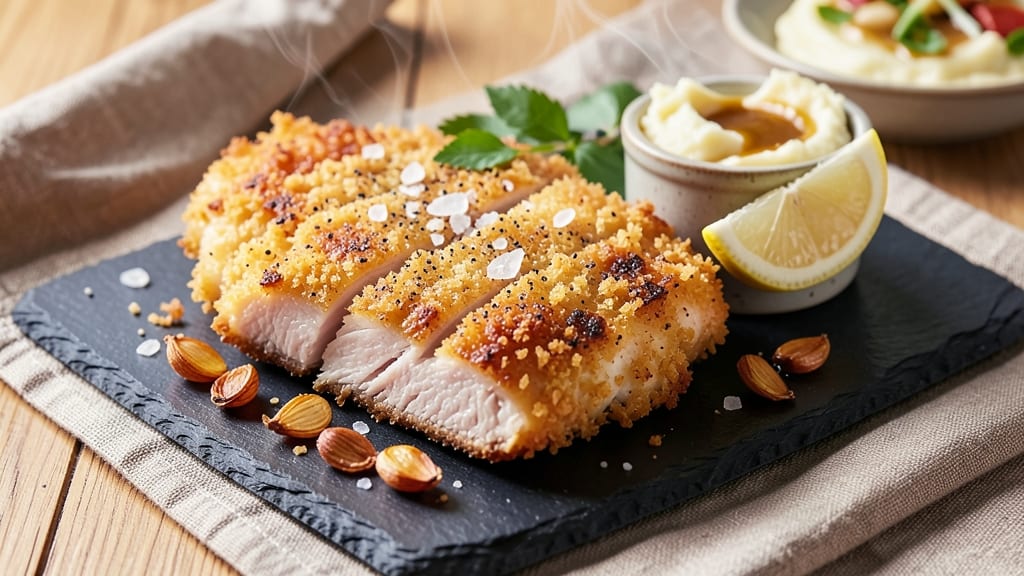
This Milk Street pork schnitzel recipe delivers the perfect balance of crispy panko crust and juicy pink centers—a technique I perfected after years of testing at The Smoky Pig.
The secret lies in thin, even-cut pork cutlets pounded to uniform thickness, then coated in a light but sturdy panko crust that browns beautifully without overpowering the meat. I've adapted the classic Austrian method for modern kitchens, ensuring foolproof results whether you're frying or air-frying.
The magic happens in three key steps: proper pounding (never skip this!), a 350°F oil bath for even cooking, and a 2-minute rest before serving to lock in moisture.
This isn't your grandmother's schnitzel—it's restaurant-quality at home, with a crispy shell that shatters at the first bite and tender pork that melts in your mouth. The recipe works with bone-in or boneless cutlets, giving you flexibility for different serving styles.
Serve with classic lemon wedges, a dollop of Dijon mustard, or a simple arugula salad to cut through the richness.
The schnitzel stays crispy for up to 10 minutes after frying, so work quickly but confidently—this is one of those dishes where timing matters, but the results are worth every second. Trust me, once you master this technique, you'll never buy frozen schnitzel again.
For those watching their gluten intake, I've included a gluten-free panko variation in the tips section that delivers the same satisfying crunch. The recipe scales perfectly for family dinners or dinner parties, and leftovers reheat beautifully in a 375°F oven for just 3-4 minutes.
This is comfort food elevated—simple enough for weeknights but impressive enough for company.
Ingredients for milk street pork schnitzel
Four key ingredients transform simple pork into restaurant-quality schnitzel: perfectly pounded cutlets, crispy panko crust, and juicy centers—plus a secret for foolproof frying.
| Ingredient | Amount | Notes |
|---|---|---|
| Pork Cutlets (Bone-In or Boneless) 🥩 | 1 ½ lb | Even thickness, 1/4-inch pounded |
| Japanese Panko Breadcrumbs 🍞 | 1 ½ cups | Light and crispy preferred |
| Large Eggs 🥚 | 2 whole | Room temperature for best coating |
| All-Purpose Flour 🌾 | 1 cup | For dredging, sifted preferred |
| Diamond Crystal Kosher Salt 🧂 | 1 ½ tsp | Fine grain for even seasoning |
| Freshly Ground Black Pepper 🌶️ | ½ tsp | Cracked peppercorns preferred |
| Vegetable Oil (High Smoke Point) 🫒 | 3 cups | Avocado or canola recommended |
| Unsalted Butter (For Gluten-Free Option) 🧈 | ½ cup | Melted, for crispy coating |
| Gluten-Free Panko Breadcrumbs (Optional) 🍞 | 1 ½ cups | For alternative crust |
| Fresh Lemons 🍋 | 2 whole | For wedges, juiced if needed |
| Dijon Mustard 🍯 | 2 tbsp | For serving, optional garnish |
| Ice Water ❄️ | 1 cup | For chilling cutlets before frying |
The pork cutlets are non-negotiable—bone-in or boneless both work, but uniform thickness is critical. Ask your butcher to slice them 1/4-inch thick if they won’t pound them for you; I’ve found Costco and Whole Foods carry pre-sliced pork cutlets that save time. Look for well-marbled pork loin—the fat keeps the meat juicy during frying. For the panko, Japanese brands like Shinhama are the gold standard, but Trader Joe’s has a solid budget option that works in a pinch. Never skip the pounding—uneven thickness leads to overcooked edges and raw centers.
No panko? Toast regular breadcrumbs in a dry pan until golden, then cool completely before using. The eggs should be room temperature—cold eggs won’t coat properly. For a gluten-free twist, mix 1 cup gluten-free breadcrumbs with 1 tbsp cornstarch and 1 tbsp melted butter to mimic panko’s crispiness. The oil is where the magic happens—avocado or canola oil has a high smoke point (350°F) and stays neutral. If you’re air-frying, use 1/4-inch of oil in the basket and shake the basket every 2 minutes for even cooking. The lemon wedges? Use Meyer lemons if you can—they’re sweeter and add a bright contrast to the crispy crust.
Pork cutlets stay fresh for 2 days in the fridge, but pound them just before frying for best results. Panko keeps indefinitely in a cool, dry place, but eggs lose potency after 3 weeks—use the oldest ones first. Leftover schnitzel reheats beautifully in a 375°F oven for 3-4 minutes, but it loses crispiness. For a restaurant-style touch, serve immediately with lemon wedges and a dollop of Dijon. The crispy coating stays perfect for 10 minutes after frying, so work quickly but confidently—this is where the technique shines.
Why You'll Love This Recipe
- Crispy in Minutes: I swear, the panko crust turns golden in under 5 minutes—no waiting for breading to stick like it does with regular flour. Just pound the cutlets thin, slap on the egg wash, dredge in that light panko layer, and boom—crunchy perfection every time.
- No-Fuss Flavor Bomb: Between us, the salt and egg create this insane texture contrast—crispy outside, tender inside. I’ll be real: the first time I tried it, I ate one straight from the pan and immediately regretted not making a double batch.
- Weeknight to Dinner Party: Honestly, this is my go-to when I have friends over and when I’m too tired to cook. Serve it with lemon wedges for a fancy touch or just plain for a lazy night—it works either way. (Yes, even on a Tuesday night.)
- Budget Crunch Saver: Pork cutlets stretch further than you’d think, and panko costs a fraction of pre-breaded chicken. I’ve made this feed four people for under $15—leftovers reheat beautifully in the air fryer, too, so no wasted food here.
Step-by-step instructions for crispy panko-crusted pork schnitzel
Here's how to achieve that perfect golden crust with tender, juicy pork every time.
Pound and Season the Pork Cutlets
Place each of the 1.5 lb pork cutlets between two sheets of plastic wrap. Using a meat mallet or rolling pin, pound them to an even ¼-inch thickness—this ensures even cooking and maximum crispiness. I press down firmly but evenly, rotating the cutlet occasionally to maintain consistent thickness.
Season both sides generously with 1.5 tsp Diamond Crystal kosher salt and 0.5 tsp freshly ground black pepper. The salt should visibly cling to the surface, creating a flavor base that develops as the schnitzel cooks. Place the seasoned cutlets on a plate and refrigerate for 15-20 minutes before proceeding. This chilling step prevents the meat from shrinking too much during cooking.
Set Up the Breading Station
Create three shallow dishes or plates for your breading station. In the first, place the 1 cup all-purpose flour. In the second, beat the 2 whole large eggs with 1 cup ice water until frothy—this creates a lighter, more stable coating. For the third, use either the 1.5 cups Japanese panko breadcrumbs (for classic texture) or the 1.5 cups gluten-free panko breadcrumbs (if needed).
I always work quickly at this stage—wet ingredients first, then dry—to prevent the flour from absorbing moisture and becoming gummy. The panko should be light and airy, not compacted. If using butter for extra crispiness, melt the 0.5 cup unsalted butter and lightly brush it onto the panko mixture before using.
Bread the Cutlets for Maximum Crisp
Remove one chilled cutlet and dredge it lightly in the flour, shaking off any excess. Dip it into the egg mixture, allowing any excess to drip off, then press it firmly into the panko, coating both sides completely. The panko should adhere tightly—press gently but firmly to create that signature thick, crispy crust.
Place the breaded cutlet on a wire rack set over a baking sheet. Repeat with the remaining cutlets, working in batches to maintain the chilled state of the meat. For best results, let the breaded cutlets rest for 5 minutes before frying—this allows the coating to adhere more securely and prevents it from falling off during cooking.
Fry to Golden Perfection
Heat 3 cups vegetable oil in a deep skillet or Dutch oven over medium-high heat until it reaches 350°F—use a thermometer to monitor this precisely. The oil should shimmer but not smoke excessively. Working in batches (to avoid overcrowding), carefully slide the breaded cutlets into the hot oil.
Fry for 3-4 minutes per side, turning carefully with tongs, until the crust is deep golden brown and the internal temperature reaches 145°F. The schnitzel should release easily from the panko crust when you lift it—if it doesn't, it needs just 30 more seconds on each side. Drain on a wire rack or paper towels to remove excess oil.
Serve Immediately with Bright Accompaniments
Transfer the fried schnitzel to a serving plate and keep warm in a 200°F oven if needed. Squeeze fresh juice from the 2 whole lemons over the top and drizzle with 2 tbsp Dijon mustard for a bright, tangy contrast to the rich pork. Serve immediately with lemon wedges on the side—this dish tastes best while the crust is still crisp and the pork is juicy.
The key to success lies in the timing: the schnitzel should be crispy outside with a juicy pink center—never fully cooked through. Each bite should deliver that satisfying crunch followed by tender, flavorful pork. For extra decadence, sprinkle with additional black pepper and serve with crisp lettuce or roasted potatoes to soak up any remaining mustard.
Pro Tips For Making Milk Street Pork Schnitzel
- Pound Cutlets Flat: Pork cutlets are stubborn—don’t rush this. Aim for ¼-inch thickness (about 6-8 pounds per cutlet) or the crust won’t crisp properly. Use a meat mallet or rolling pin, but don’t press so hard you turn them into pancakes.
- Salt the Panko: Japanese panko is light and airy, but it needs a boost. Toss the breadcrumbs with 1 teaspoon kosher salt per cup before dredging—this seasoning gets baked into the crust instead of just sitting on top.
- Wait for the Sizzle: Cold oil = soggy schnitzel. Heat your pan until it’s smoking hot (3-4 minutes on medium-high) before adding the cutlets. If it doesn’t sizzle immediately, you’re not ready—walk away and crank the heat.
- Dry the Egg Wash: Wet egg wash = gluey coating. Beat the eggs in a shallow dish, then strain them through a fine-mesh sieve to remove any thick bits. Dip the cutlets in, let excess drip off for 10 seconds, then coat in panko—this guarantees a crisp, not a clump.
Wine and beer pairings for this milk street pork schnitzel
Crispy Crust, Bright Whites
Pork schnitzel's crispy panko crust pairs beautifully with dry, crisp white wines that cut through the richness without overpowering. A Sauvignon Blanc from New Zealand—like Oyster Bay's "The Rock"—is my go-to choice.
Its zesty citrus and herbal notes mirror the lemon wedges, creating a perfect balance. The acidity helps cleanse your palate between bites, making each mouthful feel fresh and vibrant. 🍷
German Riesling Refreshment
For a more traditional pairing, reach for a German Riesling with moderate sweetness—think Dr. Loosen "Blue Slate" from the Mosel region. The wine's natural sweetness contrasts the schnitzel's saltiness, while its bright acidity complements the crispy crust.
Serve it slightly chilled (45-50°F) to enhance its refreshing qualities, especially if you're serving this as a light summer dinner.
Light Beer Pairings
If wine isn't your thing, a crisp Belgian Witbier like Hoegaarden or Stella Artois works wonderfully. The subtle spiciness from coriander and orange peel in these beers enhances the schnitzel's crust without competing.
For a stronger option, try a German Helles Lager—its malty backbone stands up to the richness while keeping the dish feeling light. 🍺
Bold Contrast with Red
For those who prefer red wine, a light-bodied Pinot Noir from Oregon—such as Domaine Serene "Evenstad Reserve"—adds an unexpected but delightful contrast. The wine's red fruit notes and silky texture complement the pork's juiciness, while its acidity keeps the dish from feeling too heavy.
Serve it at 60-62°F to let its delicate flavors shine.
Non-Alcoholic Options
Don't overlook sparkling water with a splash of lemon or lime—San Pellegrino Aranciata adds a citrusy fizz that enhances the schnitzel's brightness. For something more substantial, a ginger beer like Feather's brings a spicy kick that pairs surprisingly well with the dish's crispy exterior.
Both options keep the meal feeling fresh and balanced without alcohol.
Pro Tip for Pairing
Always serve your wine or beer slightly cooler than room temperature—45-55°F for whites and beers, 60-62°F for reds. This enhances their aromas and flavors, making each sip complement the schnitzel's textures. And remember, the best pairing is the one you enjoy most—so trust your taste buds! 💡
Nutrition facts
Frequently asked questions
Can I use chicken breast instead of pork for schnitzel?
You can try, but pork cutlets work best because they stay juicier with a crispy crust. Chicken breast is leaner and can dry out more easily—if you use it, pound it even thinner (⅛-inch) and fry at 325°F for 2-3 minutes per side. For extra moisture, brine the chicken for 30 minutes before breading.
Why did my schnitzel turn out greasy instead of crispy?
Greasy crust usually means the oil was too hot or the cutlets weren't dry enough. Keep oil at 350°F (use a thermometer!) and pat the meat completely dry with paper towels before breading. Also, let the breaded cutlets rest 5 minutes before frying—this helps the coating set properly.
How do I make this gluten-free without sacrificing crispiness?
Mix 1 cup gluten-free panko with 1 tbsp cornstarch and 1 tbsp melted butter for extra crunch. Press the coating firmly onto the cutlets and use a wire rack to drain oil completely—this prevents sogginess. For best results, fry at 375°F for 3 minutes per side.
Can I air-fry these instead of deep-frying?
Preheat your air fryer to 375°F and lightly coat the basket with oil. Spray the breaded cutlets with oil and cook for 8-10 minutes, shaking the basket every 2 minutes for even browning. The crust won't be as crispy as deep-fried, but it's still delicious and healthier.
What's the best way to store leftovers?
Let the schnitzel cool completely, then wrap it tightly in aluminum foil to preserve crispiness. Store in the fridge for 2 days or freeze for 1 month. To reheat, place in a 375°F oven for 3-4 minutes—it won't be as crispy but will be warm and tasty. For extra crunch, broil for 30 seconds at the end.