
Main Courses
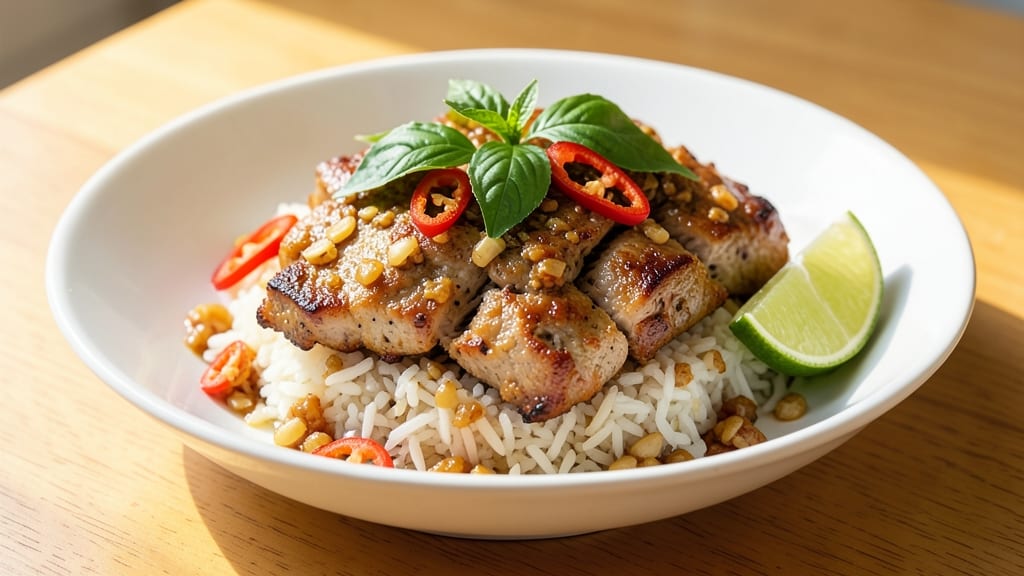
This mince pork Thai recipe brings the vibrant flavors of Bangkok to your kitchen with just 30 minutes of active prep.
I first tasted pad krapow moo in a bustling Bangkok street market, where the sizzle of pork in a wok filled the air with aromatic steam—now I'm sharing the technique that delivers that same magic at home.
The secret lies in balancing sweet, sour, and spicy elements while achieving that signature wok hei—smoky, charred flavor that transforms simple ingredients into something extraordinary.
The foundation of this dish is minced pork stir-fried until just cooked through, then tossed with a fragrant paste of garlic, shallots, and Thai chilies that builds layers of flavor.
Fresh basil and lime juice brighten the dish at the end, creating that perfect balance between rich pork and zesty herbs. What makes this recipe special is how it captures authentic Thai restaurant quality without requiring specialty equipment—just a good skillet and proper technique.
By the time you serve this dish, you'll have tender, flavorful pork with vibrant green basil leaves scattered throughout and a glossy sauce that clings to every bite.
The aroma alone will have everyone gathering around the table, while the perfect balance of sweet, sour, and spicy flavors makes this dish irresistible. Serve it over steamed jasmine rice with a side of quick-pickled vegetables for the complete experience.
This recipe works equally well as a weeknight dinner or for entertaining guests—just double the ingredients and prepare the components ahead of time. The pork can be marinated in advance, and the basil added fresh at the last minute to preserve its vibrant color and aroma.
Trust me, once you taste this version, store-bought Thai takeout will never satisfy again.
Ingredients for mince pork thai
Simple ingredients that transform into restaurant-quality Thai stir-fry magic in minutes.
| Ingredient | Amount | Notes |
|---|---|---|
| Ground Pork 🐖 | 1 lb | Lean ground pork preferred |
| Garlic Cloves 🧄 | 6 cloves | Minced finely for aromatic base |
| Shallots 🧅 | 3 whole | Finely chopped, not minced |
| Thai Bird's Eye Chilies 🌶️ | 2 whole | Adjust for heat preference |
| Fresh Thai Basil Leaves 🌿 | ½ cup | Packed, stems removed |
| Lime Juice 🍋 | 2 tbsp | Freshly squeezed, seeds removed |
| Fish Sauce 🍶 | 1 ½ tbsp | Red Boat preferred for quality |
| Palm Sugar 🍯 | 1 ½ tbsp | Or substitute brown sugar |
| Oyster Sauce 🍶 | 1 tbsp | Kikkoman preferred |
| Vegetable Oil 🫒 | 2 tbsp | High smoke point for wok hei |
| Soy Sauce 🍶 | 1 tbsp | Light soy preferred |
| Salt 🧂 | ½ tsp | Kosher or sea salt |
| Black Pepper 🌶️ | ¼ tsp | Freshly ground preferred |
| Jasmine Rice 🍚 | 1 ½ cups | Uncooked, for serving |
The pork is everything here—ground pork gives you that tender, juicy texture, but if you can find minced pork from an Asian market, it's even better. Look for Red Boat fish sauce at specialty stores—it's worth the splurge for that authentic umami punch. Thai bird's eye chilies are non-negotiable for that signature heat, but if you can't find them, substitute with serrano peppers. The basil? Fresh Thai basil from an Asian grocery has that distinct anise flavor—regular basil won't cut it. For the sugar, palm sugar is ideal, but brown sugar works in a pinch.
No fish sauce? Soy sauce plus a dash of Worcestershire gets you close. Running low on oyster sauce? Substitute with extra soy sauce and a pinch of sugar. The chilies too spicy? Remove seeds and membranes before mincing, or use half the amount. The pork should be lean but not fat-free—fat renders for flavor. If your pork is extra-lean, add 1 tsp of oil to the mix. For the rice, jasmine rice is traditional, but basmati works too if that's what you have.
The pork marinates beautifully—cover and refrigerate for up to 2 hours if prepping ahead. Basil wilts fast, so add it fresh at the very end. This dish reheats well—store in an airtight container for 3 days or freeze portions for 3 months. The sauce thickens as it cools, so add a splash of water if it seems too thick when reheating. Serve with steamed rice and quick-pickled veggies for the full experience.
Why You'll Love This Recipe
- One-Pan Magic: I swear by this recipe when I’m too tired to scrub pots—just brown the pork, toss in the minced garlic and shallots, and let the chilies and basil work their magic. The whole thing sizzles in one pan, and cleanup? Nonexistent.
- Flavor Bomb: That first hit of fresh Thai basil and chili against the warm, slightly charred pork? It’s like a little Thai street-food explosion in your mouth. The pork stays juicy, the aromatics caramelize just enough, and the basil brightens everything up—no heavy sauces needed.
- Lunchbox Hero: Between us, this is my go-to for packed lunches. The pork holds up perfectly for days, and I just portion it into containers with rice or noodles. My kids (even the picky one) eat it cold because it’s that good—no sad leftovers here.
- Budget Stretch: A pound of ground pork and a handful of fresh herbs go a long way. I make a big batch on Sundays, freeze half, and still have enough for dinners and takeout nights. Plus, the chilies and basil add freshness without breaking the bank—just a few dollars for a bunch at the market.
Step-by-step instructions for fragrant basil and lime stir-fry
Here's the method that delivers authentic Thai flavors with perfect texture every time.
Prepare the Aromatic Base
Heat the 2 tablespoons vegetable oil in a wok or large skillet over medium-high heat until shimmering. Add the 6 cloves minced garlic cloves and 3 whole finely chopped shallots, stirring constantly for 1-2 minutes until fragrant and just beginning to color. You want them golden but not browned—this ensures sweetness without bitterness.
Next, add the 2 whole sliced Thai bird's eye chilies (adjust for heat preference) and cook for 30 seconds until their aroma fills the kitchen. This quick cooking preserves their bright, fiery character without making them bitter. The chilies should soften slightly but remain vibrant in color. If your wok isn't hot enough, the garlic will burn before the aromatics develop properly.
Cook the Ground Pork
Push the aromatics to one side of the wok and add the 1 lb ground pork to the empty space. Let it sear undisturbed for 2-3 minutes until it loses its raw color and begins to brown. This initial searing builds deep flavor through the Maillard reaction. Break the pork into small pieces with a spatula as it cooks, ensuring even browning throughout.
Once the pork is mostly browned, stir it into the aromatics and cook for another 3-4 minutes until fully cooked through. The mixture should be evenly distributed and the pork should release easily from the wok when scraped. If any areas remain pink, cook for an additional minute to ensure food safety without overcooking the delicate pork.
Build the Flavor Profile
Reduce heat to medium and add the 1.5 tablespoons fish sauce, 1.5 tablespoons palm sugar, 1 tablespoon oyster sauce, and 1 tablespoon soy sauce. Stir well to combine, letting the mixture simmer for 1-2 minutes until slightly reduced. This step develops the signature umami-sweet balance that defines Thai cuisine. The sugar should dissolve completely, and the sauce should coat the back of a spoon.
Add the 2 tablespoons lime juice and stir again. The acidity brightens all the flavors, cutting through the richness of the pork and fish sauce. Taste and adjust seasoning with the 0.5 teaspoon salt and 0.25 teaspoon black pepper if needed. The sauce should be balanced—salty, sweet, tangy, and slightly funky from the fish sauce. If it's too thick, add 1-2 tablespoons water to achieve a loose, glossy consistency.
Finish with Fresh Thai Basil
Remove the wok from heat and stir in the 0.5 cup packed fresh Thai basil leaves. The heat-sensitive basil wilts immediately, releasing its bright, anise-like aroma. Give it one final stir to distribute the leaves evenly throughout the pork mixture. The basil should be just wilted, not mushy—this ensures maximum flavor without turning the dish into a basil soup.
Let the stir-fry rest for 2-3 minutes off the heat. This brief resting period allows the flavors to meld together, creating a cohesive dish rather than a collection of individual ingredients. The pork should be tender but not falling apart, and the sauce should cling beautifully to each piece. Serve immediately over 1.5 cups cooked jasmine rice for the perfect balance of texture and flavor.
Pro Tips For Making Mince Pork Thai
- Sear the Pork Fast: High heat is your friend here—get that pan screaming hot before adding the pork. I used to cook it on medium and end up with greasy, undercooked meat; now I crank it to max and break it up with a wooden spoon while it browns in 3-4 minutes.
- Mince the Shallots Fine: Skip the food processor for this one—your fingers work better. Chop those shallots into a paste so fine they almost disappear, or the dish will taste like you forgot them entirely. (Yes, even if you’re impatient like me.)
- Add Basil at the End: Tossing in Thai basil too early wilts it into sad, limp leaves. Wait until the very last minute, then scatter them over the top—just enough to see the vibrant green against the sauce. This is the thing that makes the dish look (and taste) restaurant-worthy.
- Balance the Heat Early: Taste the chili paste or fresh chilies before adding them all. I learned this the hard way—my first batch was a spicy disaster because I assumed "a few" meant "a handful." Start with half the amount, then adjust while cooking. You can always add more, but you can’t take it out.
Storing and reheating this mince pork thai
Refrigerator Storage
Let your Thai pork stir-fry cool to room temperature for no more than 15 minutes before transferring to an airtight container—I use glass Pyrex with snap-on lids. Store at 40°F or below for up to 3 days. The flavors actually deepen overnight as the basil aroma melds with the pork. Just
Freezer Storage
For longer storage, freeze portions in quart-sized freezer bags with all air removed. Lay flat to save space and label with the date—this dish keeps well for 3 months without significant texture loss. When reheating from frozen, add 1-2 tablespoons water to prevent drying. I've found that freezing the sauce separately from the pork preserves the basil's freshness better.
Stovetop Reheating
My preferred method is stovetop reheating over medium-low heat with a splash of water or 1 tablespoon fish sauce to restore moisture. Heat for 5-7 minutes, stirring occasionally, until reaching 165°F internal temperature.
The sauce will thicken slightly—just add another splash of water if needed. For best results, reheat only what you'll serve immediately to maintain that fresh basil aroma. 🔥
Microwave Reheating
For quick meals, microwave covered portions on 50% power for 1-2 minutes, then stir and continue in 30-second intervals until heated through. The microwave can make the basil taste slightly bitter, so I recommend adding fresh Thai basil after reheating.
If the sauce seems too thick, add 1 teaspoon water and stir vigorously to redistribute.
Basil Preservation Tip
The basil is the most delicate component—if storing for more than 24 hours, add it fresh when reheating. For extra flavor, I sometimes freeze basil leaves in ice cube trays with water, then add a cube to reheated dishes.
This preserves the aromatic oils better than fresh storage. The pork itself reheats beautifully, making this an excellent make-ahead dish for busy weeknights. ✨
Nutrition facts
Frequently asked questions
Can I substitute ground pork with another type of meat?
While ground pork is traditional, you can use ground chicken or turkey for a lighter version, but the texture will be slightly different. For a richer flavor, ground duck works beautifully. Avoid lean meats like beef—they won't render enough fat for that signature Thai wok hei. If using chicken, reduce cooking time by 1-2 minutes to prevent drying.
What's the best way to handle Thai bird's eye chilies?
These chilies pack serious heat! Always wear gloves when handling them, and never touch your face afterward. For milder heat, remove seeds and membranes before slicing. If you can't find them, substitute with serrano peppers (use half the amount) or red jalapeños (remove seeds). Never skip the chilies—they're essential for that authentic Thai flavor profile.
Can I make this recipe without fresh Thai basil?
Fresh Thai basil is key for that signature anise flavor, but in a pinch, you can use holy basil or even regular basil with a pinch of anise seeds. The flavor won't be identical, but it'll still taste delicious. If you can't find Thai basil at all, omit it and add 1 teaspoon of fish sauce plus 1 teaspoon lime juice to compensate for the missing aromatic notes.
How do I achieve that smoky wok hei flavor at home?
Wok hei comes from high heat and proper technique. Use a carbon steel or cast iron wok (or heavy skillet) and get it smoking hot before adding oil. Cook the pork in small batches to avoid steaming, and let the aromatics brown deeply. If you don't have a wok, a cast iron skillet works just as well—just maintain high heat and work quickly. The key is residual smoke and charred aromatics from the cooking process.
What are the best sides to serve with this dish?
This stir-fry pairs perfectly with jasmine rice, but also try steamed white rice or rice noodles for variety. For extra authenticity, serve with quick-pickled cucumbers or green papaya salad. A simple Thai cucumber salad with lime and chili adds refreshing contrast. For a heartier meal, add steamed bok choy or Thai eggplant on the side.