
Main Courses
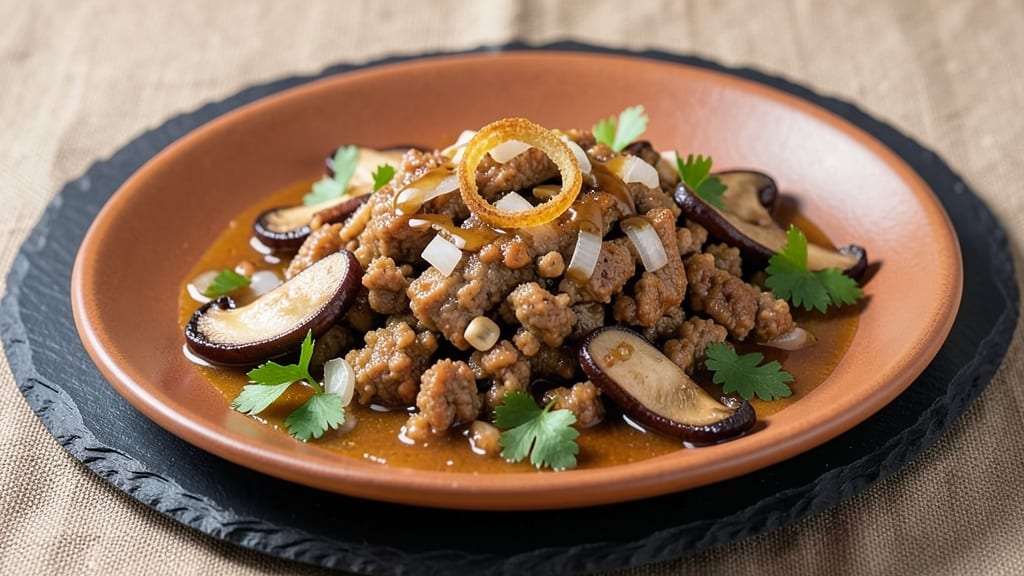
This minced pork and mushrooms recipe delivers restaurant-quality umami in just 30 minutes, transforming simple ingredients into a deeply flavorful one-pan dinner. The secret lies in proper browning of the pork—creating that essential meaty depth—and letting mushrooms caramelize slowly to develop their earthy sweetness.
I first perfected this technique during a particularly busy week at The Smoky Pig when we needed a reliable, crowd-pleasing dish that could be prepped in minutes but tasted like hours of simmering.
The magic happens in the pan where minced pork releases its juices while mushrooms soften and develop their signature caramelized edges. A splash of soy sauce and a pinch of five-spice powder create that perfect balance of savory and aromatic complexity that makes this dish irresistible.
What starts as a simple combination of ground pork and mushrooms becomes something far more sophisticated through proper cooking techniques and layering of flavors.
By the time you're done, you'll have a dish with tender, flavorful pork and mushrooms that cling together beautifully—rich, savory, and packed with that deep umami satisfaction. The sauce reduces to just the right consistency, coating every bite with a glossy, flavorful glaze.
This is the kind of meal that transforms a simple weeknight into something special without requiring hours in the kitchen.
Serve it over steamed rice for a complete meal, or use as a filling for dumplings or pasta. The leftovers reheat beautifully, making it perfect for meal prep. Here's how to create this umami-rich masterpiece in your own kitchen—no fancy equipment required, just proper technique and attention to detail.
Ingredients for minced pork and mushroom
Restaurant-quality umami in one pan—just 15 ingredients, 30 minutes, and perfect weeknight magic.
| Ingredient | Amount | Notes |
|---|---|---|
| Minced Pork 🐖 | 1 lb | Ground pork, 80% lean preferred |
| Creamy Shiitake Mushrooms 🍄 | 8 oz | Sliced thin, stems removed |
| White Onion 🧅 | 1 whole | Diced small, about 1 cup |
| Garlic Cloves 🧄 | 4 cloves | Minced fine, about 1 tbsp |
| Soy Sauce 🥢 | 2 tbsp | High-quality, light or dark |
| Oyster Sauce 🍜 | 1 tbsp | For umami depth |
| Five-Spice Powder 🌶️ | ½ tsp | Toasted for best flavor |
| Sesame Oil 🫒 | 1 tbsp | Toasted, for aroma |
| Green Onions 🧅 | 2 whole | Sliced thin, for garnish |
| Extra-Virgin Olive Oil 🫒 | 1 tbsp | For searing pork |
| Vegetable Oil 🫒 | 1 tbsp | For mushroom cooking |
| Salt 🧂 | ¾ tsp | Diamond Crystal preferred |
| Black Pepper 🌶️ | ½ tsp | Freshly ground |
| Cornstarch 🌾 | 1 tsp | For sauce thickening |
| Water 💧 | 2 tbsp | For cornstarch slurry |
The pork is where it all starts. Ground pork (not lean ground beef) gives that rich, meaty texture, and 80% lean is ideal—too lean and it dries out. I always grab mine from Whole Foods or the butcher counter at Trader Joe's because their cuts are fresher. If you're using frozen, thaw it overnight in the fridge—never microwave, or you'll end up with greasy pork. The mushrooms? Shiitake have that meaty texture and deep umami, but cremini or oyster work too if that's what's on sale. Just slice them thin so they cook up fast.
No soy sauce? Coconut aminos in a pinch, but you'll lose some depth. The five-spice powder is non-negotiable—it's the aromatic backbone here. Penzeys or Burlap & Barrel have great blends, but any good spice shop will carry it. Sesame oil adds that nutty aroma, but if you're avoiding it, toasted peanut oil at half the amount works. The cornstarch slurry is key for that glossy sauce—make sure it's smooth, or you'll have lumps. And if you're feeling fancy, toast the five-spice powder in a dry pan for 30 seconds before adding—game-changer for flavor.
This reheats like a dream—better the next day as the flavors meld. Store leftovers in an airtight container for up to 4 days in the fridge. For meal prep, double the batch and freeze half in portions. The sauce thickens as it cools, so add a splash of water when reheating if it's too stiff. Garnish with those green onions right before serving—they add freshness that cuts through the richness. And trust me, the extra 10 minutes it takes to let the mushrooms caramelize is worth every second.
Why You'll Love This Recipe
- One-Pan Magic: I swear by this recipe when I’m too tired to scrub pots—just brown the pork, toss in the shiitakes and onions, and let the garlic and soy sauce work their magic. The mushrooms release their juices right into the pan, so you’re left with a sticky, flavorful mess that’s delicious without any extra effort.
- Umami Bomb: That combo of pork and shiitakes? It’s like a flavor explosion in your mouth. The mushrooms soak up the soy sauce and garlic until they’re tender and meaty, while the pork stays juicy—no dryness here. Honestly, I’ve made this for friends who aren’t big mushroom fans, and they still ask for seconds.
- Leftover Hero: This dish tastes just as good reheated as it does fresh, which is a win for me because I always make too much. I’ll pack it for lunches or freeze portions for those nights when I don’t feel like cooking. The texture holds up surprisingly well, so it’s my go-to for lazy afternoons.
- Budget-Friendly Luxe: Minced pork and shiitakes stretch further than you’d think, making this a solid meal for when I’m pinching pennies. The onions and garlic bulk it up, so you’re not just paying for protein—you’re getting a full, satisfying dish. Plus, shiitakes keep well, so I buy them in bulk and use them across multiple recipes. Smart, right?
Step-by-step instructions for minced pork and mushroom stir-fry
Here's how to create a flavor-packed, umami-rich dinner using just one pan.
Prep the Ingredients for Maximum Flavor
Start by dicing the whole white onion into small, even pieces—about 1 cup total. Mince the 4 cloves garlic finely, aiming for a texture closer to a paste than coarse chunks. Slice the 8 oz creamy shiitake mushrooms thinly, removing stems first. Thin slices ensure even cooking and better texture.
Slice the 2 whole green onions into thin rings, reserving half for garnish. Toast the 0.5 teaspoon five-spice powder in a dry skillet over low heat for 30 seconds—this deepens its aroma. Let everything sit at room temperature while you prep the pan.
Sear the Pork for Rich, Deep Flavor
Heat a large skillet or wok over medium-high heat until hot. Add 1 tablespoon vegetable oil and swirl to coat. Add the 1 lb minced pork, breaking it up with a wooden spoon as it cooks. Let it sear undisturbed for 2-3 minutes until the edges start to brown and lose their raw color.
This initial searing builds flavor through the Maillard reaction. If the pork releases too much liquid, reduce heat slightly to avoid steaming. Once the pork is about 80% cooked and no longer pink in the center, remove it to a plate and set aside.
Build the Aromatic Base with Onions and Mushrooms
In the same skillet, add 1 tablespoon extra-virgin olive oil and swirl to coat. Add the diced white onion and cook for 3-4 minutes until softened and translucent. Add the minced garlic and toasted five-spice powder, stirring constantly for 30 seconds until fragrant.
Increase heat to high and add the sliced shiitake mushrooms. Cook for 4-5 minutes until they release their moisture and begin to brown. Season with 0.75 teaspoon salt and 0.5 teaspoon black pepper, then return the pork to the pan.
Finish with Sauces and Thicken the Mixture
Pour in the 2 tablespoons soy sauce and 1 tablespoon oyster sauce, stirring to coat everything evenly. Add the 1 tablespoon toasted sesame oil and let the mixture simmer for 2 minutes to meld the flavors. In a small bowl, mix the 1 teaspoon cornstarch with 2 tablespoons water to form a slurry.
Slowly pour the slurry into the pan while stirring constantly. The sauce will thicken immediately, coating the pork and mushrooms. Cook for another 1-2 minutes until the sauce clings to the ingredients and reaches your desired consistency. Taste and adjust seasoning if needed.
Garnish and Serve Immediately
Remove the pan from heat and stir in the reserved sliced green onions. Let the dish sit for 1 minute to allow the flavors to settle. Serve immediately over steamed rice or noodles to soak up the rich, umami-packed sauce.
This dish delivers a perfect balance of savory, aromatic, and slightly sweet flavors. The five-spice powder adds warmth, while the shiitake mushrooms bring earthy depth. Don't skip the sesame oil—it's what ties all the flavors together in the final dish.
Pro Tips For Making Minced Pork And Mushroom
- Sear the Pork First: Don’t just toss raw minced pork into the pan—start by browning it in batches over medium-high heat until it loses its pink color. I learned this the hard way: skipping this step leaves your dish tasting raw and dull, no matter how much soy sauce you add later. The Maillard reaction here is non-negotiable for flavor.
- Slice Mushrooms Thin: Creamy shiitake mushrooms need to break down into rich, velvety strands, not chewy chunks. Slice them paper-thin (about 1mm) and cook them separately in the same pan after the pork—just 3-4 minutes on medium heat until they’re soft and glossy. Trust me, your future self will notice the difference.
- Deglaze with Soy Sauce: After browning the pork, resist the urge to rinse the pan—those stuck-on bits are flavor gold. Add a splash of water or white wine first, scrape up the fond, then pour in your soy sauce. This step extracts every last bit of caramelized goodness that would otherwise go down the drain.
- Finish with Garlic Last: Garlic cloves burn faster than you’d think, especially when combined with mushrooms. Crush them lightly (not minced—whole cloves hold shape better) and add them only in the final 30 seconds of cooking. This keeps them fragrant and nutty, not bitter. (Yes, even if you’re impatient like me.)
Common mistakes when making this recipe
Overcrowding the Pan
This is my biggest pet peeve—packing too much pork and mushrooms into the pan at once. When you overcrowd, the ingredients steam instead of sear, and you lose that critical Maillard reaction that builds deep flavor.
I see this all the time in home kitchens where people try to rush the process. The solution? Cook the pork in batches if needed, or use a larger skillet than you think you'll need.
A 12-inch cast iron is my go-to because it gives me plenty of room to work. 🔥
Skipping the Pork Sear
Some cooks rush through the pork searing, thinking it's just about cooking through. But that initial 2-3 minute sear at high heat is what creates those rich, browned edges that pack so much flavor.
If you skip this step or cook the pork too quickly, you'll end up with bland, gray pork that just tastes like... well, pork. Trust me, taking that extra minute to develop those flavors makes all the difference in the final dish.
Undercooking the Mushrooms
Mushrooms need time to caramelize and release their moisture, which builds that deep umami flavor. I've seen people add mushrooms right before serving, but that's a missed opportunity. Let those shiitake slices cook for the full 4-5 minutes until they're golden and slightly shriveled.
If you rush this, you'll get mushy mushrooms instead of that perfect tender-crisp texture that makes this dish so satisfying.
Ignoring the Five-Spice Toast
That 0.5 teaspoon five-spice powder is the aromatic backbone of this dish, but many cooks just toss it in without toasting first. Take 30 seconds to toast it in a dry pan—this simple step intensifies its flavors by releasing those essential oils.
I learned this trick from Chef Chen in Charleston, and it's one of those little techniques that elevates home cooking from good to exceptional. Don't skip it!
Using the Wrong Oil
Some people reach for olive oil for everything, but that's a mistake here. While olive oil works for searing the pork, it has a lower smoke point that can burn when you add the mushrooms at high heat.
For the mushroom cooking stage, use vegetable oil or avocado oil—they handle the higher heat better without imparting unwanted flavors. I keep both oils in my kitchen specifically for different cooking stages like this.
Not Resting the Dish
This is a common mistake that affects the texture of the final dish. After you finish cooking, let it sit for 1 minute before serving. This allows the juices to redistribute, giving you a more cohesive texture rather than a dry, crumbly mess.
I know it's tempting to serve immediately, but that extra minute makes all the difference in the mouthfeel of the dish. 💫
Nutrition facts
Frequently asked questions
Can I substitute chicken or beef for the minced pork?
Ground chicken works in a pinch, but it'll be lighter in flavor and texture. For beef, use 80% lean ground beef—it browns faster than pork, so reduce cooking time by 1-2 minutes to avoid drying out. The five-spice powder will still shine, but pork's natural fat content creates that signature richness.
What if I don't have shiitake mushrooms?
Creamy mushrooms (like oyster or portobello) work beautifully! For a more affordable option, use white button mushrooms but increase to 10 oz and cook them 2 minutes longer to develop flavor. Baby bella mushrooms are also a great substitute—they caramelize quickly and hold up well.
How can I make this dish spicier?
Add ½ teaspoon red pepper flakes when cooking the mushrooms, or stir in 1 teaspoon sriracha with the soy sauce. For heat lovers, finish with ½ teaspoon chili crisp or a sprinkle of cayenne. Remember, the five-spice already adds warmth, so adjust gradually to avoid overpowering the dish.
Can I make this recipe ahead of time?
This dish reheats beautifully. Store leftovers in an airtight container for 4 days in the fridge. For meal prep, double the batch and freeze half in portions. When reheating, add a splash of water or broth to prevent the sauce from thickening too much—it'll taste even better the next day as flavors meld!
What's the best way to serve this?
Over steamed jasmine rice or egg noodles to soak up that rich sauce. For a heartier meal, serve with crusty bread to mop up any leftover glaze. It's also perfect stuffed into wonton wrappers for dumplings or wrapped in rice paper** for fresh spring rolls.