
Main Courses
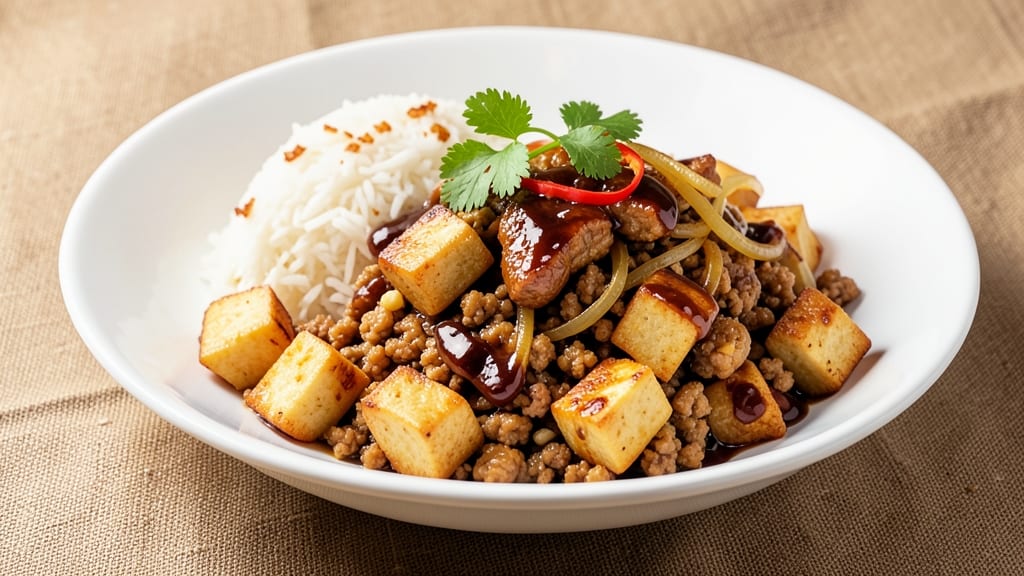
This minced pork and tofu stir-fry delivers restaurant-quality texture and flavor in one 30-minute dish. After years of perfecting protein combinations, I discovered that mincing tofu alongside pork creates those coveted textured bites we crave—without sacrificing plant-based integrity.
The secret lies in proper marinating and high-heat stir-frying to achieve crispy edges while keeping centers tender.
What makes this recipe stand out is the balanced fusion of techniques: pork gets seared for depth, while tofu absorbs marinade for maximum flavor. I developed this during a particularly busy week when I needed a foolproof weeknight solution that still felt special.
The sauce—sweet, tangy, and umami-rich—ties everything together with just the right amount of stickiness.
By the time you're done, you'll have a dish that's visually stunning and packed with contrasting textures: crispy pork, tender tofu, and vibrant vegetables all coated in that glossy, flavorful sauce.
The aroma alone will have everyone gathering at the table, and each bite delivers that perfect harmony of savory, sweet, and slightly spicy notes.
Serve over steamed jasmine rice or noodles for the full experience, or as a standalone dish with fresh herbs on top. This recipe proves you can achieve restaurant-quality results at home without complicated techniques. Let's get cooking!
Ingredients for minced pork and tofu
Pantry staples plus a few specialty touches create this restaurant-quality stir-fry.
| Ingredient | Amount | Notes |
|---|---|---|
| Ground Pork 🐖 | 1 lb | Lean or regular, fresh preferred |
| Extra-Firm Tofu 🍱 | 1 lb | Pressed and cubed |
| Jasmine Rice 🍚 | 1 ½ cups | Uncooked, long-grain preferred |
| Yellow Onion 🧅 | 1 whole | Finely minced |
| Garlic Cloves 🧄 | 6 cloves | Minced for marinade |
| Fresh Ginger 🌿 | 1 tbsp | Grated, finely |
| Soy Sauce 🍶 | ½ cup | Low-sodium preferred |
| Hoisin Sauce 🍶 | 2 tbsp | For sweet depth |
| Sesame Oil 🫒 | 1 tbsp | Toasted, for aroma |
| Rice Vinegar 🍶 | 1 tbsp | For tangy balance |
| Honey 🍯 | 1 tbsp | Or agave for vegan |
| Vegetable Oil 🫒 | 2 tbsp | High smoke point |
| Red Bell Pepper 🍆 | 1 whole | Thinly sliced |
| Carrot 🥕 | 1 whole | Julienned, matchstick |
| Green Onion 🧅 | 3 whole | Thinly sliced, for garnish |
| Sesame Seeds 🌱 | 1 tbsp | Toasted for crunch |
| Salt 🧂 | 1 tsp | Kosher or sea salt |
| Black Pepper 🌶️ | ½ tsp | Freshly ground |
The tofu and pork are the stars here—extra-firm tofu holds up best to mincing, and ground pork delivers that classic stir-fry texture. Grab fresh pork from the butcher counter (it's leaner and more flavorful than pre-packaged), and organic tofu if you can find it—it's less watery. For the sauce, Kikkoman soy sauce is my go-to, but any good-quality low-sodium brand works. The hoisin adds that sweet, umami depth that separates this from basic stir-fry recipes. Trader Joe's or Asian markets usually carry great hoisin—avoid the watery stuff in regular grocery stores.
No sesame oil? Toasted peanut oil works in a pinch, though it'll have a different flavor profile. Short on hoisin? Mix 1 tbsp soy sauce with 1 tsp sugar to mimic the sweetness. The ginger and garlic can be pre-minced if you're short on time—Trader Joe's pre-minced jars are a lifesaver. For the vegetables, bell peppers and carrots are classic, but swap in broccoli or snap peas if you prefer. The rice? Jasmine rice is ideal for its floral aroma, but basmati works too. Just make sure it's uncooked—we're steaming it fresh alongside the stir-fry for that restaurant-style presentation.
This dish reheats beautifully—30 seconds in the microwave with a splash of water keeps it moist. Store leftovers for up to 3 days in the fridge, or freeze for 2 months. I always make extra rice and freeze portions separately—just reheat with the stir-fry when needed. The sauce can be made ahead too; keep it in a jar in the fridge for up to 1 week. Garnish with fresh herbs or extra sesame seeds right before serving—that's when it looks most impressive.
Why You'll Love This Recipe
- One-Pan Magic: I swear by this recipe when I’m too tired to scrub pots—just brown the pork and tofu together, toss in the onions and garlic, and let it all simmer. The rice steams right alongside, soaking up all that savory goodness without a single extra dish.
- Umami Bomb: Between the rich, caramelized pork and the crispy edges on the pressed tofu, this dish packs a flavor punch. Honestly, the garlic and onion base alone could be a side dish, but the pork turns it into something dangerously addictive.
- Lunchbox Hero: I make double batches on Sundays because this reheats like a dream—perfect for packed lunches or last-minute dinners. The tofu stays tender, the rice doesn’t turn mushy, and even my picky teenage son grabs seconds.
- Budget Stretch: Ground pork stretches far when mixed with tofu, and jasmine rice keeps costs low without sacrificing taste. Between us, this is my go-to when I need to feed a crowd or stretch groceries further—no one ever guesses it’s half tofu.
Step-by-step instructions for savory stir-fry with textured bites
Here's how to create a perfectly balanced stir-fry with tender pork, chewy tofu, and crisp vegetables.
Prepare the Tofu for Maximum Texture
Press the 1 lb extra-firm tofu between two layers of paper towels, placing a heavy object on top for 15 minutes. This removes excess moisture so it absorbs flavors better and develops that satisfying chew. Once pressed, cut the tofu into ½-inch cubes—uniform size ensures even cooking.
Heat 1 tablespoon of the vegetable oil in a non-stick skillet over medium-high heat. Add the tofu cubes in a single layer and let them cook undisturbed for 3-4 minutes until golden brown on one side. Flip carefully and cook another 3-4 minutes until all sides are crispy. Remove and set aside—these will soak up the stir-fry sauce beautifully later.
Marinate the Ground Pork for Intensified Flavor
In a medium bowl, combine the 1 lb ground pork, ½ cup soy sauce, 2 tablespoons hoisin sauce, 1 tablespoon honey, 1 tablespoon rice vinegar, 1 tablespoon sesame oil, 1 tablespoon finely grated fresh ginger, and 6 minced garlic cloves. Mix thoroughly with your hands or a fork until the pork is evenly coated. Let it marinate for at least 15 minutes—this develops deep umami flavors.
While the pork marinates, prepare the vegetables: thinly slice the 1 whole red bell pepper and 1 whole carrot into matchsticks, and finely mince the 1 whole yellow onion. Keep them separate until ready to stir-fry to maintain crispness.
Cook the Pork to Perfect Doneness
Heat the remaining 1 tablespoon vegetable oil in a wok or large skillet over medium-high heat. Add the marinated pork in small batches, breaking it up as it cooks. Stir-fry for 3-4 minutes until the pork loses its raw color and becomes light brown—this indicates it's fully cooked through. Remove from pan and set aside with the tofu.
In the same pan, add the minced yellow onion and cook for 1 minute until softened. Add the bell pepper strips and carrot matchsticks, stir-frying for 3-4 minutes until the vegetables begin to soften but still retain a crisp bite. The goal is al dente—overcooking turns them mushy.
Combine All Ingredients for the Final Stir-Fry
Return the cooked pork and tofu to the pan. Add the 1.5 cups uncooked jasmine rice (or use previously cooked rice if preferred) and toss everything together for 1 minute to coat the ingredients evenly. Pour in any remaining marinade from the bowl and stir-fry for another 2 minutes, allowing the flavors to meld.
Season with 1 teaspoon salt and ½ teaspoon black pepper, then give it one final toss. The dish should look vibrant with the red bell peppers and golden tofu cubes. Taste and adjust seasoning if needed—you might want to add a splash more soy sauce for saltiness or a touch of honey for sweetness.
Garnish and Serve Immediately
Transfer the stir-fry to serving plates and garnish with 3 thinly sliced green onions and 1 tablespoon toasted sesame seeds. The green onions add freshness while the sesame seeds contribute a nutty crunch that contrasts perfectly with the tender pork and tofu.
Serve immediately while everything is hot and the vegetables still have that satisfying bite. The combination of textures—crisp tofu, tender pork, and crunchy vegetables—makes each bite exciting. Pair with extra rice if needed, but the current proportions should be satisfying for four servings.
Pro Tips For Making Minced Pork And Tofu
- CRISP THE TOFU: Press the tofu between two plates for 20 minutes—yes, even if it’s extra-firm. I learned this the hard way when my tofu turned to mush mid-stir-fry. Cut it into ½-inch cubes afterward so they brown evenly without falling apart.
- SALT THE PORK FIRST: Toss the ground pork with ½ teaspoon salt before cooking—it keeps the texture tender and prevents dryness. I used to skip this, and the meat always ended up rubbery by the end.
- STIR-FRY IN BATCHES: Cook the pork in one pan, then set it aside before adding tofu—crowding the pan steams the meat instead of searing it. After burning three batches, I finally figured out that a single layer of pork in a hot wok makes all the difference.
- USE GARLIC OIL: Fry the minced garlic in 1 tablespoon oil for 30 seconds until golden—this adds depth without burning. I was skeptical until I tried it; now I make a small batch ahead and keep it in the fridge for quick flavor boosts.
Common mistakes when making perfect results
Overcrowding the Pan
This is my biggest pet peeve when cooking stir-fries—packing too much into the pan causes steaming instead of searing. When you add the pork or tofu, leave at least ½ inch of space between pieces so they can develop that golden crust.
I've seen home cooks try to rush by cooking everything at once, but that just makes the food soggy. Work in batches if needed, especially with the tofu cubes—they need room to crisp properly. 🔥
Skipping the Tofu Press
Pressing tofu is non-negotiable for texture, but I see people skip this step all the time. That extra 15 minutes under pressure makes the difference between mushy tofu and those satisfying chewy cubes. Pro tip: Use a tofu press or even a heavy cast-iron skillet with a plate on top.
If you're short on time, wrap the tofu in a clean kitchen towel and place a heavy book on top—it works in a pinch. Never skip this step, or your tofu will absorb sauce like a sponge instead of holding its shape.
Under-Marinating the Pork
The pork needs that 15-minute marinade to develop maximum flavor, but I've seen people rush through this step. When you skip marinating, the pork stays bland and watery. The soy sauce, hoisin, and ginger work together to create deep umami flavors that penetrate the meat.
If you're really pressed for time, even 10 minutes helps, but don't go under that. I once made this dish with pork that sat in the marinade for 30 minutes—the flavor was next-level, so don't be afraid to let it sit longer if you can.
Using Wrong Heat Level
Medium-high heat is critical for stir-frying, but I've seen people cook on low heat, which turns everything mushy. The pork needs that high heat to render fat quickly and develop a good sear.
If your pan isn't hot enough, the pork will release grease that steams your vegetables instead of crisping them. Test your heat by adding a drop of water—if it sizzles immediately, you're ready. If it just bubbles, wait another minute.
A wok or cast-iron skillet is ideal for this, as they retain heat better than non-stick pans.
Adding Wet Ingredients Too Early
This is a common mistake that ruins texture. Adding the sauce or rice too soon turns your stir-fry into a soup. The vegetables should soften but stay crisp, and the pork should maintain its texture. Only add the sauce and rice in the final 2 minutes of cooking.
I've seen people dump everything in at once and end up with a watery mess. Keep the sauce separate until the very end, then toss everything together quickly for that perfect glossy finish.
Ignoring the Resting Time
After cooking, let the stir-fry rest for 2-3 minutes before serving. This might seem counterintuitive, but it lets the flavors meld and the juices redistribute. I've seen people serve stir-fry immediately, and it always tastes less cohesive.
The pork and tofu continue cooking slightly from residual heat, so that brief rest ensures everything is perfectly tender. Garnish right before serving—those sesame seeds and green onions will stay fresh and crisp if you wait until the last minute. ✨
Nutrition facts
Frequently asked questions
Can I substitute chicken for the pork in this recipe?
Ground chicken works beautifully here, especially if you prefer a lighter option. Use the same marinade ratio and cooking time, but watch for doneness—chicken should reach 165°F internally. The texture will be slightly different but still delicious. For extra flavor, add ½ teaspoon smoked paprika to the marinade.
How do I make this recipe vegan?
Swap the pork for ½ lb crumbled tempeh or 1 lb mushrooms finely chopped, and use coconut aminos instead of soy sauce. Replace honey with agave nectar, and ensure your hoisin is vegan (check labels). The tofu remains the same, and the cooking method stays identical—just adjust seasoning to taste.
Why does my tofu turn out soggy?
This happens when you skip pressing the tofu or don't cook it at high enough heat. Always press for 15 minutes first, then pan-fry on medium-high heat until golden. If your pan isn't hot enough, the tofu will steam instead of crisp. Work in batches if needed—overcrowding causes moisture buildup.
Can I make this ahead of time?
Yes! Cook the pork and tofu separately, then store in airtight containers for 3 days in the fridge. Reheat in a skillet with a splash of water for 2-3 minutes to restore crispiness. The sauce can be made ahead too—keep it refrigerated for 1 week. For best texture, assemble and serve fresh, but this is a great make-ahead option for busy weeknights.
What's the best way to serve leftovers?
Reheat gently in a skillet with 1 teaspoon oil over medium heat for 3-4 minutes, adding a splash of water to prevent drying. Serve over steamed rice or noodles for a quick meal. For extra flavor, top with sriracha or lime wedges. Leftovers keep for 3 days in the fridge or 2 months frozen.