
Main Courses
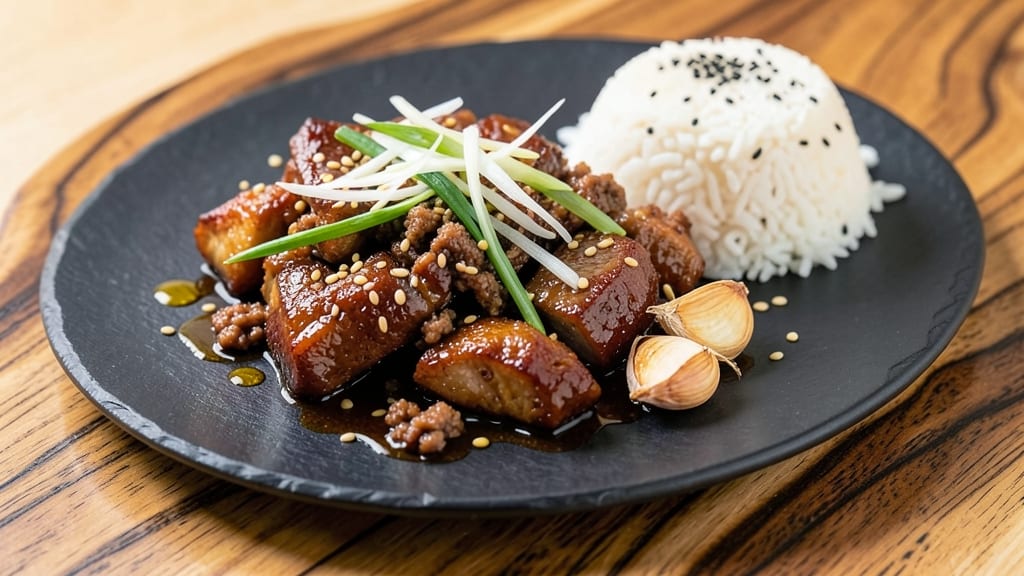
This minced pork bulgogi recipe transforms simple ground pork into a restaurant-worthy dish with caramelized edges and layers of sweet-savory flavor. 🔥 Born from Korean street food traditions, bulgogi delivers that perfect balance of umami, sweetness, and smoky char—exactly what makes it a crowd-pleaser.
The secret lies in marinating the pork overnight, allowing the flavors to meld deeply while keeping the texture tender yet crispy when seared.
What sets this recipe apart is the foolproof technique that combines traditional methods with modern convenience. You'll start with a marinade of soy sauce, sugar, sesame oil, and garlic that tenderizes the meat while building complex flavors.
The real magic happens when you sear the pork in a hot pan, creating those coveted caramelized edges that add depth without overpowering the delicate pork. This isn't just another stir-fry—it's a dish that transports you to a bustling Korean market with every bite.
By the time you plate this dish, you'll have perfectly seared pork with glossy, caramelized edges that contrast beautifully against the tender interior. The aroma alone will have everyone gathering at the table, and the first bite delivers that perfect harmony of sweet, savory, and slightly smoky notes.
Serve it over steamed rice, wrapped in lettuce leaves, or even atop noodles for a satisfying meal that feels both comforting and exciting.
One of the best things about this recipe is its versatility—it works equally well as a weeknight dinner or a special occasion dish. The marinade can be adjusted to suit your taste, and the cooking method is flexible enough for grilling or pan-frying.
Whether you're introducing Korean flavors to your family or looking to elevate your stir-fry game, this bulgogi recipe delivers professional-quality results with minimal effort.
Ingredients for minced pork bulgogi
Sweet, savory, and packed with umami—these ingredients bring Korean street food magic to your kitchen.
| Ingredient | Amount | Notes |
|---|---|---|
| Ground Pork 🥓 | 1 ½ lb | Lean or fatty, minced finely |
| Soy Sauce 🥄 | ½ cup | Korean-style preferred |
| Brown Sugar 🍯 | ½ cup | Packed, light or dark |
| Sesame Oil 🫒 | 2 tbsp | Toasted for aroma |
| Garlic Cloves 🧄 | 6 cloves | Minced finely |
| Ginger 🌿 | 1 tbsp | Fresh, grated |
| Rice Wine 🍶 | ¼ cup | Dry sherry substitute |
| Green Onions 🧅 | 4 whole | Sliced thinly |
| Sesame Seeds 🌰 | 1 tbsp | Toasted for garnish |
| Vegetable Oil 🫒 | 2 tbsp | High smoke point |
| Salt 🧂 | 1 tsp | Kosher or sea salt |
| Black Pepper 🌶️ | ½ tsp | Freshly ground |
| Red Pepper Flakes 🔥 | ½ tsp | Optional for heat |
The ground pork is where it all starts. Look for 80/20 lean-to-fat ratio at the grocery store's meat counter—it stays juicier during searing. Korean markets often have pre-minced pork with better texture, but any finely ground pork works. For extra flavor, ask for pork shoulder instead of regular ground pork. The soy sauce? Korean brands like Gochujang or Doenjang add depth, but regular soy sauce still delivers. Just make sure it's not low-sodium—we need that umami punch. Brown sugar is non-negotiable here; white sugar won't caramelize the same way, and the molasses notes are essential for that authentic bulgogi sweetness.
No sesame oil? Toasted sesame seeds blended with neutral oil works in a pinch, though it's not the same. Short on rice wine? Dry sherry or even a splash of apple cider vinegar keeps the acidity balanced. Fresh ginger is ideal, but if you're using powdered, reduce to half the amount—it's way more concentrated. The red pepper flakes are totally optional, but they add that smoky kick that makes this dish sing. Pro tip: Toast your sesame seeds in a dry pan for 30 seconds before adding them to the marinade—they'll release their nutty aroma and flavor. And if you're feeling fancy, add a splash of mirin to the marinade for extra brightness.
This marinade keeps for up to 3 days in the fridge, but the pork tastes best when marinated overnight. Portion the cooked bulgogi into airtight containers with a thin layer of oil on top to prevent drying. Reheats beautifully—just a quick stir-fry in a hot pan with a splash of water to keep it moist. Freezes for up to 2 months, though texture might get slightly softer after thawing. For serving, I always keep a small bowl of steamed jasmine rice ready—it soaks up all those gorgeous caramelized juices. And trust me, the leftovers make an amazing next-day lunch wrapped in lettuce leaves with a drizzle of extra sesame oil.
Why You'll Love This Recipe
- No-Chop Necessary: I swear by this one—just dump the ground pork into a bowl, no dicing, no fuss. The garlic gets minced fast, and the rest? Stir, simmer, serve. Twenty minutes max, and honestly, my kids think I’m some kind of culinary genius.
- Sweet-Savory Magic: That caramelized brown sugar and soy sauce combo? It’s what makes this dish ridiculously good. The sesame oil gives it this nutty depth, while the garlic keeps it bright—like a hug in your mouth, but better.
- Leftover Goldmine: Make a big batch, and you’ve got lunch for days. Toss it in rice bowls, wrap it in lettuce, or slather it on toast—it’s the kind of leftovers that don’t feel like leftovers. My freezer’s always stocked with this stuff.
- Budget-Friendly Feast: Ground pork stretches far, and the pantry staples (soy sauce, sugar, sesame oil) won’t break the bank. It’s my go-to for feeding a crowd without stressing over the grocery bill—plus, it’s way cheaper than takeout.
Step-by-step instructions for minced pork bulgogi
Here's how to create restaurant-quality bulgogi with caramelized edges and perfect texture.
👨🍳 Step 1: Marinate the Pork for Maximum Flavor
In a large bowl, combine the 1.5 lb ground pork with 0.5 cup soy sauce, 0.5 cup brown sugar, 2 tbsp sesame oil, 6 cloves minced garlic, 1 tbsp grated ginger, 0.25 cup rice wine, 1 tsp salt, 0.5 tsp black pepper, and 0.5 tsp red pepper flakes (if using). Mix everything together with your hands until the pork is thoroughly coated in the marinade.
This is where the magic happens—the longer the pork marinates, the more tender and flavorful it becomes. Cover the bowl and refrigerate for at least 30 minutes, but I recommend marinating overnight if you can. The sugars will start caramelizing slightly, creating those beautiful glossy edges we want in the final dish.
🔥 Step 2: Cook the Bulgogi Until Caramelized
Heat a large skillet or wok over medium-high heat and add 2 tbsp vegetable oil. Once the oil is shimmering, add the marinated pork in an even layer. Cook undisturbed for 3-4 minutes until the bottom starts to brown and caramelize—this is crucial for that authentic bulgogi texture.
Here's the thing—don't move the pork around yet. Let it develop that perfect crust. You'll know it's ready to stir when you see the edges start to crisp and pull away slightly from the pan. This initial sear locks in the juices and creates that signature caramelized flavor. Now stir-fry for another 4-5 minutes until the pork is fully cooked through and the sauce has thickened slightly.
🥘 Step 3: Finish with Aromatics and Garnish
Push the cooked bulgogi to one side of the pan and add the 4 whole green onions, sliced thinly. Stir-fry for 30 seconds until they soften slightly and become fragrant. Pour in any remaining marinade from the bowl and let it simmer for 1-2 minutes until it reduces slightly and coats the pork evenly.
Remove the pan from heat and sprinkle with 1 tbsp toasted sesame seeds. Toss everything together gently to distribute the seeds evenly. The sesame seeds add a delightful nutty crunch that contrasts beautifully with the tender pork and sweet-savory sauce. Taste and adjust seasoning if needed—you might want to add a splash more soy sauce or a pinch of sugar to balance the flavors.
🍽️ Step 4: Serve Immediately for Best Results
Transfer the bulgogi to a serving platter and garnish with additional sliced green onions if desired. This dish tastes best served immediately while the pork is still warm and the sauce is glossy. The caramelized edges should be slightly crisp, and the pork should be tender with a perfect bite.
Serve with steamed rice to soak up all that delicious sauce. I like to add a side of quick-pickled vegetables or a simple cucumber salad to cut through the richness. The combination of sweet, savory, and slightly spicy flavors makes this bulgogi irresistible—every bite is a perfect balance of textures and tastes.
Pro Tips For Making Minced Pork Bulgogi
- Cook the Pork Twice: First, sear the raw pork in a screaming-hot pan for 2-3 minutes—this kills bacteria and builds flavor. Then, finish cooking with the sauce on medium-low so the sugar caramelizes instead of burning. I learned this the hard way after serving rubbery bulgogi to skeptical guests.
- Grind Your Garlic Fine: No food processor? Use a mortar and pestle (or just smash cloves with the flat side of your knife) until it’s a paste—this releases more flavor than chopped chunks. I was skeptical until I tried it; the difference is noticeable, especially when paired with sesame oil’s nutty kick.
- Skip the Crowded Pan: Overfilling the pan steams the pork instead of browning it. Work in batches if needed—2-3 minutes per side on medium-high, with space between pieces. This isn’t the prettiest method, but it guarantees that caramelized crust everyone loves.
- Balance the Sugar Heat: Brown sugar burns fast. Add it after the pork has seared, then immediately lower the heat to medium-low. If you’re nervous, mix a teaspoon of water into the sugar first—it’ll dissolve faster and coat the meat evenly. (Yes, even if you’re impatient like me.)
Creative variations of these flavors
Korean-Inspired Lettuce Wraps
Transform your bulgogi into Korean-style lettuce wraps by serving it with butter lettuce or romaine leaves. Spoon about 2 tbsp bulgogi onto each leaf, add a few slices of kimchi for tang, and drizzle with extra sesame oil.
Roll tightly and serve with a side of spicy gochujang sauce for dipping. I love adding a few thinly sliced cucumber ribbons for crunch—it cuts through the richness beautifully. 🥬
Spicy Sriracha Bulgogi
For heat lovers, boost your marinade with 1 tbsp sriracha or 1 tsp gochugaru (Korean chili flakes). Stir it into the marinade before coating the pork, and let it sit for at least 1 hour to meld flavors.
The heat intensifies during cooking, so start with half the amount if you're sensitive to spice. Garnish with extra red pepper flakes and serve with cooling cucumber salad to balance the burn. 🌶️
Japanese Teriyaki Fusion
Swap the soy sauce for ½ cup teriyaki sauce and reduce the brown sugar to ¼ cup. Add 1 tbsp mirin and 1 tsp grated ginger to the marinade for a sweeter, glossier finish.
Cook the pork in a cast-iron skillet until caramelized, then finish with sliced green onions and a sprinkle of toasted sesame seeds. Serve over steamed jasmine rice with a side of edamame for a fusion twist. 🍶
Breakfast Bulgogi Tacos
Turn your bulgogi into breakfast tacos by serving it in warm corn tortillas with scrambled eggs and crumbled feta cheese. Top with pickled red onions and a drizzle of hot honey for sweetness.
The savory-sweet bulgogi pairs perfectly with the creamy eggs and tangy pickles—it's a brunch game-changer. I often add a sprinkle of crumbled bacon for extra richness. 🌯
Bulgogi Stuffed Peppers
Stuff halved bell peppers with your cooked bulgogi, then top with a sprinkle of mozzarella cheese and grated Parmesan. Broil for 3-4 minutes until the cheese melts and peppers soften.
Serve with a side of marinara sauce for dipping. The sweetness of the bulgogi complements the peppers' natural sugars, creating a comforting, hearty dish. Perfect for meal prep! 🌶️
Bulgogi Fried Rice
Use leftover bulgogi to make fried rice by combining 2 cups cooked rice, ½ cup bulgogi, 1 egg, and 2 tbsp soy sauce in a hot wok. Stir-fry with 1 tsp sesame oil until everything is heated through and slightly crispy.
Garnish with green onions and sesame seeds for extra flavor. This is my go-to way to use up leftovers—it’s quick, satisfying, and packed with flavor. ✨
Nutrition facts
Frequently asked questions
Can I use regular ground pork instead of minced pork for bulgogi?
Yes, but with one key adjustment! Regular ground pork has slightly larger pieces that won't caramelize as evenly. For best results, pulse it in a food processor for 10-15 seconds to create finer mincing. This helps achieve that signature bulgogi texture with crispy edges. If you can't mince it yourself, ask your butcher for pre-minced pork—they often carry it for Asian recipes.
How do I prevent the bulgogi from drying out when reheating?
Store cooked bulgogi in an airtight container with a thin layer of oil on top to lock in moisture. When reheating, use a nonstick pan on medium-low heat with 1 tbsp water or broth to steam and prevent drying. Stir frequently and cook for just 2-3 minutes—overheating is the #1 cause of dryness. For extra insurance, sprinkle a few drops of water while reheating to keep the sauce glossy.
What's the best way to adjust the sweetness level?
Start with the full 0.5 cup brown sugar for authentic flavor, then adjust to taste. For less sweetness, reduce to 0.3 cup and add 1 tbsp rice vinegar to balance. If you prefer more caramelization, increase sugar to 0.6 cup and cook the pork for 1 extra minute undisturbed. The sugar should melt into a glossy coating—this is what creates those irresistible edges!
Can I grill this bulgogi instead of pan-frying?
Preheat your grill to medium-high (400°F) and lightly oil the grates. Form the marinated pork into patties or leave as loose pieces. Cook for 3-4 minutes per side for medium doneness, basting occasionally with reserved marinade. The high heat will create beautiful grill marks and caramelization. For extra smoky flavor, add a few chopped wood chips (like hickory) to your grill.
Why did my bulgogi turn out too salty?
This usually happens when using low-sodium soy sauce or overestimating the salt content in other ingredients. For balance, add 1 tbsp honey or brown sugar to counteract the saltiness, or dilute with 1-2 tbsp water while cooking. If the dish is still too salty, serve it with extra rice or fresh fruit (like pineapple or mango) to cleanse the palate. Always taste your marinade before applying it fully—this is the best way to catch over-salting early!