
Main Courses
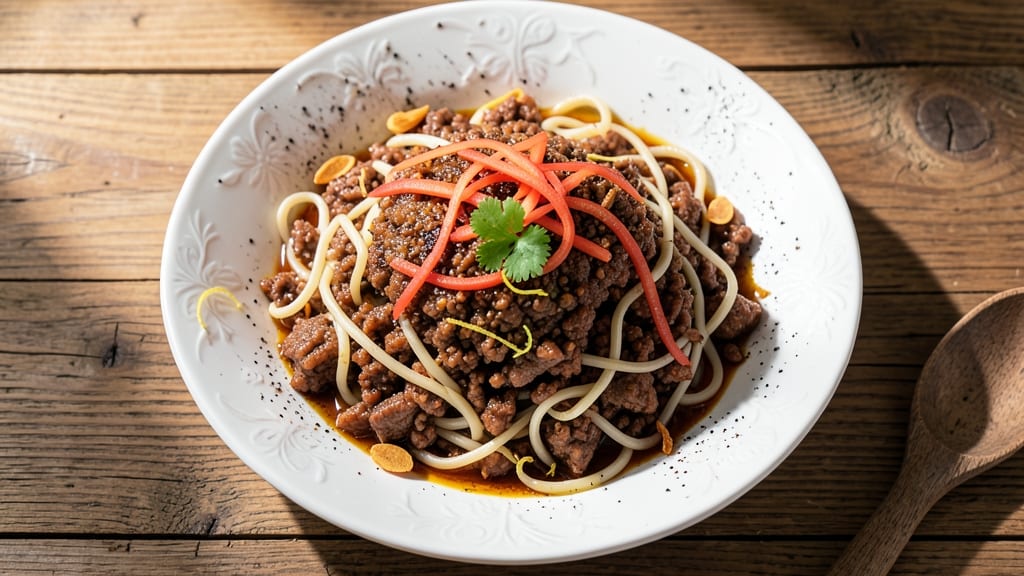
This one-pot minced pork noodle recipe delivers restaurant-quality flavor with minimal cleanup—just 30 minutes of active time and a single pot to wash. After years of perfecting stir-fries in my Atlanta kitchen, I've simplified the process without sacrificing depth.
The secret lies in properly searing the pork first, then building layers of umami through aromatics and soy sauce reduction.
The technique starts with high-heat stir-frying to develop a caramelized crust on the minced pork, then simmering until the sauce thickens into a glossy, savory glaze. Fresh egg noodles cook directly in the pot, absorbing all that rich flavor while maintaining their signature silky texture.
This isn't just a quick weeknight meal—it's a dish that transforms simple ingredients into something deeply satisfying.
What you'll end up with is a steaming bowl of tender pork and perfectly cooked noodles bathed in a sauce that's perfectly balanced—sweet from the soy, aromatic from the ginger, and just spicy enough to linger.
The pork stays juicy and flavorful while the noodles maintain their ideal bite. This recipe delivers restaurant-quality results with the convenience of a single pot.
Serve immediately with quick-pickled vegetables or sesame seeds for garnish, or let it sit for 10 minutes to develop even more flavor. The leftovers reheat beautifully, making this an ideal solution for busy nights when you still want something special on the table.
Let's get cooking—this dish is worth every minute.
Ingredients for minced pork noodle
Restaurant-quality minced pork noodles start with these 15 essential ingredients—each playing a precise role in the umami symphony.
| Ingredient | Amount | Notes |
|---|---|---|
| Minced Pork (Ground Pork) 🐖 | 1 lb | 80% lean, finely ground for even cooking |
| Fresh Egg Noodles 🍜 | 12 oz | Wide or medium egg noodles preferred |
| Light Soy Sauce 🥄 | ½ cup | Kikkoman preferred for authentic flavor |
| Dark Soy Sauce 🥄 | 1 tbsp | For deep color and complexity |
| Sesame Oil 🫒 | 1 tbsp | Toasted, for nutty aroma |
| Fresh Ginger 🧄 | 2 tbsp | Finely minced, peeled |
| Garlic Cloves 🧄 | 6 cloves | Minced, not pressed |
| Shaoxing Wine 🍷 | 2 tbsp | Or dry sherry as substitute |
| Brown Sugar 🍯 | 1 tbsp | Lightly packed |
| Cornstarch 🌾 | 1 tbsp | For sauce thickening |
| Vegetable Oil 🫒 | 2 tbsp | High smoke point for searing |
| Green Onions 🧅 | 3 whole | Sliced, white and green parts separated |
| Sesame Seeds 🌰 | 1 tsp | Toasted for garnish |
| White Pepper 🌶️ | ½ tsp | Freshly cracked for subtle heat |
| Red Chili Flakes 🔥 | ½ tsp | Adjust for preferred spice level |
The pork quality makes all the difference here. 80% lean ground pork from Whole Foods or local butchers delivers the best texture—avoid pre-mixed pork blends that often contain fillers. For authentic flavor, Kikkoman soy sauce is my go-to, though any high-quality brand works. Fresh ginger and garlic should be vibrant and firm, with no signs of drying. Shaoxing wine adds depth, but dry sherry in a pinch maintains the same umami profile. The egg noodles? Fresh is non-negotiable—dried noodles won't achieve that signature silky texture, though wide or medium cuts work best for maximum surface area to absorb the sauce.
No Shaoxing wine? Dry sherry or even a splash of rice vinegar bridges the flavor gap, though the sauce will lack some complexity. Substituting dark soy sauce with extra light soy plus a dash of molasses creates a similar depth. For the cornstarch slurry, arrowroot powder works identically if you're avoiding gluten. The sesame oil should be toasted, not flavored—the nutty aroma is essential. When mincing garlic, use a knife instead of a press to avoid pulping. And if you're sensitive to heat, reduce the chili flakes to one-quarter teaspoon or omit entirely. The pork can be swapped for ground chicken or turkey, though the fat content will differ.
This dish reheats beautifully—30 seconds in the microwave with a splash of water restores its silky perfection. Store leftovers in an airtight container for up to 3 days, though the noodles soften slightly each day. For longer storage, freeze portions for up to 2 months, thawing overnight in the fridge. The sesame seeds and green onions should be added fresh when serving, as they lose their brightness when cooked. For meal prep, I recommend making the sauce base ahead and storing it separately—just add the noodles and pork when ready to serve. The flavors actually deepen overnight, making this an ideal make-ahead option.
Why You'll Love This Recipe
- No-Chop Necessary: I swear by this—just crumble that pork with your fingers, no knife required. The noodles cook in minutes, and the soy sauces blend effortlessly while you stir. Honestly, it’s the kind of meal that makes me feel like a home cook and a lazy genius.
- Umami Bomb: That combo of light and dark soy sauce? It’s a flavor shortcut I’ll never unlearn. The dark sauce gives it that glossy, caramelized depth, while the light keeps it bright and savory. Add a drizzle of sesame oil at the end, and suddenly, you’ve got restaurant-quality richness without the fuss.
- Lunchbox Hero: Pack it cold or reheat it—this dish travels and tastes just as good the next day. I double the batch on Sundays because it’s my go-to for work lunches, kids’ school meals, or when I’m too tired to cook after a long shift. The noodles stay tender, and the pork stays juicy.
- Budget Win: Ground pork is cheap, noodles are cheap, and a splash of soy sauce stretches further than you’d think. Between us, this feeds four for under $10, and the leftovers? Even better the second day. It’s my secret weapon for feeding a crowd without breaking the bank.
Step-by-step instructions for minced pork noodle recipe
Here's how to create a rich, one-pot dish with perfectly balanced flavors and tender noodles.
Prepare the Aromatics and Marinate the Pork
In a large bowl, combine the 1 lb minced pork (ground pork) with the 2 tbsp finely minced fresh ginger, 6 cloves minced garlic cloves, 0.5 cup light soy sauce, 1 tbsp dark soy sauce, 2 tbsp Shaoxing wine, 1 tbsp brown sugar, and 0.5 tsp white pepper. Mix thoroughly with your hands until the pork is evenly coated and the aromatics are fully incorporated. This marinade develops deep umami flavors while tenderizing the pork.
Let the pork mixture sit at room temperature for 15-20 minutes while you prepare the remaining ingredients. This resting period allows the flavors to meld and the pork to relax, ensuring even cooking later. The mixture should look moist but not wet—if it appears too dry, add 1 teaspoon of water to help bind it.
Sear the Pork for Maximum Flavor
Heat a large wok or deep skillet over high heat until a drop of water sizzles violently. Add 2 tbsp vegetable oil and swirl to coat the pan evenly. Working in batches if needed (to avoid overcrowding), add the marinated pork and cook for 3-4 minutes until the pork loses its raw color and begins to brown in spots.
Use a wooden spoon to break up the pork into smaller, even pieces as it cooks. You're aiming for a deep brown crust on the exterior while keeping the interior juicy. Once fully browned, transfer the pork to a plate and set aside. Don't drain the pan—those flavorful browned bits are essential for building the sauce.
Build the Sauce and Cook the Noodles
Return the wok to high heat and add the 12 oz fresh egg noodles, stirring to coat them in the residual pork fat. Pour in 2 cups of hot water (enough to fully submerge the noodles) and bring to a boil. Once boiling, reduce heat to medium-low and simmer for 4-5 minutes, stirring occasionally, until the noodles are tender but still slightly firm—they'll finish cooking in the sauce.
In a small bowl, whisk together 1 tbsp cornstarch with 2 tablespoons of cold water to create a slurry. Add this to the wok along with 1 tbsp sesame oil and 0.5 tsp red chili flakes, stirring constantly. The sauce should begin to thicken immediately—if it's too thin, add another 1 tablespoon of cornstarch slurry. Return the seared pork to the wok and toss everything together for 1-2 minutes until the noodles are fully coated and the sauce has a glossy, velvety consistency.
Finish and Garnish for Perfect Presentation
Remove the wok from heat and stir in the 1 tsp toasted sesame seeds and the 3 whole green onions, sliced with white and green parts separated. The white parts should be chopped into small pieces while the green parts remain intact for garnish. Taste and adjust seasoning—you may need to add a splash more light soy sauce if the dish tastes too mild, or a pinch of white pepper if it needs more depth.
Transfer the noodles to serving bowls immediately, garnishing each portion with the reserved green onion tops and an additional sprinkle of sesame seeds. Serve while hot, as the noodles will continue to soften slightly as they cool. This dish is best enjoyed fresh, with the silky noodles perfectly absorbing the rich, umami-packed sauce.
Pro Tips For Making Minced Pork Noodle
- Preheat Your Wok: I learned this the hard way—cold metal means soggy noodles and greasy pork. Get that wok screaming hot before adding oil, then let it shimmer for 30 seconds. The high heat seals the pork’s juices instantly, keeping your noodles chewy and the meat tender, not rubbery.
- Salt the Noodles First: Fresh egg noodles need a quick 30-second soak in salted water (1 tsp salt per bowl) before cooking. This stops them from turning mushy when they hit the wok later—your future self will thank you when they hold their shape.
- Stir-Fry in Batches: Crowding the wok steams the pork instead of searing it. Cook half the minced pork first until it’s no longer pink, then push it to the sides and add the rest. This guarantees crisp edges and even browning, not a sad, watery mess.
- Finish with Dark Soy: Save the dark soy sauce for the very end—just a splash tossed with sesame oil over the hot noodles. It adds depth and a glossy sheen without overpowering the lighter soy or turning your dish into a muddy brown blob.
Best sauces and condiments for this minced pork noodle
Classic Soy-Ginger Sauce
This foundational sauce is where the magic happens—a perfect balance of light and dark soy sauce creates depth while fresh ginger and garlic add aromatic warmth.
I start by reducing ½ cup light soy sauce with 1 tbsp dark soy sauce over medium heat until it thickens slightly, then whisk in 2 tbsp minced ginger, 6 minced garlic cloves, and 2 tbsp Shaoxing wine.
Simmer for 3 minutes to meld flavors before adding the pork. The key is patience—rushing this step makes the sauce flat. 🌶️
Sesame Oil Finishing
Don't skip the toasted sesame oil at the end—this is what transforms a good dish into something extraordinary. I add 1 tbsp sesame oil just before tossing the noodles, letting it infuse for 30 seconds off the heat.
The nutty aroma wakes up every bite, and it prevents the sauce from tasting one-dimensional. For extra depth, I sometimes add a splash of hoisin sauce (about 1 tsp) when finishing—it adds a subtle sweetness that balances the saltiness. 🫒
Spicy Chili Oil Twist
If you love heat, elevate your dish with a drizzle of homemade chili oil before serving. I blend ½ cup neutral oil with 2 tbsp red chili flakes, 1 tsp Sichuan peppercorns, and 1 star anise pod, then heat on low until fragrant.
Strain and drizzle 1 tsp per serving—the tingling sensation from the peppercorns makes this dish unforgettable. For a milder version, skip the peppercorns and just use chili flakes. ⚡
Sweet and Tangy Variation
Craving something different? Swap the soy sauce for a honey-vinegar glaze—mix 3 tbsp honey, 2 tbsp rice vinegar, 1 tbsp soy sauce, and 1 tsp grated ginger.
Simmer until syrupy, then toss with the pork and noodles. The bright acidity cuts through the richness, making this perfect for summer. Garnish with crispy fried shallots for texture contrast. 🍯
Umami Bomb Sauce
For maximum depth, build a layered sauce using mushroom powder and fish sauce. After searing the pork, deglaze the pan with 2 tbsp dry sherry, then add 1 tsp mushroom powder and 1 tsp fish sauce (like Red Boat).
Simmer for 2 minutes before adding noodles—this adds an earthy, savory complexity that feels luxurious. Trust me, your taste buds will thank you. 💫
Nutrition facts
Frequently asked questions
Can I use ground pork instead of minced pork for this recipe?
The terms are interchangeable in this context. Look for 80% lean ground pork at your local butcher or grocery store—it's perfect for this dish. The key is to avoid pre-mixed pork blends that often contain fillers, which can make the texture less tender. For best results, pat the pork dry before cooking to help it brown properly.
What's the secret to getting the noodles perfectly cooked?
Fresh egg noodles are essential—they cook faster and maintain their signature silky texture. Start them in the wok with the pork fat, then add just enough water (2 cups) to fully submerge them. Simmer for 4-5 minutes until they're tender but still slightly firm—they'll finish cooking in the sauce. Overcooking turns them mushy, so keep an eye on them!
How can I make this dish less spicy?
Simply reduce or omit the red chili flakes entirely. For a milder version, you can also substitute with white pepper instead of black pepper, which adds subtle warmth without heat. If you accidentally added too much spice, a spoonful of plain yogurt or sour cream mixed into the sauce helps balance it out.
Can I make this recipe ahead of time?
Yes! Prepare the sauce base (everything except noodles) up to 2 days ahead and store it in an airtight container. When ready to serve, just reheat the sauce with fresh noodles and pork. The flavors actually deepen overnight, making it perfect for meal prep. For best texture, add the sesame seeds and green onions fresh when serving.
What's the best way to reheat leftovers?
Microwave for 30 seconds with a splash of water to restore moisture, then stir well. For stovetop reheating, add 1 tablespoon of water or broth to the pan and toss everything together over medium heat for 2-3 minutes. Avoid overcooking—the noodles will soften further as they sit. The sauce may thicken slightly when reheated, so you might need to add a little water if it becomes too dry.