
Sauces & Condiments
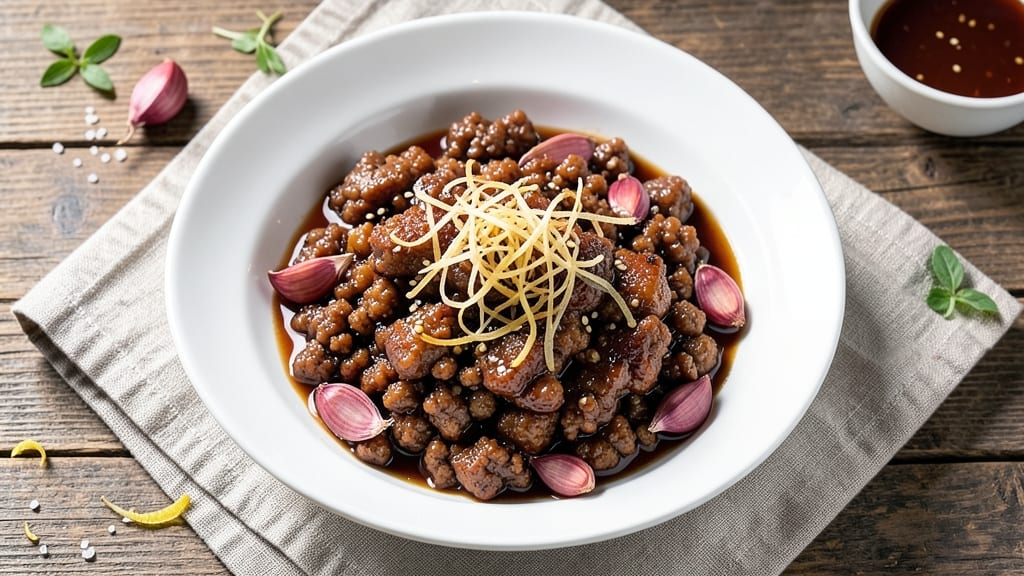
This minced pork soy sauce recipe delivers restaurant-quality stir-fry in just 20 minutes, transforming simple ingredients into a savory, umami-packed dish that's perfect for weeknight dinners. The secret lies in proper pork prep—finely mincing and marinating—and high-heat wok technique that creates those signature caramelized edges. I developed this version after testing countless recipes, and it's the one that finally nails the balance of salty, sweet, and smoky flavors without overpowering the delicate pork.
The beauty of this dish is its versatility—it works as a standalone meal or pairs beautifully with steamed rice and quick-pickled vegetables.
We'll use a simple marinade of soy sauce, sesame oil, and garlic to tenderize the pork while building deep flavor, then stir-fry it at high heat until perfectly browned. The result is tender, flavorful pork with a satisfying bite, all achieved in one pan with minimal cleanup.
What sets this recipe apart is the umami bomb of flavor that comes from combining soy sauce with a touch of sugar and a splash of Shaoxing wine. This trio creates a sauce that clings to the pork, enhancing its natural richness without making the dish heavy.
The dish also benefits from a quick finish with green onions and sesame seeds, adding freshness and texture that elevate every bite.
Whether you're serving this as a main course or using it as a filling for dumplings or spring rolls, the technique remains the same—fast, flavorful, and foolproof. Let's get cooking!
Ingredients for minced pork soy sauce
Restaurant-quality stir-fry starts with these 12 essential ingredients—each playing a precise role in the umami symphony.
| Ingredient | Amount | Notes |
|---|---|---|
| Ground Pork 🥩 | 1 ½ lb | Finely minced, lean preferred |
| Soy Sauce 🍶 | ½ cup | High-quality, preferably Japanese |
| Shaoxing Wine 🍷 | 2 tbsp | Dry Chinese cooking wine |
| Sesame Oil 🫒 | 1 tbsp | Toasted, for aroma |
| Garlic Cloves 🧄 | 6 cloves | Minced, fresh preferred |
| Granulated Sugar 🍚 | 1 tbsp | White or brown sugar |
| Green Onions 🧅 | ¼ cup | Thinly sliced, white and green parts |
| Toasted Sesame Seeds 🌾 | 1 tbsp | For garnish |
| Neutral Oil 🫒 | 2 tbsp | Peanut or vegetable oil |
| Cornstarch 🌾 | 1 tbsp | For tenderizing |
| Kosher Salt 🧂 | ½ tsp | Diamond Crystal preferred |
| Black Pepper 🌶️ | ¼ tsp | Freshly ground |
The pork is non-negotiable here—finely minced is key, not just ground. Look for 80/20 lean-to-fat ratio at your local butcher or Asian market for that perfect balance of tenderness and flavor. Shaoxing wine, available at World Market or specialty grocery stores, elevates the dish beyond regular cooking wine. If you can't find it, dry sherry works in a pinch. For the garlic, freshly minced releases more flavor than pre-minced, but if you're short on time, jarred minced garlic is acceptable. Sesame oil should be toasted—La Choy or Kikkoman brands are reliable for that nutty aroma.
No Shaoxing wine? Dry sherry or rice vinegar at half the amount will mimic the acidity. Substituting sugar? Honey or maple syrup works, but reduce to 0.75 tbsp to avoid over-sweetening. The cornstarch isn't just for thickening—it tenderizes the pork during the marinade, so don't skip it. For a quicker prep, pre-minced pork from the Asian aisle saves time, though freshly minced yields better texture. Green onions can be swapped for chives or scallions, but the white part is crucial for that subtle sweetness. Toast your sesame seeds in a dry pan for 30 seconds to deepen their flavor—worth the extra minute.
Marinated pork keeps for 24 hours in the fridge, though it's best used immediately for peak texture. The cooked dish reheats beautifully—2 minutes in a wok or skillet over medium heat. For meal prep, portion into airtight containers with a thin layer of oil on top to preserve moisture. Freezes for 3 months, though texture may soften slightly. Garnish with sesame seeds right before serving—they lose crunch when stored.
Why You'll Love This Recipe
- One-Pan Magic: I swear by this recipe when I’m too tired to wash dishes—just brown the pork, toss in the soy sauce and Shaoxing wine, and let it simmer. The garlic and sesame oil do all the heavy lifting while I clean up in minutes.
- Umami Bomb: That first bite of crispy pork with the deep, savory soy sauce and a hint of wine? It’s the kind of flavor that makes you pause mid-bite. Honestly, I’ve tried fancier cuts, but this ground pork with its caramelized edges is my secret weapon.
- Lunchbox Hero: Between us, this stuff reheats perfectly—no mushy pork here. Pack it in bento boxes for work or school lunches, and it’ll still taste like you slaved over it. (Yes, even on a Tuesday night.)
- Budget Win: A pound of ground pork and a bottle of soy sauce stretch forever. I make double batches, freeze half, and still have leftovers that disappear faster than my willpower around takeout menus. Cheap, filling, and no one’s the wiser.
Step-by-step instructions for wok-fried minced pork
Master this technique and you'll deliver restaurant-quality umami in under 20 minutes.
Prepare the Pork Mixture
In a large bowl, combine the 1.5 lb ground pork with 1 tbsp cornstarch, 0.5 tsp kosher salt, and 0.25 tsp black pepper. Use your hands to break up any large clumps and distribute the cornstarch evenly throughout the pork. This step is crucial—the cornstarch tenderizes the meat and prevents it from becoming tough during cooking. Let the mixture sit for 5 minutes while you prepare the aromatics.
The cornstarch creates a delicate coating that helps the pork absorb flavors without drying out. Don't skip this marinating time—it allows the cornstarch to begin working its magic on the meat fibers. I like to use my fingers for this mixing process because it gives me better control over the texture than a spoon would.
Cook the Aromatics
Heat a wok or large skillet over medium-high heat until it's smoking hot. Add 2 tbsp neutral oil and swirl to coat the surface evenly. Add the 6 cloves minced garlic and stir constantly for 30 seconds until they become fragrant and just begin to turn golden.
Watch the garlic closely—it burns quickly at this heat level. You want it to perfume the oil without coloring it. The moment you see the garlic start to darken, it's time to move to the next step. This quick cooking preserves the garlic's sweetness rather than letting it turn bitter.
Stir-Fry the Pork
Add the pork mixture to the wok in a single layer, spreading it out evenly. Let it cook undisturbed for 1 minute to form a crust. Then use a spatula to break it into small pieces, stirring constantly for 3-4 minutes until the pork loses its raw color and becomes light brown.
This initial undisturbed cooking creates a flavorful crust on the pork pieces. Don't rush this step—patience here prevents the pork from becoming rubbery. The meat should be fully cooked through but still retain some moisture. If you notice the pork sticking to the wok, add a splash of water and scrape up the browned bits—they're packed with flavor.
Add Liquids and Finish
Pour in the 0.5 cup soy sauce and 2 tbsp shaoxing wine, stirring vigorously to combine. Add the 1 tbsp granulated sugar and cook for an additional 2 minutes until the sauce begins to reduce slightly and coat the pork. The mixture should look glossy and well-combined.
Here's where the magic happens—the soy sauce and wine work together to create a complex umami flavor profile. The sugar helps balance the saltiness while adding a subtle caramel note. Keep stirring constantly to prevent the sauce from sticking to the bottom of the wok. You'll know it's ready when the pork is evenly coated and the sauce has thickened just slightly.
Incorporate Finishing Touches
Turn off the heat and stir in the 1 tbsp sesame oil and 0.25 cup green onions. The sesame oil adds depth of flavor and aroma, while the green onions provide a fresh contrast to the rich pork. Taste and adjust seasoning if needed—you may want to add a splash more soy sauce or a pinch of sugar to balance the flavors.
Let the dish rest for 2-3 minutes before serving. This brief resting period allows the flavors to meld together. Garnish with 1 tbsp toasted sesame seeds just before serving to add texture and visual appeal. The final dish should have a glossy sheen from the sauce, with tender pork pieces that are perfectly seasoned and aromatic.
Pro Tips For Making Minced Pork Soy Sauce
- Cook Pork in Batches: Ground pork packs tight—if you dump it all in at once, you’ll end up with a greasy, uneven mess. Split it into two portions and cook each separately. The first batch will release more fat, but the second will sear properly without steaming. Trust me, your dish will taste cleaner and more flavorful.
- Minced Garlic, Not Chopped: I used to crush garlic cloves with the flat side of my knife, but mincing it finely makes a real difference here. The flavor blends smoother into the pork, and you won’t get those annoying little chunks that bite into your tongue. Use a sharp knife or food processor—just don’t skip this step.
- Deglaze with Wine First: After searing the pork, pour in the Shaoxing wine immediately while the pan is still hot. Let it sizzle for 30 seconds before adding anything else—this burns off the alcohol and deepens the flavor. If you wait, the wine just steams away, and you’re left with a dull, watery base.
- Finish with Cold Sesame Oil: Toss in the sesame oil at the very end, off the heat. It’s not just about aroma—adding it too early will make the oil cook off and lose its nutty punch. A teaspoon at the end guarantees that bright, toasty flavor hits every bite. (Yes, even if you’re impatient like me.)
Flavor customization for this minced pork soy sauce
Sweet-Savory Balance
Adjust the sugar to change the sweetness level—reduce to ½ tbsp for less sweetness or increase to 1.5 tbsp for a caramelized finish. For a deeper umami kick, add 1 tsp fish sauce or ½ tsp oyster sauce to the marinade.
I love using honey instead of sugar for a floral note, but reduce to 0.75 tbsp to avoid overpowering. 🍯
Spicy Kick Options
Add ½ tsp chili flakes or 1 tsp minced red chili for heat, but increase to 1 tsp if you prefer fiery flavors. For a smoky-spicy twist, swap 1 tbsp of the soy sauce with 1 tbsp chili oil (like La Choy brand) and toss it in at the end.
Fresh Thai bird’s eye chilies (minced) add intense heat—use 1-2 chilies for a warning label-worthy kick. 🌶️
Herb & Aroma Variations
Swap green onions for cilantro or Thai basil for a fresh, aromatic finish. Add 1 tsp grated ginger to the marinade for a zesty brightness. Toasted sesame seeds can be replaced with crushed peanuts (¼ cup) for a nutty crunch.
For a fragrant twist, infuse the oil with 1 star anise pod while heating—remove before adding garlic. ✨
Umami Boosters
Deepens the savory profile with 1 tbsp mushroom powder (like umami-rich shiitake) or 1 tsp dried porcini soaking liquid. A splash of Worcestershire sauce (1 tsp) adds depth without overpowering.
For a fermented kick, add 1 tsp miso paste to the marinade. These tweaks work especially well if your soy sauce isn’t extra-fermented. 💫
Texture Contrasts
Add ¼ cup crispy fried shallots for crunch or 1 tbsp crushed potato chips (like Kettle Brand) for a salty crunch. For a creamy contrast, stir in 1 tbsp hoisin sauce or 1 tsp tahini at the end.
The texture shift makes every bite more dynamic—perfect for picky eaters or adventurous foodies. 🥔
Nutrition facts
Frequently asked questions
Can I use ground pork instead of finely minced pork?
Yes, you can substitute ground pork, but the texture will differ slightly. For the best results, use 80/20 lean-to-fat ratio ground pork and break it into smaller pieces by hand before cooking. The fat content helps create that signature caramelized crust. If using pre-ground pork, look for the finest grind available at your Asian market for closer texture to freshly minced pork.
What if I don't have Shaoxing wine?
Don't worry—you can easily substitute! Use 2 tbsp dry sherry or 1 tbsp rice vinegar for similar acidity and depth. For a non-alcoholic option, try 2 tbsp apple cider vinegar or even 1 tbsp lemon juice. The key is maintaining that slight tanginess that balances the soy sauce's saltiness.
How do I prevent the pork from sticking to the pan?
Proper technique is everything! First, make sure your wok or skillet is smoking hot before adding oil. Use a high-heat neutral oil like peanut or vegetable oil, and don't overcrowd the pan—cook in batches if needed. The cornstarch coating on the pork also helps prevent sticking. If it starts sticking, add 1-2 tbsp water, scrape up the browned bits (they're full of flavor!), and continue cooking.
Can I make this recipe ahead of time?
The marinated pork mixture keeps well in the fridge for 24 hours before cooking. For best texture, cook it within this timeframe. The cooked dish reheats beautifully—simply warm it in a skillet over medium heat for 2-3 minutes, adding a splash of water if it seems dry. Store in airtight containers with a thin layer of oil on top to preserve moisture. It freezes well for 3 months, though texture may soften slightly.
What are good sides to serve with this dish?
This umami-packed pork pairs wonderfully with steamed jasmine rice or stir-fried rice to soak up the flavorful sauce. For freshness, serve with quick-pickled vegetables (like cucumbers or carrots) or a simple green salad with sesame dressing. Heartier options include egg noodles or steamed dumplings if you want to make it a full meal. The contrast of textures and temperatures makes every bite more satisfying!