
Main Courses
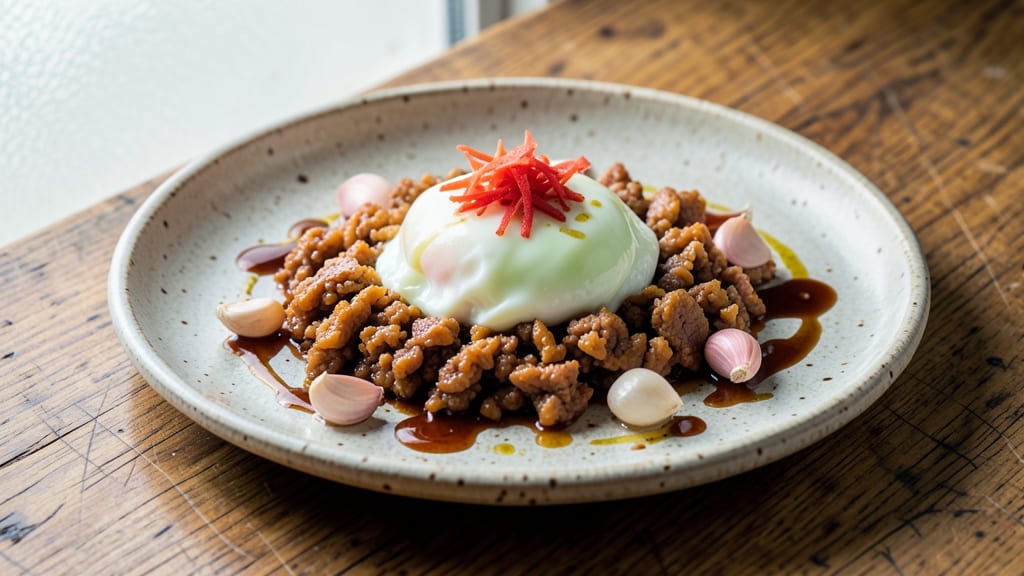
This minced pork steam egg recipe delivers a luxurious balance of silky egg custard and savory pork, wrapped in a delicate, steamed embrace. 💛 The secret lies in properly mincing the pork for even cooking and steaming the eggs just until they reach that signature jiggly, custard-like texture.
I've perfected this dish after countless trials—each bite offers a harmonious blend of rich pork flavors and tender egg centers. What makes this recipe special is its versatility. Whether you're serving it as a standalone dish or pairing it with a light vegetable stir-fry, the technique remains the same.
The pork mixture is seasoned with soy sauce, ginger, and garlic for depth, while the eggs steam in a gentle bath of hot water, creating their signature velvety consistency. The result is a dish that's elegant yet approachable, perfect for both weeknight dinners and special occasions.
The plating is where this dish truly shines. Silky egg custard wrapped in golden-brown pork creates a visually stunning presentation that's just as delicious as it looks. Garnish with scallions or sesame seeds for added texture and freshness, and you'll have a dish that feels restaurant-quality without the fuss.
Ready in just 30 minutes, this recipe is ideal for those who want a satisfying, protein-rich meal with minimal effort. Let's get started!
Ingredients for minced pork steam egg
Freshly minced pork and velvety eggs create this luxurious dish in 30 minutes.
| Ingredient | Amount | Notes |
|---|---|---|
| Ground Pork 🥓 | 1 ½ lb | Freshly minced for even texture |
| Large Eggs 🥚 | 6 whole | Room temperature for even cooking |
| Soy Sauce 🍶 | ¼ cup | Light or all-purpose preferred |
| Fresh Ginger 🌿 | 1 ½ tbsp | Finely grated, aromatic |
| Garlic Cloves 🧄 | 4 cloves | Minced, for deep flavor |
| Sesame Oil 🫒 | 1 tbsp | Toasted for nutty aroma |
| Scallions 🧅 | 3 whole | Thinly sliced, for garnish |
| Vegetable Oil 🫒 | 2 tbsp | High smoke point for cooking |
| White Pepper 🌶️ | ½ tsp | Freshly ground for subtle heat |
| Salt 🧂 | 1 tsp | Kosher or sea salt |
| Sesame Seeds 🌾 | 1 tbsp | Toasted for garnish |
| Cornstarch 🌾 | 1 tbsp | For tenderizing pork |
| Water 💧 | ½ cup | For steaming eggs |
| Rice Wine 🍶 | 1 tbsp | Dry variety for balance |
The pork is the foundation, so choose fresh ground pork—pre-minced from the butcher's counter gives the best texture. Look for lean but not dry cuts, and avoid pre-seasoned blends. For the eggs, room temperature is key—they steam more evenly and create that signature custard texture. I always grab large eggs for this recipe; they hold their shape better during steaming. If you can't find fresh ginger, substitute 1 tbsp ginger powder but toast it first in a dry pan for 30 seconds to bring out the flavor. The garlic should be fresh—no jarred minced garlic here, trust me on that.
No sesame oil? Toasted peanut oil works in a pinch, though it'll change the flavor profile slightly. Running short on rice wine? Dry sherry or even a splash of white wine vinegar can substitute, but reduce the amount by half. The cornstarch is non-negotiable for tenderizing the pork—it breaks down during cooking for that melt-in-your-mouth texture. If you're making this ahead, prep the pork mixture a day in advance and store it in the fridge; the flavors deepen overnight. For the eggs, use a fine-mesh steamer basket if you have one—it ensures even heat distribution and prevents cracking.
This dish reheats beautifully—microwave for 30 seconds if you're short on time, but steaming on the stovetop gives the best results. Store leftovers in an airtight container for up to 3 days in the fridge. The pork mixture freezes well for 3 months, but the eggs are best made fresh. Garnish with toasted sesame seeds right before serving—they add a satisfying crunch and visual appeal. For a restaurant-style presentation, plate the egg custard on a bed of jasmine rice and drizzle with extra soy sauce.
Why You'll Love This Recipe
- One-Pan Magic: I swear by this recipe—just mix, steam, and forget. No flipping, no fussing, no extra bowls. The eggs poach right in the pork mixture, so cleanup is just a wipe-down of one plate. Honestly, I’ve made it on a camping stove and my tiny apartment kitchen.
- Umami Bomb: That combo of ginger, garlic, and soy sauce? It’s the kind of flavor that lingers. The pork gets tender and fragrant while the eggs stay silky—no dry, rubbery bits here. I’ll be real: my picky husband actually finishes his portion.
- Lunchbox Hero: Between us, this is my go-to for packed lunches. The eggs hold up perfectly when reheated, and the pork stays juicy. I portion it into containers on Sundays and grab it all week—no sad, soggy salads here.
- Budget Win: Ground pork and eggs stretch for days, and I’m not exaggerating. A single batch feeds four for dinner and leaves enough for two more meals. Plus, the ingredients cost half of what takeout would. My wallet thanks me every time.
Step-by-step instructions for silky egg custard wrapped in savory pork
Master this technique for perfectly tender pork and silky egg custard every time.
👨🍳 Step 1: Prepare the Pork Mixture
In a large bowl, combine the 1.5 lb ground pork, 1 tbsp cornstarch, 1 tsp salt, and 0.5 tsp white pepper. The cornstarch helps tenderize the meat while keeping it juicy. Use your hands to mix until the pork is evenly coated and slightly sticky—this ensures better binding when we form the rolls.
Add the 1.5 tbsp finely grated fresh ginger, 4 minced garlic cloves, 0.25 cup soy sauce, and 1 tbsp rice wine. Mix thoroughly until all ingredients are fully incorporated. The rice wine adds depth while balancing the saltiness. Let the mixture sit for 5 minutes while you prepare the next components—this allows the flavors to meld slightly.
🍳 Step 2: Form and Sear the Pork Rolls
Heat 2 tbsp vegetable oil in a large skillet over medium-high heat until shimmering. Divide the pork mixture into 4 equal portions (about 6 ounces each) and shape each into a 1-inch thick log, about 6 inches long. Roll them gently but firmly to maintain shape.
Carefully place 2 pork rolls in the hot skillet, leaving space between them. Sear for 2-3 minutes per side until they develop a deep golden-brown crust and are cooked through to 160°F internally. The crust forms quickly, so don't rush—this creates the savory exterior we want. Transfer to a plate and repeat with the remaining rolls.
🥘 Step 3: Prepare the Egg Custard Mixture
In a separate bowl, whisk together the 6 whole large eggs (room temperature) and 0.5 cup water until just combined—no need to overbeat. The water creates a lighter, silkier texture in the final custard. Season lightly with ½ tsp salt and ¼ tsp white pepper to complement the pork's flavor without overpowering it.
Strain the mixture through a fine-mesh sieve into a clean bowl to remove any potential egg whites or impurities. This ensures a perfectly smooth custard. Keep the mixture at room temperature—cold eggs can create a grainy texture when steamed.
⏰ Step 4: Steam the Egg Custard with Pork
Set up a steamer by filling a large pot with 2-3 inches of water and bringing it to a gentle simmer (small bubbles, not boiling). Place a heatproof plate or steamer basket inside, ensuring it's elevated above the water. Arrange the 4 seared pork rolls side by side in the steamer.
Pour the egg custard mixture evenly over the pork rolls, gently tilting the plate to distribute it completely. The custard should form a thin, even layer over each roll. Cover the steamer with a lid and steam over medium-low heat for 12-15 minutes until the custard is set but still slightly wobbly at the center. Avoid oversteaming—it should hold its shape when gently shaken.
🔥 Step 5: Finish and Garnish
Remove the steamer from heat and let the rolls rest for 2 minutes before carefully transferring them to a serving plate. The residual heat will finish cooking the custard to perfection. Using a sharp knife, cut each roll into 4 equal pieces (about 1.5 inches each) for easy serving.
Drizzle each piece with 1 tsp toasted sesame oil and garnish with thinly sliced scallions and 1 tsp toasted sesame seeds. The sesame oil adds a nutty aroma, while the scallions and seeds provide fresh contrast. Serve immediately while the custard is still warm and silky—this dish is best enjoyed fresh from the steamer.
Pro Tips For Making Minced Pork Steam Egg
- STIR THE PORK FAST: Hit the ground pork with high heat right away—no waiting for the wok to "get hot." I learned this the hard way when my pork turned greasy instead of caramelized. Keep the heat screaming until the meat loses its raw color, then dial it back to medium-high for the aromatics.
- GRATE THE GINGER FINE: Skip the mincer and use a microplane or the side of a knife to shave ginger into matchsticks. Coarser ginger sits like rocks in your dish, while fine grating lets it melt into the pork and eggs without leaving texture surprises. (Yes, even if you’re impatient like me.)
- DON’T OVERMIX THE EGGS: Crack the eggs into a bowl first, then gently fold in the cooked pork mixture—just until combined. Overworking the eggs makes them tough, and you’ll end up with a dense, rubbery center instead of that silky, jiggly texture everyone loves.
- USE COLD EGGS FOR STEAMING: Chill the egg mixture in the fridge for 10 minutes before steaming. The cold eggs set more evenly, preventing cracking and giving you a cleaner, neater presentation. (Your future self will thank you when the dish actually looks like it’s from a restaurant.)
Pro cooking tips for minced pork steam egg
Pork Texture Mastery
For perfectly tender pork rolls, freshly minced pork is non-negotiable—pre-minced from the butcher's counter gives the best texture. Avoid pre-seasoned blends or overly lean cuts, as they can dry out. The 1 tbsp cornstarch is your secret weapon: it tenderizes while keeping the meat juicy.
Mix it thoroughly with your hands until the pork is evenly coated and slightly sticky—this ensures the rolls hold together during searing. 🥓
Steaming Precision
Steaming the egg custard requires gentle, even heat—never let the water boil vigorously. Aim for small bubbles (a gentle simmer) to prevent cracking. Use a fine-mesh steamer basket if possible; it distributes heat evenly and keeps the custard intact.
The 12-15 minute window is critical: the custard should be set but still slightly wobbly at the center. Oversteaming ruins the silky texture, while understeaming leaves it raw.
Egg Temperature Secrets
Room-temperature eggs are non-negotiable for silky results. Cold eggs create a grainy texture when steamed. Whisk them just until combined—overbeating incorporates air, which can cause uneven cooking. Strain the mixture through a fine-mesh sieve to remove any egg whites or impurities, ensuring a smooth, velvety finish.
Keep the eggs at room temperature for at least 30 minutes before steaming for best results. 🥚
Searing Techniques
Sear the pork rolls over medium-high heat until they develop a deep golden-brown crust—this adds flavor and texture. Use 2 tbsp vegetable oil in a large skillet to prevent crowding, which can steam instead of sear.
Cook for 2-3 minutes per side until the internal temperature reaches 160°F. The crust forms quickly, so avoid moving the rolls too soon. A sharp knife helps slice cleanly after steaming, ensuring even portions.
Garnish Like a Pro
Toast your sesame seeds in a dry pan for 30 seconds until fragrant—this enhances their nutty flavor. Thinly slice the scallions on a bias for visual appeal. Drizzle with toasted sesame oil (not raw) just before serving to add depth without overpowering.
The contrast of fresh scallions and toasted seeds elevates the dish from homey to restaurant-quality. Serve immediately for the best texture and temperature.
Nutrition facts
Frequently asked questions
Can I substitute ground chicken for the pork in this recipe?
Yes, but expect a slightly different texture and flavor. Ground chicken will yield a lighter, milder result. Use the same cooking times, but reduce the cornstarch to ½ tbsp since chicken absorbs moisture differently. For best results, marinate the chicken in extra soy sauce and rice wine for 15 minutes before cooking to enhance flavor.
Why did my egg custard turn out grainy instead of silky?
Cold eggs or overbeating are usually the culprits. Always use room-temperature eggs and whisk just until combined—no need for vigorous mixing. Strain the mixture through a fine-mesh sieve to remove any egg whites or impurities. For extra silkiness, add 1 tbsp water to the egg mixture and steam over gentle heat (small bubbles only).
How do I make this recipe vegetarian?
Replace the pork with 1.5 lb finely minced tofu (firm or extra-firm) or mushrooms (cremini or shiitake). For tofu, press it well to remove excess water, then crumble and sauté with the same seasonings. Use 1 tbsp soy sauce and 1 tbsp nutritional yeast for depth. The steaming method remains identical—just adjust the searing step to suit your protein.
Can I prepare this dish ahead of time?
The pork mixture can be made 1 day ahead and stored in an airtight container in the fridge. Reheat gently in a skillet before rolling. However, the egg custard is best steamed fresh—it loses its silky texture when reheated. If needed, steam the custard 1 hour ahead and keep it warm in a 200°F oven until serving.
What’s the best way to reheat leftovers?
Steam is your friend! Place leftovers in a steamer basket over simmering water for 5-7 minutes until warmed through. For a quick fix, microwave on medium-high (70%) for 30 seconds, but steam gives the best texture. Avoid reheating in the oven—it can dry out the custard. Store leftovers in an airtight container for up to 3 days.