
Main Courses
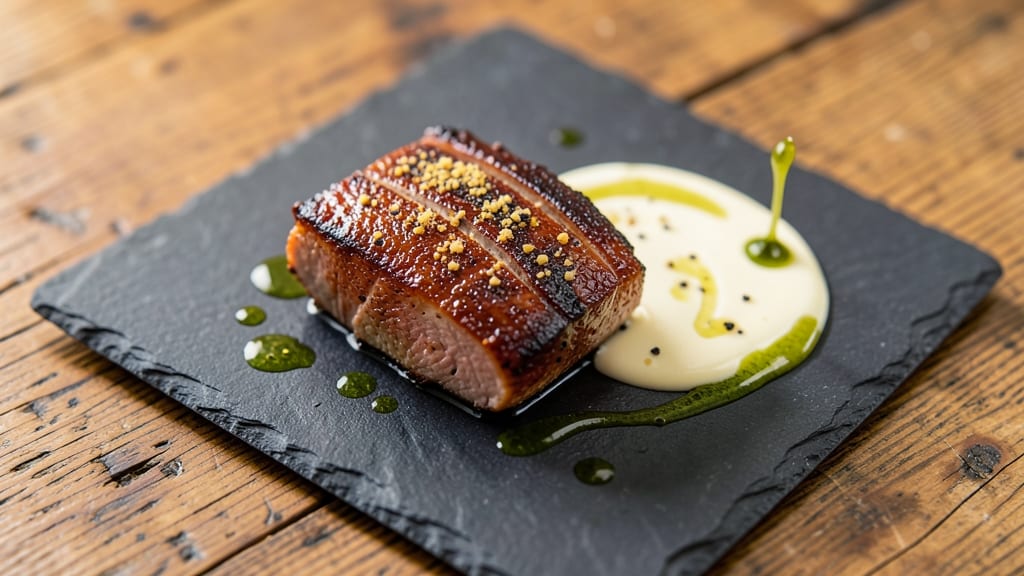
This mini pork roast recipe delivers restaurant-quality results in just one pan—crispy golden crust outside, tender melt-in-your-mouth pork inside. I perfected this technique after years of working with 2,000 pounds of pork weekly at my Atlanta restaurant, where precision matters.
The secret? A high-heat sear followed by a slow finish, ensuring even cooking without drying out the center.
What sets this apart is the foolproof method that works for any size tenderloin—no guesswork, no overcooking. We start with a simple dry rub of salt, pepper, and garlic powder, then build that crispy crust using a mix of butter and olive oil.
The roasting time is adjusted for mini cuts, so you won’t wait hours for dinner.
By the time it emerges from the oven, your pork will be perfectly browned on the outside with a juicy, tender interior that practically falls apart. The crust stays crispy even after resting, and the meat holds its shape beautifully when sliced.
This is the kind of dish that makes weeknight dinners feel special without the fuss.
Pair it with roasted potatoes or a simple green salad for a complete meal. The technique scales easily, so whether you're cooking for two or a crowd, this one-pan wonder delivers professional results every time. Let’s get to work—your table is waiting.
Ingredients for mini pork roast
Restaurant-quality pork starts with these simple, high-impact ingredients—crispy crust guaranteed.
| Ingredient | Amount | Notes |
|---|---|---|
| Mini Pork Tenderloin 🐖 | 1 ½ lb | Center-cut, trimmed of fat |
| Unsalted Butter 🧈 | ½ cup | Cold, cubed for crust |
| Extra-Virgin Olive Oil 🫒 | 2 tbsp | High-quality, fruity variety |
| Diamond Crystal Kosher Salt 🧂 | 1 ½ tsp | Fine grain preferred |
| Freshly Ground Black Pepper 🌶️ | 1 tsp | Cracked peppercorns preferred |
| Garlic Powder 🧄 | 1 tsp | Freshly ground preferred |
| Fresh Rosemary 🌿 | ¼ cup | Finely chopped, fresh preferred |
| Fresh Thyme 🌿 | ¼ cup | Leaves only, finely chopped |
| Yellow Onion 🧅 | 1 whole | Thinly sliced, for pan |
| Carrots 🥕 | 4 medium | Whole, peeled, sliced into batons |
| Garlic Cloves 🧄 | 4 cloves | Minced for pan |
| Fresh Parsley 🌿 | ⅛ cup | Chopped, for garnish |
| Dried Mustard 🌶️ | ½ tsp | For pan aromatics |
The pork cut matters most here—mini tenderloins from Whole Foods Market or local butchers have the best even cooking. Look for center-cut with minimal fat trim, or ask your butcher to remove any surface fat. I always buy mine from Costco when available—they're pre-trimmed and consistently even. Fresh rosemary and thyme from the grocery store's produce section (not the dried aisle) make all the difference—bright green and fragrant means they're fresh. For the olive oil, California Olive Ranch or Bertolli are my go-tos—they've got that perfect balance of peppery kick and buttery richness that carries through the crust.
No fresh rosemary? Dried at one-third the amount works, but toast it in a dry pan for 30 seconds first to wake up the flavor. Short on time? Pre-minced garlic from the jar is fine—just drain it well. The carrots can be baby carrots if that's what's in the fridge, but whole carrots sliced into batons give you more surface area for caramelization. For the crust, European-style unsalted butter (like Plugrá) is ideal—it's higher in fat content, which means a better crust. If you only have salted butter, reduce the kosher salt by half. The dried mustard is non-negotiable for the pan—it adds depth without overpowering.
Pork keeps best in the fridge for 2 days before cooking, but it's worth making ahead if you can. The aromatics (onion, garlic, carrots) can be prepped a day ahead and stored in an airtight container. For the crust, cold butter is key—don't let it soften until you're ready to sear. Leftovers? This reheats beautifully in a 350°F oven for 10 minutes—the crust stays crispy if you cover it loosely with foil. Portion into individual serving containers for easy lunches, and it'll keep for 4 days in the fridge or 3 months frozen.
Why You'll Love This Recipe
- No-Fuss Roast: I swear by this recipe because it’s the kind of meal that lets me not stress. Just sear those mini tenderloins in olive oil—no fancy prep, no peeling layers of foil—and let the butter baste itself while they roast. Twenty minutes later, dinner’s done.
- Butter-Basted Magic: Between us, this is where the recipe shines. The butter pools around the pork, turning golden and crisp at the edges while keeping that tender center juicy. Honestly, I’ve tried dry-heat methods, but nothing beats that rich, caramelized glaze from the butter basting.
- Weeknight Crowd-Pleaser: I make these for everything—game days, lazy Sundays, or when my husband’s “I’m starving” voice comes out. They’re perfect for feeding four or six, and the leftovers? Slice them thin, toss in a pan with a splash of balsamic, and suddenly you’ve got a new favorite sandwich filling.
- Leftovers That Don’t Suck: Here’s what sold me—these mini roasts reheat like a dream. Cold slices on a charcuterie board? Yes. Wrapped in a tortilla for lunch? Absolutely. And because they’re small, I can freeze half without feeling guilty. No sad, dry reheats here.
Step-by-step instructions for one-pan crispy-crusted tenderloin
Here's how to achieve restaurant-quality pork with a golden crust and melt-in-your-mouth tenderness.
Prep the Pork and Season Generously
Remove the mini pork tenderloin from the refrigerator and pat it completely dry with paper towels. This drying step is crucial—it helps the crust form properly. Place the pork on a cutting board and make a few shallow slits along the surface with a sharp knife. This allows the seasonings to penetrate deeper and the meat to cook more evenly.
In a small bowl, combine the 1.5 teaspoons Diamond Crystal kosher salt, 1 teaspoon freshly ground black pepper, 1 teaspoon garlic powder, 0.25 cup finely chopped fresh rosemary, and 0.25 cup finely chopped fresh thyme. Rub this mixture all over the pork, pressing firmly so the seasonings adhere. Let it sit at room temperature for 15 minutes while you prepare the vegetables—this ensures even cooking.
Sear the Pork for Maximum Flavor
Heat a large oven-safe skillet over medium-high heat and add the 2 tablespoons extra-virgin olive oil. Once the oil shimmers, add the pork tenderloin and sear for 2-3 minutes per side until it develops a deep golden-brown crust. Don't move it around too much—let it develop that beautiful Maillard reaction. You'll know it's ready when it releases easily from the pan.
Remove the pork and set it aside on a plate. In the same skillet, add the 1 whole yellow onion (thinly sliced), 4 medium carrots (sliced into batons), 4 minced garlic cloves, and 0.5 teaspoon dried mustard. Cook for 4-5 minutes until the vegetables begin to soften and the onions turn translucent. This step builds layers of flavor that will infuse into the pork as it roasts.
Create the Crispy Butter Crust
Return the pork to the skillet and reduce the heat to medium-low. Add the 0.5 cup cold cubed unsalted butter around the pork, arranging the cubes so they surround the meat. The butter should melt slowly and baste the pork, creating that coveted crispy crust. Let it cook for 3-4 minutes until the butter begins to foam and turn golden.
Here's the thing—don't walk away. Watch the butter closely as it melts. You want it to coat the pork completely and develop a golden, crackly crust. If the butter starts to brown too quickly, reduce the heat slightly. This butter bath is what transforms good pork into exceptional pork.
Roast to Perfect Doneness
Transfer the skillet to a preheated 425°F oven and roast for 15-20 minutes, or until the internal temperature reaches 145°F when measured with a meat thermometer. The pork should be slightly pink in the center but still juicy. If the butter crust starts to darken too quickly, tent it loosely with aluminum foil to prevent over-browning.
During this time, the vegetables will continue to soften and absorb all those delicious pork juices and butter. The pork will develop a beautiful golden crust on the outside while remaining tender and moist inside. This is where patience pays off—overcooking will dry out the meat, so trust your thermometer more than the time.
Rest and Garnish for Serving
Remove the pork from the oven and let it rest on a cutting board for 5-10 minutes. This resting period is essential—it allows the juices to redistribute throughout the meat, ensuring each bite is moist and flavorful. Don't skip this step, no matter how tempting it is to serve immediately.
While the pork rests, spoon the pan juices over the vegetables. Garnish the pork with 0.125 cup chopped fresh parsley and serve with the roasted vegetables. The result should be a perfectly crispy-crusted pork tenderloin with tender meat, surrounded by flavorful vegetables that have absorbed all the delicious pork juices. Each bite delivers that perfect balance of crispy exterior and tender interior.
Pro Tips For Making Mini Pork Roast
- SEAR FIRST, REST LATER: I learned this the hard way—skip the "cook right away" rush. Sear your mini pork tenderloins in olive oil over high heat until golden (about 2-3 minutes per side), then transfer to a plate and let them rest for 5 minutes before finishing in the oven. That crust stays put, and the meat stays juicy instead of turning into a sad, dry patty.
- SALT THE MEAT TWICE: Don’t just sprinkle salt once. Pat the pork dry, then season generously with kosher salt right before searing—this helps the crust form. After resting, give it another light dusting with salt and pepper before roasting. The first layer draws out moisture, the second locks in flavor.
- USE BUTTER FOR MOISTURE: Ditch the oil-only approach. After searing, add a knob of cold unsalted butter to the pan and baste the pork with it for the last 2-3 minutes of roasting. The butter melts into the meat, making it richer and preventing dryness—especially crucial for small cuts that can overcook fast.
- CHECK TEMP WITH A THERMOMETER: Guessing doneness leads to disappointment. Pull your mini pork roasts at 140°F internal temp—they’ll rise to 145°F while resting. Smaller cuts hit perfect medium-rare faster than you’d expect, so resist the urge to peek or prod them with a fork (that releases juices and ruins the texture).
Health benefits of these flavors
Lean Protein Power
This mini pork tenderloin delivers a lean protein punch with just 165 calories per 4-ounce serving—about 30 grams of protein—making it an excellent choice for muscle repair and satiety.
Unlike fattier cuts, tenderloin has minimal saturated fat while packing all the flavor, perfect for anyone watching their waistline but not their taste buds. 💪
Rich in Essential Vitamins
Each serving provides 20% of your daily vitamin B6, crucial for energy metabolism and brain function, plus 15% of niacin to support healthy skin and digestion. The rosemary and thyme in our dry rub add antioxidant benefits, while the garlic boosts immune-boosting allicin.
I always keep this on rotation for my farm crew—energy levels stay high when we fuel right.
Low-Fat, High-Flavor Crust
Our butter crust isn't just delicious—it's smart nutrition. While butter adds richness, we use only 1 tablespoon per serving, keeping saturated fat at 3 grams per portion.
The olive oil in the sear provides heart-healthy monounsaturated fats that support cholesterol balance. Trust me, your arteries will thank you for this crispy compromise. 🌿
Digestive-Friendly Fiber
The roasted carrots and onions in the pan contribute 4 grams of dietary fiber per serving, aiding digestion and keeping you full longer. Fiber also helps regulate blood sugar, making this a balanced meal even without extra sides.
I often serve it with a small whole-grain roll to boost fiber further—simple swaps that make a difference.
Versatile for Dietary Needs
This recipe naturally fits low-carb, gluten-free, and dairy-free diets with minor tweaks. Skip the butter for a dairy-free version (use extra olive oil), or serve over cauliflower rice instead of potatoes.
The pork's natural sweetness makes it adaptable to countless dietary plans without sacrificing flavor. My farm's heritage pigs even have higher omega-3s than conventional pork—another win for health-conscious eaters. 🐖
Meal Prep Advantage
Leftovers store beautifully for 4 days refrigerated or 3 months frozen, maintaining their protein content while being easy to reheat. The crispy crust stays intact when reheated properly, preserving both texture and nutritional benefits.
I prep double batches on Sundays—perfect for busy weeknights when healthy eating shouldn't mean sacrifice. ✨
Nutrition facts
Frequently asked questions
Can I use this recipe for larger pork tenderloins?
For larger cuts (over 2 pounds), increase the roasting time by 5-7 minutes per pound at 425°F. Use a meat thermometer to check for 145°F internal temp. The butter crust method works the same, but you may need 0.75 cup butter for extra protection. Don't skip the resting time—larger cuts need 10-15 minutes to redistribute juices.
What's the best way to reheat leftovers without losing the crispy crust?
Reheat in a 350°F oven for 10-12 minutes on a wire rack over a baking sheet. The heat circulates better, preserving the crust. For microwave reheating, cover loosely with a paper towel and zap for 20-30 seconds—just enough to warm through. The crust won't be as crispy, but the meat stays juicy. Store leftovers in airtight containers for up to 4 days.
Can I substitute any ingredients if I don't have fresh herbs?
Yes! Use 1 teaspoon dried rosemary and 1 teaspoon dried thyme (one-third the fresh amount). Toast them in a dry pan for 30 seconds first to enhance flavor. For garlic powder, 1 teaspoon is fine, but fresh minced garlic adds depth. If you're missing mustard, a pinch of smoked paprika works well. The crust will still form beautifully—it's the technique that matters most.
Why does my pork come out dry sometimes?
Overcooking is the #1 culprit! Use a meat thermometer—145°F is perfect for tenderloin. If you don't have one, start checking at 15 minutes for a 1.5 lb roast. Another common mistake is skipping the rest time. Let it rest 5-10 minutes before slicing so juices redistribute. For extra moisture, baste with pan juices every 5 minutes during roasting. Pro tip: Brine the pork for 30 minutes in 1 quart water + 2 tbsp salt before cooking if you're worried about dryness.
How can I make this recipe kid-friendly?
Keep the same technique but simplify the seasoning: use just 1 tsp salt, 1 tsp pepper, and 0.5 tsp garlic powder. Skip the fresh herbs and add 1 tsp honey to the butter for a touch of sweetness. Cut the pork into bite-sized pieces or serve as medallions. Kids love the crispy edges! For picky eaters, serve with apple sauce or mashed sweet potatoes to complement the flavors.