
Main Courses
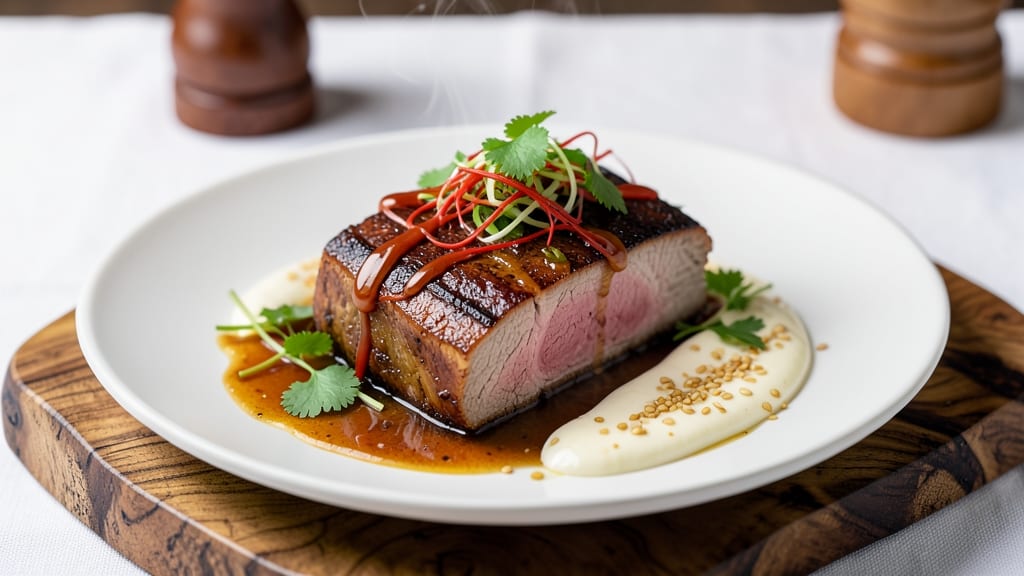
This miso glazed pork loin recipe transforms simple pork into a restaurant-worthy centerpiece with deep umami flavor and melt-in-your-mouth tenderness. 🔥 As someone who's spent years perfecting pork cuts at The Smoky Pig, I know the secret lies in balancing sweet, salty, and fermented notes—creating that signature caramelized crust while keeping the interior silky.
The marinade does all the work, letting the pork develop complex layers of flavor overnight.
The beauty of this method is its versatility—whether you're roasting in the oven or searing on the grill, the technique remains the same. We'll use a foolproof approach that ensures perfect doneness every time, with internal temperatures that guarantee juicy results.
What makes this recipe stand out is how it bridges traditional Japanese miso techniques with Southern cooking precision, delivering a dish that feels both elegant and approachable.
By the time you serve this, your table will be greeted with a golden-brown crust that crackles with every bite, hiding tender pork beneath. The miso glaze adds a sticky-sweet contrast that cuts through the richness, while the interior remains so tender it nearly falls apart.
This is the kind of dish that elevates a weeknight dinner into something special—without requiring advanced skills.
Pair it with roasted sweet potatoes or a simple Asian-inspired salad to complete the meal. The leftovers reheat beautifully, making it perfect for meal prep. Let's get started on creating pork that tastes like it came from a high-end restaurant, but made with techniques you can master at home.
Ingredients for miso pork loin
Pork loin, miso, and honey form the perfect trio for this umami-rich, restaurant-quality dish.
| Ingredient | Amount | Notes |
|---|---|---|
| Pork Loin 🥩 | 2 lb | Center-cut, bone-in preferred |
| White Miso Paste 🧈 | ½ cup | High-quality, fermented deeply |
| Honey 🍯 | ⅓ cup | Wildflower for floral notes |
| Soy Sauce 🥄 | ¼ cup | Kosher or Japanese preferred |
| Rice Vinegar 🍶 | ⅛ cup | Seasoned for balance |
| Sesame Oil 🫒 | 1 tbsp | Toasted sesame for aroma |
| Garlic Cloves 🧄 | 6 cloves | Minced, fresh preferred |
| Fresh Ginger 🌿 | 2 tbsp | Grated, peeled, fresh |
| Olive Oil 🫒 | 2 tbsp | For searing, high smoke point |
| Brown Sugar 🍚 | 2 tbsp | Light or dark, packed |
| Diamond Crystal Kosher Salt 🧂 | 1 ½ tsp | For seasoning and marinade |
| Freshly Ground Black Pepper 🌶️ | ½ tsp | Cracked peppercorns preferred |
| Toasted Sesame Seeds 🌾 | 1 tbsp | For garnish, optional |
The pork loin is your canvas here—center-cut, bone-in for even cooking and maximum flavor. Whole Foods or your local butcher will have the best quality, but any well-marbled loin works. Look for good fat distribution and vibrant color. If you can't find white miso, red miso at half the amount adds depth but expect a darker crust. The honey should be wildflower or clover—avoid processed brands that lack floral notes. For the sesame oil, Trader Joe's or Asian markets carry the toasted variety that makes all the difference.
No white miso? Substitute with 0.25 cup red miso plus 0.25 cup mirin for a similar umami punch. Fresh ginger is ideal, but dried ginger at half the amount works in a pinch. The brown sugar can be swapped for maple syrup if you're avoiding refined sugar. For the soy sauce, Japanese tamari adds a gluten-free option with extra depth. If you're grilling instead of roasting, brush on extra glaze during the last 5 minutes—the high heat caramelizes the sugars faster. The garlic should be minced finely, almost paste-like, to distribute flavor evenly.
Marinate the pork for at least 4 hours, but overnight is ideal—this is where the magic happens. Store the marinade in a sealed container in the fridge, and plan to use it within 2 days for peak flavor. The cooked pork loin reheats beautifully—wrapped in foil at 350°F for 10 minutes restores moisture without drying it out. Portion into containers with a drizzle of the reserved glaze for easy meal prep. The glaze keeps for 1 week in the fridge, perfect for drizzling over rice or noodles later.
Why You'll Love This Recipe
- Same recipe, different vibes: slice it thin for quick stir-fry bowls or serve it whole for guests. The rice vinegar adds brightness, so it’s never boring.
- Foolproof Marination: I swear by this—just slather the pork loin with miso, honey, and soy, then let it sit. No fancy techniques, no stressing over timing. The miso does all the work while you sip your coffee.
- Sweet-Savory Magic: That honey-sweetened miso glaze caramelizes into a sticky, umami-rich crust. It’s rich but not heavy, salty but balanced—like a hug in sauce form.
- Weeknight to Dinner Party: Same recipe, different vibes: slice it thin for quick stir-fry bowls or serve it whole for guests. The rice vinegar adds brightness, so it’s never boring.
Step-by-step instructions for miso glazed pork loin
Here's how to create a restaurant-quality miso glaze with a perfect balance of sweet, salty, and umami flavors.
🍳 Step 1: Sear the Pork Loin for Maximum Flavor
Heat a heavy skillet or cast iron pan over medium-high heat until it's smoking hot. Add the 2 tablespoons olive oil and swirl to coat evenly. Place the 2 lb pork loin in the pan, fat-side down, and press gently to create even contact with the surface. Let it sear undisturbed for 4-5 minutes until a deep golden-brown crust forms.
Here's the thing—don't rush this step. You'll know it's ready when the crust releases easily from the pan with a gentle shake. Flip the pork and sear the other side for another 3-4 minutes. The goal is that beautiful caramelized exterior that locks in all those juices during cooking. Transfer the seared pork to a plate and let it rest while you prepare the miso glaze.
👨🍳 Step 2: Create the Umami-Packed Glaze
In a medium saucepan, combine the 0.5 cup white miso paste, 0.33 cup honey, 0.25 cup soy sauce, 0.125 cup rice vinegar, 2 tablespoons brown sugar, 6 minced garlic cloves, and 2 tablespoons grated fresh ginger. Place over medium heat and stir constantly with a wooden spoon for 5-7 minutes until the mixture thickens slightly and becomes aromatic.
You'll notice the miso paste starts to dissolve and the mixture takes on a rich, caramel color. This is where all that umami magic happens—the miso and soy sauce working together to build deep, savory complexity. Once it reaches a smooth, syrupy consistency (it should coat the back of a spoon), remove from heat and stir in the 1 tablespoon sesame oil. This final addition adds that nutty aroma that'll make your kitchen smell amazing.
🔥 Step 3: Roast with the Glaze for Perfect Texture
Preheat your oven to 375°F. Return the seared pork loin to the skillet and spoon about ⅓ of the miso glaze over the top, making sure to coat all sides evenly. Transfer the skillet to the preheated oven and roast for 25-30 minutes, basting with remaining glaze every 10 minutes. The pork is done when its internal temperature reaches 145°F and a meat thermometer inserted into the thickest part shows no pink juice.
Here's where precision matters: the pork should be perfectly pink in the center with a slight bounce when pressed—it'll carry over to medium-rare doneness. If you prefer it more well-done, add 5-10 minutes to the cooking time, but I promise you'll love that juicy center. The glaze should be thick and sticky, forming that beautiful crust we're after.
⏰ Step 4: Rest and Garnish for Presentation
Remove the pork from the oven and transfer it to a cutting board. Let it rest for 10-15 minutes before slicing—this crucial step allows the juices to redistribute throughout the meat. While it rests, spoon any remaining glaze from the pan over the top of the pork and sprinkle with 1 tablespoon toasted sesame seeds for that final touch of texture and aroma.
I know it's tempting to cut into it immediately, but trust me on this resting time. When you finally slice against the grain into ½-inch thick portions, you'll be rewarded with perfectly tender meat that stays juicy with every bite. The glaze should be glossy and sticky, clinging beautifully to each slice. Serve immediately with steamed rice and roasted vegetables to let all those flavors shine.
Pro Tips For Making Miso Pork Loin
- Thin the Miso First: White miso paste is thick—don’t just dump it. Mix 1 tablespoon of warm water (not boiling) with the miso paste until it’s smooth enough to drizzle. This keeps the glaze from clumping on the pork and ensures even coating. (Yes, even if you’re impatient like me, take the 30 seconds—it makes a real difference.)
- Sear in Stages: Pork loin can release moisture in a rush when you sear it. Start with a hot pan, but don’t overcrowd—work in batches if needed. After the first sear, pull the pork out, tent loosely with foil, and let it rest 5 minutes before finishing with the miso glaze. This locks in juices instead of steaming them out.
- Balance the Sweetness: Honey and miso are a match made in heaven, but too much honey can turn your glaze into syrup. For every 2 tablespoons of honey, add 1 teaspoon of rice vinegar. The acid cuts through the sweetness and brightens the whole dish—trust me, your taste buds will notice.
- Don’t Overglaze: Less is more with miso pork loin. After searing, brush on just enough glaze to coat the meat lightly—about 1-2 tablespoons total. Overdoing it turns the pork into a sticky mess. Let the residual heat caramelize the glaze in the last minute of cooking, not drown the meat in it. (Your future self will thank you.)
Make-ahead tips for this dish
Marinade Prep Ahead
Prepare the miso marinade up to 3 days in advance—this gives the flavors time to meld beautifully. Store it in an airtight container in the fridge, and the pork can soak in it for 24 hours before cooking.
I often make a double batch because the leftover glaze is perfect for brushing on grilled veggies or drizzling over rice. 💫
Pork Prep Timeline
Plan your cooking day around the pork's 24-hour marinating window. After marinating, pat the pork dry with paper towels and let it sit at room temperature for 30 minutes before searing—this ensures even cooking.
I keep a small timer on my phone for this step because it's easy to forget!
Glaze Storage
The leftover miso glaze keeps for 1 week in the fridge, making it ideal for meal prep. Portion it into small containers for easy reheating—just warm in a saucepan over low heat for 2-3 minutes until smooth.
I use it to glaze tofu or drizzle over noodles when I'm short on time.
Cooking Day Strategy
On cooking day, sear the pork first thing in the morning if you're grilling—this gives you time to handle the glaze and oven work without rushing. For oven cooking, preheat while the pork rests, so everything's ready when you are.
I always set my oven to 375°F and let it preheat for 15 minutes to ensure consistent heat.
Make-Ahead Slicing
Slice the cooked pork loin into ½-inch thick portions and store in an airtight container with a drizzle of reserved glaze. It reheats beautifully in the microwave for 1-2 minutes on high, or in the oven at 350°F for 10 minutes wrapped in foil.
The glaze keeps it moist and flavorful.
Freezer-Friendly
For longer storage, freeze the cooked pork in single-serving portions with glaze. Thaw overnight in the fridge, then reheat gently to preserve texture. I've kept this recipe in my freezer for 2 months with no quality loss—just add 5 extra minutes to the reheating time for frozen portions. 🔥
Nutrition facts
Frequently asked questions
Can I use red miso instead of white miso in this recipe?
You can substitute red miso, but use only ¼ cup (half the amount) to avoid an overly strong, bitter flavor. Red miso has deeper color and more complex taste, so it'll create a darker glaze. For balance, add ¼ cup mirin to the marinade to complement its intensity.
How do I adjust the recipe for a larger crowd?
For 6 servings, double all ingredients and use a 3-4 lb pork loin. Increase oven time to 40-45 minutes and check internal temp at 145°F. The key is maintaining the same marinade-to-meat ratio—too much pork can dilute the flavor. Use two skillets if searing.
What's the best way to reheat leftovers without drying them out?
Warm in a 350°F oven for 10-15 minutes wrapped in foil with a splash of water or reserved glaze. For microwave reheating, cover with a damp paper towel and use 50% power for 1-2 minutes. Never reheat above 165°F to prevent rubbery texture.
Can I grill this pork loin instead of roasting?
Sear first on direct heat, then move to indirect heat at 325°F for 20-25 minutes. Brush with extra glaze in the last 5 minutes for a smoky-sweet crust. Use a meat thermometer—grilling can dry out pork faster than oven roasting.
Why did my pork turn out dry?
Most likely, you skipped the 10-15 minute rest or overcooked past 145°F. Always use a meat thermometer—the pork's natural juices need time to redistribute. For extra moisture, add 1 tablespoon butter to the glaze before roasting.