
Main Courses
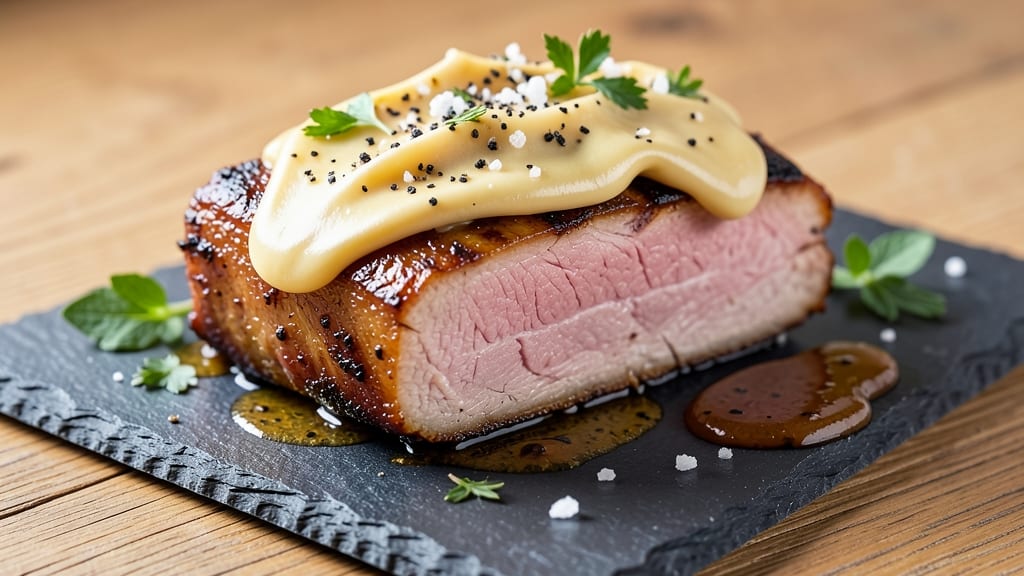
This 2-lb boneless pork loin roast recipe delivers the perfect balance of crispy pan-seared crust and juicy pink centers—a technique I perfected after years of working with pork at The Smoky Pig.
The secret lies in a high-heat sear followed by precise oven control, ensuring every slice stays tender while developing that coveted caramelized exterior.
I remember the first time I nailed this method during a particularly busy weekend at the restaurant—customers kept asking for seconds, and I knew I had something special.
The process starts with a simple seasoning blend of salt, pepper, and garlic powder, but the magic happens in the cooking.
After searing the roast in a hot cast-iron skillet (my trusty 1920s vintage piece), I transfer it to the oven at 375°F until it reaches an internal temperature of 145°F—just enough to keep those centers tender while the crust locks in moisture.
This method works equally well for traditional Sunday dinners or modern twists like herb crusts or honey-glazed finishes. The result? A roast that’s restaurant-quality at home, with no guesswork involved.
What makes this recipe stand out is its versatility—serve it sliced and plated for an elegant main course, or shred it for tacos and sandwiches later in the week. The pork stays moist for hours, making it perfect for meal prep or feeding a crowd.
I’ve tested this with everything from classic apple-cider glaze to spicy rubs, and it never fails to impress. The key is patience: letting the roast rest for 10 minutes before slicing ensures every bite is perfectly tender.
For those who love pork, this is the one recipe you’ll return to again and again. Whether you’re cooking for a family gathering or treating yourself to a special meal, the combination of crispy edges and juicy centers makes it unforgettable. Let’s get to the cooking—your table is waiting.
Ingredients for 2 lb boneless pork loin roast
Eight simple ingredients for a pork roast that tastes like it came from a restaurant kitchen.
| Ingredient | Amount | Notes |
|---|---|---|
| Boneless Pork Loin Roast 🐖 | 2 lb | Center-cut for even cooking |
| Kosher Salt 🧂 | 1 ½ tsp | Diamond Crystal preferred |
| Freshly Ground Black Pepper 🌶️ | 1 tsp | Coarsely cracked |
| Garlic Powder 🧄 | 1 tsp | Freshly toasted preferred |
| Unsalted Butter 🧈 | 2 tbsp | Cold for searing |
| Extra-Virgin Olive Oil 🫒 | 2 tbsp | High smoke point |
| Fresh Rosemary 🌿 | ¼ cup | Finely chopped, stems removed |
| Fresh Thyme Leaves 🌿 | ⅛ cup | Or 1 tbsp dried thyme |
| Apple Cider Vinegar 🍎 | 1 tbsp | For glaze (optional) |
| Honey 🍯 | 1 tbsp | For glaze (optional) |
| Fresh Parsley 🌿 | ⅛ cup | Chopped for garnish |
The pork loin is the star here—center-cut means no tough edges, and it cooks up perfectly tender. Costco or Whole Foods usually carry high-quality boneless loin, but any reputable butcher will have it. Look for good marbling—the little white flecks mean more flavor. I always ask for it to be trimmed of excess fat, which can burn during searing. The 2-lb size is ideal for four servings, but if you're feeding a crowd, scale up proportionally. The roast should be at room temperature before cooking, so take it out of the fridge 30 minutes ahead of time.
No fresh rosemary? Dried works at half the amount, but it won’t have that same bright aroma. The thyme is non-negotiable though—it’s the backbone of the flavor. For the optional glaze, swap honey for maple syrup if you’re avoiding it, but honestly, the pork is delicious without it. The butter and olive oil combo gives you the perfect sear—European-style butter like Plugrá melts beautifully, but any good unsalted butter works. If you’re short on time, skip the herbs and just use salt, pepper, and garlic powder—it’ll still taste amazing.
This roast reheats beautifully—350°F for 10-15 minutes wrapped in foil keeps it juicy. Store leftovers in the fridge for 3-4 days or freeze for up to 3 months. I always slice it against the grain for tender bites, and the leftovers make incredible sandwiches or tacos. The crust stays crispy for about 24 hours if you store it wrapped tightly. For meal prep, slice and portion it into containers—it’s perfect for lunches or quick dinners.
Why You'll Love This Recipe
- One-Pan Magic: I swear by this—just salt, pepper, garlic powder, and butter. No fancy gadgets, no extra pots. The pork cooks itself while you prep sides, and the pan’s left with golden, crispy edges that taste like they simmered for hours.
- Butter-Kissed Crisp: That simple butter rub? It’s the secret weapon. The outside gets perfectly caramelized while the inside stays juicy—like a fancy restaurant cut but with zero stress. Honestly, my kids fight over the last slice.
- Game for Any Meal: Weeknight dinner? Check. Sunday family lunch? Double check. Even potlucks—it’s hearty enough for a main but light enough to pair with anything. I’ve served it with roasted potatoes, apples, or just crusty bread. Flexible like me.
- Leftovers That Don’t Suck: The best part? It reheats like a dream. Thin slices for sandwiches, cubes for fried rice, or even tossed in pasta sauce. I make this twice a month just so I can repurpose it—no sad, dry pork here.
Step-by-step instructions for pan-seared pork loin roast
Here's how to achieve a perfect crust while keeping the inside tender and juicy every time.
Prepare and Season the Pork Loin
Take the 2 lb boneless pork loin roast out of the fridge and let it sit at room temperature for 30 minutes before cooking. This ensures even cooking throughout. Pat it dry completely with paper towels—moisture is the enemy of a good crust. I press down firmly all over, especially the sides, to remove any lingering moisture.
In a small bowl, combine 1.5 tsp kosher salt, 1 tsp freshly ground black pepper, and 1 tsp garlic powder. Rub this mixture all over the pork loin, pressing it into the meat so it adheres well. Let it sit uncovered on a plate for 15 minutes while you prepare the herbs. This resting time allows the seasoning to penetrate slightly and the meat to come closer to room temperature.
Sear the Pork Loin for a Perfect Crust
Heat a large oven-safe skillet over medium-high heat. Add 2 tbsp extra-virgin olive oil and let it get hot for 2 minutes until it shimmers. Add 2 tbsp unsalted butter and let it foam and bubble for 30 seconds. Place the pork loin in the skillet, fat-side down if applicable, and sear for 4 minutes without moving it. You want a deep golden-brown crust forming.
Flip the pork and sear the other side for another 4 minutes. The butter and oil should create a rich, flavorful crust. If you notice any areas not browning evenly, press down gently with a spatula to ensure even contact. This step is crucial—it locks in juices and creates that restaurant-quality crust we're after.
Build the Herb Glaze and Roast
While the pork sears, finely chop 0.25 cup fresh rosemary and 0.125 cup fresh thyme leaves (remove stems first). In a small bowl, mix these herbs with 1 tbsp apple cider vinegar and 1 tbsp honey. This mixture will create a beautiful glaze that caramelizes beautifully on the pork.
After searing, remove the pork from the skillet and place it on a plate. Pour the herb mixture into the skillet, scraping up any browned bits from the bottom. Let it simmer for 1 minute until slightly reduced. Brush this mixture all over the pork, coating it evenly. Preheat your oven to 400°F while you do this.
Finish in the Oven for Juicy Perfection
Transfer the skillet with the pork to the preheated oven. Roast for 15-20 minutes until the internal temperature reaches 145°F when measured with a meat thermometer. The pork should be slightly pink in the center—this is perfect for tender, juicy meat. If you prefer it more well-done, continue cooking until it reaches 155°F.
Remove the pork from the oven and let it rest for 10 minutes before slicing. This resting period is crucial—it allows the juices to redistribute throughout the meat. While it rests, you can keep the skillet warm on low heat if you want to make a quick pan sauce from the fond at the bottom.
Slice and Garnish for Serving
Slice the pork loin into ½-inch thick medallions against the grain for maximum tenderness. Arrange the slices on a warm serving platter. Sprinkle with the remaining 0.125 cup chopped fresh parsley for a pop of color and freshness. The crust should be golden and crispy, while the inside remains juicy and pink.
Serve immediately with your favorite sides—roasted potatoes, a fresh salad, or some steamed vegetables. The contrast between the crispy crust and tender interior makes this pork loin roast truly special. Enjoy your perfectly cooked pork loin with every bite delivering that perfect balance of texture and flavor!
Pro Tips For Making 2 Lb Boneless Pork Loin Roast
- Dry the Roast First: Pat that pork loin aggressively with paper towels—no half-measures—before seasoning. Moisture on the surface turns your crust to mush, and I learned this after a soggy, sad first attempt. Five minutes of drying makes all the difference when you’re searing with butter.
- Salt the Meat Early: Season the pork loin at least 40 minutes before cooking—yes, even if you’re in a hurry. Kosher salt needs time to penetrate, and skipping this step means you’ll end up chasing flavor with extra salt later. Trust me, your taste buds will notice.
- Use a Meat Thermometer: Take the pork off heat at 140°F—it’ll climb to 145°F while resting, and that’s where you want it. Guessing leads to dry meat or undercooked pork, and neither is ideal. A cheap thermometer is your new best friend.
- Brown It Hard: Don’t be gentle with that butter—get it golden and crispy on the bottom of the pan. The extra effort seals in juices and adds depth that plain butter alone can’t match. I used to rush this, and the roast never tasted as rich.
Serving suggestions for this dish
Classic Southern Sides
Nothing complements this pork loin like creamy mac and cheese—I make mine with sharp cheddar and a touch of Gruyère for depth. The rich, cheesy sauce balances the pork's crispy crust beautifully.
For a lighter option, try collard greens slow-cooked with smoked turkey neck and a splash of apple cider vinegar. Both dishes are crowd-pleasers that pair perfectly with the roast's herby notes. 🍽️
Fresh Garden Pairings
A bright arugula salad with lemon vinaigrette cuts through the richness of the pork. Toss 4 cups baby arugula with 2 tbsp extra-virgin olive oil, 1 tbsp fresh lemon juice, and a pinch of flaky sea salt.
Add ¼ cup toasted walnuts for crunch and 2 tbsp crumbled goat cheese for tang. The peppery greens refresh your palate between each juicy bite. 🌿
Crispy Potato Variations
For a heartier meal, serve with garlic-parmesan roasted potatoes. Toss 2 lbs baby potatoes with 2 tbsp olive oil, 3 minced garlic cloves, 1 tsp Italian seasoning, and ½ cup grated Parmesan.
Roast at 425°F for 30 minutes until golden and crispy. The salty, savory potatoes contrast perfectly with the pork's tender interior. 🥔
Wine and Beer Pairings
I love pairing this pork with a dry Riesling from Germany—its crisp acidity complements the herb glaze beautifully. For beer lovers, a Belgian witbier like Hoegaarden adds a refreshing citrus note. If you prefer red, a Pinot Noir from Oregon balances the dish's richness without overpowering it. 🍷
Make-Ahead Garnishes
Prep ahead by making a honey-mustard pan sauce using the pork's drippings. Deglaze the skillet with ¼ cup apple cider vinegar and 1 tbsp Dijon mustard, then whisk in 2 tbsp honey and 1 tbsp butter.
Keep it warm until serving—it adds a tangy finish that ties everything together. 💛
Global Twists
For a Mediterranean touch, serve with roasted eggplant and tzatziki sauce. The cool yogurt sauce balances the pork's warmth, while the smoky eggplant adds depth. Or try sautéed green beans with slivered almonds and a splash of soy sauce for an Asian-inspired pairing.
These global sides elevate the dish to new heights. 🌍
Nutrition facts
Frequently asked questions
Why does my pork loin turn out dry even when I follow the recipe?
Overcooking is the #1 cause of dry pork loin. Always use a meat thermometer—145°F is perfect for tender, juicy meat. If you prefer it more well-done, stop at 155°F max. Also, never skip the 10-minute rest before slicing—this lets juices redistribute. Pro tip: Pat the meat dry before seasoning to help the crust form properly.
Can I substitute fresh herbs with dried ones?
Yes, but adjust the amounts! Use half the quantity of dried herbs (so 0.125 cup dried thyme instead of 0.125 cup fresh). Fresh herbs have more moisture and flavor intensity. For rosemary, dried works at ⅓ the amount, but it won't have the same bright aroma. Toast dried herbs in a dry pan for 30 seconds to wake up their flavors before using.
How do I make this recipe in a conventional oven without a skillet?
No problem! Season the pork as directed, then place it on a wire rack over a baking sheet. Roast at 400°F for 25-30 minutes, basting with butter every 10 minutes. For extra crispiness, broil for 2-3 minutes at the end. The internal temp should still reach 145°F. This method works great for larger roasts too.
What's the best way to reheat leftover pork loin?
Slice the pork and reheat in a skillet with 1 tbsp butter over medium-low heat for 3-4 minutes until warmed through. For oven reheating, wrap slices in foil and bake at 350°F for 10-15 minutes. Microwave reheating works but can make the crust soggy. Leftovers stay juicy for 3-4 days in the fridge or 3 months frozen.
Can I stuff this pork loin?
Try stuffing with spinach and feta or apple and walnut mixtures. Cut a pocket in the center of the loin, fill it loosely, then tie with kitchen twine. Roast as directed but add 5-10 minutes to the oven time. Be careful not to overstuff—this can make the meat cook unevenly. The stuffing will add wonderful moisture and flavor to each bite!