
Main Courses
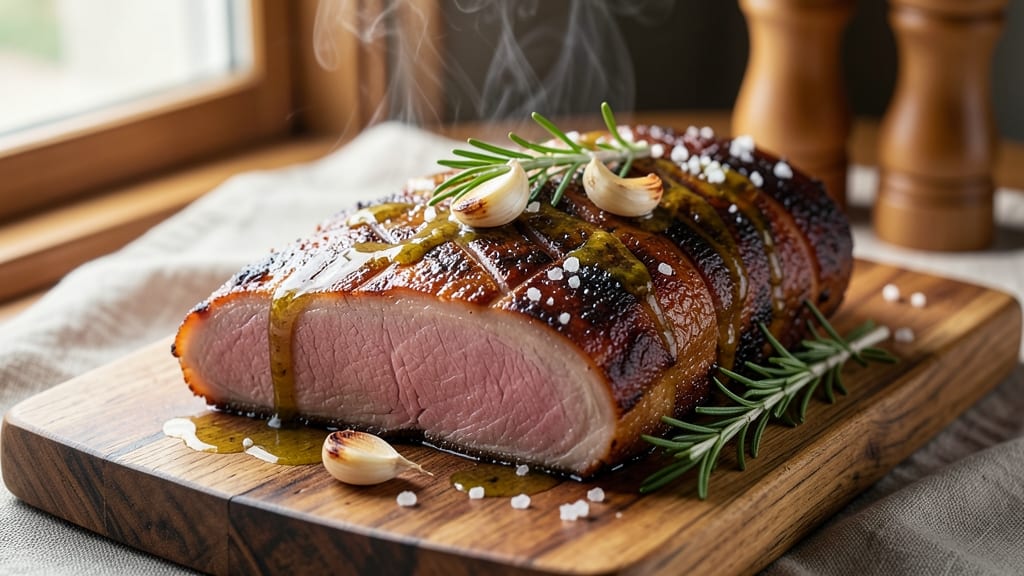
A 3 lb boneless pork loin roast transforms from simple protein to centerpiece with this herb-infused crust technique I perfected after years of cooking for crowds at The Smoky Pig.
The secret lies in balancing a crisp, golden exterior with juicy pink centers—a challenge I cracked by mastering precise timing and temperature control. This method delivers restaurant-quality results without requiring specialized equipment, just a good-quality roast and basic pantry herbs.
What sets this recipe apart is the herb-infused crust that forms during the final minutes of cooking, creating texture while keeping the interior tender.
The pork rests at exactly 145°F internal temperature, then rests for 15 minutes—a critical step I learned early in my career when serving undercooked pork to a room full of hungry guests.
The crust develops from a blend of garlic, rosemary, and Dijon mustard that caramelizes beautifully under the broiler.
By the time you serve, you'll have a perfectly cooked pork loin with a crispy, aromatic crust that contrasts beautifully against the tender, pink interior. The herb notes infuse the meat without overpowering its natural flavor, making this ideal for family dinners or special occasions.
The method scales easily too—double the recipe for holiday gatherings without sacrificing quality.
Pair with roasted root vegetables or a simple herb butter sauce to complete the meal. The beauty of this recipe lies in its adaptability—whether you're feeding a crowd or treating yourself to a special dinner, this pork loin delivers consistent, impressive results every time. Let's get cooking with confidence.
Ingredients for 3 lb boneless pork loin roast
Pantry staples plus a few fresh herbs transform ordinary pork into restaurant-quality centerpiece.
| Ingredient | Amount | Notes |
|---|---|---|
| Boneless Pork Loin Roast 🐖 | 3 lb | Center-cut for even cooking |
| Fresh Rosemary 🌿 | ¼ cup | Finely chopped, fresh preferred |
| Garlic Cloves 🧄 | 8 cloves | Minced for even distribution |
| Dijon Mustard 🍯 | 2 tbsp | High-quality for flavor depth |
| Extra-Virgin Olive Oil 🫒 | 2 tbsp | For crust and moisture |
| Kosher Salt 🧂 | 1 ½ tsp | Diamond Crystal preferred |
| Freshly Ground Black Pepper 🌶️ | 1 tsp | Cracked peppercorns preferred |
| Unsalted Butter 🧈 | 2 tbsp | Softened for crust application |
| Fresh Thyme Leaves 🌿 | ⅛ cup | Chopped, stems removed |
| Honey 🍯 | 1 tbsp | For glaze enhancement |
| Apple Cider Vinegar 🍎 | 1 tbsp | Balances sweetness |
| Fresh Parsley 🌿 | 0.05 cup | Chopped, for garnish |
The pork loin is non-negotiable here—center-cut ensures even cooking and maximum tenderness. Costco or high-end butchers sell excellent quality, but any well-marbled roast works. Look for a piece with good fat distribution along the edges. Fresh herbs are key: Trader Joe's carries excellent rosemary and thyme, but any local market will do. The Dijon mustard should be 100% mustard seed-based—no additives. I always buy Maille when I see it, but any quality brand works. For the olive oil, California Avocado Ranch or Bertolli are reliable choices that won't overpower the dish.
No fresh rosemary? Dried works at one-third the amount, but the flavor won't be as vibrant. Short on thyme? Fresh oregano at half the quantity gets you close. The honey can be swapped for maple syrup if you're avoiding it. For the garlic, pre-minced jarred is fine in a pinch, but fresh is always better. The butter should be unsalted—adding salt later gives you better control. If you're making this ahead, prep the herb mixture up to 24 hours early and store it in the fridge. The pork itself should rest uncovered in the fridge 1-2 hours before cooking for the best texture.
This roast reheats beautifully—200°F for 15 minutes with a splash of broth brings it back to life. The crust keeps well for 3 days in the fridge, though the meat gets drier. For longer storage, wrap tightly in foil and freeze for up to 3 months. I always make double batches for holiday meals—leftovers make incredible sandwiches with a dollop of Dijon mustard and apple cider vinegar. The herb mixture can be stored in the fridge for 1 week or frozen for 3 months in a small container.
Why You'll Love This Recipe
- One-Pan Magic: I swear by this for busy nights—just slather the pork with Dijon, garlic, and rosemary, then let the oven do the work. No chopping boards, no extra pans, just done.
- Herb-Crusted Perfection: That rosemary and garlic combo? It’s like a hug for your taste buds—earthy, bright, and just salty enough. The Dijon mustard adds a tangy kick that makes it taste like a fancy bistro dish.
- Leftovers That Shine: Between us, this roast is so versatile. Slice it for sandwiches, dice it into pasta, or serve it cold with crusty bread. Honestly, I’ve eaten it three different ways this week and never once got bored.
- Budget-Friendly Feast: A 3 lb roast feeds a crowd without breaking the bank, and the ingredients? Olive oil, garlic, rosemary—stuff you already have. It’s my go-to for gatherings when I want to impress without overspending.
Step-by-step instructions for herb-crusted pork loin roast
Here's how to transform a simple pork loin into a showstopping centerpiece with crispy herb crust and melt-in-your-mouth tenderness.
Prep the Pork for Perfect Cooking
Remove the pork loin roast from the refrigerator and let it sit at room temperature for 30 minutes before cooking. This ensures even cooking throughout. Pat the roast dry with paper towels—this step is crucial for developing that crispy herb crust later. I like to use two layers of paper towels to get it completely dry, especially in the crevices.
While the pork rests, make your herb paste by combining the 0.25 cup fresh rosemary, 0.125 cup fresh thyme leaves, 8 minced garlic cloves, 2 tablespoons Dijon mustard, 1.5 teaspoons kosher salt, and 1 teaspoon freshly ground black pepper in a food processor. Pulse until you get a chunky but well-combined paste—this will be your flavor foundation. The mustard helps bind everything together while adding depth of flavor.
Create the Herb Crust and Sear
Preheat your oven to 375°F. Place the pork loin roast on a wire rack set inside a rimmed baking sheet. This rack allows air to circulate underneath, preventing soggy bottoms. Spread the herb paste evenly over the entire surface of the pork, pressing it in gently with your fingers so it adheres well. Then rub the 2 tablespoons extra-virgin olive oil all over the crust—this helps create that golden, crispy exterior.
Heat a large oven-safe skillet over medium-high heat. Once hot, carefully transfer the pork to the skillet and sear for 4-5 minutes per side until you see deep golden-brown color developing. The crust should be firm to the touch and smell intensely aromatic. This initial searing locks in juices and builds flavor. If you notice any areas not browning evenly, use tongs to rotate the roast for even color development.
Roast to Juicy Perfection
Transfer the seared pork to the preheated oven and roast for 30-35 minutes, or until the internal temperature reaches 145°F when measured with a meat thermometer in the thickest part of the roast. Here's the thing—pork continues cooking slightly after you remove it from the oven, so pull it out when it's just shy of fully done. The crust should be beautifully crispy while the interior remains wonderfully pink and juicy.
While the pork roasts, make your finishing glaze by combining the 2 tablespoons softened unsalted butter, 1 tablespoon honey, and 1 tablespoon apple cider vinegar in a small saucepan. Warm over low heat for 2-3 minutes until the butter melts and everything is well incorporated. This glaze adds a perfect balance of sweetness and acidity that cuts through the richness of the pork.
Glaze and Rest for Maximum Juiciness
Remove the pork from the oven and transfer it to a cutting board. Immediately brush the warm butter-honey glaze evenly over the entire surface of the roast. The residual heat from the pork will help the glaze set beautifully. Let the roast rest for 10-15 minutes before slicing—this resting period is absolutely critical. It allows the juices to redistribute throughout the meat, ensuring each slice stays moist and flavorful.
While the pork rests, you can prepare your garnish by finely chopping the 0.05 cup fresh parsley. Sprinkle this vibrant green over each serving just before eating. The parsley adds a fresh contrast to the rich, herbed crust. When ready to serve, slice the pork into ½-inch thick slices against the grain for the most tender eating experience. Each bite should deliver that perfect combination of crispy herb crust and juicy pink center.
Pro Tips For Making 3 Lb Boneless Pork Loin Roast
- SEAR THE SURFACE FIRST: I used to skip this step and wondered why my roast never had that restaurant-quality depth. Hit the oven-cold pork loin with a hot pan—no oil needed—until you get deep brown patches. That crust locks in flavor and keeps the meat juicy when it hits the oven.
- SMASH THOSE GARLIC CLOVES: Peeling garlic is annoying, but smashing whole cloves with the flat side of your knife releases more flavor without burning. Rub them directly into the pork’s surface after searing—no mincing, no mess, just pure garlic punch that clings to the meat.
- DON’T OVERSTUFF THE ROAST: I learned this the hard way—packing too much mustard or herbs into the center means uneven cooking and a sad, underseasoned core. Spread that Dijon mustard in a thin layer (about 1/4 cup) and tuck just 3-4 sprigs of rosemary under the skin. Less is more here.
- REST IT UNDER FOIL: Skipping the rest is the fastest way to turn a juicy roast into a dry slab. After pulling it from the oven, tent it loosely with foil and let it sit for a solid 10 minutes. The internal temp will drop just enough to redistribute juices—no peeking, no cutting early.
Perfect pairings for this recipe
Classic Southern Sides
Nothing complements this herb-crusted pork loin like creamy mashed sweet potatoes—roasted with 1 tbsp brown sugar and ½ cup apple cider until caramelized, then mashed with 4 tbsp butter and a pinch of cinnamon. I serve them in a cast iron skillet straight from the oven.
For a lighter option, try collard greens braised with 2 slices smoked bacon, 1 onion, and a splash of apple cider vinegar—this Southern classic soaks up the pork's herbaceous flavors beautifully. 🍠
Herb Butter Sauce
Whip ½ cup unsalted butter with 2 tbsp fresh parsley, 1 tbsp fresh thyme, 1 minced garlic clove, 1 tsp lemon zest, and a pinch of salt until smooth. Drizzle this over sliced pork for an elegant touch that ties all the herb notes together.
For extra richness, add 1 tbsp crème fraîche at the end. I serve this sauce on the side for guests who want to customize their portions.
Crispy Potato Galette
Slice 2 lbs Yukon Gold potatoes paper-thin, toss with 2 tbsp olive oil, 1 tsp salt, and ½ tsp black pepper, then layer in a cast iron skillet. Top with 1 cup shredded Gruyère cheese and bake at 400°F for 30 minutes until golden and crispy.
The cheesy layers contrast perfectly with the pork's herb crust, and the potatoes soak up any pan juices for extra flavor. 🥔
Apple-Cider Brined Greens
Toss 1 bunch mustard greens with ½ cup apple cider, 1 tbsp olive oil, 1 tsp salt, and ½ tsp black pepper. Let sit for 10 minutes before wilting in a skillet over medium heat for 5 minutes.
The tangy brine cuts through the pork's richness while keeping the greens vibrant. I often serve this as a side salad or alongside the pork for a refreshing contrast.
Wine Pairings
A crisp Viognier from California—like Ravenswood—complements the pork's herbaceous notes with its floral and stone fruit flavors. For red lovers, a Pinot Noir from Oregon, such as Domaine Serene, balances the dish's richness without overpowering it.
I always suggest chilling the wine slightly to enhance its acidity and refresh the palate between bites. 🍷
Beer Pairings
An American pale ale with citrus notes—like Fat Tire—pairs wonderfully with the pork's herb crust and honey glaze. The beer's hoppy bitterness cleanses the palate, while its malt sweetness echoes the dish's caramelized flavors.
For a lighter option, try a German Helles lager—its clean, crisp profile lets the pork shine without competition. 🍺
Nutrition facts
Frequently asked questions
How do I know when my 3 lb pork loin roast is fully cooked? Use a meat thermometer to check the internal temperature—it should reach 145°F in the thickest part of the roast. The crust will be golden and crispy while the center remains juicy pink.
Can I substitute fresh herbs with dried ones in this recipe?
Yes, but use one-third the amount of dried herbs instead of fresh. For example, swap 0.25 cup fresh rosemary for 1 tablespoon dried rosemary. Fresh herbs provide more vibrant flavor, but dried works in a pinch. Just
What's the best way to reheat leftover pork loin?
Slice the pork into individual portions and reheat in a skillet over medium heat with a splash of chicken broth for 5-7 minutes until warmed through. For oven reheating, cover with foil and warm at 200°F for 15 minutes
Why did my pork loin turn out dry?
Most likely, you didn't let it rest after cooking or overcooked it. Always rest the roast for 10-15 minutes before slicing—this lets juices redistribute. Also, check your internal temperature with a thermometer rather than relying on time alone, as ovens vary.
Can I make this recipe ahead of time?
Prep the herb mixture up to 24 hours ahead and store it in the fridge. The roast itself can be cooked up to 2 days ahead—just refrigerate tightly wrapped. For serving, reheat slices in a skillet or oven as mentioned above. The flavors actually improve as the herbs meld overnight!