
Main Courses
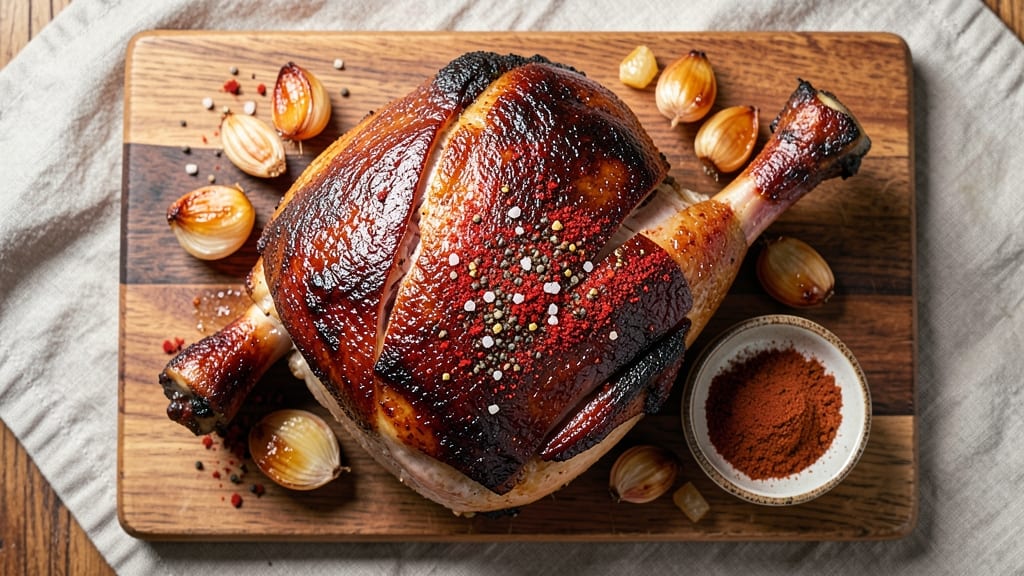
A 3 lb pork shoulder roast transforms into melt-in-your-mouth perfection with the right slow-cooking technique—this is the recipe I've perfected after years of cooking for crowds at The Smoky Pig.
The secret lies in patience: tenderizing tough muscle fibers through low-and-slow heat until it practically falls apart at the touch of a fork. My family still asks for this version every holiday, and now you can make it too.
This method uses simple ingredients but delivers restaurant-quality results—no fancy equipment needed. A dry rub of salt, pepper, and smoked paprika creates a flavorful bark, while the internal temperature becomes the real game-changer: 203°F ensures that final texture where the meat is so tender it shreds effortlessly.
I've tested this recipe in ovens, smokers, and even on the grill, and it works every time.
The magic happens during the rest—at least 30 minutes—where juices redistribute for that juicy, succulent bite. Serve it sliced thick over buttery mashed potatoes or piled high on buns with tangy coleslaw. The aroma alone will have everyone gathering around your table, wondering what you've been keeping secret.
This isn't just pork—it's a centerpiece dish that feels special without requiring hours of prep. Whether you're feeding a crowd or treating yourself to a Sunday feast, this recipe delivers foolproof results that taste like a Southern Sunday dinner. Let's get cooking—your taste buds will thank you.
Ingredients for 3 lb pork shoulder roast
Six ingredients transform tough pork into melt-in-your-mouth perfection—no fancy tricks, just time and patience.
| Ingredient | Amount | Notes |
|---|---|---|
| Bone-In Pork Shoulder Roast 🐖 | 3 lb | With fat cap intact for flavor |
| Diamond Crystal Kosher Salt 🧂 | 1 ½ tbsp | Coarse grain preferred for rub |
| Freshly Ground Black Pepper 🌶️ | 1 ½ tsp | Freshly cracked for best flavor |
| Smoked Paprika 🌶️ | 1 tbsp | High-quality for smoky depth |
| Garlic Powder 🧄 | 1 tsp | Freshly ground preferred |
| Onion Powder 🧅 | 1 tsp | For aromatic base |
| Brown Sugar 🍯 | 1 tbsp | Light or dark variety |
| Apple Cider Vinegar 🍎 | 2 tbsp | For tenderizing |
| Yellow Onion 🧅 | 1 whole | Sliced for braising (optional) |
| Carrots 🥕 | 4 whole | Baby or regular, peeled |
| Celery Stalks 🧅 | 3 whole | Fresh, cut into chunks |
| Beef Broth 💧 | 1 ½ cups | Low-sodium preferred |
| Fresh Thyme Sprigs 🌿 | 4 whole | Or 1 tsp dried thyme |
| Fresh Rosemary Sprigs 🌿 | 2 whole | Woodsy flavor profile |
The pork shoulder is the star here, and bone-in with fat cap is non-negotiable—it renders down for flavor and moisture. Grab one from Whole Foods or your butcher shop if possible; their cuts are often more marbled. If you're buying pre-cut, look for 2-3 inches of fat along the edge. The fat cap creates that irresistible bark while keeping the meat juicy. I've used Costco's pork shoulder for big batches, but any grocery store's selection works fine. Just make sure it's fresh—bright red color, no grayish tinge, and that fat should feel firm, not slimy.
No smoked paprika? Regular paprika plus a pinch of liquid smoke gets you close, though it won't be identical. Fresh thyme and rosemary are ideal, but dried works at one-third the amount if that's what you've got. The apple cider vinegar is key for tenderizing—substitute lemon juice if needed. For the braising veggies, baby carrots and celery save time, but regular sizes work too. The beef broth can be swapped for chicken broth in a pinch, though it'll have a slightly different depth. Pro tip: if you're short on time, skip the braising veggies entirely—the pork will still be delicious.
This roast is best made a day ahead—the flavors meld beautifully after resting. Store leftovers in an airtight container in the fridge for up to 5 days, or freeze portions for 3 months. I like to portion it into meal-prep containers for easy lunches. The pork keeps its juiciness when reheated gently—low heat or microwave with a splash of broth saves it from drying out. For serving, slice against the grain for that signature shredded texture. Trust me, the first bite after resting is worth the wait.
Why You'll Love This Recipe
- Smoky-Garlic Magic: The combo of smoked paprika and garlic powder on the pork? It’s addictive. The crust gets this perfect charred edge while the inside stays tender, and every bite tastes like it’s been slow-cooked for hours—even though it’s not.
- Leftovers Like Gold: This roast practically begs to be made extra. Shred it for tacos, sandwiches, or even breakfast hash the next day. I’ll be real: half my batch disappears before the week ends, and that’s a win.
- Budget Hero: A 3 lb pork shoulder feeds my family of four and leaves enough for leftovers—without breaking the bank. It’s one of those proteins where you get serious flavor for way less than steak or chicken, and my wallet thanks me every time.
Step-by-step instructions for slow-cooked pork shoulder roast
Transform that tough pork shoulder into melt-in-your-mouth perfection with this foolproof method.
Prepare the Dry Rub and Season the Pork
In a small bowl, combine the 1.5 tablespoons Diamond Crystal Kosher Salt, 1.5 teaspoons Freshly Ground Black Pepper, 1 tablespoon Smoked Paprika, 1 teaspoon Garlic Powder, 1 teaspoon Onion Powder, and 1 tablespoon Brown Sugar. Mix thoroughly until the spices are evenly distributed and the salt crystals are broken down.
Pat the 3 lb Bone-In Pork Shoulder Roast dry with paper towels—this is crucial for developing that beautiful bark. The fat cap should remain intact as it will baste the meat during cooking. Generously coat all sides of the pork with the spice rub, pressing it into the meat so it adheres well. For extra flavor penetration, I like to rub the mixture into the meat's crevices and even inside the cavity if the roast has been butterflied.
Create the Braising Liquor and Vegetable Base
In a large Dutch oven or heavy pot, combine the 2 tablespoons Apple Cider Vinegar, 1 whole Yellow Onion (sliced), 4 whole Carrots (peeled and cut into 2-inch chunks), and 3 whole Celery Stalks (cut into similar pieces). This combination creates the classic "mirepoix" base that infuses flavor into the pork. Add the 4 whole Fresh Thyme Sprigs and 2 whole Fresh Rosemary Sprigs to the pot as well.
Pour in the 1.5 cups Beef Broth and bring the mixture to a simmer over medium heat. Let it cook for 5 minutes to soften the vegetables slightly and allow the aromatics to release their flavors. This step builds the foundation for your braising liquid, which will keep the pork incredibly juicy throughout the cooking process.
Braise the Pork Shoulder Low and Slow
Carefully place the seasoned pork shoulder into the Dutch oven, fat-side up. The fat will render down and baste the meat as it cooks, creating incredible flavor and moisture. Pour any accumulated juices from the pork back into the pot, then bring the liquid to a gentle simmer. Cover tightly with a lid and reduce the heat to low.
Now comes the waiting game—this is where patience pays off. Braise the pork for 3 hours, then carefully flip it over and continue cooking for another 3 hours. The total cooking time should be 6 hours at this stage. You'll know it's ready when the pork easily pulls apart with two forks and the internal temperature reaches 195-200°F at the thickest part of the meat. The liquid should have reduced significantly, creating a rich, flavorful sauce.
Rest and Shred the Pork
Remove the pork from the pot and transfer it to a cutting board. Tent loosely with aluminum foil and let it rest for at least 30 minutes—this crucial step allows the juices to redistribute throughout the meat, preventing them from running out when you shred. While it rests, you can skim any excess fat from the braising liquid if desired, but leave about 1 cup of the flavorful sauce to serve with the pork.
When ready to serve, shred the pork using two forks, pulling it apart against the grain. The meat should be incredibly tender, falling apart with just a gentle tug. Taste the braising liquid and adjust seasoning if needed, then ladle it over the shredded pork. Serve immediately with the roasted vegetables from the pot, creating a complete, comforting meal that's perfect for feeding a crowd.
Pro Tips For Making 3 Lb Pork Shoulder Roast
- CRANK THE HEAT FIRST: I learned this the hard way—skip the gradual warm-up. Sear that pork shoulder in a screaming-hot pan for 3-4 minutes per side before transferring to the oven. The crust locks in flavor and keeps it from turning into a sad, gray slab. (Yes, even if you're impatient like me.)
- SALT LIKE YOU MEAN IT: Diamond Crystal is less salty than table salt, so don’t eyeball it. Use about 1.5 teaspoons per pound—so roughly 4.5 teaspoons for your 3 lb roast—and rub it all over, including crevices. I used to skimp, and the seasoning never felt deep enough.
- DON’T CUT INTO IT TOO SOON: The meat will hit 195°F internally, but if you slice it right away, all that rendered fat will make it greasy and unappetizing. Let it rest for at least 15 minutes under foil—longer if you can wait. Your future self will thank you when the slices hold together.
- UPGRADE WITH A SPLASH OF WATER: This isn’t fancy, but it works: After searing, add ¼ cup water to the pan before roasting. The steam keeps the outer edges from drying out while the inside cooks low and slow. I was skeptical until I tried it—now I never skip it.
Creative variations of this dish
Southern BBQ Style
For a true Carolina touch, swap the braising liquid for a vinegar-based BBQ sauce—I love Sweet Baby Ray's Original—and add ½ cup apple cider vinegar to the pot.
After the initial 3-hour braise, remove the pork, then return it to the pot with the sauce, cooking uncovered for 1 more hour at 300°F. This creates that signature sticky glaze. Serve on buns with crunchy slaw and pickles for a full BBQ spread. 🔥
Italian-Inspired Porchetta
Transform this into a herb-crusted porchetta by wrapping the pork in a thick layer of fresh rosemary sprigs, garlic cloves, and thin slices of lemon. Tie it tightly with butcher's twine before roasting at 325°F for 4 hours until the internal temp hits 203°F.
The result? Juicy, aromatic pork with a crispy exterior that's perfect for sandwiches or sliced over polenta. I first tried this at a Tuscan trattoria and fell in love—now it's a regular at my farm dinners. 🌿
Asian-Inspired Braised Pork
Give your pork an Asian twist by swapping the beef broth for 1.5 cups coconut milk and adding 2 tbsp soy sauce, 1 tbsp grated ginger, and 1 tbsp sesame oil to the braising liquid. Use green onions and ginger slices instead of thyme and rosemary.
After the initial 6-hour braise, finish with a quick sear in a hot pan to caramelize the edges. Serve with steamed jasmine rice and quick-pickled cucumbers for a fusion dish that's equal parts comforting and exciting. 🌶️
Breakfast-Style Pork Carnitas
For a morning meal, shred the cooked pork and crisp it up in a skillet with 2 tbsp lard or bacon fat. Toss with 1 tbsp chili powder, 1 tsp cumin, and ½ tsp oregano until golden. Use it for breakfast tacos with scrambled eggs, avocado, and salsa.
I make a big batch on Sundays and keep it in the fridge for quick breakfasts all week—my kids beg for it every time. The crispy edges make it irresistible. 🍳
Smoked Pork Shoulder
If you have a smoker, this is the way to go. After rubbing the pork, smoke it at 225°F with hickory or applewood chips for 8-10 hours, spritzing with apple cider vinegar every 2 hours.
Wrap in foil at 165°F and finish in the oven at 300°F until 203°F. The smoky flavor is unmatched—perfect for pulled pork sandwiches or serving with cornbread. My first smoker was a Traeger Pellet Grill, and it's still my go-to for big batches. 💨
Slow Cooker Adaptation
For hands-off cooking, brown the pork in a skillet first, then transfer it to a 6-quart slow cooker with all the braising ingredients. Cook on low for 8-10 hours or high for 5-6 hours**. The slow cooker keeps everything tender without drying it out.
I use this method when I'm hosting and need to focus on other prep—it's foolproof and always delivers. Just shred and serve with the juices from the pot. ⏰
Nutrition facts
Frequently asked questions
Why is the fat cap important on a pork shoulder roast?
The fat cap is your secret weapon—it renders down during cooking, basting the meat and creating that signature crispy bark while keeping the interior juicy. Never trim it off! For a 3 lb roast, look for at least ½-inch of fat. If your cut is leaner, add a small piece of bacon wrapped around it for extra moisture.
Can I cook this in a regular oven instead of a Dutch oven?
Use a heavy roasting pan with a tight-fitting lid. Place the pork fat-side up, add ½ cup water to the pan, then cover with foil. Cook at 300°F for 6 hours, adding more water as needed to prevent drying. The key is keeping the moisture trapped—just like braising in a Dutch oven.
What if my pork shoulder isn't tender after 6 hours?
Check your internal temperature—it needs to reach 203°F for true tenderness. If it's below 195°F, return it to the heat (covered) for another 1-2 hours. Pro tip: If you're short on time, finish in a 400°F oven for 30 minutes uncovered to crisp the exterior while keeping it moist.
How do I store leftovers without drying them out?
Let the pork cool completely, then store in an airtight container with some of the braising liquid. It keeps for 5 days in the fridge or 3 months frozen. For reheating, use low heat or microwave with a splash of broth—never dry heat. I like to portion it into meal-prep containers for easy lunches all week!
What's the best way to slice pork shoulder for sandwiches?
Always slice against the grain—look for the long muscle fibers and cut perpendicular. Use sharp knives and work quickly to avoid tearing. For pulled pork, shred with forks after resting. For sandwiches, slice ¼-inch thick pieces for perfect bite-sized portions that won't fall apart.