
Main Courses
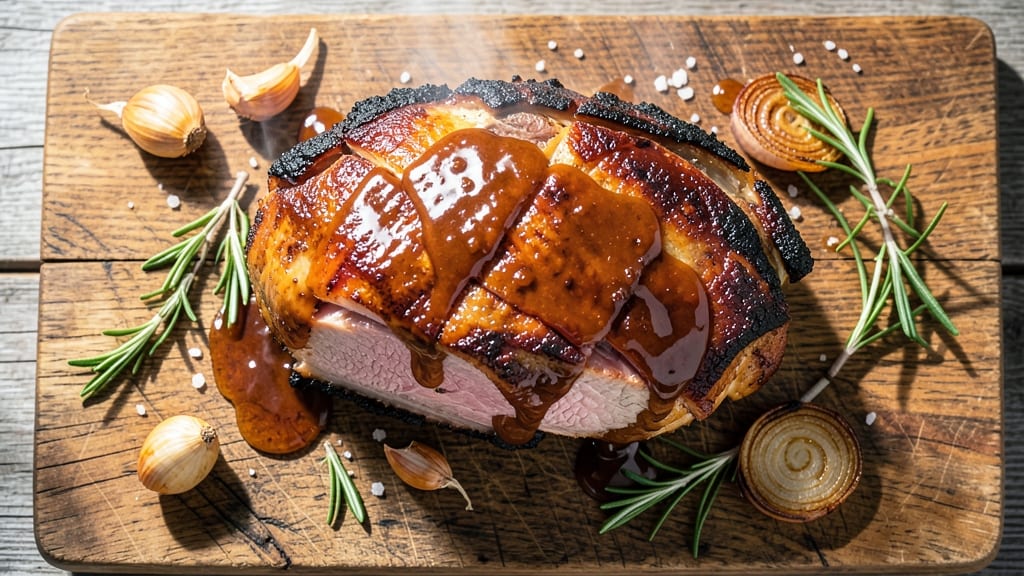
An 8 lb pork shoulder roast transforms from a tough cut into melt-in-your-mouth perfection with the right slow-cooking technique. I learned this method during my apprenticeship in Charleston, where we cooked whole hogs for community gatherings—this is the same approach, simplified for your home kitchen.
The key lies in patience and temperature control, ensuring every bite is tender and flavorful without drying out.
What makes this recipe work is the combination of a simple dry rub and low-and-slow cooking, which breaks down connective tissue while rendering fat into succulent juices. You'll start with a 195–203°F internal temperature, where the meat becomes so tender it practically falls apart.
This method delivers restaurant-quality results without requiring a smoker—just your oven and a little time.
The final product is a juicy, pull-apart roast with a flavorful bark on the outside and moist, tender meat inside. The fat cap renders slowly, basting the meat as it cooks, which is why you'll want to leave it intact.
Serve with classic sides like coleslaw or cornbread, or turn it into pulled pork sandwiches for a crowd-pleasing meal.
This recipe is built on techniques I've perfected over years of cooking pork for thousands—whether for family dinners or competitive BBQ. The beauty of pork shoulder is its versatility; you can use it for roasts, pulled pork, or even sandwiches.
Let's get started on creating a dish that will impress even the most discerning eaters.
Ingredients for 8 lb pork shoulder roast
Pantry staples meet Carolina BBQ tradition for this crowd-pleasing pork shoulder masterpiece.
| Ingredient | Amount | Notes |
|---|---|---|
| Pork Shoulder Roast 🐖 | 8 lb | Bone-in, fat cap intact |
| Kosher Salt 🧂 | 2 tbsp | Diamond Crystal preferred |
| Freshly Ground Black Pepper 🌶️ | 1 ½ tbsp | Coarse grind for texture |
| Smoked Paprika 🌶️ | 1 tbsp | For deep smoky flavor |
| Garlic Powder 🧄 | 1 tbsp | Freshly ground preferred |
| Onion Powder 🧅 | 1 tbsp | For balanced sweetness |
| Brown Sugar 🍯 | 1 tbsp | Light or dark variety |
| Apple Cider Vinegar 🍎 | 2 tbsp | For tenderizing bark |
| Olive Oil 🫒 | 2 tbsp | For dry rub adhesion |
| Yellow Onion 🧅 | 1 whole | Quartered, for oven placement |
| Carrots 🥕 | 2 whole | Whole, for oven placement |
| Fresh Rosemary 🌿 | 2 sprigs | For aromatic infusion |
| Fresh Thyme 🌿 | 2 sprigs | For herbal brightness |
| Apple Juice 🍎 | 1 cup | For moisture during cooking |
| Beef Broth 🥫 | 1 cup | Low-sodium preferred |
The pork shoulder is the star—look for a piece with a thick fat cap (at least 1/4-inch) for maximum flavor and moisture. Local butchers often have better cuts than grocery stores, but the supermarket's bone-in pork shoulder works too. If you can't find fresh rosemary or thyme, dried substitutes at one-third the amount will work in a pinch. The apple cider vinegar might seem odd, but it helps create that signature bark while keeping the meat tender. For the best results, source your roast the same day you plan to cook it—freshness matters for that fall-apart texture.
No smoked paprika? Regular paprika plus a pinch of liquid smoke gets you close. Running short on apple juice? White grape juice or even chicken broth works splendidly. The beef broth adds depth, but vegetable broth is perfectly acceptable if you're vegetarian-adjacent. For the dry rub, I always toast the spices in a dry pan for 30 seconds first—it deepens the flavors instantly. The brown sugar isn't just for sweetness; it helps caramelize that beautiful crust. If you're cooking for a crowd, double the rub ingredients—it's worth the extra effort for that restaurant-quality bark.
This roast reheats beautifully—just warm it in its juices at 300°F for about 20 minutes. Store leftovers in the juices for up to 5 days in the fridge, or freeze for 3 months. The meat will continue to tenderize in the fridge, so pull it apart when cold for the best texture. For serving, I always reserve some of the rendered fat to drizzle over the slices—it's pure liquid gold. The onions and carrots you place in the pan? Those become delicious aromatics for your next soup or stew—don't toss them!
Why You'll Love This Recipe
- Crispy-Meets-Tender Magic: That smoky paprika and garlic powder crust? It’s the star. The outside gets crackling good while the inside stays juicy—no dry bites here. My husband still licks his plate, and he’s not easily impressed.
- Leftovers That Don’t Suck: I make this roast on Sunday, and by Wednesday, I’m still pulling out slices for sandwiches or tacos. The flavor only deepens overnight, and it reheats like a dream. No sad, rubbery leftovers—just pure, reliable goodness.
- Budget-Friendly Crowd Pleaser: An 8 lb pork shoulder feeds my family of five for days without breaking the bank. A few spices and salt turn a simple cut into something everyone begs for. Plus, it’s cheaper than takeout, and way more impressive.
Step-by-step instructions for slow-cooked pork shoulder roast
Here's how to transform an 8 lb pork shoulder into melt-in-your-mouth perfection.
Prepare the Dry Rub for Maximum Flavor
In a medium bowl, combine the 2 tbsp kosher salt, 1.5 tbsp freshly ground black pepper, 1 tbsp smoked paprika, 1 tbsp garlic powder, 1 tbsp onion powder, and 1 tbsp brown sugar. This blend creates the perfect balance of saltiness, smokiness, and subtle sweetness that will develop that coveted bark. I like to use my fingers to thoroughly mix the spices until the salt crystals are evenly distributed throughout the powder.
Next, add the 2 tbsp apple cider vinegar and 2 tbsp olive oil to the spice mixture. The vinegar helps tenderize the meat while preventing the rub from clumping, and the olive oil ensures it sticks beautifully to the pork's surface. Mix everything together until you have a coarse, grainy paste that looks like wet sand. This is your dry rub, and it's what will give your pork shoulder its signature crust and deep flavor.
Apply the Rub and Rest the Meat
Pat the 8 lb pork shoulder roast completely dry with paper towels—this is critical for developing that crispy bark. I start by rubbing the mixture all over the meat, pressing firmly so it adheres well, especially in the crevices and around the bone. Make sure to get into every nook and cranny, including the fat cap. The fat cap should have a thin, even layer of rub to prevent it from sticking to the pan.
Once fully coated, place the pork shoulder on a wire rack set over a baking sheet. This allows air to circulate underneath, preventing soggy skin. Cover loosely with plastic wrap and refrigerate for at least 4 hours or overnight. This resting period lets the rub penetrate the meat and the spices develop their full flavor potential. The longer it rests, the better the result—just don't exceed 24 hours or the meat might dry out.
Preheat and Prepare the Oven
Preheat your oven to 275°F. This low-and-slow temperature is key to achieving tender, juicy pork without drying it out. While the oven heats, prepare a roasting pan by placing the 1 whole quartered yellow onion, 2 whole carrots, 2 sprigs fresh rosemary, and 2 sprigs fresh thyme in the bottom. These aromatics will infuse the meat with their flavors as it cooks. I like to arrange them in a loose circle around the pork shoulder so they're not directly touching the meat.
Pour the 1 cup apple juice and 1 cup beef broth into the bottom of the roasting pan, being careful not to submerge the aromatics. This liquid will create a flavorful pan sauce and help keep the pork moist during cooking. The combination of apple juice and beef broth gives the pork a beautiful balance of sweetness and depth.
Cook Low and Slow Until Fork-Tender
Remove the pork shoulder from the refrigerator and let it sit at room temperature for 30 minutes before cooking. This ensures even cooking throughout. Place the pork shoulder fat-side up in the roasting pan, nestling it among the aromatics. The fat cap will render down during cooking, basting the meat and creating that irresistible crust.
Slide the pork into the preheated oven and cook for 6 hours. This is where the magic happens—patience is key. The pork will reach an internal temperature of about 165°F at this point, but it's not quite done yet. The meat will hit "the stall" around 160°F, where the temperature plateaus as moisture evaporates. This is completely normal and expected—don't be tempted to increase the oven temperature.
Rest and Shred for Maximum Juiciness
Once the pork reaches 165°F internally, remove it from the oven and let it rest for 15 minutes. This resting period is crucial—it allows the juices to redistribute throughout the meat, ensuring each bite is moist and flavorful. During this time, the internal temperature will rise to about 195-203°F, which is perfect for shredding.
Using two forks or meat claws, shred the pork against the grain into ½-inch thick pieces. The meat should pull apart easily with minimal resistance—this is your cue that it's perfectly tender. Discard any large fat chunks or connective tissue. Return the shredded pork to the roasting pan and pour the pan juices over it, mixing gently to coat. The result should be a dish that's rich, juicy, and bursting with flavor in every bite.
Pro Tips For Making 8 Lb Pork Shoulder Roast
- SEAR IT HARD: The pork shoulder won’t brown perfectly if your pan is too crowded—cut the roast into 2-inch thick chunks first, then sear them in batches over medium-high heat for 3-4 minutes per side. I used to rush this and ended up with dull, gray meat that tasted like it was cooked in a microwave. High heat. Seriously, crank it up.
- SALT THE NIGHT BEFORE: Toss the pork shoulder with 1 tablespoon kosher salt (and 1 teaspoon black pepper) at least 12 hours before cooking. This isn’t just about seasoning—it’s about drawing out moisture so the crust forms better and the meat stays juicy. I learned this the hard way after serving dry, overcooked pork that made my guests question my life choices.
- DON’T PEEK UNTIL 2 HOURS: If you’re roasting at 275°F (the magic number for pork shoulder), resist the urge to open the oven door before the 2-hour mark. Every time you peek, you’re letting heat escape and extending cook time. After burning three batches from impatience, I finally accepted that the meat will pull apart easily when it’s ready—no need to check until then.
- USE A MEAT THERMOMETER: The pork shoulder is done when it hits 203°F internally, not when it looks "cooked." I used to guess based on time or texture, and half the time, it was either raw in the center or falling apart. A $10 thermometer inserted into the thickest part is the only way to guarantee perfect tenderness every time.
Flavor customization for these flavors
Spice Level Boost
For a kick, add 1 tsp cayenne pepper or 1 tbsp chipotle powder to your dry rub. I like to mix it with the smoked paprika before applying—it adds heat without overwhelming the dish.
If you want smoky heat, try 1 tsp liquid smoke in place of some apple cider vinegar. 🌶️
Sweet & Tangy Twist
Swap the brown sugar for 1 tbsp honey or 1 tbsp maple syrup to add natural sweetness. I also love adding 1 tbsp Dijon mustard to the rub—it brings a tangy depth that pairs perfectly with the pork.
For extra brightness, include 1 tsp citrus zest (lemon or orange) in the mix.
Herb Variations
Fresh herbs make all the difference! Swap rosemary and thyme for 1 tbsp dried oregano or 1 tbsp fresh sage for a different herbal profile. I’ve also used 1 tbsp fresh cilantro in the rub for a Southwestern twist—it adds a bright, citrusy note that works surprisingly well. 🌿
Smoky & Savory Depth
For a deeper smoky flavor, increase the smoked paprika to 2 tbsp and add ½ tsp ground cumin. This combo gives the pork a rich, almost Mexican-inspired depth.
If you’re feeling adventurous, try 1 tsp coffee grounds in the rub—it adds an earthy, slightly bitter note that enhances the overall complexity.
Sweet & Spicy Bark
Create a caramelized bark by adding 1 tbsp molasses or 1 tbsp bourbon to the rub. The molasses will deepen the crust’s color and sweetness, while bourbon adds a subtle, smoky warmth. I like to use this variation for holiday gatherings—it’s always a crowd-pleaser. 🔥
Global Flavors
Want to try something different? For a Korean-inspired twist, add 1 tbsp gochugaru (Korean chili flakes) and 1 tsp sesame oil to the rub. For an Italian flair, swap smoked paprika for 1 tbsp dried fennel seeds and 1 tsp red pepper flakes.
These variations keep the dish exciting while staying true to the slow-cooked method. 🌍
Nutrition facts
Frequently asked questions
How do I know when my pork shoulder is fully cooked?
Use a meat thermometer to check the internal temperature—it should reach 195–203°F for perfect tenderness. The meat will naturally rise to this temperature during the 15-minute rest after removing from the oven at 165°F. If you don't have a thermometer, look for the meat to pull apart easily with two forks.
Can I cook this in a slow cooker instead of the oven? Place the rubbed pork shoulder in the slow cooker with ½ cup apple juice and ½ cup beef broth, then cook on low for 8–10 hours. The texture will be slightly different but still tender and flavorful. Just
What's the best way to store leftovers?
Store shredded pork in its cooking juices in an airtight container for up to 5 days in the fridge. For longer storage, freeze for up to 3 months. The juices help keep the meat moist—never store it dry. Reheat gently in the juices at 300°F for about 20 minutes.
Why does my pork shoulder look dry after cooking?
Overcooking or cutting against the grain too early are common culprits. The meat should rest for 15 minutes before shredding to redistribute juices. Also, avoid cooking above 275°F—higher temps can dry it out. The fat cap should render down, not burn.
What are the best sides to serve with this roast?
Classic pairings include creamy coleslaw, buttery cornbread, or roasted sweet potatoes. For a hearty meal, try mashed potatoes with gravy or a fresh garden salad with tangy vinaigrette. The smoky flavors of the pork work beautifully with sweet and acidic contrasts.