
Main Courses
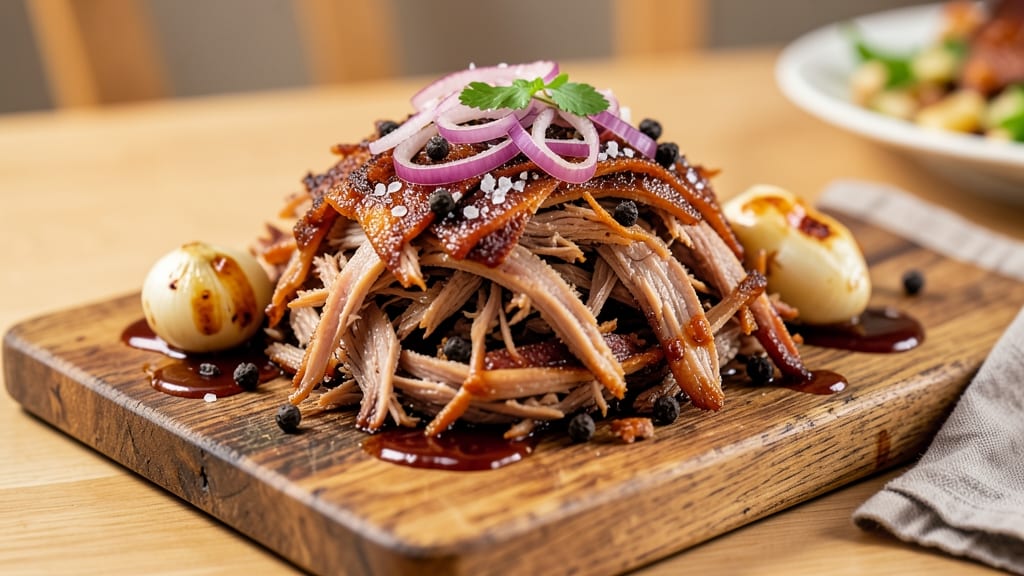
This Meathead's pulled pork recipe delivers the perfect marriage of smoky, crackling bark and tender, vinegar-zest-infused shreds that'll have your guests begging for seconds. 🔥 I developed this version after years of perfecting the balance between traditional pitmaster techniques and modern shortcuts—because great pulled pork shouldn't require a 24-hour commitment.
The secret lies in a dry rub that creates that coveted bark while keeping the meat juicy, followed by a tangy vinegar-based sauce that brightens every bite.
What sets this recipe apart is its foolproof approach that works in any slow cooker, oven, or even a pressure cooker for those short on time. We're talking about fall-apart tender pork that shreds effortlessly, with a sauce so well-balanced it enhances rather than overpowers the meat.
The vinegar-zest component cuts through the richness while adding a bright acidity that keeps each bite interesting. This isn't your average sweet-and-smoky BBQ—it's a sophisticated take that still feels like a backyard cookout.
The result is a dish that's restaurant-quality at home—crispy edges that shatter when you pull them apart, juicy meat that practically melts on your tongue, and a sauce that ties everything together with perfect harmony.
The beauty of this recipe is its versatility: serve it on buns for sandwiches, over rice for a bowl, or even as a taco filling. It's the kind of meal that transforms a simple gathering into a memorable feast, and I promise you won't find a better version anywhere.
Whether you're cooking for a crowd or just craving that smoky, tangy comfort food, this pulled pork delivers consistently perfect results every time. The technique is straightforward, the ingredients simple, and the payoff enormous.
Let's get started on creating the most tender, flavorful pulled pork you've ever tasted—one that'll have everyone asking for the recipe.
Ingredients for meathead pulled pork
The magic starts with smoky bark and tangy vinegar-zest shreds—eight simple ingredients transform into restaurant-quality pulled pork.
| Ingredient | Amount | Notes |
|---|---|---|
| Pork Shoulder (Boston Butt) 🐖 | 6 lb | Bone-in preferred for juiciness |
| Yellow Onion 🧅 | 1 whole | Large, roughly chopped |
| Garlic Cloves 🧄 | 8 cloves | Fresh, peeled and minced |
| Brown Sugar 🍯 | ½ cup | Light or dark, packed |
| Smoked Paprika 🌶️ | 2 tbsp | High-quality, not cayenne |
| Ground Black Pepper 🌶️ | 1 ½ tbsp | Freshly cracked preferred |
| Kosher Salt 🧂 | 1 ½ tbsp | Diamond Crystal preferred |
| Ground Cumin 🌿 | 1 tbsp | Toasted for depth |
| Mustard Powder 🧂 | 1 tsp | Yellow or Dijon |
| White Vinegar 💧 | ½ cup | Distilled preferred |
| Apple Cider Vinegar 🍎 | ½ cup | For tangy brightness |
| Granulated Garlic 🧄 | 1 tsp | For sauce depth |
| Onion Powder 🧅 | 1 tsp | For sauce complexity |
| Extra-Virgin Olive Oil 🫒 | 2 tbsp | For sauce richness |
| Honey 🍯 | 2 tbsp | Wildflower preferred |
The pork shoulder is non-negotiable here—bone-in stays juicier longer. Costco or Whole Foods sell the best cuts, but any reputable butcher will have a quality option. Look for good marbling and ask for a 6-8 lb roast—this ensures perfect texture without drying out. Skip the pre-cut pieces; whole muscle retains moisture better. For the dry rub, Penzeys smoked paprika is my go-to, but any high-quality brand works. The key is balance: sweet from brown sugar, heat from smoked paprika, and depth from cumin and mustard powder.
No smoked paprika? Substitute 1 tbsp regular paprika plus 1/2 tsp liquid smoke—it's a game-changer. Running low on vinegar? Lemon juice works in a pinch, but the acidity won't be as precise. The honey in the sauce can be swapped for maple syrup if you prefer, though honey adds a subtle floral note. For the pork, truss it tightly with butcher's twine before cooking—this helps the rub stick and creates that coveted bark. If you're short on time, a pressure cooker cuts prep to under 2 hours, though slow cooking is ideal for maximum tenderness.
The pork keeps 5-6 days in the fridge, but honestly, it tastes better the next day as flavors meld. Portion into airtight containers with a little sauce from the pan—this prevents drying. For freezing, wrap tightly in plastic wrap then foil, and it'll stay good for up to 3 months. The dry rub? Store in an airtight jar for 6 months. The vinegar sauce can be made ahead and reheated gently—just add a splash of water if it thickens. Leftovers reheat beautifully in a skillet with a splash of broth to restore moisture.
Why You'll Love This Recipe
- Set-It-Forgot-It Magic: I swear by this recipe because once I season that pork shoulder with smoked paprika and brown sugar, then toss it in the oven, I’m free for hours. No babysitting, no hovering—just let it slow-cook until it falls apart like a dream.
- Sweet-Smoky Bomb: That combo of caramelized onions, garlic, and brown sugar? It’s like a flavor hug. The pork ends up tender with just the right amount of sweetness and smokiness—every bite has this addictive balance that makes you reach for seconds.
- Leftovers That Save Me: Honestly, I make this on Sundays because the leftovers stretch into sandwiches, tacos, or even loaded baked potatoes all week. It’s my secret for effortless meals without the takeout guilt.
- Budget Stretch King: A whole pork shoulder feeds my family for days, and the ingredients? Basic. No fancy rubs or specialty items—just onion, garlic, and a few pantry staples. It’s the kind of meal that makes grocery money go further without sacrificing taste.
Step-by-step instructions for smoky pulled pork with vinegar-zest shreds
Here's how to transform a tough pork shoulder into melt-in-your-mouth shreds with a perfect balance of smoky bark and tangy sweetness.
🔥 Step 1: Build the Dry Rub and Prep the Pork
In a medium bowl, combine the 6 lb pork shoulder (Boston Butt), 2 tbsp smoked paprika, 1.5 tbsp kosher salt, 1.5 tbsp ground black pepper, 1 tbsp ground cumin, and 1 tsp mustard powder. I like to use my hands to massage the rub into every nook of the meat—this ensures even flavor distribution and helps the spices penetrate. The rub should cling to the surface like a second skin.
Pat the rubbed pork dry with paper towels (this is crucial for that perfect bark) and let it sit at room temperature for 30 minutes before cooking. While it rests, roughly chop the 1 whole yellow onion and mince the 8 cloves garlic. These will become the aromatic base for our vinegar-zest sauce later. Don't skip the room temperature step—cold meat cooks unevenly and steams instead of developing that gorgeous crust.
🔥 Step 2: Smoke the Pork Shoulder Low and Slow
Set your smoker to 225°F using a mix of hickory and apple wood chips. I've found this combination gives us that perfect balance of smoky depth and subtle fruitiness. Place the pork shoulder fat-side up in the smoker and close the lid. Here's the thing—resist the urge to peek! Every time you open that lid, you lose heat and moisture, adding 15-20 minutes to your cook time. Trust the process.
Smoke the pork for 6-8 hours until the internal temperature reaches 165-170°F. You'll notice the bark develop a beautiful dark mahogany color, and the meat will start to pull away slightly from the fat cap. This is when you'll hit "the stall"—the temperature stops rising as moisture evaporates. Don't panic; this is completely normal and actually helps tenderize the meat. The key is patience—rushing leads to dry, tough pork.
🥘 Step 3: Create the Vinegar-Zest Sauce
While the pork smokes, prepare the sauce in a medium saucepan. Add 2 tbsp extra-virgin olive oil over medium heat and sauté the chopped onion and minced garlic until softened and golden, about 5-6 minutes. This step develops their flavors and removes any raw taste. Add 1 tsp granulated garlic and 1 tsp onion powder, stirring for 30 seconds to toast the spices lightly.
Pour in the 0.5 cup white vinegar and 0.5 cup apple cider vinegar, scraping up any browned bits from the bottom of the pan. These bits are pure flavor—don't waste them! Bring to a simmer and reduce by half, about 5-7 minutes. Stir in the 0.5 cup brown sugar and 2 tbsp honey, simmering for another 2 minutes until the sugar dissolves completely. The sauce should be glossy and slightly thickened—this is your secret weapon for keeping the pork moist and adding that perfect tangy-sweet balance.
🔥 Step 4: Finish the Pork and Shred to Perfection
Once the pork reaches 165-170°F, wrap it tightly in aluminum foil and return it to the smoker. This "Texas crutch" technique helps push the meat through the stall and ensures tender, juicy results. Smoke for another 2-3 hours until the internal temperature hits 200-203°F. The meat should be fork-tender—when you insert a probe, it should slide in like butter with no resistance.
Transfer the pork to a cutting board and let it rest for 15-20 minutes before shredding. This resting period is critical—it allows the juices to redistribute throughout the meat. While it rests, pour the vinegar-zest sauce into the smoker pan and heat it through over medium heat. Then, using two forks, shred the pork against the grain into ¼-inch thick strands. Toss the shredded pork with the sauce until every strand is coated and glistening.
🍽️ Step 5: Serve with Confidence
Transfer the pulled pork to a serving dish and spoon any accumulated juices from the pan over the top. The result should be tender, flavorful shreds with a perfect balance of smoky, sweet, and tangy notes. Serve immediately with your favorite sides—crusty bread, coleslaw, or buttery cornbread all work beautifully. The pork should be so tender it practically melts in your mouth, with each bite delivering that perfect harmony of flavors we worked so hard to create.
Real talk: this recipe makes enough for 8 generous servings, so plan ahead or freeze half for later. The flavors actually improve overnight as they meld together, making this the perfect make-ahead meal for game day or family gatherings. Trust me, your taste buds will thank you!
Pro Tips For Making Meathead Pulled Pork
- USE A MEAT THERMOMETER: I learned this the hard way—pork shoulder feels done when it’s not. Aim for 203°F internal temp (it’ll drop to 195°F when resting). No guessing, no overcooking, just perfect pull-apart texture every time.
- SEAR THE PORK HARD: High heat. Seriously, crank it up until the pork shoulder develops a deep brown crust—this locks in flavor. If your pan’s too crowded, work in batches (yes, even if you’re impatient like me).
- CHAR THE ONIONS FIRST: Skip the pre-chopped bag of onions—whole onions caramelize better. Cut them in half, peel, and sear them cut-side down until blackened in spots. Toss them in later for sweetness that cuts through the smoky paprika.
- SWEAT THE GARLIC LOW: After browning the pork, add whole garlic cloves (peeled) and let them sit in the fat for 2 full minutes before stirring. This prevents burning and infuses the pork with a mellow, aromatic depth—no bitter aftertaste.
Best sauces and condiments for this meathead pulled pork
Vinegar-Zest Sauce
The star of this pulled pork is the vinegar-zest sauce—a bright, tangy contrast to the smoky meat. I developed this after years of perfecting the balance between sweetness and acidity.
The white vinegar and apple cider vinegar combination creates a complex tang that cuts through the richness, while brown sugar and honey add just enough sweetness to round out the flavors. The onion and garlic base ensures depth, and the olive oil adds richness without overpowering. 💛
This sauce is versatile—use it as a glaze during the final cooking stages or toss the shredded pork in it after cooking. For extra brightness, add a splash of fresh lemon juice at the end.
The sauce keeps well in the fridge for up to 5 days, so make extra for sandwiches or bowls later in the week.
Classic BBQ Sauce
If you prefer a sweeter, stickier sauce, swap out the vinegar-zest for a homemade BBQ sauce. I recommend a tangy Kansas City-style with tomato paste, molasses, and a touch of chipotle powder for heat.
Simmer 1 cup tomato paste, ½ cup apple cider vinegar, ¼ cup molasses, 2 tbsp brown sugar, 1 tbsp smoked paprika, and 1 tsp chipotle powder until thickened. This sauce caramelizes beautifully on the pork and pairs perfectly with classic white bread buns.
For a spicier kick, add 1-2 tbsp of hot sauce (like Crystal or Louisiana) to the BBQ sauce. The heat balances the sweetness and adds complexity.
This sauce works especially well if you're serving the pulled pork on sliders or in tacos—the bold flavors stand up to other toppings like pickled jalapeños or avocado.
Dry Rub Glaze
For a simpler, drier approach, use the dry rub itself as a glaze. After the pork reaches 165°F, brush it with 2 tbsp apple cider vinegar and return it to the smoker for 30-45 minutes to caramelize the rub.
This creates a sticky, spiced crust that adds texture without extra sauce. I love this method for pulled pork tacos or bowls where you want the meat to shine on its own.
To enhance the glaze, sprinkle 1 tsp granulated garlic and ½ tsp onion powder over the pork before the final smoke. These spices toast beautifully and add another layer of flavor. The result is a crispy, aromatic bark that's perfect for those who prefer their pulled pork with minimal sauce.
Creamy Mustard Sauce
For a creamy, tangy alternative, mix ½ cup Greek yogurt (or sour cream) with 2 tbsp Dijon mustard, 1 tbsp apple cider vinegar, 1 tsp honey, and a pinch of smoked paprika.
This sauce adds a cool, velvety contrast to the smoky pork and works beautifully on pulled pork sandwiches or as a dip for pretzel bites. The mustard brings a sharp, slightly bitter note that cuts through the fat, making each bite more balanced.
For extra richness, stir in 1 tbsp melted butter or 1 tsp olive oil to the sauce. This version is especially popular in North Carolina-style BBQ, where the vinegar and mustard play a key role.
It’s a great option if you’re serving the pork with cornbread muffins or collard greens—the creamy sauce ties everything together beautifully. 🥓
Nutrition facts
Frequently asked questions
Can I use a pork shoulder or pork butt interchangeably?
Yes! Both terms refer to the same cut—pork shoulder is the USDA name while pork butt is the butcher's term. A 6 lb bone-in cut works best for this recipe, though you can use boneless if needed (just add 15-20 minutes to cooking time). The bone helps retain moisture during the long cook.
What's the best way to check doneness without a meat thermometer?
Use the fork test: Insert a fork into the thickest part of the meat. If it slides in like butter with no resistance, it's ready. The internal temperature should be 200-203°F for perfect tenderness. Pro tip: The meat will continue cooking slightly as it rests, so don't overcook!
How do I prevent the pulled pork from drying out?
Keep the meat covered with liquid during cooking—either by wrapping in foil or using the Texas crutch (foil wrap when hitting 165°F). Never cook uncovered, and avoid opening the smoker/oven too often. The vinegar-zest sauce also helps retain moisture when tossed with the pork.
Can I make this in an oven instead of a smoker?
Set your oven to 275°F and place the pork on a rack over a tray of water (to add moisture). Cook for 6-8 hours until tender, then wrap in foil for the final 2 hours. For smokiness, add 1 tsp liquid smoke to the dry rub or use a smoked paprika-heavy blend.
How far ahead can I prep the dry rub and sauce?
The dry rub stays fresh for 6 months in an airtight container, and the vinegar-zest sauce keeps 5 days refrigerated. Prep both the night before—just store separately until ready to use. The pork itself can be rubbed and refrigerated 12-24 hours ahead, then cook straight from the fridge (add 1 hour to cook time).