
Main Courses
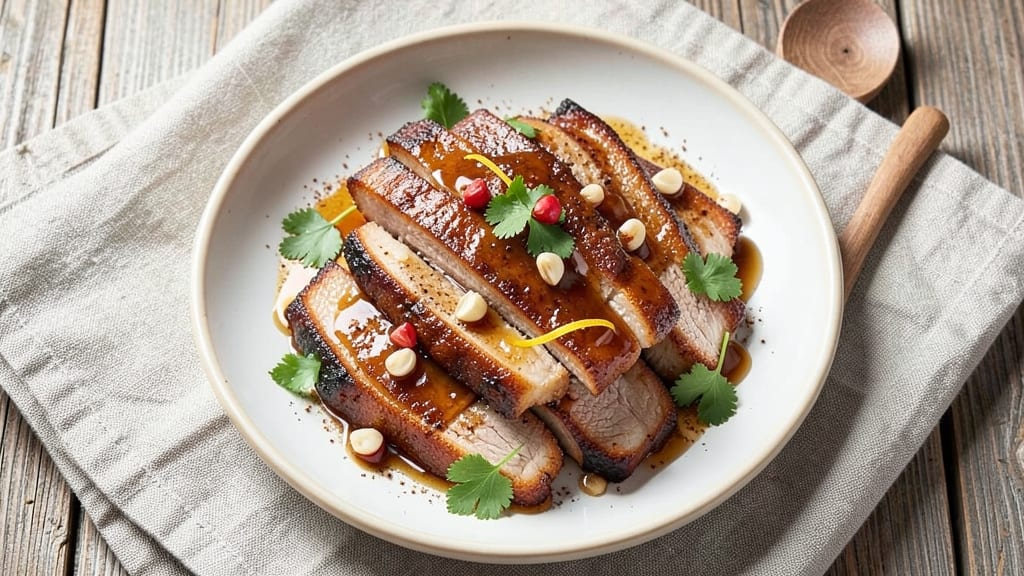
This fried sliced pork belly recipe delivers the holy grail of textures—shatteringly crispy bark that gives way to melt-in-your-mouth fat.
After years of perfecting this technique in my Atlanta smokehouse, I've cracked the code for achieving that restaurant-quality result at home, where every slice holds its shape and crackles with every bite.
The secret lies in proper slicing, high-heat frying, and a simple marinade that enhances the pork's natural richness without overpowering it.
What sets this method apart is the balance between speed and texture. While many recipes require hours of rendering fat or complicated techniques, my version gets you crispy perfection in just 20 minutes—ideal for weeknight dinners or impressing guests.
The key is working with properly sliced pork belly (about ¼-inch thick) that's been marinated in a blend of soy sauce, honey, and five-spice powder, which creates that signature caramelized bark while keeping the interior silky.
The result is a dish that's equal parts indulgent and impressive—golden-brown edges that shatter when you cut in, giving way to layers of tender, marbled pork. This technique works equally well for Chinese-style char siu or Korean-style crispy pork belly, making it incredibly versatile.
Serve it over steamed rice with a side of quick-pickled vegetables, or transform it into tacos with fresh cilantro and lime.
One of my most reliable tips? Use a meat thermometer to ensure the pork reaches 145°F internally before frying—this guarantees juicy centers while the high heat creates that coveted crispy exterior.
The aroma alone will have everyone gathering around your kitchen, and the first bite will silence any doubters about homemade pork belly being worth the effort.
Ingredients for fried sliced pork belly
Pork belly, soy sauce, honey, and five-spice powder transform into crispy perfection in minutes.
| Ingredient | Amount | Notes |
|---|---|---|
| Pork Belly 🥓 | 1 ½ lb | Thinly sliced (about 1/4-inch thick), skin removed |
| Soy Sauce 🍶 | ½ cup | High-quality, preferably Japanese |
| Honey 🍯 | ¼ cup | Wildflower or clover preferred |
| Five-Spice Powder 🌶️ | 1 ½ tbsp | Authentic Chinese blend |
| Neutral Oil 🫒 | 3 cups | Peanut or vegetable oil for frying |
| Garlic Cloves 🧄 | 4 cloves | Minced for marinade |
| Fresh Ginger 🌿 | 1 tbsp | Grated, for marinade |
| Sesame Oil 🫒 | 1 tbsp | For finishing |
| Vegetable Oil 🫒 | ½ cup | For marinade, light flavor |
| Diamond Crystal Kosher Salt 🧂 | 1 ½ tsp | For seasoning |
| Black Pepper 🌶️ | ½ tsp | Freshly ground |
| Green Onions 🧅 | 2 whole | Sliced, for garnish |
The pork belly is non-negotiable for this recipe—look for thick-cut pieces with good marbling at Whole Foods or your local butcher. Costco often has pre-sliced pork belly, but I prefer to slice it myself to ensure even ¼-inch thickness. If you can't find thick-cut, buy a whole pork belly and slice it yourself with a sharp knife. The fat content is what gives you that melt-in-your-mouth texture, so don't skimp on quality. For the five-spice powder, Penzeys has an excellent blend, but any authentic Chinese five-spice will work. If you're feeling adventurous, toast the whole spices before grinding them for a deeper flavor.
No soy sauce? Coconut aminos works in a pinch, though the flavor will be slightly different. Substitute honey with maple syrup if you're avoiding it, but the caramelization won't be as pronounced. Fresh ginger is ideal, but ground ginger at half the amount will do. For the oil, peanut oil has a higher smoke point, but vegetable oil is more neutral. If you're making this for a crowd, double the oil—it's worth the extra crispiness. The sesame oil is just for finishing, so don't stress if you're out. A drizzle of toasted sesame seeds adds texture if you've got them.
Marinate the pork for at least 30 minutes—overnight is even better. Store leftovers in an airtight container with a paper towel to absorb excess oil. This dish reheats beautifully—just warm in a skillet over medium heat for 2-3 minutes. For maximum crispiness, fry in batches and keep the cooked pork in a 200°F oven while finishing the rest. The pork belly will keep in the fridge for 3-4 days, but trust me, it won't last that long.
Why You'll Love This Recipe
- No-Fuss Slicing: I swear by pre-sliced pork belly from the grocery store—no butchering skills required. Just pat it dry, slice it thin, and toss it in the pan. (Yes, even on a Tuesday night.)
- Sweet-Savory Magic: That honey-soy glaze? It’s the secret weapon—sticky, caramelized edges with a hint of warmth from the five-spice. One bite and you’ll understand why it’s my go-to.
- Leftovers for Days: This keeps perfectly for 3-4 days in the fridge. Cold slices in rice bowls? Wrapped in lettuce for a quick lunch? It’s the ultimate lazy-day staple.
- Budget Crowd-Pleaser: A single slab feeds four for under $15. The five-spice powder stretches the flavor, and the pork belly’s richness means every bite feels special—without breaking the bank.
Step-by-step instructions for crispy fried sliced pork belly
Here's how to transform tender pork belly into irresistible golden slices with a perfect balance of crispy bark and succulent fat.
Prepare the Pork Belly with the Marinade
In a large mixing bowl, combine the 0.5 cup soy sauce, 0.25 cup honey, 1.5 tbsp five-spice powder, 0.5 cup vegetable oil, 4 cloves minced garlic, and 1 tbsp grated fresh ginger. Whisk vigorously until the honey and oil emulsify into a smooth marinade. The mixture should coat the back of a spoon and have a glossy sheen.
Add the 1.5 lb thinly sliced pork belly to the marinade, ensuring each slice is fully coated. Cover the bowl with plastic wrap and refrigerate for at least 30 minutes—this allows the flavors to penetrate deeply and the five-spice powder to adhere to the meat. For best results, marinate overnight, but even 30 minutes will yield excellent flavor. The pork belly should absorb the marinade completely, giving it a rich, aromatic glaze.
Heat the Oil for Deep Frying
Fill a deep skillet or Dutch oven with 3 cups neutral oil and place it over medium-high heat. Insert an instant-read thermometer into the oil—it should reach 350°F. If you don't have a thermometer, test the oil by dropping in a small piece of pork belly; it's ready when it sizzles vigorously and floats to the surface.
Here's the thing—maintaining the right temperature is critical. If the oil is too cool, the pork belly will absorb oil and become greasy instead of crispy. If it's too hot, the exterior will burn before the interior cooks through. Keep the heat steady at 350°F throughout the frying process. The oil should shimmer gently, indicating it's at the perfect temperature for frying.
Fry the Pork Belly in Batches
Using tongs, carefully remove the pork belly from the marinade, allowing any excess to drip off. Working in batches to avoid overcrowding the pan, gently lower the slices into the hot oil. Fry for 2-3 minutes per side until the edges turn a deep golden brown and the pork belly releases easily from the tongs. This is your signal that the exterior is developing that coveted crispy bark.
Don't skip the batch process—overcrowding the pan will lower the oil temperature, leading to greasy rather than crispy pork belly. Once a batch is fried, transfer the slices to a paper towel-lined plate to drain excess oil. Repeat with the remaining pork belly, maintaining the oil temperature at 350°F between batches. The pork belly should emerge with a glossy, golden crust that snaps when you press it gently with tongs.
Finish with Sesame Oil and Garnish
Return the fried pork belly to the skillet and reduce the heat to low. Drizzle 1 tbsp sesame oil over the top and toss gently to coat. The sesame oil adds a nutty aroma and enhances the five-spice flavor. Let the pork belly sit in the skillet for 1-2 minutes to absorb the sesame oil's essence.
Transfer the pork belly to a serving platter and garnish with 2 whole sliced green onions. The green onions add a fresh contrast to the rich, savory pork belly. Serve immediately while the exterior is still crispy and the interior remains tender. The pork belly should have a perfect balance of textures—crispy on the outside, silky on the inside, with a burst of five-spice flavor in every bite.
Pro Tips For Making Fried Sliced Pork Belly
- CRISP FIRST, FRIED LATER: After slicing the pork belly, pat it thoroughly with paper towels—no wet spots, no excuses. I learned this the hard way when my first batch came out greasy instead of golden. The slices should feel dry to the touch; if they’re damp, blot again. This isn’t just about crispiness—it’s about the honey and soy sauce sticking where you want them, not pooling in the pan.
- SALT THE SLICES, NOT THE PAN: Toss the sliced pork belly with a generous pinch of salt (about ½ teaspoon per 100g) right after slicing. Let it sit for 10 minutes while you heat the oil—this draws out moisture and guarantees a better sear. I used to skip this, and the crust would always feel uneven. Trust me, the salt does half the work before the pan even gets involved.
- LOW AND SLOW FOR FIVE-SPICE: Once the pork belly is fried and golden, immediately reduce the heat to low and add the five-spice powder directly to the pan. Stir for 30 seconds—this toasts the spices and infuses them into the oil, which then coats the meat. I was skeptical until I tried it; the flavor clings to the slices instead of floating away in the air (yes, even if you’re impatient like me).
- HONEY LAST, HEAT OFF: Turn off the heat before adding the honey and soy sauce. Pour it in, then tilt the pan to coat the slices evenly—this prevents burning and lets the sauce cling instead of charring. I used to add it over high heat, and half the time, it’d turn bitter. The residual heat from the pan is enough to warm the sauce without risking disaster.
Storing and reheating this dish
Refrigerator Storage
Store leftover fried pork belly in an airtight container with a paper towel on top to absorb excess oil. The crispy exterior will soften slightly, but the fat remains rich and flavorful.
Keep it refrigerated for up to 3-4 days—I usually wrap mine in parchment paper before placing it in the container to maintain crispness longer. 🥓
Freezer Preservation
For longer storage, freeze the pork belly in a single layer on a tray before transferring to a freezer bag. This prevents clumping and makes reheating easier. Label with the date—it stays good for 2-3 months.
When ready to eat, thaw overnight in the fridge before reheating. I swear by this method for preserving that coveted crispy texture.
Reheating Methods
For crispy results, reheat in a skillet over medium heat for 2-3 minutes per side until golden. Add 1 tsp neutral oil to prevent sticking. If using the oven, bake at 400°F for 8-10 minutes on a wire rack to crisp the exterior.
Microwaving works in a pinch, but expect softer texture—cover with a damp paper towel and heat in 30-second bursts.
Reviving Crispiness
If your pork belly loses its crisp, revive it by frying again in hot oil for 30 seconds per side or broiling for 1-2 minutes until golden. This trick works wonders for leftovers that need a texture boost.
I’ve used this method to turn limp pork belly back into crispy perfection for lunch the next day. 🔥
Portioning Tips
Slice pork belly into individual portions before storing to make reheating easier. Store each serving in a small container with a paper towel to absorb moisture. This keeps the slices separate and prevents them from sticking together.
A pro tip: Freeze portions on a tray, then transfer to a bag—this ensures each piece reheats evenly and maintains its shape.
Nutrition facts
Frequently asked questions
How thick should I slice the pork belly for perfect frying?
For ideal texture, slice the pork belly to about ¼-inch thickness. This ensures even cooking and maximum crispiness while keeping the interior tender. Use a sharp knife and ask your butcher to slice it for you if needed—thicker slices won't crisp properly, while thinner ones may overcook before reaching the center.
Can I use leftover pork belly fat for frying?
The rendered fat from pork belly is one of the best oils for frying—it has a high smoke point and adds incredible flavor. After frying, strain the oil through a fine-mesh sieve or cheesecloth to remove any solids, then store it in a jar. Use it for future frying sessions or even as a finishing oil for vegetables.
What's the best way to keep the pork belly crispy after frying?
Work in batches and keep the fried pork in a 200°F oven while finishing the rest. This maintains crispiness while preventing sogginess. For serving, place on a wire rack over a baking sheet—this allows air circulation and keeps the slices crispy longer. Avoid stacking them directly on a plate, as this traps steam.
How do I adjust this recipe for air frying?
Air frying works well for a lighter version! Preheat your air fryer to 375°F and spray the pork belly lightly with oil. Cook in a single layer for 6-8 minutes, flipping halfway, until golden and crispy. The texture won't be as deep-fried but still delivers excellent results with less oil. For extra crispiness, broil for 1-2 minutes at the end.
Why did my pork belly turn out greasy instead of crispy?
Greasy pork belly usually means the oil wasn't hot enough or the slices were overcrowded. Maintain a steady 350°F oil temperature and fry in small batches to avoid lowering the heat. Also, pat the slices dry before frying—excess moisture causes oil absorption. If it happens, try reheating in a dry skillet to restore crispiness.