
Main Courses
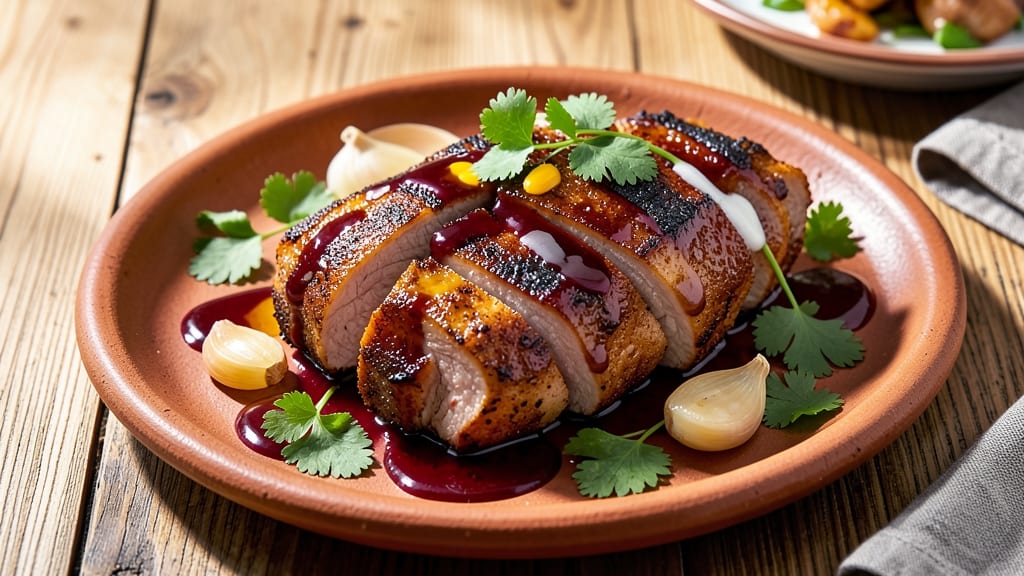
This achiote pork recipe transforms humble pork shoulder into tender, smoky-spiced shreds that carry the warm, earthy depth of Latin American traditions. 🌟 The secret lies in achiote paste—a vibrant, aromatic spice blend that infuses the meat with its signature golden hue and complex flavor profile during an overnight marinade.
I first discovered this technique while working in Charleston, where Caribbean and Southern cooking styles beautifully collide.
The magic happens in the slow cooking process, where the pork breaks down into melt-in-your-mouth perfection while absorbing the achiote's smoky, slightly sweet notes. What sets this recipe apart is the celery crown crunch—a crispy, herbaceous topping that adds textural contrast and freshness to every bite.
This dish bridges cultural traditions with modern techniques, delivering restaurant-quality results that taste like home.
By the time you're done, you'll have perfectly tender pork that practically falls apart at the touch, coated in a rich, achiote-infused sauce. The celery crown adds a refreshing crunch that cuts through the richness, while the aromatic spices create layers of flavor that linger long after the last bite.
It's the kind of dish that transforms ordinary weeknights into special occasions.
Serve with fluffy white rice, warm plantains, or a fresh tropical salad to complete the experience. This recipe scales beautifully for gatherings, making it perfect for family dinners or festive celebrations. Let's get cooking—your taste buds are about to experience a flavor journey from the Caribbean to your table.
Ingredients for achiote pork
Six aromatic spices and a vibrant marinade transform simple pork into restaurant-worthy shreds.
| Ingredient | Amount | Notes |
|---|---|---|
| Boneless Pork Shoulder 🥩 | 4 lb | Well-marbled for tenderness |
| Achiote Paste 🌶️ | ½ cup | Authentic Caribbean blend |
| Orange Juice 🍊 | 1 cup | Freshly squeezed preferred |
| White Vinegar 💧 | ¼ cup | For tangy brightness |
| Garlic Cloves 🧄 | 6 cloves | Minced for marinade |
| Fresh Cilantro 🌿 | ¼ cup | Chopped, stems removed |
| Celery Stalks 🧅 | 1 whole | Thinly sliced for crown |
| Yellow Onion 🧅 | 1 whole | Thinly sliced for crown |
| Bell Pepper 🍅 | 1 whole | Red or green, thinly sliced |
| Olive Oil 🫒 | ¼ cup | Extra-virgin for richness |
| Ground Cumin 🌿 | 1 tsp | Toasted for depth |
| Ground Coriander 🌿 | 1 tsp | Freshly ground preferred |
| Bay Leaves 🌿 | 2 whole | For aromatic infusion |
| Salt 🧂 | 1 ½ tsp | Diamond Crystal preferred |
| Black Pepper 🌶️ | ½ tsp | Freshly cracked |
The pork shoulder is the star—look for cuts with good marbling at Whole Foods or your local butcher. Authentic achiote paste makes all the difference; La Fe or Madura brands are my go-tos, but any Caribbean market should carry it. If you can't find it, blend annatto seeds with oil (1 tbsp seeds to 1/4 cup oil) for a DIY version. The orange juice should be freshly squeezed—Valencia oranges have the best balance of sweetness and acidity. For the celery crown, choose crisp stalks with vibrant green tops, as they'll crisp up beautifully when fried.
No achiote paste? Annatto seeds or powder will work in a pinch, but you'll miss the complex smoky depth. Substitute orange juice with grapefruit juice at half the amount for a tangier profile. Fresh cilantro is ideal, but dried works at one-third the quantity. The celery crown can be prepped ahead—store the raw mix in a sealed container for 2 days or fry it fresh before serving. For extra richness, add a splash of dark rum or coconut milk to the marinade. And trust me, toast your cumin and coriander in a dry pan for 30 seconds—the aroma alone is worth it.
Marinate the pork overnight for maximum flavor infusion. The achiote paste stains everything golden—wear gloves if you're picky about stains. Store raw marinade in the fridge for 2 days or freeze for 3 months. Cooked pork reheats beautifully—just add a splash of broth or water to keep it moist. The celery crown stays crisp for 3 days in the fridge, but it's best served fresh. For a crowd, double the celery crown mix—it's always a crowd-pleaser.
Why You'll Love This Recipe
- Fewer Ingredients, Bigger Bang: I swear by this recipe—just five core ingredients transform tough pork into something tender and irresistible. No fancy marinades or hard-to-find spices here; achiote paste, orange juice, and vinegar do all the heavy lifting while I chop garlic in under two minutes.
- Tangy-Sweet Magic: That bright orange juice and vinegar combo? It’s the secret weapon. The pork soaks up the flavors until every bite is juicy, slightly tangy, and just sweet enough—like a cross between pulled pork and a citrusy braise, but way easier to pull off.
- Leftovers That Don’t Suck: Between us, this dish begs for seconds—and thirds. The slow-cooked pork stays moist for days, so I make it on Sundays and repurpose it into tacos, sandwiches, or even fried rice all week. No sad, dry leftovers here.
- Budget Meal, Crowd Pleaser: A whole pork shoulder costs less than takeout for four, and it feeds a family (or a hungry group of friends) without breaking the bank. Plus, the achiote paste adds color and depth for pennies—fancy without the fuss.
Step-by-step instructions for achiote pork recipe
Here's how to transform a simple pork shoulder into tender, smoky-shaded shreds with a crisp celery crown.
👨🍳 Step 1: Prepare the Aromatic Marinade
In a large bowl, whisk together the 0.5 cup achiote paste with the 0.25 cup olive oil until smooth. This paste gives the pork its signature smoky color and deep flavor. Add the 1 cup orange juice and 0.25 cup white vinegar, stirring until fully combined—this tangy mix tenderizes the meat while balancing the richness.
Next, add the 6 minced garlic cloves, 1 tsp ground cumin, 1 tsp ground coriander, 1.5 tsp salt, and 0.5 tsp black pepper. The spices should dissolve completely into the marinade. Place the 4 lb boneless pork shoulder in a resealable plastic bag, pour the marinade over it, and massage it gently to coat all surfaces. Seal the bag and refrigerate for at least 12 hours—this ensures deep flavor penetration and tender meat.
🔥 Step 2: Sear and Slow-Cook the Pork
Preheat your oven to 300°F. Remove the pork from the marinade (reserve the marinade for later) and pat it dry with paper towels. Heat a Dutch oven over medium-high heat and add the pork, fat-side down. Sear for 8-10 minutes until a deep golden-brown crust forms—this locks in juices and builds flavor. Flip the pork and sear the other side for another 8-10 minutes.
Return the pork to the Dutch oven, add the reserved marinade, and place the 2 bay leaves on top. Cover and transfer to the oven. Braise for 3-4 hours until the pork is fork-tender and easily pulls apart. The internal temperature should reach 195-200°F, which guarantees melt-in-your-mouth texture. If the liquid reduces too much, add ¼ cup water to keep it moist.
🥘 Step 3: Create the Celery Crown Crunch
While the pork cooks, prepare the celery crown. Thinly slice the 1 whole celery stalk, 1 whole yellow onion, and 1 whole bell pepper into ¼-inch thick rounds. Toss them in a bowl with 0.25 cup chopped fresh cilantro and 1 tablespoon olive oil from the reserved marinade. This bright, crunchy topping adds texture and freshness to each bite.
Spread the sliced vegetables on a parchment-lined baking sheet and broil for 5-7 minutes until the edges are slightly charred and crisp. Watch closely—they burn quickly! Let them cool completely before serving to maintain their crunch.
🔪 Step 4: Shred and Serve
Once the pork reaches 195-200°F, remove it from the oven and let it rest for 15 minutes under foil. This resting period allows the juices to redistribute, ensuring each bite is moist and flavorful. Use two forks to shred the pork directly in the Dutch oven, discarding the bay leaves. Stir in any accumulated juices for extra richness.
Serve the shredded pork topped with the crisp celery crown mixture. The contrast of tender, smoky pork with the bright, crunchy vegetables creates a perfect balance of textures and flavors. Garnish with extra cilantro if desired, and enjoy immediately while the celery crown stays crisp.
Pro Tips For Making Achiote Pork
- Brown the Pork First: Skip the marinade and sear the pork shoulder in a hot pan for 5-7 minutes per side before adding liquids. The crust locks in flavor and keeps the meat from turning mushy later—I learned this after two batches of bland, watery pork.
- Whisk the Achiote Paste: Thin the achiote paste with a splash of orange juice before mixing it into the vinegar and garlic. This prevents clumping and ensures the paste dissolves evenly into the sauce. I used to just dump it in raw, and the sauce always looked streaky.
- Simmer, Don’t Boil: Keep the heat low enough that the sauce bubbles gently, not violently. Boiling toughens the pork and makes the sauce turn bitter. This isn’t a race—let it cook at 180°F (75°C) for hours, and the meat will fall apart perfectly.
- Deglaze with Vinegar Early: After browning the pork, splash in half the white vinegar immediately to scrape up the fond. This adds depth to the sauce without overpowering it. I used to wait, and the flavor always felt flat—this step makes a real difference.
Regional styles of this dish
Caribbean Roots
Achiote pork traces its roots to the Caribbean, where enslaved Africans combined indigenous ingredients with Spanish influences. In Jamaica and Puerto Rico, this dish became a staple at family gatherings, often served with rice and beans.
The achiote paste—made from annatto seeds—was traditionally used to preserve meat and add vibrant color. My first taste was in Charleston's historic markets, where Caribbean vendors sold authentic blends that transformed simple pork into something extraordinary. 🌶️
Mexican Mole Fusion
Southern Mexico takes achiote pork to new heights by incorporating it into rich mole sauces. In Oaxaca, cooks blend achiote with chocolate and chiles for a complex, slightly sweet profile.
The result is a dish called puerco en mole, where pork shoulder is slow-cooked until tender and smothered in a velvety sauce. I adapted this technique by adding 1 tablespoon cocoa powder to my marinade—it deepens the flavor without overpowering the achiote's natural smokiness.
Brazilian Churrasco Style
In Brazil, achiote-infused pork is grilled over carvão vegetal (hardwood charcoal) for a smoky, charred finish. The dish, called linguiça defumada, often includes garlic and cumin in the marinade. For a Brazilian twist, I grill the pork shoulder over mesquite or hickory chips after the initial oven braise.
The high-heat sear adds a caramelized crust that contrasts beautifully with the tender interior. Serve with farofa (toasted cassava flour) for a true Brazilian experience. 🔥
Puerto Rican Lechón Style
Puerto Rican lechón asado elevates achiote pork to festival-level status. The entire pig is slow-roasted with achiote paste rubbed into the skin, creating a crispy, golden crust.
While whole pig is impractical for home cooks, I mimic the technique by scoring the pork shoulder and rubbing it with extra achiote paste before searing. The result is a dish that captures the festive spirit of Puerto Rico's Three Kings Day celebrations.
Pair with mofongo (mashed plantains with garlic) for an authentic touch.
Modern Fusion Twist
For a contemporary take, I've experimented with adding adobo sauce to the marinade, blending Caribbean and Mexican flavors. The adobo's tangy, smoky notes complement the achiote beautifully.
I also serve the celery crown with a drizzle of chipotle crema (blend sour cream with adobo sauce) for a modern fusion that still honors traditional techniques. This version is perfect for foodies who love bold, layered flavors without sacrificing authenticity. ✨
Nutrition facts
Frequently asked questions
Can I substitute annatto seeds for achiote paste?
Yes, but the flavor won't be identical. For ½ cup achiote paste, blend 1 tablespoon annatto seeds with ¼ cup olive oil until smooth. The result will have the color but lack achiote's complex smoky depth. For best results, use authentic Caribbean achiote paste—brands like La Fe or Madura make all the difference.
How long can I marinate the pork?
Marinate for at least 12 hours for optimal flavor, but don't exceed 24 hours—longer marinating can make the meat mushy. The overnight time lets the achiote's vibrant spices penetrate deeply while the acidity (from orange juice and vinegar) tenderizes the meat perfectly. Pro tip: Massage the marinade into the pork every few hours for even distribution.
What's the best way to reheat leftovers?
Reheat shredded pork in a skillet with 1 tablespoon olive oil over low heat until warmed through (about 5-7 minutes). Add 1-2 tablespoons water or broth to prevent drying. For the celery crown, reheat in a dry skillet for 1-2 minutes—just enough to restore crispness. Never microwave, as it turns the celery soggy.
Can I use chicken or beef instead of pork?
This marinade works beautifully with chicken thighs (reduce marinating time to 6-8 hours) or beef chuck roast (increase cooking time to 4-5 hours). For chicken, cook until internal temp reaches 165°F. The achiote's smoky notes complement all three meats, though pork remains the traditional choice.
Why does my pork turn out dry?
Dry pork usually means overcooking or skipping the rest time. Always check internal temp—195-200°F is perfect for pulled texture. If using a meat thermometer, remove the pork at 190°F and let it rest 15 minutes under foil. Another common mistake is not adding enough liquid during cooking—stir in ¼ cup water if the pan seems dry. The marinade's moisture is key!