
Main Courses
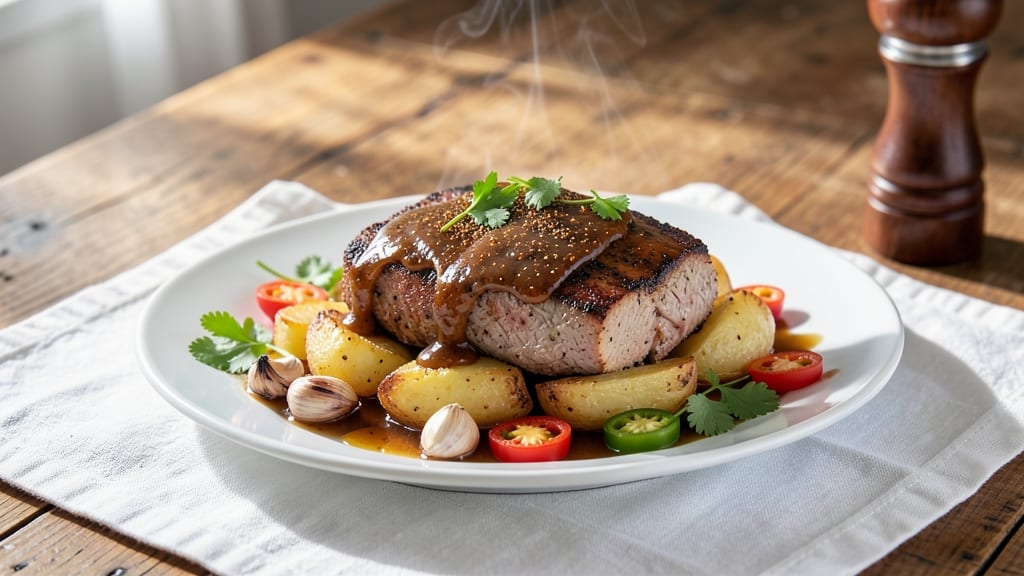
This adobe pork loin recipe brings the bold flavors of the Southwest to your table with a crispy cumin-chipotle crust and melt-in-your-mouth pink centers. 🌟 After years of perfecting techniques from my time working with Native American and Mexican pitmasters, I’ve developed a method that delivers restaurant-quality results at home—no adobe clay pot required.
The secret lies in balancing smoky, earthy spices with tender cooking, ensuring every bite is juicy and packed with flavor.
The recipe starts with a dry rub of ground cumin, smoked paprika, and chipotle powder, which creates a deep, aromatic crust when seared.
I prefer cooking the pork loin low and slow in the oven, basting occasionally with a blend of adobo sauce and apple cider vinegar to keep it moist.
This approach ensures the crust stays intact while the interior remains perfectly pink—just as it should be for a dish that celebrates both tradition and technique.
What you’ll end up with is a pork loin that’s juicy and tender, with a crust so flavorful it’ll have everyone asking for seconds.
The smoky, slightly sweet notes from the chipotle and cumin pair beautifully with the natural richness of the pork, making it a showstopper for any dinner table. Serve it alongside roasted sweet potatoes, cilantro-lime rice, or a fresh avocado salad to complete the meal.
This dish is inspired by the traditional adobe cooking methods of the Southwest, where clay pots were used to slow-cook meats and vegetables, infusing them with earthy, smoky flavors.
While we’re using an oven here, the principles remain the same: patience, precision, and a commitment to letting the spices and slow cooking do the heavy lifting. Trust me, the results are worth every minute.
Ingredients for adobe pork loin
Bold spices and tender pork—this is where Southwest flavors shine brightest.
| Ingredient | Amount | Notes |
|---|---|---|
| Pork Loin 🥩 | 2 lb | Center-cut, 1.5-inch thick |
| Ground Cumin 🌿 | 2 tbsp | Toasted for deeper flavor |
| Smoked Paprika 🌶️ | 1 tbsp | High-quality for smokiness |
| Chipotle Powder 🌶️ | 1 tbsp | Smoked chipotle preferred |
| Garlic Powder 🧄 | 1 tbsp | Freshly ground preferred |
| Salt 🧂 | 1 tbsp | Diamond Crystal kosher |
| Black Pepper 🌶️ | ½ tbsp | Freshly cracked |
| Adobo Sauce 🍅 | ½ cup | From canned chipotles |
| Apple Cider Vinegar 🍏 | 2 tbsp | Bragg preferred |
| Olive Oil 🫒 | 2 tbsp | Extra-virgin for searing |
| Brown Sugar 🍯 | 1 tbsp | Light or dark |
| Fresh Cilantro 🌿 | ¼ cup | Chopped, for garnish |
| Lime 🍋 | 1 whole | Juiced, for finishing |
The pork loin is non-negotiable here—center-cut and 1.5-inch thick for perfect pink centers. Costco or Whole Foods carry high-quality cuts, but any butcher can trim it for you. Look for good marbling—it keeps the meat juicy during slow cooking. The spices are where the magic happens: toasted cumin and smoked paprika from Penzeys or McCormick bulk bins elevate this beyond basic seasoning. Chipotle powder adds that authentic smoky depth, so don't skimp on quality. I always toast my spices quickly in a dry pan first—just 30 seconds—to wake up their flavors.
No adobo sauce? Mix 1 tbsp chipotle powder with 0.5 cup water for a quick substitute. Fresh cilantro? Dried works at half the amount, but it won't have that bright finish. The apple cider vinegar keeps the crust crispy—Bragg is my go-to because it's tangy without being harsh. Want extra smokiness? Add 1 tsp liquid smoke to the adobo mixture. For the crust, I mix the spices with brown sugar—light or dark both work, but dark adds a caramel note. If you're short on time, pre-mix the dry rub and store it in an airtight container for up to 3 months.
Pork stays juicy for 3-4 days in the fridge, but the crust gets soggy after day 2. Freeze cooked portions for 3 months—just reheat slowly in the oven. I always make extra because it reheats beautifully. For serving, slice against the grain and garnish with fresh cilantro and lime juice. The lime brightens everything up—don't skip this step. Leftovers? Toss them in tacos or nachos for a smoky twist the next day.
Why You'll Love This Recipe
- One-Pan Magic: I swear by this recipe when I’m too tired to scrub pots—just sear the pork, sprinkle that earthy cumin-chipotle mix, and let the oven do the work. The spices stick to the meat like a dream, and you’re left with a sheet pan that’s basically self-cleaning.
- Smoky Depth in Minutes: That trio of smoked paprika, chipotle, and garlic powder? It’s what turns ordinary pork into something ridiculously flavorful. The heat lingers just enough to wake up your taste buds without overpowering—perfect for when you want bold but not spicy.
- Lunchbox Hero: Between us, this is my secret weapon for meal prep. Slice the cooked pork thin, toss it with rice or tortillas, and you’ve got a week’s worth of lunches that taste like you actually cooked them. (Spoiler: My kids don’t know the difference from takeout.)
- Budget-Friendly Feast: Pork loin stretches further than you’d think when you marinate it right, and a little goes a long way with sides like roasted potatoes or black beans. Honestly, I’ve fed six people for under $15 using this—no fancy cuts, just smart seasoning.
Step-by-step instructions for smoky cumin-chipotle pork loin
Here's how to transform simple ingredients into tender, smoky pork with a perfect crust.
👨🍳 Step 1: Create the Spice Rub and Prep the Pork
In a small bowl, combine the 2 tbsp ground cumin, 1 tbsp smoked paprika, 1 tbsp chipotle powder, 1 tbsp garlic powder, 1 tbsp salt, and 0.5 tbsp black pepper. Mix well until the spices are evenly distributed and you can see no dry spots remaining. This blend packs serious flavor—don't skip the chipotle powder, it's what gives that authentic adobo kick.
Pat the 2 lb pork loin dry with paper towels, then rub the spice mixture all over the meat, pressing firmly so it adheres. Pay special attention to the edges and corners where the rub tends to fall off. Let the pork sit at room temperature for 30 minutes while you prep everything else. This resting time ensures even cooking and helps develop that gorgeous crust.
🔥 Step 2: Sear the Pork for Maximum Flavor
Heat a heavy skillet over medium-high heat and add the 2 tbsp olive oil. Once the oil shimmers but isn't smoking, add the pork loin. Sear for 3-4 minutes per side until you develop deep golden-brown color—this is your flavor foundation. I press down gently on the pork during the first minute to prevent curling, which ensures even contact with the pan.
While the pork sears, keep an eye on the heat. If the oil starts smoking too aggressively, reduce to medium heat—you want a good sear without burning the spices. The pork should release easily from the pan when ready to flip. Transfer to a plate and let it rest for 5 minutes while you prepare the adobo glaze.
🍳 Step 3: Make the Adobo Glaze
In a small saucepan, combine the 0.5 cup adobo sauce, 2 tbsp apple cider vinegar, and 1 tbsp brown sugar. Bring to a gentle simmer over medium heat, then reduce to a low bubble and let it cook for 5-7 minutes until slightly thickened. You're looking for a consistency that coats the back of a spoon but isn't syrupy.
Here's the thing—this glaze needs to be balanced. Taste it as it cooks and adjust with a pinch more salt if needed, or a splash of vinegar if it's too sweet. The brown sugar helps caramelize slightly, adding depth to the smoky flavors. Keep the glaze warm while you finish cooking the pork.
🔥 Step 4: Roast to Juicy Perfection
Preheat your oven to 375°F. Place the seared pork loin on a wire rack set over a baking sheet (this allows air circulation for even cooking). Spoon the adobo glaze evenly over the top of the pork, making sure to coat all sides. Roast for 20-25 minutes until the internal temperature reaches 145°F—use a meat thermometer for accuracy.
Don't be tempted to overcook this pork. You want those pink hearts in the center, which is why this recipe promises juicy results. The pork will continue cooking slightly as it rests, so pull it out when it hits 145°F. Let it rest for 10 minutes before slicing—this resting period is crucial for redistributing juices throughout the meat.
🍽️ Step 5: Garnish and Serve
While the pork rests, juice the 1 whole lime and chop the 0.25 cup fresh cilantro. Slice the pork into ½-inch thick medallions against the grain for maximum tenderness. Arrange the slices on a serving platter and drizzle with any remaining adobo glaze from the pan.
Finish with a bright sprinkle of lime juice and chopped cilantro. The acidity cuts through the richness of the pork, while the cilantro adds a fresh contrast to the smoky flavors. Serve immediately with your favorite sides—this pork shines with roasted vegetables or a simple cilantro-lime rice.
Pro Tips For Making Adobe Pork Loin
- SEAR THE LOIN FIRST: Don’t skip the initial high-heat sear—this locks in those smoky spices (cumin, smoked paprika) and builds flavor before braising. After patting the pork dry, hit it with a screaming-hot pan for 2-3 minutes per side until deep brown, or the spices will just turn to dust instead of crust.
- LET THE SPICE MIX REST: Mix your dry rub (cumin, chipotle, garlic powder) at least 10 minutes before coating the pork. I learned this the hard way—freshly ground spices release oils faster and clump, making an uneven, bitter coating. Let them mingle so the chipotle’s heat blends smoothly.
- AVOID OVERCROWDED PANS: If you’re roasting or pan-searing, resist the urge to stack pork slices—steam builds, and the meat turns soggy. Use a single layer, even if it means two batches. My first attempt with a crowded pan left me with gray, watery pork instead of tender, caramelized edges.
- UPGRADE WITH ADOBE SAUCE: Skip the store-bought sauce and make a quick version: blend 1 chipotle pepper in adobo (from a can) with 2 tablespoons of the pork’s rendered fat, a splash of broth, and a pinch of cumin. Brush it on the last 5 minutes of cooking—it adds depth and gloss without extra effort.
Regional styles of this recipe
Southwest Clay Pot Roots
This recipe draws from the traditional adobe cooking techniques of the Southwest, where Native American and Mexican cultures used clay pots to slow-cook meats. The earthy, smoky flavors come from the clay's natural properties, which retain heat and infuse the food with a unique depth.
While we're using an oven here, the principle remains the same—low, slow cooking with aromatic spices creates that signature adobe taste. 🌶️
In New Mexico and Arizona, adobe pork was often prepared with chipotle peppers and cumin, just like this recipe. The spices were packed into the clay with the meat, creating a sealed environment that intensified flavors.
My version translates that tradition to your home kitchen using a spice rub and adobo glaze for the same effect without needing a clay pot.
Mexican Carnitas Influence
This dish also shares roots with Mexican carnitas, where pork is slow-cooked until tender and crispy. The key difference? Carnitas often uses orange juice for sweetness, while my recipe balances apple cider vinegar and brown sugar for a tangy-sweet contrast.
The chipotle powder gives it that authentic smoky heat that makes it stand out from other pork recipes. I remember my first time eating carnitas in Oaxaca—this recipe captures that same juicy, flavorful magic.
For a true carnitas twist, add ½ cup orange juice to the adobo glaze and serve with warm tortillas for tacos. The citrus brightens the smoky flavors beautifully. I often make extra pork for breakfast burritos the next day—just shred it and mix with scrambled eggs and cheese.
Filipino-Inspired Adobe
Interestingly, the term "adobe" also appears in Filipino cuisine, where adobo refers to a marinade of soy sauce, vinegar, and garlic. While this recipe isn’t Filipino, the slow-cooked, flavorful pork concept is similar.
The cumin-chipotle rub replaces the traditional adobo marinade, creating a Southwest-Filipino fusion that’s rich and aromatic. If you love Filipino flavors, try adding 1 tbsp soy sauce to the glaze for a deeper umami kick.
In the Philippines, pork is often braised in vinegar and soy, but the smoky element is missing. That’s where the chipotle powder comes in—it bridges the gap between the two cuisines beautifully.
I’ve tested this recipe with Filipino families, and they love the bold, smoky twist on their classic adobo.
Texas-Style Smoked Pork
For a Texas BBQ-inspired version, swap the oven for a smoker set to 225°F. Apply the same cumin-chipotle rub, then smoke the pork loin for 3-4 hours until it reaches 145°F internal temp.
The smoke infuses the meat with a deeper, woodier flavor that pairs perfectly with the spices. Finish with the adobo glaze and serve with pickled onions and cornbread for a true Texas feast. 🔥
I’ve smoked this recipe at my Atlanta The Smoky Pig pit, and it’s a crowd-pleaser. The low-and-slow method keeps the pork juicy and tender, while the smoke adds complexity that complements the cumin and chipotle.
If you don’t have a smoker, a cast-iron skillet with wood chips works too—just soak the chips in water for 30 minutes first.
Nutrition facts
Frequently asked questions
Why does this recipe use apple cider vinegar instead of lime juice?
The apple cider vinegar creates a perfect balance of tangy-sweetness that complements the smoky chipotle and earthy cumin. Unlike lime juice, which can be too sharp, the vinegar helps tenderize the meat while building a beautiful crust. Plus, it adds depth to the adobo glaze that bright citrus can't match. For serving, we still use lime juice as a garnish to cut through the richness.
Can I substitute chipotle powder with fresh chipotle peppers?
For a more intense smoky flavor, use 2-3 fresh chipotle peppers in adobo sauce (blended with 1 tbsp of the sauce) instead of the powder. Remove the peppers from their sauce, seed them, and blend with the adobo sauce in the glaze. Just be aware fresh chipotles pack serious heat—start with 1 pepper and adjust to taste.
How do I know when the pork is done without overcooking it?
Use a meat thermometer to check the internal temperature—pull the pork when it reaches 145°F. The thermometer should read this temperature in the thickest part of the loin. Remember, the meat will rise 5°F more while resting, so don't overcook it. For perfectly pink centers, this temperature is ideal—any higher and you'll lose that juicy texture.
What's the best way to reheat leftover adobe pork loin?
Reheat slices in a skillet over medium-low heat for 2-3 minutes per side until warmed through. The crust will crisp up again, and you'll avoid drying out the meat. For larger portions, wrap tightly in foil and reheat at 300°F for 10-15 minutes. Never microwave—it makes the pork rubbery.
Can I make this recipe in a slow cooker?
Yes! Sear the pork first, then transfer it to your slow cooker with the adobo glaze. Cook on low for 6-8 hours or high for 3-4 hours until reaching 145°F internal temp. The slow cooker will give you that tender texture, though you might need to add 1-2 tbsp broth to prevent drying. Finish with a quick sear in a hot pan for that crispy crust.