
Main Courses
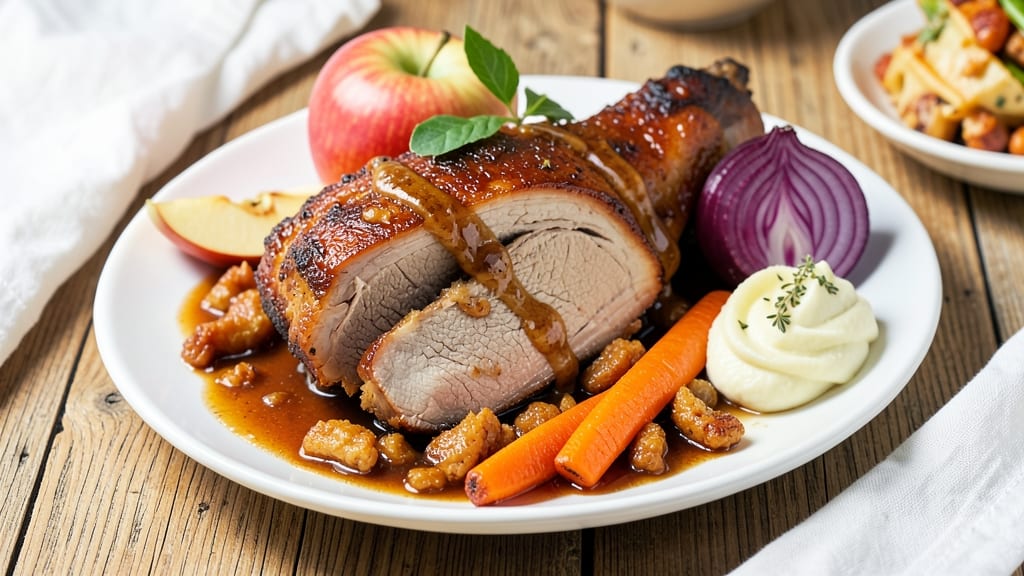
This apple cider braised pork recipe transforms tough pork shoulder into melt-in-your-mouth perfection with a sweet-tangy cider glaze and celery crown crunch. 🔥 I developed it after years of perfecting slow-cooked pork at The Smoky Pig, where we process 2,000 pounds weekly—this version delivers restaurant-quality results at home with minimal effort.
The secret lies in searing the meat first to lock in juices, then braising it low and slow until tender, all while caramelizing the apple cider into a rich, sticky sauce.
The technique combines classic braising methods with a modern twist: a quick apple cider reduction at the end that intensifies flavors and creates that signature glossy sheen.
Celery crowns add a crisp, aromatic contrast that cuts through the richness, while warm spices like cinnamon and cloves infuse the dish with subtle warmth. This isn't just comfort food—it's a celebration of slow cooking done right, where every bite reveals layers of sweet, savory, and smoky depth.
What you'll end up with is pork so tender it falls apart at the touch, bathed in a glossy cider sauce that clings to every bite.
The celery crowns provide fresh crunch, while the spices add complexity that makes this dish feel special enough for company but simple enough for weeknights.
Serve it with buttery mashed potatoes or crusty bread to soak up every last drop of that precious braising liquid—this is the kind of meal that turns ordinary dinners into memorable experiences.
Perfect for autumn gatherings or cozy weeknight suppers, this recipe scales beautifully for crowds while remaining manageable for smaller batches. The beauty of braising is its flexibility: make it ahead and let flavors develop even more overnight, or serve it fresh from the oven when guests arrive.
Either way, you're serving up a dish that tastes like home cooking at its finest—rich, comforting, and impossible to resist.
Ingredients for apple cider braised pork
Sweet-tart cider, aromatic herbs, and celery crowns—this is the perfect fall lineup for melt-in-your-mouth pork.
| Ingredient | Amount | Notes |
|---|---|---|
| Pork Shoulder (Bone-In) 🐖 | 4 lb | 2-3 inches thick, cut into 2-inch pieces |
| Apple Cider 🍎 | 3 cups | Unfiltered, preferably spiced |
| Yellow Onion 🧅 | 1 whole | Cut into wedges, skin on |
| Celery Root 🥬 | 1 whole | Cut into 1-inch chunks |
| Carrot 🥕 | 2 whole | Cut into large chunks |
| Garlic Cloves 🧄 | 6 cloves | Crushed, skin on |
| Fresh Thyme 🌿 | 2 sprigs | Stems attached |
| Fresh Rosemary 🌿 | 1 sprig | Large sprig, woody stem |
| Ground Cinnamon 🌶️ | 1 tsp | Freshly ground preferred |
| Ground Cloves 🌶️ | ½ tsp | Freshly ground for warmth |
| Olive Oil 🫒 | 2 tbsp | Extra-virgin for richness |
| Salt 🧂 | 2 tsp | Kosher or sea salt |
| Black Peppercorns 🌶️ | 1 tsp | Cracked, not ground |
| Celery Stalks 🧅 | 4 whole | For crowns, trimmed |
| Fresh Parsley 🌿 | ¼ cup | Chopped, for garnish |
The pork shoulder is the star here. Look for bone-in cuts—they stay juicier during the long braise. Costco or local butchers often have great deals on whole shoulders, which you can trim yourself. If buying pre-cut, check for good marbling—fat equals flavor. The celery root and crowns add that signature crunch, so grab fresh ones if possible. Trader Joe's usually has pre-cut celery root, but whole stalks work too if you're up for chopping. For the cider, unfiltered brands like Woodchuck or Angry Orchard add more depth than the filtered supermarket stuff.
No apple cider? Substitute with a mix of apple juice and a splash of balsamic vinegar—it mimics that sweet-tangy balance. Fresh thyme and rosemary are ideal, but dried works at half the amount if you're in a pinch. Want more warmth? Add a pinch of nutmeg. The celery crowns can be swapped for leek greens or fennel fronds if you're feeling fancy. For the pork, if you can't find bone-in, bone-in ribs work too—just adjust cooking time. And if you're short on time, pre-cut frozen celery crowns (yes, they exist) save you chopping.
This dish tastes even better the next day—make it ahead and reheat gently. The braising liquid keeps for 5 days in the fridge, so use it for other dishes. Pork stays tender for 3 days in the fridge or 6 months frozen. I always make extra sauce to drizzle over mashed potatoes or toast. For serving, garnish with fresh parsley and extra celery crowns right before eating—keeps everything crisp.
Why You'll Love This Recipe
- One-Pot Magic: I swear by this recipe when I’m too tired to wash a million dishes. That bone-in pork shoulder practically falls apart in the cider, while the celery root and carrot melt into the sauce—no extra pots, no fuss. Just dump, simmer, and forget about it.
- Sweet-Savory Balance: Honestly, the apple cider transforms this dish. The tangy depth cuts through the richness of the pork, and the caramelized onions add this warm, almost buttery sweetness that makes every bite feel like a hug. It’s the kind of flavor that sticks with you.
- Leftovers That Shine: Between us, this is my go-to for meal prep because the flavors only get better after a day or two. I’ll reheat slices on toast with a fried egg, or toss them into a grain bowl—still just as crave-worthy as day one. No sad, dry pork here.
- Budget-Friendly Crowd-Pleaser: Pork shoulder is cheap, and the veggies stretch the dish far enough to feed four (or me for three days). The apple cider adds a premium touch without breaking the bank, and the bone-in version keeps it hearty and satisfying. Win-win for my wallet and my family.
Step-by-step instructions for apple cider braised pork
Here's how to transform tough pork into melt-in-your-mouth perfection with that perfect balance of sweet and savory.
🔥 Step 1: Sear the Pork Shoulder for Deep Flavor
Heat a large Dutch oven over medium-high heat until it's smoking hot. Add the 2 tablespoons olive oil and let it shimmer for 30 seconds. Working in batches if needed, add the 4 lb pork shoulder (bone-in) pieces, laying them fat-side down. Press down gently with a spatula—this prevents curling and ensures even contact with the pan.
Sear each piece for 3-4 minutes per side until it develops a deep golden-brown crust. Don't rush this step—you want that crust to form before adding liquid. Transfer the seared pork to a plate and set aside. If your Dutch oven isn't large enough, don't crowd the pork or it'll steam instead of sear.
🍳 Step 2: Build the Aromatic Base
In the same Dutch oven, add the 1 whole yellow onion (wedges), 1 whole celery root (1-inch chunks), 2 whole carrots (large chunks), and 6 cloves garlic (crushed, skin on). Cook for 5-6 minutes until the vegetables begin to soften and the onion turns translucent. Stir occasionally to prevent burning.
Add the 2 sprigs fresh thyme and 1 sprig fresh rosemary, then sprinkle in the 1 teaspoon ground cinnamon and ½ teaspoon ground cloves. Stir everything together and cook for another 1 minute to toast the spices—this releases their essential oils and deepens the flavor. You'll smell that warm, spiced aroma filling your kitchen.
🥘 Step 3: Deglaze and Simmer in Apple Cider
Pour in the 3 cups apple cider and scrape up all those delicious browned bits from the bottom of the pan with a wooden spoon. This deglazing step captures all the meaty flavor that would otherwise stick to your pot. Return the pork shoulder to the Dutch oven, along with any accumulated juices from the plate.
Bring the mixture to a gentle simmer over medium heat. Once simmering, reduce heat to low and cover with a tight-fitting lid. This is where the magic happens—let it cook undisturbed for 2½ hours. You'll see the liquid reduce and the pork become fork-tender as it braises in its own juices. If the liquid level gets too low, add ¼ cup water to keep it moist.
⏰ Step 4: Prepare Celery Crowns for Crunch
While the pork braises, trim the 4 whole celery stalks by cutting off the leafy tops (about 2 inches from the base). These celery crowns will add that perfect textural contrast to your dish. Blanch them in boiling water for 1 minute, then immediately transfer to ice water to stop the cooking process. Drain and set aside—you'll add them just before serving.
Here's the thing—these blanched celery crowns will stay crisp while the pork becomes tender. The contrast of textures makes this dish truly special. You can also save the celery leaves for garnish or add them to your braising liquid for extra depth of flavor.
🔥 Step 5: Finish with Seasoning and Fresh Herbs
After 2½ hours, check the pork's doneness by inserting a meat thermometer into the thickest part. It should read 200-205°F—this ensures it's fork-tender and juicy. If it's not quite there, continue cooking for another 30-45 minutes. Once done, remove the pork to a cutting board and tent loosely with foil to rest for 15 minutes.
Return the Dutch oven to medium heat and stir in the 2 teaspoons salt and 1 teaspoon cracked black peppercorns. Add the ¼ cup chopped fresh parsley and cook for 1 minute to heat through. Taste and adjust seasoning if needed—you want that perfect balance of sweet, savory, and spiced notes. The sauce should coat the back of a spoon with a beautiful gloss.
Pro Tips For Making Apple Cider Braised Pork
- Brown the Pork First: Don’t skip the sear—get that pork shoulder golden and crispy in a hot pan before adding liquid. I learned this the hard way: braising pale, unseared meat means bland, watery results. Two minutes per side with oil and salt makes all the difference.
- Use Thick Apple Cider: Thin, store-bought cider turns to syrup too fast. Look for "hard cider" or "dry cider" with 6%+ alcohol—it caramelizes better and adds depth. (Yes, even if you’re not drinking it.) If stuck, reduce store-bought cider by half first.
- Don’t Overcrowd the Pot: Toss the celery root and carrots in whole or large chunks—no small dice. Overcrowding steams the veggies instead of caramelizing them. I used to chop everything tiny, and the dish lost its texture. Keep it chunky.
- Simmer, Don’t Boil: Once the pork is submerged, lower heat to a gentle simmer—small bubbles, not a rolling boil. Boiling toughens the meat and evaporates the cider too quickly. Cover and let it work quietly for 2.5–3 hours. Patience here = melt-in-your-mouth pork.
Perfect pairings for this recipe
Bread Pairings
Crusty sourdough or brioche are my go-to choices—their sturdy texture handles the rich cider sauce beautifully. I keep a batch of homemade sourdough on hand from my farm kitchen, and it soaks up every last drop of that precious braising liquid.
For a shortcut, grab a fresh baguette from your local bakery—just slice it thick and toast it in the oven until golden. 🥖
Starch Companions
Creamy mashed potatoes with a touch of apple cider mixed into the butter elevate this dish to next-level comfort. I like to fold in ½ cup of the pork's braising liquid for extra depth.
For something lighter, try wild rice pilaf—its nutty flavor complements the sweetness of the cider. Roasted sweet potatoes with a sprinkle of brown sugar and cinnamon also work wonderfully.
Green Vegetables
Bright sautéed green beans with garlic and lemon zest provide the perfect fresh contrast to the rich pork.
I often blanch them for 3 minutes in salted water, then finish in a pan with 1 tablespoon butter and 1 teaspoon lemon zest. Roasted Brussels sprouts with pecans and balsamic glaze add another layer of texture and flavor that guests always rave about.
Cheese Boards
For a more upscale presentation, serve the braised pork alongside a fall-inspired cheese board. I love pairing it with aged cheddar, brie, and Gouda—their sharp, creamy, and nutty profiles balance the sweetness of the cider.
Add dried apricots, walnuts, and honey for a sweet-savory contrast that ties everything together. A glass of ice wine makes this feel like a special occasion. 🧀
Apple Sides
Roasted Honeycrisp apples with cinnamon and butter make a perfect side—their natural sweetness enhances the cider flavors. I often core and slice them, then roast at 375°F for 20 minutes with 1 tablespoon brown sugar and ½ teaspoon cinnamon.
For something different, try apple and fennel salad with arugula, shaved fennel, and apple cider vinaigrette.
Drink Pairings
A dry Riesling from Germany or a Pinot Noir from Oregon cuts through the richness of the pork beautifully. For something lighter, a hard cider (like Angry Orchard Crisp Apple) echoes the flavors of the dish.
If you prefer beer, a Belgian witbier with its citrusy notes complements the apple cider perfectly. I always keep a bottle of ice wine on hand for special occasions—it’s a showstopper. 🍷
Nutrition facts
Frequently asked questions
Can I use bone-in pork chops instead of pork shoulder?
While pork shoulder is ideal for this braising technique, you can use bone-in pork chops—but adjust the cooking time. For 2-inch thick chops, sear first, then braise for 1½-2 hours until fork-tender (195-200°F). The bone adds flavor but won't yield the same melt-in-your-mouth texture as shoulder. For best results, trim excess fat and use chops with good marbling.
What if I don't have apple cider? Can I substitute?
For 3 cups, mix 2 cups apple juice with ½ cup balsamic vinegar to mimic the tangy-sweet balance. Another option: 1½ cups chicken broth + 1½ cups apple juice + 1 tablespoon brown sugar. Avoid plain apple juice alone—it lacks the depth of cider. If using store-bought cider, choose unfiltered brands like Woodchuck for better flavor.
How do I know when the pork is perfectly tender?
Use a meat thermometer—pork shoulder should reach 200-205°F for melt-in-your-mouth texture. If it's 190°F, it's still good but slightly firmer. The "fork test" works too: Insert a fork into the thickest part—if it slides in easily and the meat falls apart, it's done. Never overcook; the pork will continue tenderizing while resting.
Can I make this in a slow cooker instead of a Dutch oven?
Yes! Brown the pork first in a skillet, then transfer to your slow cooker with all ingredients except celery crowns. Cook on LOW for 8 hours or HIGH for 5 hours. After cooking, shred the pork and reduce the sauce on the stovetop to thicken it. The texture will be slightly different (more shredded than pulled), but still delicious. Add celery crowns just before serving.
What's the best way to reheat leftovers?
Reheat gently to preserve moisture: Place pork and sauce in a skillet over low heat for 5-10 minutes, stirring occasionally. For oven reheating, cover with foil and warm at 300°F for 20 minutes. Never microwave—it makes the pork dry. Leftovers keep for 3 days in the fridge or 6 months frozen. The sauce freezes well too!