
Main Courses
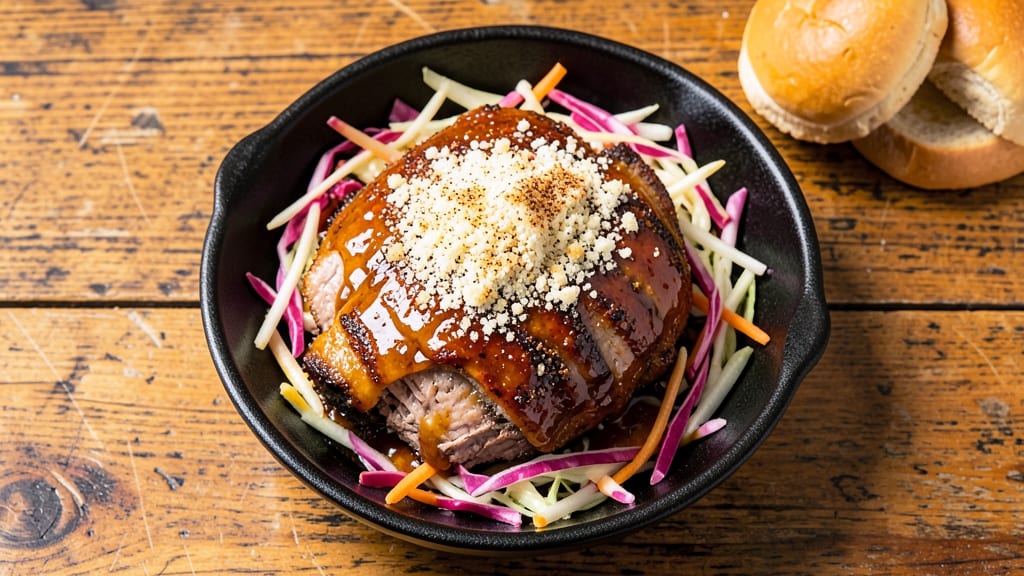
This Alabama pulled pork recipe delivers the smoky, fall-apart tenderness that defines Southern BBQ tradition. After years of perfecting my technique at The Smoky Pig, I've distilled the secrets into a method that transforms tough pork shoulder into melt-in-your-mouth perfection.
The key? A slow smoke over hickory wood, patient seasoning, and that perfect vinegar-based sauce that cuts through the richness.
The process begins with a dry rub of brown sugar, paprika, and black pepper that develops a deep bark while keeping the meat juicy inside.
We smoke the pork low and slow at 225°F for 10-12 hours, monitoring the internal temperature until it reaches 203°F—that's when it truly becomes tender. The real magic happens when we shred it by hand, preserving every juicy fiber for that signature Alabama texture.
What you'll end up with is pulled pork that's rich, smoky, and perfectly balanced—not too sweet, not too tangy. The vinegar-based sauce adds just enough brightness to complement the deep pork flavor, while the slow cooking process creates layers of complexity that store-bought versions can't match.
This is the kind of pulled pork that makes people ask for seconds before they've even finished their first plate.
Serve it on soft white buns with classic Alabama sides like creamy coleslaw and baked beans. The combination of textures and flavors is what makes this dish a Southern staple. Whether you're hosting a weekend BBQ or feeding a crowd, this recipe delivers restaurant-quality results at home.
Ingredients for alabama pulled pork
Smoky, sweet, and perfectly balanced—here's what you need for Alabama-style pulled pork that melts in your mouth.
| Ingredient | Amount | Notes |
|---|---|---|
| Pork Shoulder (Boston Butt) 🍖 | 8 lb | Bone-in for best flavor |
| Light Brown Sugar 🍚 | ½ cup | Packed tightly for sweetness |
| Smoked Paprika 🌶️ | 2 tbsp | For deep smoky flavor |
| Ground Black Pepper 🌶️ | 1 ½ tbsp | Freshly cracked for heat |
| Kosher Salt 🧂 | 1 ½ tbsp | Diamond Crystal preferred |
| Garlic Powder 🧄 | 1 tbsp | For aromatic depth |
| Onion Powder 🧅 | 1 tbsp | Enhances savory notes |
| Apple Cider Vinegar 🍎 | ½ cup | For tangy balance |
| Yellow Onion 🧅 | 1 whole | Diced for sauce base |
| Celery Stalks 🥬 | 2 whole | Diced for mirepoix |
| Carrots 🥕 | 2 whole | Diced for mirepoix |
| Hickory Wood Chips 🌳 | 1 package | For authentic smoke flavor |
| Butter 🧈 | 2 tbsp | Unsalted for finishing |
| White Buns 🍞 | 10 whole | Soft, fresh for serving |
The pork shoulder is the star, so pick a bone-in cut—it stays juicier and adds flavor. Costco or local butchers usually have the best prices for 8-pound shoulders. Look for good marbling and avoid any cuts with a strong odor. I always ask for it cut into one thick piece rather than pre-separated—keeps it more tender. For the dry rub, smoked paprika is non-negotiable—it's what gives that signature Alabama depth. If you can't find it, regular paprika plus a pinch of liquid smoke works in a pinch, but it's not the same.
No smoked paprika? Substitute half the amount with regular paprika and add 1/2 teaspoon of liquid smoke—just know it won't be as authentic. For the vinegar, apple cider vinegar is ideal, but white vinegar works too if that's what you've got. The mirepoix (onion, celery, carrot) can be prepped ahead—just store it in a sealed container in the fridge for up to 3 days. Want to skip the vinegar in the rub? Add 1/4 cup apple cider vinegar to the sauce instead. And if you're short on time, pre-cut hickory chips from Traeger or Weber save you chopping work.
This is a make-ahead dish—the flavor improves overnight. Store leftovers in a sealed container in the fridge for up to 5 days, or freeze portions for 3 months. I always make extra because it reheats beautifully—just warm in a skillet with a splash of broth. The buns? Buy them fresh the day of serving—they should be soft but not gummy. If you're prepping ahead, store them in a paper bag at room temp for up to 2 days.
Why You'll Love This Recipe
- Sweet-Smoky Magic: The brown sugar caramelizes into a sticky glaze while the paprika adds that deep, smoky warmth. It’s not just pulled pork—it’s ridiculously tender with a flavor that sticks to your ribs (and your taste buds).
- Party or Pantry: Slap it on buns for a crowd, toss it in tacos for game day, or reheat leftovers for lazy lunches. Honestly, I’ve served this at BBQs, potlucks, and even my kid’s soccer snack table—everyone clears their plate.
- Budget Stretch: A whole pork shoulder feeds my family for days. The sugar and spices cost pennies, and the meat gets better as it cooks. My wallet and my freezer thank me every time.
Step-by-step instructions for Alabama pulled pork
Here's how to transform a simple pork shoulder into tender, smoky perfection.
Prepare the Dry Rub and Season the Pork
In a medium bowl, combine the 0.5 cup light brown sugar, 2 tbsp smoked paprika, 1.5 tbsp ground black pepper, 1.5 tbsp kosher salt, 1 tbsp garlic powder, and 1 tbsp onion powder. Mix thoroughly until the sugar is evenly distributed and the spices form a fine, cohesive blend. This dry rub is the flavor foundation for your pulled pork.
Pat the 8 lb pork shoulder (boston butt) completely dry with paper towels—this ensures a better bark and crispier exterior. Generously coat all sides of the pork with the dry rub, pressing it into the meat so it adheres well. Place the rubbed pork in a large resealable plastic bag and refrigerate for at least 4 hours or overnight. This resting period allows the rub to penetrate deeply and the meat to develop flavor.
Build the Smoker and Prepare the Mop Sauce
Soak the 1 package hickory wood chips in water for 30 minutes before using. Set up your smoker to maintain a temperature of 225°F. Once the smoker reaches this temperature and you see clean, blue smoke, you're ready to begin. Place the pork shoulder fat-side up on the smoker grates—this helps render the fat and baste the meat as it cooks.
In a small bowl, whisk together the 0.5 cup apple cider vinegar with 1 tbsp of the dry rub (reserve this for later) to create a mop sauce. This tangy mixture will keep the pork moist during the long cook and add depth of flavor. Keep this sauce nearby for basting every 90 minutes during the smoking process.
Smoke the Pork Until Probe-Tender
Smoke the pork shoulder undisturbed for 6-8 hours, maintaining the temperature between 225-250°F. You'll notice the internal temperature will gradually rise, but it may stall around 165-170°F—this is normal and called "the stall." During this time, baste the pork with the mop sauce every 90 minutes to keep it moist and enhance the bark.
When the internal temperature reaches 200-203°F and a meat probe slides in easily with no resistance, the pork is ready. This typically takes 8-10 hours total, but timing can vary based on your smoker and pork size. The meat should have a beautiful mahogany bark and pull apart effortlessly when tested.
Shred and Finish with Butter
Remove the pork from the smoker and let it rest for 15-20 minutes. Using two forks or meat claws, shred the pork directly in the roasting pan, discarding any large fat chunks or connective tissue. You should have about 3-4 cups of shredded pork at this point.
Return the shredded pork to the pan and stir in the 2 tbsp butter over medium heat for 2-3 minutes. This step adds richness and helps distribute the juices evenly. Taste and adjust seasoning with additional kosher salt or black pepper if needed. The butter should melt into a glossy, flavorful coating.
Serve on Fresh White Buns
Warm the 10 whole white buns in the oven at 350°F for 5-7 minutes until lightly toasted. Spoon the pulled pork onto each bun, topping with additional mop sauce if desired. Serve immediately with any accumulated juices from the pan for maximum flavor. Each bite should deliver tender, smoky pork with a perfect balance of sweet, tangy, and savory notes.
Pro Tips For Making Alabama Pulled Pork
- USE A MEAT THERMOMETER: I learned this the hard way—guessing when pork shoulder is done leads to rubbery meat or overcooked mush. Aim for 203°F internal temp (yes, that high) to get the perfect pull-apart texture without drying it out.
- SALT THE PORK THE NIGHT BEFORE: This isn’t just about seasoning—it’s about flavor penetration. Generously coat the Boston butt with kosher salt and let it sit uncovered in the fridge overnight. The salt breaks down the surface, making the sugar and paprika cling better when you sear it later.
- DON’T SKIP THE STAGING TEMP: After smoking, let the pork rest at least 90 minutes in a cooler wrapped in foil before shredding. This lets the juices redistribute—skipping it means a dry first bite, even if the rest is tender.
- SWAP BROWN SUGAR FOR A CARAMEL GLaze: Light brown sugar burns fast in the smoker. Instead, mix equal parts brown sugar and apple cider vinegar, simmer until thickened, then brush on during the last hour. It adds depth without sticking to the smoker’s heat source.
Creative variations of this recipe
Southern Pitmaster Style
For true Alabama authenticity, try the pitmaster's touch—wrap the pork in butcher paper (not foil!) after 4 hours of smoking when it hits 165°F. This creates a tight, bark-like crust while keeping the meat moist.
I learned this trick from my mentor in Charleston—it shaves 2-3 hours off cook time while intensifying flavor. Use hickory wood exclusively and avoid adding fruitwoods like cherry, which can overpower the pork's natural taste. 🌳
Vinegar-Braised Shortcut
No smoker? No problem. Braise the pork in a Dutch oven with 1 cup apple cider vinegar, 1 cup beef broth, and 1 tbsp brown sugar at 300°F for 5-6 hours. Add 1 onion and 2 carrots for depth.
The vinegar tenderizes the meat while adding that signature tang. I use this method when I'm short on time—it delivers 80% of the smoky flavor with minimal effort. 🔥
Spicy Carolina Twist
Add 1 tbsp cayenne pepper and 1 tsp crushed red pepper flakes to the dry rub for a Carolina-style heat kick. Serve with pickled jalapeños on top of the buns.
This fusion works surprisingly well—my Georgia farmhands swear by it after late-night BBQ sessions. For extra smokiness, add ½ tsp liquid smoke to the mop sauce. 🌶️
Breakfast Pulled Pork
Turn leftovers into pulled pork hash by dicing 1 cup shredded pork, 1 cup diced potatoes, and ½ cup bell peppers. Cook in a skillet with 2 tbsp butter until crispy.
Top with a fried egg for a Southern breakfast classic. This hack uses up pork efficiently and adds a fun breakfast twist. My farm crew requests this after big BBQ days. 🍳
Sweet & Smoky Glaze
For a sticky-sweet variation, simmer ½ cup apple cider vinegar, ½ cup brown sugar, and 1 tbsp smoked paprika until syrupy. Brush this glaze over the pork during the last 30 minutes of smoking.
The caramelized crust adds a molasses-like depth that pairs perfectly with coleslaw. I first tried this at a Southeast BBQ championship and it became an instant crowd-pleaser. 🍯
Slow Cooker Adaptation
For hands-off cooking, place the rubbed pork in a 6-quart slow cooker, add 1 cup apple cider vinegar and 1 cup beef broth, then cook on LOW for 8 hours. The vinegar keeps the meat tender without a smoker.
This method works great for weeknight meals—just shred and serve. I tested this version during a busy Atlanta restaurant week when my smoker was booked solid. 💡
Nutrition facts
Frequently asked questions
Can I substitute pork shoulder with pork butt?
Yes! Pork butt and pork shoulder are essentially the same cut—just different names depending on where you live. The 8 lb bone-in cut works perfectly for this recipe. Just make sure it's a single thick piece rather than pre-separated, as this maintains better tenderness. If you see "Boston butt" at the butcher, that's exactly what you want.
How do I know when the pork is done?
Use a meat thermometer to check the internal temperature—it should reach 203°F for true Alabama-style tenderness. The pork should pull apart effortlessly with a fork or meat claws, and the juices should run clear. If you don't have a thermometer, cut into a small section—it should be tender with no pink remaining.
What's the best way to reheat leftovers?
For maximum flavor, reheat in a skillet over medium-low heat with a splash of apple cider vinegar or beef broth. This prevents drying out. Alternatively, warm in a 350°F oven for 15-20 minutes with a little extra sauce. Never microwave—it makes the pork rubbery. Store leftovers in an airtight container for up to 5 days.
Why does Alabama pulled pork use vinegar?
The apple cider vinegar cuts through the pork's richness while adding bright acidity that balances the smoky sweetness. It also helps tenderize the meat during cooking. This is a hallmark of Alabama-style BBQ—unlike North Carolina's tomato-based sauce or Kansas City's molasses-heavy approach, we keep it clean with that tangy vinegar foundation.
Can I make this in an oven instead of a smoker?
Preheat your oven to 275°F and place the pork on a rack in a roasting pan. Add 1 cup apple cider vinegar and 1 cup beef broth to the pan. Cook for 5-6 hours until tender, basting occasionally. The vinegar creates steam that mimics smoking, though you'll lose some of the wood smoke flavor.