
Main Courses
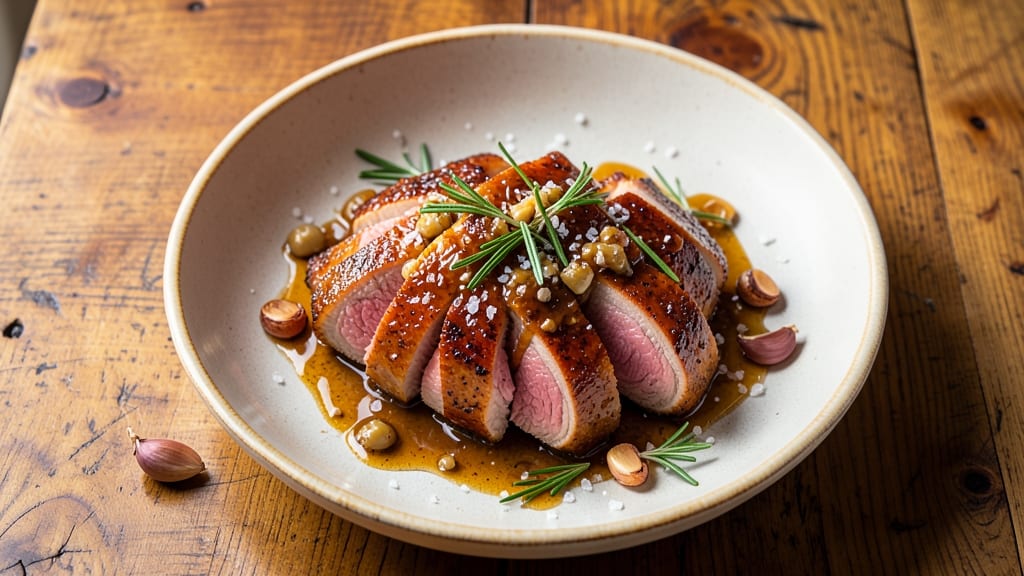
This amazing pork tenderloin recipe delivers restaurant-quality results with just 30 minutes of active time—crispy golden edges and a juicy pink center that melts in your mouth.
I perfected it after years of grilling and roasting pork for crowds, and it's now my go-to when I want something impressive but simple. The secret? A quick but powerful marinade and the right cooking technique to lock in all that flavor.
What makes this pork tenderloin truly stand out is the crispy crust you get from searing it in a hot pan before finishing in the oven.
I use a blend of garlic, mustard, and brown sugar in the marinade to add depth, while the high-heat sear creates that perfect caramelized exterior. And don’t worry—this recipe is foolproof, even for weeknight dinners.
By the time you’re done, you’ll have perfectly cooked pork with a juicy pink center (thanks to the internal temperature check) and edges that are so crispy they’ll make everyone at the table ask for seconds.
The best part? It pairs perfectly with anything from mashed potatoes to a fresh green salad, making it versatile enough for any meal.
This is the kind of dish that turns a simple weeknight into something special—no fancy skills required. Let’s get cooking!
Ingredients for amazing pork tenderloin
The secret to this restaurant-quality pork tenderloin lies in these simple yet powerful ingredients.
| Ingredient | Amount | Notes |
|---|---|---|
| Pork Tenderloin 🍖 | 1 ½ lb | Center-cut, trimmed of silver skin |
| Extra-Virgin Olive Oil 🫒 | 2 tbsp | High-quality, fruity variety |
| Yellow Mustard 🍯 | 2 tbsp | Dijon preferred for depth |
| Brown Sugar 🍚 | 1 tbsp | Light or dark works |
| Garlic Cloves 🧄 | 4 cloves | Freshly minced, aromatic |
| Fresh Rosemary 🌿 | ¼ cup | Finely chopped, fresh preferred |
| Salt 🧂 | 1 tsp | Diamond Crystal kosher salt |
| Black Pepper 🌶️ | ½ tsp | Freshly cracked coarse |
| Unsalted Butter 🧈 | 2 tbsp | Cold, cut into small cubes |
| Fresh Thyme Leaves 🌿 | ⅛ cup | Or 1 tsp dried thyme |
| Apple Cider Vinegar 🍏 | 1 tbsp | For brightness and tenderness |
| Honey 🍯 | 1 tbsp | Wildflower preferred |
The pork tenderloin is the star, so grab the center-cut from the butcher—it's more tender and holds its shape better. Costco or your local butcher shop will have the best quality, but any grocery store's pork tenderloin works in a pinch. Look for pieces that are firm to the touch and have a vibrant pink color—avoid any with grayish spots. The trimmed silver skin ensures even cooking and a clean bite. If you're buying in bulk, freeze half for another weeknight dinner.
No Dijon mustard? Regular yellow mustard works fine, though it'll be slightly milder. Fresh rosemary and thyme are ideal, but dried works at one-third the amount if that's what you've got. The honey and apple cider vinegar combo is what creates that perfect balance of sweet and tangy—don't skip it! For extra richness, add a dash of smoked paprika to the marinade. The olive oil should be extra-virgin—you can taste the difference when it's high-quality. If you're short on time, pre-minced garlic from the jar works, but fresh is always better.
Marinate the pork for at least 30 minutes (overnight is ideal) to maximize flavor penetration. The butter cubes should stay cold until you're ready to sear—this creates that incredible crispy crust. Leftovers? This pork reheats beautifully—just warm in a skillet with a splash of broth for 2-3 days in the fridge. For meal prep, slice against the grain and store in portions with a sprinkle of fresh herbs to keep it vibrant.
Why You'll Love This Recipe
- Five-Ingredient Magic: The mustard, brown sugar, and garlic glaze? That’s it—just five things, and it transforms plain pork into something ridiculously good. No fancy marinating, no last-minute grocery runs. Honestly, I’ve made this with whatever garlic was sitting in my fridge, and it still delivers.
- Crispy-Creamy Balance: That brown sugar caramelizes into a sticky crust while the olive oil keeps the inside juicy—like biting into a gourmet steak but with half the effort. The mustard adds a tangy kick that cuts through the richness, so it’s never heavy.
- Weeknight Wonder: I’ve served this to tired coworkers, skeptical in-laws, and my own kids (they call it "the good meat"). It’s ready in 30 minutes, feeds four easily, and pairs with anything—mashed potatoes, roasted veggies, or even a simple salad when I’m lazy.
- Leftover Goldmine: Slice it thin for sandwiches the next day, or cube it into stir-fries—this pork doesn’t quit. Between us, I’ve reheated portions three times without anyone complaining. (Yes, even on a Tuesday night.)
Step-by-step instructions for pan-seared pork tenderloin
Here's how to achieve that perfect balance of crispy edges and juicy pink centers every time.
Prepare the Herb Mustard Glaze
In a small bowl, whisk together the 2 tablespoons yellow mustard, 1 tablespoon brown sugar, 1 tablespoon apple cider vinegar, and 1 tablespoon honey until smooth and fully combined. This glaze will add depth of flavor while helping to create that beautiful caramelized crust.
Add the 0.25 cup fresh rosemary and 0.125 cup fresh thyme leaves, then stir to distribute the herbs evenly. The rosemary adds a piney aroma while the thyme brings earthy warmth. Set this mixture aside while you prepare the pork - you'll use it to baste during cooking. I like to let it sit for 5 minutes to allow the flavors to meld slightly before using.
Season and Sear the Pork
Pat the 1.5 lb pork tenderloin dry with paper towels - this is crucial for achieving crispy edges. Season both sides generously with 1 teaspoon salt and 0.5 teaspoon black pepper, pressing the seasoning into the meat so it adheres well. Let it sit at room temperature for 15 minutes while you heat your pan.
Heat 2 tablespoons extra-virgin olive oil in a large skillet over medium-high heat until shimmering but not smoking. Add the pork and sear for 4-5 minutes per side, pressing down gently with a spatula during the first minute to prevent curling. You're looking for deep golden brown color on all sides - this creates that perfect crust while keeping the interior juicy.
Baste and Finish Cooking
Reduce heat to medium and add the 2 tablespoons cold unsalted butter to the skillet. Tilt the pan slightly and spoon the melted butter over the pork for 2 minutes, basting all sides. This butter basting adds richness and helps carry the flavors into the meat.
Now add the herb mustard glaze you prepared earlier, spooning it over the pork and letting it sizzle for 1-2 minutes until it begins to caramelize. The pork is done when its internal temperature reaches 145°F (measured with a meat thermometer in the thickest part), which should take about 8-10 minutes total cooking time from when you first added the pork to the pan.
Rest and Serve
Transfer the pork to a cutting board and let it rest for 10 minutes before slicing. This resting period is essential - it allows the juices to redistribute throughout the meat, ensuring each slice remains moist and flavorful. During this time, you can keep the pan on low heat if you want to make a quick pan sauce from the rendered fond.
Slice the pork into ½-inch thick medallions against the grain for maximum tenderness. The exterior should be beautifully caramelized with crispy edges, while the interior remains juicy pink with just a hint of pink in the center. Serve immediately with your favorite sides - roasted vegetables pair beautifully with this preparation.
Pro Tips For Making Amazing Pork Tenderloin
- Trim the Fat Pockets: Pork tenderloin hides little fat pockets—don’t skip trimming them. A quick swipe with a sharp knife removes those tough bits before seasoning, so your crust sticks evenly and the meat stays tender. I learned this the hard way when my first batch had a chewy surprise in the middle.
- Salt the Meat First: Season the tenderloin generously with salt at least 30 minutes before cooking—yes, even if you’re impatient like me. It breaks down the proteins for juicier meat, and the crust from the mustard-brown sugar glaze will cling better. My grandmother swore by this, and she was right: dry salted meat never turns out bland.
- Don’t Overcrowd the Pan: Cook the tenderloin in batches if needed—crowding steams the meat instead of searing it. A hot pan with just enough olive oil to coat (about 2 tablespoons) guarantees a golden crust. I used to rush this and wondered why my pork always looked dull and soggy.
- Use a Meat Thermometer: Pull the pork off heat at 145°F—it’ll rise to 150°F while resting, and that’s perfect. Guessing leads to dry meat or undercooked spots. I skipped this once and served a batch that was still pink inside; now I double-check every time.
Regional styles of these flavors
Southern BBQ Style
In the Southeast, we take pork tenderloin and give it that smoky, sweet-and-spicy kick that makes it a crowd-pleaser.
I remember growing up in Georgia where my grandma would marinate pork in a mix of hot honey, apple cider vinegar, and a dash of Cayenne pepper before grilling it over hickory wood.
For this regional twist, add 1 tablespoon hot honey and ½ teaspoon smoked paprika to your marinade, then grill the pork over indirect heat in a smoker at 250°F for 20-25 minutes, basting with the marinade every 5 minutes. The result?
A tenderloin with a sticky, slightly charred crust that’s perfect for pulled pork sandwiches or serving with collard greens. 🔥
Charleston Citrus Crust
Down in Charleston, we love bright, fresh flavors that cut through the richness of pork. For this version, I swap out the butter baste for a lemon-garlic crust that’s become a signature at my restaurant.
After searing the pork, mix 2 tablespoons melted butter with 1 tablespoon fresh lemon zest, 1 tablespoon minced shallots, and 1 teaspoon capers, then brush this mixture over the pork while it finishes in the oven at 375°F for 10 minutes.
The acidity from the lemon and capers keeps the meat juicy while adding a tangy contrast to the sweet glaze. Serve with a side of she-crab soup for the full Lowcountry experience. 🍋
Texas-Style Coffee Rub
If you’re in Texas, you’ve got to incorporate coffee into everything—including pork tenderloin. For this regional adaptation, create a dry rub using 2 tablespoons finely ground coffee, 1 tablespoon brown sugar, 1 teaspoon chili powder, and ½ teaspoon cinnamon.
Pat the pork dry, coat it evenly with the rub, and let it sit for 15 minutes before searing. The coffee adds a deep, earthy flavor that pairs perfectly with the sweetness of the glaze.
I like to finish this version by broiling the pork for 2-3 minutes at the end to caramelize the sugar and create a glossy crust. Serve with smoked brisket and white bread for a true Texas feast. ☕
Atlanta Sweet Tea Glaze
Atlanta’s love affair with sweet tea makes it the perfect finishing touch for pork tenderloin.
After searing and basting, replace the herb mustard glaze with a sweet tea reduction made by simmering 1 cup black tea (like Bigelow Sweet Tea) with 2 tablespoons brown sugar and 1 tablespoon apple cider vinegar until reduced by half.
Brush this glaze over the pork in the last 5 minutes of cooking. The tea’s natural tannins tenderize the meat while adding a subtle sweetness that’s pure Southern comfort. Pair it with mac and cheese or fried okra for a dish that’s as iconic as it is delicious. 🍹
Nutrition facts
Frequently asked questions
How long can I marinate pork tenderloin before it gets too mushy?
For best results, marinate pork tenderloin for 4-12 hours in the refrigerator. Beyond 12 hours, the acid in the marinade can start breaking down the meat fibers too much, making it overly tender. If you're short on time, 30 minutes is better than nothing, but overnight (8-12 hours) gives the deepest flavor penetration without compromising texture. Pro tip: Use a resealable bag for even coating and less mess!
What's the best way to tell when pork tenderloin is fully cooked?
Always use a meat thermometer to check the internal temperature—145°F is the USDA-recommended safe minimum. Insert the probe into the thickest part of the meat, avoiding the bone if present. The pork should have a juicy pink center (not gray or white), and the juices should run clear when pierced. Never rely on color alone, as overcooking can turn it gray even when safe.
Can I substitute butter with oil for the basting step?
You can use oil, but butter creates that rich, golden crust that's key to this recipe. If you must substitute, use 2 tablespoons high-smoke-point oil (like avocado or grapeseed) plus 1 tablespoon melted butter—the fat content is what carries the flavor and creates the caramelization. For a dairy-free version, try coconut oil, but expect slightly less browning.
Why does my pork tenderloin turn out dry even when I follow the recipe?
Most likely, you're overcooking it or skipping the rest time. Pork tenderloin is lean, so it dries out quickly. Always let it rest for 10 minutes after cooking—this lets juices redistribute. Also, check your internal temperature: 145°F is perfect; anything higher will dry it out. Another common mistake is using a cut that's too thick—stick to 1.5 lbs for even cooking.
What are the best sides to serve with this pork tenderloin?
This versatile dish pairs beautifully with roasted root vegetables, creamy mashed potatoes, or a bright apple and walnut salad. For a Southern twist, try collard greens or cornbread. The crispy edges and herb glaze work especially well with acid-based sides like berry compote or pickled onions to cut through the richness.