
Sauces & Condiments
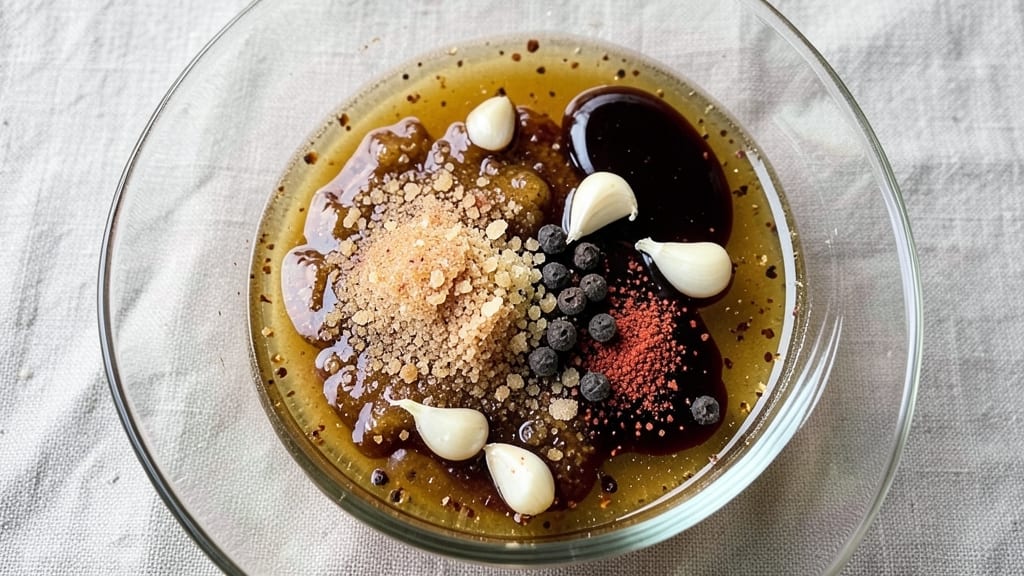
This apple cider vinegar pork marinade transforms tough cuts into melt-in-your-mouth perfection—tender enough to fall apart with minimal effort. As someone who's cooked 2,000 pounds of pork weekly, I know the secret lies in the acidity breaking down fibers while infusing deep, tangy-sweet flavor.
The balance of apple cider vinegar, brown sugar, and aromatic spices creates a marinade that works magic on everything from ribs to tenderloin.
The beauty of this marinade is its simplicity—just five core ingredients that deliver restaurant-quality results. You'll need apple cider vinegar for tenderizing, brown sugar for caramelization, soy sauce for umami depth, garlic for aromatic punch, and a blend of spices that includes smoked paprika and black pepper.
The key is letting it work its magic for at least 4 hours, though overnight yields even more dramatic results.
What makes this marinade truly special is how it elevates any pork cut while keeping the natural flavor intact. The acidity tenderizes without overpowering, while the caramelized sugars create a beautiful bark when grilled or roasted.
This is the marinade I reach for when I need foolproof tenderness—whether I'm smoking a whole hog or searing quick cuts for dinner.
Store any leftovers in the refrigerator for up to 5 days, or freeze for 3 months. The flavors only deepen with time, making this marinade perfect for meal prep. Once you try it, there's no going back to store-bought versions—this is how pork should taste.
Ingredients for apple cider vinegar pork marinade
Five simple ingredients transform tough pork into melt-in-your-mouth perfection.
| Ingredient | Amount | Notes |
|---|---|---|
| Apple Cider Vinegar 🍎 | 1 cup | Raw, unfiltered preferred |
| Light Brown Sugar 🍚 | ½ cup | Packed for accurate measure |
| Soy Sauce 🥢 | ⅓ cup | Low-sodium preferred |
| Garlic Cloves 🧄 | 6 cloves | Minced for even distribution |
| Smoked Paprika 🌶️ | 2 tsp | For deep smoky flavor |
| Ground Black Pepper 🌶️ | 1 tsp | Freshly cracked preferred |
| Salt 🧂 | 1 ½ tsp | Kosher or sea salt |
| Ground Cumin 🌿 | 1 tsp | Toasted for deeper flavor |
| Onion Powder 🧅 | 1 tsp | For aromatic depth |
Apple cider vinegar is the MVP here—Bragg or Texas Pete are my go-tos for that raw, unfiltered tang. The brown sugar? Light or dark works, but light gives a cleaner caramelization. Soy sauce adds umami depth, so low-sodium is best if you're watching salt. For garlic, I crush the cloves first—releases more flavor. The spices? Penzeys or bulk bins for freshness, but the grocery store stuff is fine if it's not ancient. Toast your cumin seeds for 30 seconds in a dry pan before grinding if you're feeling fancy—worth it.
No soy sauce? Coconut aminos or tamari work in a pinch. Short on brown sugar? White sugar plus 1/4 tsp cinnamon mimics the molasses notes. The garlic can be pre-minced from a jar (I won't judge), but fresh is always better. Smoked paprika too strong? Regular paprika at double the amount works. The marinade keeps its magic for 1 week in the fridge, so double the batch—you'll want it. For extra richness, add 1 tbsp of olive oil to the mix, but it's not required.
This marinade is a game-changer for meal prep. Store it in a glass jar with a tight seal—keeps for 1 week in the fridge or 3 months frozen. The flavors actually deepen over time, so don't rush it. For best results, marinate pork for at least 4 hours, but overnight is ideal. Works on ribs, tenderloin, chops—you name it. The acidity tenderizes while the sugars caramelize, creating that perfect bark when grilled or roasted.
Why You'll Love This Recipe
- Five-Ingredient Magic: I swear by this combo—just mix, pour, and let the acidity and caramelized sugar work their magic. No fancy techniques, no stress, just a bowl and a whisk.
- Sweet-Savory Balance: That tangy vinegar cuts through the richness of the pork while the brown sugar and smoked paprika add this perfect caramelized bite. Honestly, it’s the kind of flavor that makes you want to eat it straight from the bowl.
- Game for Any Cut: Use it on chops for a smoky weeknight dinner, toss it with tenderloin for a fancy Sunday roast, or even slather it on pork belly for a crowd-pleasing appetizer. Between us, it’s my go-to for anything pork-related.
- Leftovers That Last: Marinate a big batch of pork once, then repurpose it all week—grilled, roasted, or even in tacos. The flavors only get better the next day, and honestly? That’s my kind of meal prep.
Step-by-step instructions for apple cider vinegar pork marinade
Here's how to mix this flavor-packed marinade that transforms tough pork into melt-in-your-mouth perfection.
Combine the Wet Ingredients
In a medium bowl, pour in the 1 cup apple cider vinegar and 0.33 cup soy sauce. The vinegar will start fizzing slightly—this is normal as it begins breaking down the pork's proteins. Add the 0.5 cup light brown sugar and stir until completely dissolved. I like to use a whisk for this step to ensure the sugar dissolves evenly and creates a smooth base.
This combination of vinegar and sugar creates the perfect balance of tangy and sweet flavors that will tenderize the pork while adding depth. The soy sauce contributes umami richness that pairs beautifully with the other ingredients. Let this mixture sit for 5 minutes while you prepare the remaining components—this gives the sugar time to fully integrate.
Add the Dry Seasonings and Spices
In a small bowl, combine the 2 tsp smoked paprika, 1.5 tsp salt, 1 tsp ground cumin, 1 tsp onion powder, and 1 tsp ground black pepper. Give it a quick stir to ensure all the spices are evenly mixed. This dry blend forms the aromatic backbone of your marinade, bringing smoky, earthy, and slightly sweet notes that will penetrate the pork deeply.
I always toast my spices lightly in a dry pan for about 30 seconds before adding them to the marinade—this enhances their flavors dramatically. However, since we're working with ground spices, we'll skip toasting this time and just combine them directly. Pour this spice mixture into the wet ingredients and stir vigorously for 1 minute until everything is fully incorporated.
Incorporate the Garlic
Using a garlic press, extract the juice from the 6 cloves garlic cloves and add it directly to the marinade. The fresh garlic flavor will brighten the entire mixture, creating a perfect balance with the smoky and sweet elements. Stir well to distribute the garlic evenly throughout the marinade.
Here's where it gets good—give the marinade a taste at this point. You should notice a perfect harmony of tangy, sweet, smoky, and garlicky flavors. If it needs more salt, add a pinch now. The marinade should be thick enough to coat the back of a spoon but still pourable. If it's too thick, add 1 tablespoon of water to reach your desired consistency.
Mix and Store Properly
Transfer the completed marinade to a resealable container with a lid. Seal tightly and shake vigorously for 30 seconds to ensure all ingredients are fully blended. This marinade works best when used within 24 hours, but you can prepare it up to 48 hours in advance for maximum flavor penetration.
For best results, store the marinade in the refrigerator until ready to use. The cold temperature helps preserve the freshness of the garlic and enhances the overall flavor profile. When you're ready to use it, simply pour the marinade over your pork and let it work its magic—whether you're grilling, roasting, or slow-cooking, this marinade will deliver restaurant-quality tenderness and flavor every time.
Pro Tips For Making Apple Cider Vinegar Pork Marinade
- Mince That Garlic Fine: I learned this the hard way—lumpy garlic in the marinade just sits there like a bitter afterthought. Use a microplane or crush the cloves with the flat side of your knife until it’s almost pasty. The flavor blends smoother, and you’ll taste it in every bite.
- Dissolve the Sugar First: Brown sugar clumps like a stubborn guest who won’t leave. Before adding anything else, whisk it into the warm vinegar (just heat it for 10 seconds in the microwave) until it’s fully dissolved. No one wants to chew through undissolved grit—especially when you’re going for that glossy, sticky glaze.
- Marinate in the Fridge, Not the Counter: I used to leave my pork sitting out while I “got distracted.” Big mistake. The vinegar’s acidity works best in the cold, and room temp turns this into a science experiment instead of a flavor boost. Toss the pork in, cover it, and let it chill for at least 4 hours—overnight is even better.
- Balance the Vinegar: Apple cider vinegar is bold, and if you’re using a strong, tangy brand, the marinade can turn harsh. Taste it before adding the pork—if it’s too sharp, cut it with a splash of water or a teaspoon of honey. The sugar and soy will round things out, but you don’t want to start with a mouth-puckering base.
Troubleshooting great apple cider vinegar pork marinade
Pork Too Tender?
If your pork ends up mushy after marinating, it's likely over-marinated or the wrong cut was used. Acidic marinades like this one work best on tougher cuts like pork shoulder or ribs—they need the tenderizing time.
For tender cuts like loin or chops, reduce marinating time to 2-3 hours max to avoid over-tenderizing. I've seen this happen when people use leftover marinade on delicate cuts without adjusting time. 🍖
Marinade Not Penetrating?
For thicker cuts like pork shoulder, make deep slits with a sharp knife (about ½-inch deep) to help the marinade penetrate deeper. I use a Wüsthof 8-inch chef's knife for this—it cuts cleanly without tearing the meat.
For bone-in cuts, let the marinade sit at room temperature for 15 minutes before cooking to help it absorb better into the fibers.
Uneven Flavor Distribution
If some areas of your pork taste stronger than others, your marinade wasn't distributed evenly. For large cuts, pour the marinade over the meat in two stages: first coat all sides, then refrigerate for 2 hours, flip, and coat again.
For ribs, I like to use a basting brush to work the marinade into the crevices. Always use enough marinade to fully submerge the meat—about ½ cup per pound of pork.
Burnt Bark, Raw Inside?
This usually means your pork wasn't at room temperature when cooking started. Let your marinated pork sit uncovered on the counter for 30-60 minutes before grilling or roasting—this ensures even cooking.
For thick cuts, I recommend starting at medium-low heat (around 275°F) to allow the exterior to develop bark while the inside cooks through. A good rule of thumb is to cook pork to 145°F internal temperature for medium doneness.
Marinade Too Thin?
If your marinade separates or becomes too watery, it's likely because the sugar didn't dissolve properly. Whisk vigorously for 2 minutes to help emulsify the mixture. For extra thickness, add 1 tbsp cornstarch mixed with 1 tbsp cold water and stir in.
I've also had success adding 1 tbsp Dijon mustard to help bind the ingredients together. Always taste and adjust seasoning before using—sometimes the vinegar needs more sugar or the spices need balancing.
Storage Issues
If your marinade smells off after storage, it's likely contaminated. This marinade should keep in the fridge for up to 5 days or 3 months frozen. For freezing, use airtight containers or freezer bags, leaving 1 inch headspace for expansion.
When thawing, do it in the fridge overnight—never at room temperature. I've learned the hard way that leaving marinade out too long can turn it into a science experiment you don't want to eat. 🧊
Nutrition facts
Frequently asked questions
Can I use white vinegar instead of apple cider vinegar?
White vinegar will work in a pinch, but it lacks the complex, fruity depth that apple cider vinegar brings. The molasses notes in apple cider vinegar add subtle sweetness that complements pork beautifully. If you must substitute, use 1 cup white vinegar plus 1 tsp molasses to mimic the flavor profile. For best results, stick with raw, unfiltered apple cider vinegar.
How long should I marinate pork chops?
For bone-in pork chops, marinate for 2-4 hours max—any longer risks over-tenderizing the delicate cut. Thin-cut chops only need 1-2 hours to absorb flavor. I recommend removing the marinade 30 minutes before cooking to prevent burning. The acidity works quickly on these tender cuts, so don't overdo it!
Can I reuse the leftover marinade?
Never reuse marinade that's touched raw pork—it could contain harmful bacteria. However, you can save the unused portion for future batches (up to 5 days refrigerated) by boiling it for 5 minutes first to kill any potential pathogens. Store in a clean jar until ready to use in a new marinade.
What's the best way to store this marinade?
Transfer to an airtight glass jar and refrigerate for up to 5 days. For longer storage, freeze in ice cube trays (perfect for single-use portions) or a sealed container with 1-inch headspace. Thaw overnight in the fridge—never at room temperature. The flavors actually improve with time, making this marinade perfect for meal prep!
Does this work for pulled pork?
This marinade is fantastic for pulled pork—just use it on a pork shoulder and slow-cook until fork-tender (200-205°F internal temp). The apple cider vinegar tenderizes while the spices create incredible depth. For extra richness, add 1 tbsp olive oil to the marinade before applying to the meat. It's my go-to for competition-worthy pulled pork!