
Main Courses
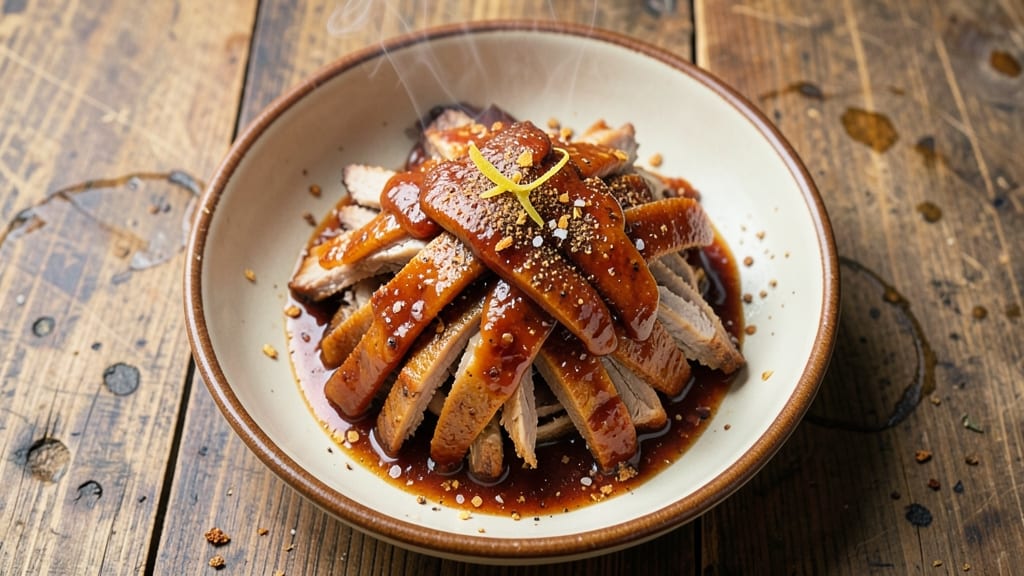
This American BBQ pulled pork recipe delivers melt-in-your-mouth tenderness that transforms tough pork shoulder into smoky, saucy perfection. I've spent years perfecting the balance between bark development and moisture retention—critical for that fall-apart texture we all crave. The secret lies in low-and-slow smoking with precise temperature control, a technique I learned from coastal pitmasters who understand how smoke interacts with meat.
What sets this recipe apart is the two-stage cooking process: first building that flavorful crust through indirect heat, then finishing with a quick burst of direct heat to caramelize the bark.
I use a simple but effective rub of brown sugar, paprika, and smoked paprika—just enough to create that signature bark without overpowering the natural pork flavor. The sauce comes later, when the meat is tender enough to absorb it beautifully.
By the time you're ready to serve, you'll have perfectly tender pulled pork that shreds easily with a fork, staying juicy even after hours of slow cooking.
The bark remains intact, adding texture contrast to every bite. This is the kind of pulled pork that makes people ask for seconds—and thirds—without hesitation.
The best part? This recipe scales beautifully for gatherings, and the leftovers reheat perfectly for sandwiches the next day. Serve with classic sides like tangy coleslaw or buttery cornbread to complete the meal. Let's get started on creating that signature American BBQ experience.
Ingredients for american bbq pulled pork
Six pounds of pork shoulder and a handful of pantry staples create smoky, fall-apart perfection.
| Ingredient | Amount | Notes |
|---|---|---|
| Pork Shoulder (Bone-In) 🐖 | 6 lb | Well-marbled, 3-4 inches thick |
| Light Brown Sugar 🍚 | ½ cup | Packed, for dry rub |
| Smoked Paprika 🌶️ | 2 tbsp | For deep smoky flavor |
| Sweet Paprika 🌶️ | 1 tbsp | For color and mild sweetness |
| Kosher Salt 🧂 | 1 ½ tbsp | Diamond Crystal preferred |
| Ground Black Pepper 🌶️ | 1 tsp | Freshly cracked for heat |
| Garlic Powder 🧄 | 1 tsp | For aromatic depth |
| Onion Powder 🧅 | 1 tsp | For savory base |
| Apple Cider Vinegar 🍏 | ½ cup | For tangy balance |
| BBQ Sauce 🍯 | 1 ½ cups | Store-bought or homemade |
| Yellow Onion 🧅 | 1 whole | For sauce, chopped |
| Wood Chips (Hickory or Apple) 🌳 | 2 cups | Soaked for 1 hour |
| Butter 🧈 | 2 tbsp | Unsalted, for finishing |
| Fresh Thyme Leaves 🌿 | ¼ cup | For aromatic finish |
The pork shoulder makes all the difference—look for a cut with good marbling and a thick layer of fat on top. Costco or Whole Foods carry excellent bone-in shoulders, but any reputable butcher will have a quality piece. The wood chips? Hickory delivers classic BBQ flavor, while apple adds a subtle sweetness. Soak them for at least an hour before smoking to prevent flare-ups. For the dry rub, smoked paprika is non-negotiable—it's what gives that signature bark its depth. If you can't find it, a mix of regular paprika and liquid smoke works in a pinch, but it won't be the same.
No smoked paprika? Substitute 1 tbsp regular paprika plus 1/2 tsp liquid smoke—just know the flavor won't be identical. The apple cider vinegar in the sauce can be swapped for red wine vinegar, but apple adds that perfect tang. For the BBQ sauce, Sweet Baby Ray's or Stubb's are crowd-pleasers, but homemade sauce with ketchup, molasses, and spices tastes even better. The butter and thyme at the end? That's where the magic happens—don't skip it. Fresh thyme is best, but dried works at half the amount if you're in a bind. The onions in the sauce can be swapped for bell peppers if you're making a vegetarian version, but traditional BBQ purists will argue with you.
This pork is a marathon, not a sprint—plan for 8-10 hours of smoking time. The key to juicy results is never letting the internal temperature exceed 203°F. Wrap the pork in butcher paper or foil at 165°F to speed up the process without drying it out. Leftovers reheat beautifully—store in the fridge for 5-6 days or freeze for up to 3 months. I like to portion it into quart-sized containers for easy sandwich assembly. The bark gets crispier the longer it sits, so if you're serving it right away, finish with a quick blast under the broiler for 2-3 minutes to restore some crunch.
Why You'll Love This Recipe
- Sweet-Smoky Magic: That balance of light brown sugar and smoked paprika? Chef’s kiss. The sugar caramelizes into a sticky glaze while the paprika adds this deep, smoky warmth—like a hug in every bite.
- Weeknight to Party: I make this for lazy Tuesdays (slow-cooked while I watch TV) and double it for game days because it’s that good. Serve it on buns, in tacos, or straight from the pot—no judgment here.
Step-by-step instructions for slow-smoked pulled pork
Here's how to transform a tough cut into melt-in-your-mouth pulled pork that stays juicy all night.
Prepare the Dry Rub and Season the Pork Shoulder
In a medium bowl, combine the 0.5 cup light brown sugar, 2 tbsp smoked paprika, 1 tbsp sweet paprika, 1.5 tbsp kosher salt, 1 tsp ground black pepper, 1 tsp garlic powder, and 1 tsp onion powder. Mix thoroughly with your hands until the sugar dissolves and the spices are evenly distributed—this creates a cohesive, flavorful crust.
Pat the 6 lb pork shoulder completely dry with paper towels, then generously coat it with the dry rub mixture. Press the rub firmly into every crevice, including the cavity if you choose to season it. This step ensures maximum flavor penetration and that signature smoky bark. Place the seasoned pork on a wire rack set over a baking sheet and refrigerate uncovered for at least 1 hour (or up to 24 hours) to allow the rub to penetrate deeply and develop flavor.
Set Up the Smoker and Cook Low and Slow
Soak the 2 cups wood chips (hickory or apple) in water for 1 hour before using. Fill your smoker with the soaked wood chips and preheat to 225°F. Maintain this temperature consistently—fluctuations can lead to uneven cooking. Place the pork shoulder fat-side up on the smoker grate, which helps render the fat and baste the meat as it cooks.
Close the smoker lid and resist the urge to open it during the cook. Every time you peek, you lose heat and moisture. Smoke the pork for 6-8 hours until the internal temperature reaches 165°F—this is when you'll hit "the stall," where the temperature plateaus as moisture evaporates. Don't panic; this is normal and part of the process. The pork should have a deep mahogany bark and be fork-tender at this stage.
Wrap and Finish Cooking for Maximum Tenderness
When the pork reaches 165°F, remove it from the smoker and wrap it tightly in two layers of heavy-duty aluminum foil. This "Texas crutch" technique helps break through the stall and ensures the meat stays moist during the final cook. Return the wrapped pork to the smoker and continue cooking until the internal temperature reaches 203°F—this usually takes an additional 2-3 hours. The pork should be so tender that it falls apart easily with a fork or spoon.
Real talk: This is the moment that matters. The high internal temperature ensures all connective tissues break down, transforming tough muscle into silky, pull-apart perfection. The foil wrap also creates steam, which keeps the meat juicy instead of drying it out during the long cook.
Shred and Finish with Flavor
Remove the pork from the smoker and let it rest for 15-20 minutes before unwrapping. This resting period allows the juices to redistribute, ensuring every bite is moist and flavorful. Once rested, use two forks or a meat claw to shred the pork into 2-3 inch strands. Discard any large fat chunks or connective tissue for the cleanest texture.
In a large skillet, melt the 2 tbsp butter over medium heat, then add the 1 whole yellow onion chopped into small pieces. Sauté for 5 minutes until softened, then stir in the 0.5 cup apple cider vinegar and 1.5 cups BBQ sauce. Simmer for 3-4 minutes until the sauce thickens slightly. Add the shredded pork to the skillet and toss to coat evenly in the sauce. Stir in the 0.25 cup fresh thyme leaves and let the mixture heat through for 2-3 minutes. The thyme adds a bright, aromatic finish that cuts through the richness of the pork.
Serve Immediately for Best Results
Transfer the pulled pork to a serving dish and let it rest for 5 minutes before serving. This final rest ensures the juices are evenly distributed, making every bite as tender as possible. Serve the pulled pork on soft buns with classic toppings like coleslaw, pickles, and extra BBQ sauce. The pork should be fork-tender, juicy, and infused with deep smoky and sweet flavors from the rub and sauce.
Here's the thing—pulled pork tastes best fresh off the smoker. The longer it sits, the more the texture can break down, so serve it immediately while it's at its peak tenderness and juiciness. You'll love how every bite delivers that perfect balance of smoky, sweet, and tangy flavors.
Pro Tips For Making American Bbq Pulled Pork
- USE A MEAT THERMOMETER: I learned this the hard way—guessing pork shoulder doneness leads to rubbery meat or overcooked mush. Aim for 195-203°F internal temp (probe the thickest part, away from bone). The bone-in cut hits 203°F naturally—don’t rush it, even if the outside looks perfect.
- SALT THE PORK 24 HOURS EARLY: My grandmother swore by this, and she was right: 1-2 tablespoons kosher salt rubbed in the night before tenderizes the meat and lets the crust form better. Skip this, and your rub sticks like glue instead of caramelizing into a golden bark.
- STEAM THE LAST HOUR: After hours of smoking, spritz the pork with apple cider vinegar and wrap it in butcher paper (not foil) for the final hour. The steam keeps it moist while the paper lets the bark crisp—no soggy exterior, no dry interior.
- SKIP THE SWEET PAPRIKA MISTAKE: Sweet paprika adds color but little flavor—swap half for smoked paprika (or even cayenne for heat). The brown sugar already brings sweetness; smoked paprika gives that classic BBQ depth. I used to load up on sweet, and the rub tasted one-note.
Serving suggestions for leftovers
Classic BBQ Sandwich
Serve your pulled pork on soft brioche buns—they hold up to the juices without getting soggy. Toast the buns lightly on the grill or in a skillet for 30 seconds per side to add a smoky aroma.
Pile high with pulled pork, then top with ¼ cup tangy coleslaw and 2 tbsp pickles. Drizzle with extra BBQ sauce and finish with a sprinkle of chopped red onion for crunch. 🥪
BBQ Nachos
For a crowd-pleasing appetizer or side, spread 10-12 tortilla chips on a baking sheet. Top with 1 cup shredded pork, ½ cup shredded cheddar cheese, ¼ cup diced red onion, and 2 tbsp sliced jalapeños.
Broil for 3-4 minutes until cheese melts, then drizzle with BBQ sauce. Garnish with chopped cilantro and a dollop of sour cream. This is a game-changer for parties!
Loaded Baked Potatoes
Halve 4 large russet potatoes, bake at 400°F for 45 minutes until tender, then split open. Pile with 1 cup pulled pork, ¼ cup shredded cheddar, 2 tbsp sour cream, and a drizzle of BBQ sauce.
Top with 2 tbsp chopped green onions and a pinch of smoked paprika. The creamy potato balances the smoky pork perfectly. 🥔
Pulled Pork Tacos
Warm 8 small corn tortillas on a dry skillet for 15 seconds per side. Fill each with ½ cup pulled pork, 2 tbsp shredded cabbage, 1 tbsp chopped cilantro, and a squeeze of lime.
Serve with a side of avocado crema (blend ½ avocado, ¼ cup sour cream, and 1 tbsp lime juice) for a fresh, zesty contrast.
BBQ Mac and Cheese
Cook 1 lb elbow macaroni al dente, then mix with 2 cups shredded cheddar, 1 cup shredded pork, and ½ cup BBQ sauce. Top with ½ cup breadcrumbs and broil for 3 minutes until golden.
This comfort food mashup is a hit at family dinners. The smoky pork adds depth to the creamy cheese. 🧀
Leftovers Reinvented
Transform leftover pulled pork into BBQ meatballs by mixing 1 cup shredded pork with ½ cup breadcrumbs, 1 egg, and 1 tbsp BBQ sauce. Roll into 1-inch balls, bake at 375°F for 15 minutes, then serve with toothpicks.
Or stuff into baked potatoes or stuffed peppers for a quick meal. Leftovers are just another chance to shine! 💡
Nutrition facts
Frequently asked questions
Can I use a different cut of pork for this recipe?
While pork shoulder is ideal, you can use pork butt (also called Boston butt) as a direct substitute. Avoid leaner cuts like tenderloin—they lack the connective tissue needed for that signature tender texture. For a smaller batch, a 3-4 lb shoulder works, but cooking times will be shorter (5-6 hours total).
What's the deal with wrapping the pork in foil?
This "Texas crutch" technique is crucial for juicy results! When the pork hits 165°F, wrapping it in foil creates steam that breaks down collagen faster while preventing moisture loss. The foil also helps maintain consistent temperature during the final cook to 203°F. Skip it, and you risk dry, stringy pork.
How do I know when the pork is done?
Use a meat thermometer to check the internal temperature—it should read 203°F in the thickest part. The pork should pull apart easily with a fork or spoon. If it's not tender enough, return it to the smoker (wrapped) for another 30-60 minutes. Never rely on color or time alone—temperature is your best friend here.
Can I make this in an oven instead of a smoker?
Use a smoker box or aluminum pan with wood chips in your oven. Set to 250°F and place the pork on a rack over a tray of water to create steam. Cook for 6-8 hours until 203°F, then wrap and finish as directed. The flavor won't be identical to smoking, but it's a great backup method.
Why does my pulled pork turn out dry?
Most often, dry pork comes from overcooking or opening the smoker too frequently. Keep the temperature steady at 225°F and resist peeking! Wrap the pork at 165°F to lock in moisture, and never exceed 203°F. Also, let it rest 15-20 minutes before shredding—juices redistribute during this time.