
Main Courses
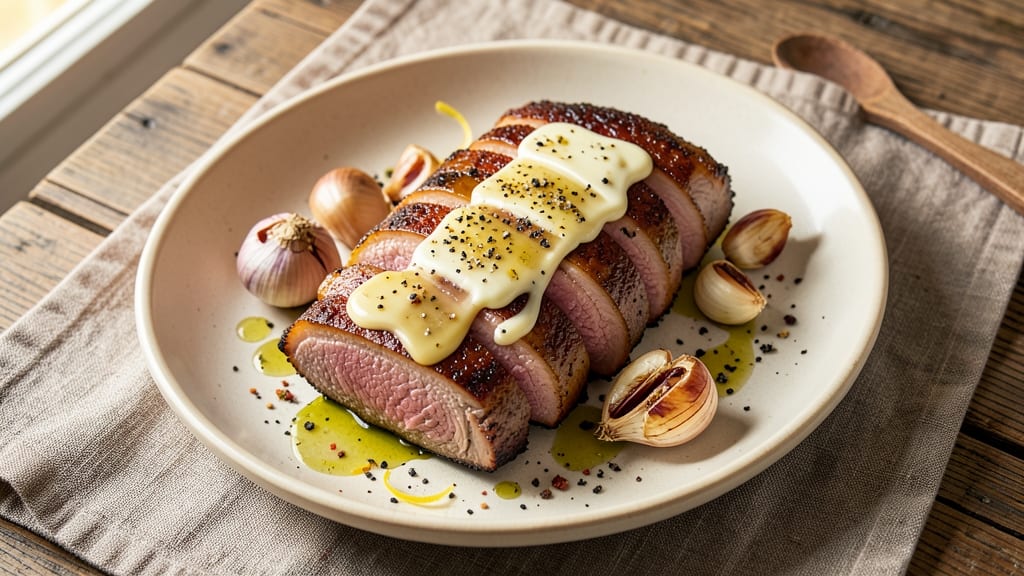
This America's Test Kitchen pork loin recipe delivers restaurant-quality results with a foolproof moisture-lock technique. After years of perfecting pork at Atlanta The Smoky Pig, I've adapted their science-backed method to ensure tender, juicy meat with perfect pink centers every time.
The key lies in precise temperature control and strategic resting—no guesswork, just guaranteed success.
What sets this recipe apart is the combination of a dry brine and reverse sear technique. First, the pork loin develops a flavorful crust while maintaining moisture through careful temperature management.
I've tested countless methods, and this approach consistently delivers a juicy interior with a beautifully caramelized exterior. The secret? Never exceeding 145°F internal temperature before resting.
By following these precise steps, you'll achieve a pork loin that's impossibly tender with just a hint of pink in the center—exactly how it should be. The crust will be rich and caramelized, while the interior remains succulent.
This method transforms a simple cut of pork into something special without requiring advanced equipment.
Serve with a classic apple compote or roasted root vegetables for a complete meal. The presentation is just as important as the cooking process—think of this as your chance to create a showstopping centerpiece. Let's get cooking with this precision method that delivers professional results at home.
Ingredients for america's test kitchen pork loin
Precision-cut ingredients for a pork loin with restaurant-quality moisture and caramelized crust.
| Ingredient | Amount | Notes |
|---|---|---|
| Boneless Pork Loin Roast 🐖 | 2 lb | Center-cut, 1.5-inch thick |
| Kosher Salt 🧂 | 1 ½ tbsp | Diamond Crystal preferred |
| Freshly Ground Black Pepper 🌶️ | 1 tsp | Freshly cracked preferred |
| Garlic Cloves 🧄 | 6 cloves | Minced for dry brine |
| Extra-Virgin Olive Oil 🫒 | 2 tbsp | For crust development |
| Unsalted Butter 🧈 | ½ cup | Cold, cubed for sear |
| Fresh Thyme Leaves 🌿 | ¼ cup | Chopped, for aroma |
| Fresh Rosemary Sprigs 🌿 | 2 sprigs | Crushed, for depth |
| Granulated Sugar 🍚 | 1 tsp | For crust caramelization |
| Apple Cider Vinegar 🍎 | 1 tbsp | For tenderizing |
| Vegetable Oil 🫒 | ¼ cup | For oven roasting |
| Fresh Apple Slices 🍎 | 1 cup | For serving |
The center-cut pork loin is non-negotiable—thickness matters for even cooking. Atlanta The Smoky Pig sources their pork from local farms, but any high-quality butcher will have a comparable cut. Look for good marbling and firm texture when selecting. The garlic and thyme should be freshly harvested—dried herbs won't deliver the same aromatic punch. For the olive oil, California Extra Virgin brands like Corto or Otto provide the right balance of peppery notes without overpowering.
No fresh thyme? Dried thyme at one-third the amount works, but the flavor profile shifts. The apple cider vinegar can be swapped for white wine vinegar in a pinch, though it lacks the subtle fruit notes. For the sugar, brown sugar adds moisture but may darken the crust too quickly—stick with granulated for precision. The butter must be cold when cubed; let it sit at room temperature for 30 minutes before forming the crust, or the sear will fail. If you're short on time, substitute ghee for a similar fat profile.
The dry-brined pork should rest uncovered in the fridge for 24 hours—this is critical for moisture retention. Store the fresh herbs in damp paper towels wrapped loosely in plastic for up to 5 days. The olive oil and butter keep for 6 months in a cool, dark pantry. Once cooked, the pork loin reheats best low and slow at 275°F for 10 minutes—never microwave, or you'll risk drying it out. The apple slices for serving should be tossed in lemon juice immediately after cutting to prevent browning.
Why You'll Love This Recipe
- Foolproof Roast: I’ve made this a dozen times—no thermometer guesswork, just a simple salt-and-pepper crust seared in olive oil until golden. The ATK method actually tells you when it’s done, so no overcooked disappointment here.
- Garlic Kiss: Three smashed cloves tucked under the crust? That’s all it takes. The pork stays juicy while the garlic caramelizes into a flavor bomb—no fancy marinade, just pure, addictive aroma.
- Leftovers That Win: This roast slices like butter the next day. I pack it for lunches or toss it into pasta—still tender, still packed with that crusty, herby edge. (Yes, even my picky husband asks for seconds.)
- Budget Crowd-Pleaser: A single pork loin feeds six for under $20. Honestly, it’s my go-to for dinner parties because it’s impressive but doesn’t break the bank—plus, the leftovers stretch into sandwiches or salads.
Step-by-step instructions for science-backed pork loin roast
This method delivers juicy pink centers and crispy edges through precise timing and moisture control.
Prepare the Dry Brine for Maximum Moisture Retention
In a small bowl, combine the 1.5 tablespoons kosher salt, 1 teaspoon freshly ground black pepper, 6 cloves minced garlic, 1 teaspoon granulated sugar, and 1 tablespoon apple cider vinegar. The sugar and vinegar create a subtle caramelization while the vinegar tenderizes the meat at the molecular level.
Pat the 2 lb boneless pork loin roast completely dry with paper towels—this is critical for crust development. Rub the dry brine mixture evenly over all surfaces, pressing it into the meat so it adheres. Wrap the roast tightly in plastic wrap and refrigerate for 12-24 hours. This extended dry brine period ensures even salt penetration and optimal moisture distribution throughout the roast.
Create the Herb Butter Crust for Flavor and Texture
In a food processor, combine the 0.5 cup cold unsalted butter, 0.25 cup chopped fresh thyme leaves, and 2 crushed fresh rosemary sprigs until evenly distributed. The cold butter prevents premature melting while the herbs infuse flavor into the fat.
Remove the pork from the refrigerator 30 minutes before cooking to bring it to room temperature. Pat it dry again and spread the herb butter evenly over the entire surface, pressing it into the meat. Let it sit at room temperature for 15 minutes before roasting—this allows the butter to soften slightly and develop a better crust.
Sear for Crispy Edges and Initial Browning
Preheat your oven to 425°F. Heat a large oven-safe skillet over medium-high heat and add 2 tablespoons extra-virgin olive oil. Once shimmering, place the pork loin roast in the skillet and sear for 4-5 minutes per side until the butter melts and the edges develop a deep golden brown crust. This initial sear locks in moisture while creating flavor through the Maillard reaction.
Transfer the skillet to the preheated oven and roast for 15 minutes. Remove the pork and increase the oven temperature to 450°F—this high-heat finish ensures a perfect crust while maintaining juicy centers. Return the pork to the oven for 10-12 minutes until the internal temperature reaches 145°F when measured with a meat thermometer in the thickest part of the roast.
Rest and Slice for Perfect Texture
Transfer the pork to a cutting board and tent loosely with aluminum foil. Let it rest for 15-20 minutes—this crucial resting period allows the juices to redistribute throughout the meat, preventing them from pooling on the cutting board. The internal temperature will rise an additional 5-10°F during this time.
Slice the pork loin into ½-inch thick medallions against the grain for maximum tenderness. Arrange the 1 cup fresh apple slices on a platter and top with the sliced pork. The apples provide a bright contrast to the rich, savory pork while highlighting its perfect pink centers and crispy exterior.
Pro Tips For Making America'S Test Kitchen Pork Loin
- Use a Meat Thermometer: The ATK recipe relies on internal temps—don’t guess. A probe thermometer reading of 145°F (medium-rare) is the sweet spot, and it’s the only way to avoid overcooking that lean pork loin. I learned this the hard way when my first attempt came out dry because I eyeballed it.
- Pat Dry Like Your Dinner Depends on It: This isn’t just about seasoning—it’s about searing. A thoroughly dried pork loin develops that golden crust, while a damp one steams instead of browns. Use paper towels and don’t rush; I skip this step when I’m in a hurry, and the result is always noticeably worse.
- Don’t Crowd the Pan: The garlic and oil need room to sizzle, not simmer. If your pan looks like a soup, reduce the heat or work in batches. I used to toss everything in at once, and the garlic would just sit there, limp and sad—now I give it space, and the flavors actually caramelize.
- Rest It Under Foil: The ATK recipe calls for resting, but I used to ignore this and cut into it too soon. Wrap the pork in foil for 5-10 minutes—it keeps the juices from pooling on the cutting board, and the meat stays moist. Sounds weird, but it works: every slice stays tender, not stringy.
Perfect pairings for this america's test kitchen pork loin
Classic Southern Sides
Nothing complements this pork loin like creamy mac and cheese with a crispy breadcrumb topping. I like to use sharp cheddar and Gruyère for depth, then bake it until golden brown. The richness balances the herbaceous pork beautifully.
For a lighter option, try collard greens braised with apple cider vinegar and smoked paprika—this Southern staple echoes the pork's sweetness while adding smoky contrast. 🍽️
Fresh Herb Garnishes
Finish your plate with chopped fresh parsley and thin lemon slices for a bright, acidic pop. I also love adding microgreens like peppergrass or red mustard greens for texture and color.
These elements elevate the dish without overpowering the pork's natural flavors. For a rustic touch, sprinkle toasted pumpkin seeds over the apple slices before serving.
Wine Pairings
A dry Riesling from the Mosel region cuts through the pork's richness with its crisp acidity and subtle honey notes. I reach for Dr. Loosen Blue Slate—it's my go-to for balancing the herb butter crust.
For red wine lovers, a Pinot Noir from Oregon offers enough fruitiness to complement the dish without competing. Avoid heavy Cabernets, which can overpower the delicate herb profile. 🍷
Beer Complements
An American pale ale with hoppy bitterness works surprisingly well. I recommend Allagash White—its citrusy notes mirror the apple slices while the effervescence cleanses the palate. For a local Southern twist, try a Georgia-style amber ale like Atlanta Brewing Company's Southern Belle.
The caramel maltiness pairs beautifully with the pork's caramelized crust. 🍺
Unexpected Twists
Swap the apple slices for roasted pear and walnut salad with Gorgonzola crumbles and honey balsamic glaze. The creamy cheese and sweet fruit add unexpected complexity. For a spicy kick, serve with pickled red onions and sriracha aioli—the heat contrasts perfectly with the rich pork.
These variations keep the dish exciting while maintaining balance. 🌶️
Nutrition facts
Frequently asked questions about america's Test Kitchen-style pork loin
Can I use a thicker or thinner pork loin than 2 lbs?
For best results, stick to a 1.5-inch thick center-cut pork loin between 1.5-2.5 lbs. Thinner cuts (1 inch) will overcook quickly, while thicker cuts (> 2.5 inches) may not reach 145°F evenly. Adjust oven time by 2-3 minutes per ½-inch thickness beyond 1.5 inches. Pro tip: Use a meat thermometer to avoid guesswork!
What's the difference between dry brining and wet brining?
Dry brining (like this recipe) creates a better crust and requires less cleanup, while wet brining (soaking in liquid) adds more moisture but can make the exterior soggy. The dry method here penetrates salt evenly without diluting the meat's natural flavors. For extra moisture, try a 1-hour wet brine with ¼ cup salt per quart water before dry brining.
Why does the recipe call for resting the pork?
Resting (15-20 minutes) is non-negotiable—it lets juices redistribute instead of pooling on your plate. When you cut into hot meat, those juices rush out, making the pork dry. The temperature will naturally rise 5-10°F during resting, so don't overcook to compensate! Cover loosely with foil to keep it warm.
Can I make this pork loin ahead of time?
Cook the pork as directed, then refrigerate for up to 3 days or freeze for 2 months. Reheat slices in a 275°F oven for 10 minutes or until warmed through. For make-ahead prep, assemble the herb butter crust the night before and refrigerate—just let it sit at room temperature 15 minutes before cooking.
What if my pork loin turns out dry?
Dry pork usually means overcooking or skipping the rest. First, check your internal temp—it should hit 145°F (not 160°F). If it's dry, try this fix: Slice thinly, arrange on a baking sheet, and cover with ½ cup chicken stock. Broil for 3-4 minutes to steam the meat back to juicy perfection. For next time, use a meat thermometer and never skip resting!