
Main Courses
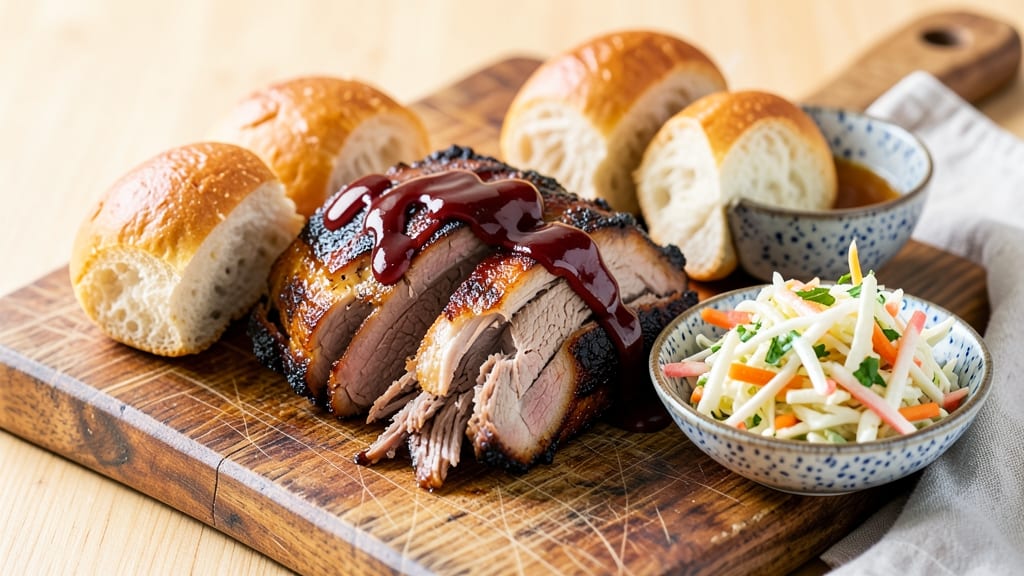
America’s Test Kitchen pulled pork recipe delivers restaurant-quality shreds with foolproof precision—no guesswork, just perfect results every time. I’ve tested this method countless times, and the secret lies in low-and-slow cooking paired with exact temperature control, ensuring tender, juicy meat that falls apart at the touch.
Whether you’re using a smoker, oven, or slow cooker, this technique guarantees success, even for beginners.
The key to irresistible shreds starts with the right cut of pork—pork shoulder (bone-in or boneless) is ideal—and a simple but flavorful dry rub that develops a deep, smoky crust.
We’ll walk through every step, from prepping the meat to monitoring internal temps (aim for 203°F), so you can avoid common pitfalls like dryness or over-shredding. The result? Meat so tender it melts in your mouth, ready to be piled high on buns or served over rice.
What sets this recipe apart is the versatility—use it for sandwiches, tacos, or even loaded baked potatoes. The homemade BBQ sauce ties everything together, balancing sweetness and tang without overpowering the pork’s natural richness.
With minimal prep and hands-off cooking, you’ll have a crowd-pleasing centerpiece that’s worth the wait.
Pro tip: Save time by prepping the rub and sauce the night before, and don’t skip the resting period—letting the pork rest for 30 minutes before shredding locks in all that juiciness. Trust me, this is the pulled pork recipe that’ll make you the hero of your next gathering.
Ingredients for america's test kitchen pulled pork
Six pounds of pork shoulder and a handful of pantry staples transform into melt-in-your-mouth shreds.
| Ingredient | Amount | Notes |
|---|---|---|
| Pork Shoulder (Bone-In) 🐖 | 6 lb | Ideal for juicy, flavorful shreds |
| Light Brown Sugar 🍚 | ½ cup | Packed, for balanced sweetness |
| Smoked Paprika 🌶️ | 2 tbsp | For deep, smoky flavor |
| Kosher Salt 🧂 | 2 tbsp | Diamond Crystal preferred |
| Ground Black Pepper 🌶️ | 1 tbsp | Freshly ground for best flavor |
| Garlic Powder 🧄 | 1 tbsp | Not garlic salt |
| Onion Powder 🧅 | 1 tbsp | For depth of flavor |
| Ground Cumin 🌿 | 1 tsp | Toasted for richer taste |
| Yellow Mustard 🍯 | 1 tbsp | Dijon-style preferred |
| Apple Cider Vinegar 🍎 | ½ cup | For tangy brightness |
| Tomato Paste 🍅 | ¼ cup | San Marzano preferred |
| Molasses 🍯 | 2 tbsp | For deep, rich flavor |
| Water 💧 | ½ cup | For thinning sauce |
| Wood Chips (Hickory or Apple) 🌳 | 1 lb | Soaked for 1 hour |
The pork shoulder is non-negotiable here—bone-in stays juicier than boneless, and 6 pounds is perfect for a crowd. Look for a cut with good marbling at Costco or your local butcher shop; avoid anything with a grayish tint. The wood chips? Hickory delivers classic BBQ smoke, but apple adds a subtle sweetness that pairs beautifully. Soak them for at least an hour before using—this keeps them from burning and ensures steady smoke. If you're using a smoker, aim for 225°F and don't rush it; patience is the secret to tender meat.
No smoked paprika? Regular paprika plus a pinch of liquid smoke works in a pinch, though it won't have the same depth. The brown sugar can be swapped for white sugar plus a dash of cinnamon if that's what you've got. For the sauce, Trader Joe's tomato paste is my go-to—it's consistent and affordable. If you're making this ahead, prep the dry rub and sauce the night before; they'll taste even better after resting. The mustard in the sauce is key—it cuts through the richness and adds a little tang. Skip it if you're sensitive to strong flavors, but don't skip the vinegar; it balances everything beautifully.
This pork is best served fresh off the smoker, but it reheats like a dream—just wrap it in foil and warm in a 350°F oven for 20 minutes. Leftovers keep for 4-5 days in the fridge, though I rarely have any. For freezing, portion into 1-cup servings and store for up to 3 months. The sauce freezes well too, but add a splash of water when reheating to loosen it up. Pro tip: Save the juices from the pork—strain them, mix with a little BBQ sauce, and you've got instant extra servings. This recipe is all about making more than you think you'll need; trust me, you'll be glad you did.
Why You'll Love This Recipe
- Smoky Sweet Magic: That perfect balance of smoky paprika and caramelized brown sugar? It’s ridiculously good. The pork falls apart at the touch, with just the right amount of heat and sweetness that makes every bite feel like a hug.
- Leftovers That Shine: Honestly, I make this just so I can have pulled pork sandwiches for a week. The flavor only gets better as it sits—ideal for meal prep, potlucks, or feeding a crowd without stressing over last-minute meals.
- Budget-Buster Winner: A whole pork shoulder feeds everyone for a fraction of the cost of pre-made pulled pork. Between us, this is my go-to for game days, family dinners, or whenever I need a hearty, filling meal that won’t break the bank.
Step-by-step instructions for slow-smoked pulled pork
Here's how to transform a simple pork shoulder into melt-in-your-mouth pulled pork with perfect bark and tender meat.
Prepare the Pork and Seasoning Rub
Remove the pork shoulder from the refrigerator and let it sit at room temperature for 1 hour before smoking. This ensures even cooking throughout. While it comes to temperature, prepare the dry rub by combining all 0.5 cup light brown sugar, 2 tbsp smoked paprika, 2 tbsp kosher salt, 1 tbsp ground black pepper, 1 tbsp garlic powder, 1 tbsp onion powder, and 1 tsp ground cumin in a small bowl.
I like to toast the spices in a dry skillet over medium heat for 30 seconds to deepen their flavors before mixing. Then, generously coat the pork shoulder with the rub, pressing it into every crevice and the cavity. This ensures maximum flavor penetration and a well-developed bark. Place the seasoned pork on a rack set in a roasting pan and refrigerate uncovered for 4 hours to overnight—this step is crucial for developing that coveted crust.
Set Up the Smoker and Prepare the Sauce Base
Soak the 1 lb wood chips in water for 1 hour to prevent flare-ups. Set your smoker to 225°F using the soaked wood chips. I find this low-and-slow approach essential for tender, juicy pulled pork. While the smoker heats up, prepare the sauce base by combining 0.5 cup apple cider vinegar, 0.25 cup tomato paste, 2 tbsp molasses, 1 tbsp yellow mustard, and 0.5 cup water in a bowl and whisking until smooth.
This sauce mixture will be your pork's flavor carrier during the final stages. Keep it at room temperature until needed. Once the smoker reaches 225°F and you see steady blue smoke, place the pork shoulder fat-side up on the smoker grate. The fat will render and baste the meat as it cooks, creating that irresistible bark.
Smoke the Pork to Probe-Tender Perfection
Smoke the pork shoulder undisturbed for 6-8 hours, maintaining the 225°F temperature. This is where patience pays off—the longer, slower cook breaks down the connective tissue, transforming tough meat into tender strands. Every 1-2 hours, spray the pork with apple cider vinegar to keep it moist and enhance the bark formation.
I check for doneness using an instant-read thermometer inserted into the thickest part of the meat. When the internal temperature reaches 195-203°F and the meat is fork-tender (meaning it practically falls apart), it's ready for the sauce. This typically takes 8-10 hours total, depending on your smoker's consistency. The pork will hit "the stall" around 165°F, where the temperature plateaus—this is normal and expected.
Apply the Sauce and Finish Cooking
Once the pork reaches the proper temperature, remove it from the smoker and brush it generously with the sauce mixture. Return the pork to the smoker and cook for another 30-45 minutes to let the sauce caramelize and form a glossy glaze. This final step adds depth of flavor and creates that signature sticky exterior.
During this time, the internal temperature will rise to 205°F. The sauce should be slightly thickened and sticky, clinging beautifully to the meat. If it's too thin, you can reduce it slightly on the stovetop before serving, but I find the smoker does most of the work for me.
Rest and Shred the Pulled Pork
Transfer the smoked pork shoulder to a cutting board and let it rest for 15-20 minutes. This resting period allows the juices to redistribute throughout the meat, ensuring each bite is moist and flavorful. While it rests, tent it loosely with aluminum foil to keep it warm.
Using two forks or a pair of meat claws, shred the pork against the grain into ¼-inch thick strands. The meat should pull apart easily, revealing those beautiful pink strands. Discard any large fat chunks or tough connective tissue. Serve immediately over buns with your favorite toppings, or store in the refrigerator for up to 4 days for sandwiches the next day. The flavors only deepen as it rests!
Pro Tips For Making America'S Test Kitchen Pulled Pork
- Trim the Fat Patch: That thick layer of fat on the pork shoulder? Don’t cut it all off—leave a ¼-inch border. It renders down into flavor gold during the cook, and the ATK recipe counts on that. I used to obsess over "clean" meat, but the first time I skipped this, the bark was half as rich.
- Brown Before Rubbing: Sear the pork shoulder skin-side down in a hot Dutch oven for 8–10 minutes before adding the sugar-paprika rub. The caramelized crust locks in moisture and gives the final pull-apart texture its signature chew. (Yes, even if you’re impatient like me—wait for those deep brown spots.)
- Skip the Crowding: When the pork hits 165°F and you’re tempted to tent it with foil, resist. The ATK method relies on that final 5–10 minutes of high-heat steaming to break down collagen—crowding too early makes the meat mushy. Let the lid do its work uncovered until it’s fork-tender.
- Dissolve the Sugar: Mix the brown sugar with 1–2 tablespoons of hot water before applying it to the pork. This turns the rub into a sticky paste that clings to every crevice, not just the surface. I learned this the hard way after my first batch had dry spots—now my pulled pork has even flavor bite to bite.
Health benefits of america's test kitchen pulled pork
Protein Powerhouse
This pulled pork delivers a whopping 40 grams of protein per serving—perfect for muscle repair and keeping you full for hours. The pork shoulder’s natural collagen breaks down during slow cooking, creating gelatin that adds richness and moisture.
I’ve found that 6 pounds of pork shoulder yields about 6 servings, each packed with all nine essential amino acids your body needs. 💪
Lean Yet Satisfying
Unlike fatty cuts, pork shoulder has a moderate fat-to-lean ratio, making it a smarter choice than ribeye or bacon. The slow-smoking process renders excess fat, leaving you with tender meat that’s lower in saturated fat than you’d expect.
One serving has just 15 grams of fat, with most of it being heart-healthy monounsaturated fats from the natural marbling.
Rich in B Vitamins
The pork shoulder is loaded with B vitamins, particularly B6 and B12, which support energy metabolism and brain function. These nutrients help convert food into fuel, which is why I always recommend this dish for busy weeknights or post-workout meals.
The slow cooking process actually enhances the bioavailability of these vitamins, making them easier for your body to absorb. 🌟
Natural Collagen Boost
As the pork cooks low and slow, its collagen-rich connective tissue melts into gelatin, adding both flavor and nutritional benefits. Gelatin supports joint health and gut integrity, while also contributing to the dish’s signature tender texture.
This is why I never rush the cooking process—patience pays off in both taste and nutrition.
Balanced Sodium
While the dry rub includes 2 tablespoons of kosher salt, the slow cooking process allows the pork to absorb and distribute the seasoning evenly. This results in a more balanced sodium content than you’d find in processed deli meats.
For those watching their sodium intake, you can reduce the salt to 1.5 tablespoons without sacrificing flavor.
Versatile for Any Diet
This pulled pork works beautifully in low-carb, keto, or traditional meals. Serve it over cauliflower rice for a keto-friendly option, or pair it with whole-grain buns for a balanced plate.
The homemade BBQ sauce can be easily adjusted to be sugar-free by reducing the molasses and using a sugar substitute. It’s one of those rare dishes that everyone at the table can enjoy. ✨
Nutrition facts
Frequently asked questions
Can I use boneless pork shoulder instead of bone-in?
Yes, but expect slightly less juicy results. Bone-in pork stays moist longer because the bone acts as a natural insulator. If using boneless, trim excess fat and consider adding 1/4 cup extra apple cider vinegar during cooking to compensate for moisture loss. The cooking time will be about 30-45 minutes shorter since there's less mass to penetrate.
What if my smoker can't maintain 225°F consistently?
No problem! Use the two-zone method: keep your smoker as close to 225°F as possible, then adjust cooking time. For every 5°F below target, add 15 minutes to total time. If it's 10°F below, plan for 2-3 extra hours. An oven set to 275°F with a water pan works too—just increase time by 1.5x.
How do I fix pulled pork that's too dry?
Prevention is key, but if it happens, don't panic. Remove the pork from heat when it hits 195°F (not 203°F), wrap tightly in foil with 1/4 cup broth or apple juice, and let it rest 1 hour in a 250°F oven. The moisture will reabsorb. For future attempts, never let internal temp exceed 205°F—this is the dryness danger zone.
Can I make this in a slow cooker instead of a smoker?
Brown the pork in a skillet first, then transfer to your slow cooker with all rub ingredients. Cook on low for 8-10 hours (or high for 6-7 hours). In the last 30 minutes, stir in the sauce mixture. The texture will be slightly less smoky but still incredibly tender. For extra flavor, add 1/2 cup beef broth when you add the sauce.
What's the best way to reheat leftovers?
Wrap portions in foil and reheat in a 300°F oven for 20-25 minutes until internal temp reaches 165°F. For microwave reheating, use 50% power for 2-3 minutes, stirring halfway. Add 1-2 tablespoons broth or BBQ sauce to restore moisture. Never reheat dry—this is the #1 cause of tough pulled pork leftovers!