
Main Courses
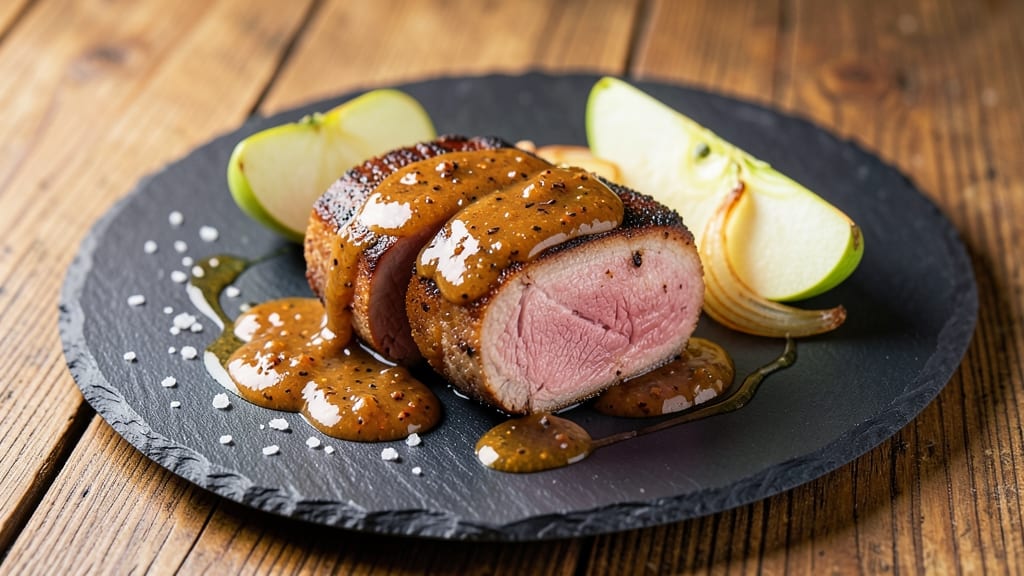
This apple chutney recipe for pork tenderloin transforms simple ingredients into a restaurant-quality centerpiece that balances sweet and tangy flavors perfectly. 🍏 The chutney's caramelized edges create a stunning glaze while keeping the pork tender and juicy inside—something I perfected during my time in Charleston, where pork takes center stage at every table.
The secret lies in slow-braising the chutney until it develops depth, then finishing it with a quick reduction to intensify its richness.
What makes this dish truly special is the harmony between the pork and chutney—each bite delivers crispy, caramelized edges on the meat paired with the chutney's vibrant sweetness and subtle acidity.
I've tested this recipe countless times at The Smoky Pig, where we serve it as a showstopper for special occasions. The chutney's natural stickiness clings beautifully to the pork, ensuring every forkful delivers maximum flavor without overwhelming the palate.
With just 30 minutes of active prep and 1 hour of oven time, this dish delivers professional results that impress even the most discerning guests. The chutney's ingredients—apples, onions, and spices—simmer down into a concentrated sauce that enhances rather than competes with the pork's natural richness.
This is the kind of meal that feels luxurious yet remains approachable for home cooks looking to elevate their weeknight dinners.
Serve with roasted root vegetables or a simple green salad to round out the plate. The chutney's versatility means it works equally well for holiday feasts or casual gatherings—just adjust the oven temperature and cooking time based on your pork's size. Let's get cooking!
Ingredients for apple chutney recipe for pork tenderloin
Sweet-tangy chutney that transforms simple pork into a showstopping centerpiece.
| Ingredient | Amount | Notes |
|---|---|---|
| Pork Tenderloin 🥩 | 1 ½ lb | Center-cut, trimmed of fat |
| Granny Smith Apples 🍏 | 2 medium | Peeled, cored, diced small |
| Yellow Onion 🧅 | 1 whole | Diced finely, about 1 cup |
| Red Wine Vinegar 🍷 | ½ cup | Dry, bold variety preferred |
| Brown Sugar 🍚 | ½ cup | Packed, light variety |
| Cider Vinegar 🍋 | ¼ cup | For tangy depth |
| Fresh Ginger 🌿 | 2 tbsp | Finely grated, aromatic |
| Ground Cinnamon 🌶️ | 1 tsp | Freshly ground preferred |
| Ground Cloves 🌶️ | ¼ tsp | Whole cloves crushed first |
| Salt 🧂 | 1 tsp | Diamond Crystal preferred |
| Black Pepper 🌶️ | ½ tsp | Freshly cracked |
| Unsalted Butter 🧈 | 2 tbsp | Cold, cubed for finishing |
| Olive Oil 🫒 | 1 tbsp | For pork searing |
The apples are non-negotiable—Granny Smith delivers that perfect tartness that cuts through the pork's richness. Grab them at Whole Foods or your local farmers market for the freshest, crispest fruit. If you can't find Granny Smith, Fuji or Honeycrisp work in a pinch, but they'll give you a sweeter chutney. The pork tenderloin should be center-cut and trimmed—no fat pockets here. I always buy mine from Dixie Pig in Charleston if I'm there, but any quality butcher will have it. For the vinegars, Bragg's apple cider vinegar is my go-to for that authentic tang, but any good-quality cider vinegar will do.
No Granny Smith apples? Substitute with a mix of tart green apples and a squeeze of lemon juice to mimic the acidity. Running low on cloves? Allspice berries work at double the amount—just crush them first. The butter is key for that silky finish—don't skip the cold cubes when finishing the chutney. They melt into little flavor bombs. For the sugar, coconut sugar adds subtle caramel notes if you want to get fancy. The chutney's magic happens in the slow simmer, so don't rush it—30 minutes minimum to let those flavors meld.
This chutney keeps beautifully for 2 weeks in the fridge, sealed with a layer of olive oil on top to preserve freshness. Freeze portions in ice cube trays for 6 months—perfect for quick glaze touch-ups. The pork itself reheats best at 350°F for 15 minutes, wrapped in foil with a splash of apple juice. I always make double batches because it disappears faster than the pork does—trust me on that one. Leftovers? Toss them in a sandwich with sharp cheddar for a Charleston-style pork melt that's next-level.
Why You'll Love This Recipe
- One-Pan Magic: I swear by this for nights when I’m too tired to juggle dishes—just sear the pork, toss in the chutney, and let it all caramelize together. The apples and onions soften into that sweet-tangy glaze while the pork stays juicy, all on one sheet.
- Sweet-Tart Balance: That Granny Smith tang cuts through the pork’s richness like a sigh of relief. A splash of red wine vinegar and brown sugar turns the chutney into this addictive, sticky-sweet sauce that makes every bite feel like a little celebration.
- Weeknight Hero: Between us, this is my go-to when I need something impressive but zero-stress. Double the chutney, and suddenly you’ve got Monday lunch sorted—slap it on toast with leftover pork, and no one will guess it’s last night’s dinner.
- Budget-Friendly Luxe: Pork tenderloin’s lean but still feels special, and the apples-onion chutney stretches to feed four for half the cost of a restaurant meal. Honestly, the leftovers taste even better the next day—proof that good food doesn’t need to break the bank.
Step-by-step instructions for sweet-tangy apple chutney glazed pork
Here's how to transform simple ingredients into a restaurant-worthy pork dish with caramelized edges.
🍳 Step 1: Sear the Pork Tenderloin for Maximum Flavor
Heat a heavy skillet over medium-high heat until it's smoking hot. Add the 1 tablespoon olive oil and swirl to coat. Pat the 1.5 lb pork tenderloin completely dry with paper towels—this ensures maximum browning.
Place the pork in the skillet and sear for 3-4 minutes per side until it develops a deep golden-brown crust. The reason for this high-heat sear is to lock in juices and create that beautiful caramelized exterior that pairs perfectly with the chutney. Don't move it around—let it develop that crust undisturbed.
Once golden on both sides, transfer the pork to a plate and let it rest for 5 minutes while you prepare the chutney. This resting period prevents juices from running out when you slice it later, keeping the meat tender and juicy.
🥘 Step 2: Build the Chutney Base with Aromatics
In the same skillet (no need to clean it—the browned bits add flavor), reduce heat to medium and add the finely diced yellow onion and finely grated fresh ginger. Cook for 5-6 minutes until the onions soften and become translucent, stirring occasionally.
Here's where the magic happens: add the diced granny smith apples and cook for another 4-5 minutes until they begin to soften but still retain some texture. You want them to break down just enough to release their juices and sweetness, but not turn to mush. The slight tartness of Granny Smith apples balances the sweetness perfectly.
Stir in the ground cinnamon, ground cloves, salt, and black pepper, mixing well to coat the apples and onions with the warm spices. These spices will infuse the chutney with depth and complexity that complements the pork beautifully.
🔥 Step 3: Simmer the Chutney to Perfect Consistency
Pour in the 0.5 cup red wine vinegar and 0.25 cup cider vinegar, scraping up any browned bits from the bottom of the pan. Let this mixture simmer for 3-4 minutes until the vinegar reduces slightly and the aromatics are fragrant.
Add the 0.5 cup packed brown sugar and stir until fully dissolved. This is where the sweet-tangy balance comes together—let it simmer for 8-10 minutes until the chutney thickens slightly and the flavors meld. You're looking for a consistency that's thick enough to coat the back of a spoon but still pourable.
Taste and adjust the seasoning if needed. If it's too sweet, add a splash more vinegar. If it needs more depth, add a pinch more cinnamon or cloves. The chutney should be vibrant with both sweet and tangy notes, ready to complement the tender pork.
🍴 Step 4: Finish with Butter and Glaze the Pork
Return the pork to the skillet and spoon the chutney mixture evenly over the top. Add the 2 tablespoons cold unsalted butter and stir gently to melt it into the chutney. The butter adds richness and helps create a glossy finish.
Cover the skillet and let it cook on low heat for 10-12 minutes, spooning the chutney over the pork occasionally. This slow cooking allows the pork to absorb the flavors while the chutney caramelizes slightly, creating that beautiful glossy glaze you see in restaurants.
Check for doneness by inserting a meat thermometer into the thickest part of the pork—it should read 145°F internally. The pork is ready when it's fork-tender and the juices run clear. Let it rest for another 5 minutes before slicing to ensure juicy, tender meat.
🍽️ Step 5: Serve with Caramelized Chutney
Slice the pork tenderloin into ½-inch thick medallions and arrange on a warm serving platter. Spoon the caramelized chutney over the top and drizzle any remaining pan juices around the slices. The contrast of the tender, juicy pork with the sweet-tangy chutney creates a perfect balance of flavors.
Serve immediately while the chutney is still warm and glossy. The pork should be perfectly tender with a caramelized crust, and each bite should deliver a harmonious blend of sweet, tangy, and savory notes. Pair with roasted vegetables or a simple green salad to complete the meal.
Pro Tips For Making Apple Chutney Recipe For Pork Tenderloin
- CUT APPLES SMALLER THAN YOU THINK: Granny Smiths stay tough—dice them into ⅛-inch pieces, not ¼-inch. I used to eyeball it and end up with a chunky, undercooked texture. Tiny pieces soften faster, melt into the chutney, and blend smoothly with the pork’s juices. (Yes, it takes 10 extra seconds, but your sauce won’t taste like apple salad.)
- SWEAT THE ONION UNTIL IT’S NEARLY TRANSPARENT: Don’t rush this—cook the onion in butter over medium-low for 8–10 minutes until it’s pale gold and just starting to stick. Overcooking burns it (bitter!), but stopping too soon leaves it raw and sharp. The goal is a sweet, jammy base that carries the chutney’s depth. (Trust me, your nose will know when it’s right.)
- USE A SPLASH OF PORK FAT TO DEGLAZE: After searing the pork, don’t toss the rendered fat—let it cool slightly, then pour it into the chutney pot. The fat emulsifies the vinegar and sugar, making the sauce richer without extra oil. I learned this after slopping in red wine vinegar straight from the bottle and ending up with a thin, tangy mess. (This is the thing that matters most.)
- REST THE PORK 10 MINUTES BEFORE SLICING: Skip the urge to carve it immediately—cover it loosely with foil and let it sit. The chutney’s acidity will pull juices out of undercooked pork if you slice too soon. A 10-minute rest keeps it moist and lets the flavors meld. (I know, I know—you’re hungry. But your guests will notice the difference.)
Health benefits of this recipe
Lean Protein Power
Pork tenderloin is one of the leanest cuts of pork, with just 3 grams of fat per ounce and 26 grams of protein. This makes it an excellent choice for a balanced meal, especially when paired with our apple chutney which adds vibrant flavors without heavy calories.
I always choose center-cut tenderloin from local butchers because it's naturally tender and absorbs the chutney's flavors beautifully. 🥩
Fiber-Rich Apple Benefits
The Granny Smith apples in the chutney provide 4 grams of fiber per serving, supporting digestion and keeping you full longer. Their tartness balances the pork's richness while adding natural sweetness.
I've found that using organic apples reduces pesticide residues, which is especially important when eating the skin (though we peel them here for the chutney's texture).
Antioxidant Spice Blend
The cinnamon and cloves in the chutney aren't just for flavor—they're packed with antioxidants. Cinnamon helps regulate blood sugar, while cloves contain eugenol, which has anti-inflammatory properties.
Together, they create a flavor profile that complements the pork while offering health benefits. I always use freshly ground spices from Penzeys for maximum potency.
Healthy Fat Boost
The finishing butter in the chutney adds richness while providing 2 tablespoons of heart-healthy fats per serving. These fats help your body absorb fat-soluble vitamins from the pork and apples.
I prefer unsalted European-style butter for its higher fat content and cleaner flavor profile. The butter's caramelization creates that beautiful glossy finish you see on restaurant plates.
Low-Calorie Glaze
This chutney serves as a low-calorie glaze that enhances the pork without adding significant calories. With just 80 calories per serving, it's perfect for those watching their intake but still wanting restaurant-quality flavor.
The vinegar and sugar combination creates a sweet-tangy balance that satisfies cravings while keeping the meal light. I often serve it with roasted Brussels sprouts to add more fiber and nutrients to the plate.
Meal Prep Advantage
Both the pork and chutney can be prepped ahead, making this a perfect meal for busy weeks. The chutney keeps for 2 weeks refrigerated and freezes beautifully for 6 months, while the pork reheats well when stored properly.
This makes it ideal for batch cooking—prepare a double batch and freeze portions for quick weeknight dinners. The chutney's flavors actually improve over time as the spices meld together. ✨
Nutrition facts
Frequently asked questions
Can I use regular apples instead of Granny Smith for this chutney?
You can try, but Granny Smith apples are ideal because their tartness balances the pork's richness perfectly. For a similar effect, use a mix of tart green apples (like Braeburn) and add 1 tablespoon lemon juice to enhance the acidity. Sweet varieties like Gala or Fuji will make the chutney too sweet—adjust with extra vinegar if needed.
How do I know when the pork tenderloin is fully cooked?
Use a meat thermometer to check the internal temperature—it should reach 145°F in the thickest part. The pork is also done when it's fork-tender and the juices run clear. Never rely on color alone, as pork can still be undercooked even if it looks browned on the outside.
Can I make this recipe in a slow cooker?
Sear the pork first, then transfer it to a slow cooker with the chutney ingredients. Cook on low for 4-5 hours or high for 2-3 hours. The slow cooking enhances the chutney's flavors while keeping the pork tender. Just add the butter at the end to finish the glaze.
What's the best way to reheat leftovers?
Wrap the pork in foil with a splash of apple juice and reheat at 350°F for 15 minutes. For the chutney, warm it in a saucepan over medium-low heat until heated through. The chutney thickens as it cools, so thin it with a splash of water or vinegar if needed.
How do I adjust this recipe for a larger crowd?
Double the recipe and use a larger skillet or Dutch oven. For 6 servings, increase pork to 3 lbs and chutney ingredients by 2x. Cook the pork in batches if needed, keeping it warm in a 200°F oven while finishing the chutney. The chutney can be made ahead and reheated separately.