
Sauces & Condiments
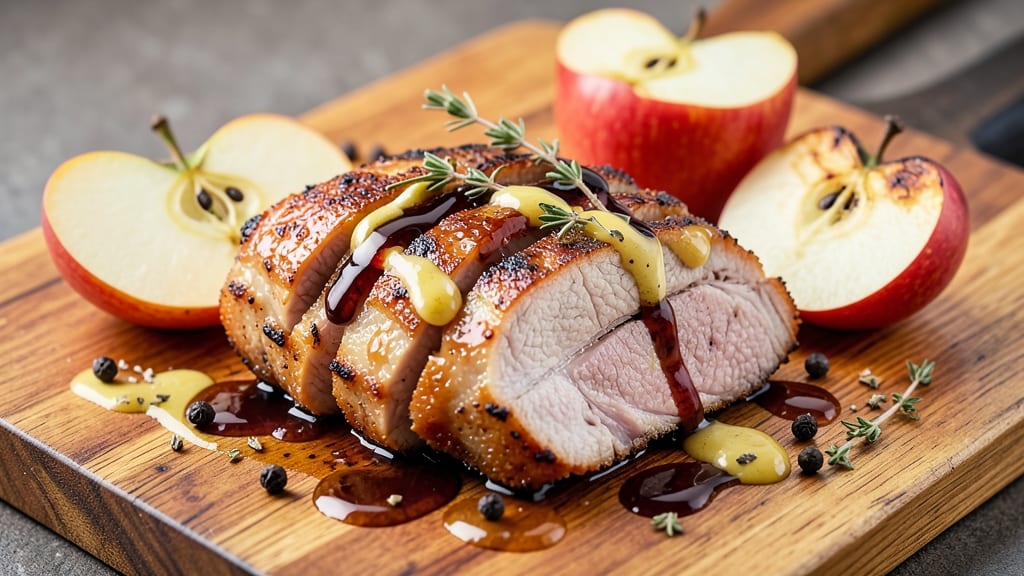
This apple glazed pork tenderloin recipe delivers restaurant-quality results with minimal effort—juicy, tender meat perfectly balanced by a caramelized apple glaze that locks in moisture and adds sweet-tart depth.
I developed this technique during a particularly busy week when I needed a dish that could impress without requiring hours in the kitchen, and it's been my go-to ever since for family dinners and special occasions.
The secret lies in the glaze itself—a simple combination of apples, spices, and a touch of cider that simmers until thick and glossy, then reduces to a sticky, caramelized finish.
The pork tenderloin cooks quickly in the oven, ensuring it stays moist while the glaze develops its signature depth of flavor. This recipe transforms a simple protein into something special with just a few key ingredients and a little patience.
What you'll achieve is a perfectly cooked pork tenderloin with a tender, juicy interior and a caramelized exterior that's impossible to resist. The glaze clings beautifully to the meat, creating a balance of sweetness and savory notes that complements any side dish.
It's the kind of dish that makes weeknight dinners feel like a celebration without the fuss.
Pair it with roasted root vegetables or a crisp green salad for a complete meal that's both elegant and approachable. The glaze can also be made ahead and reheated, making this recipe perfect for meal prepping or entertaining. Let's get started!
Ingredients for apple glazed pork tenderloin
Juicy pork tenderloin meets caramelized apple glaze—simple ingredients that deliver restaurant-quality results.
| Ingredient | Amount | Notes |
|---|---|---|
| Pork Tenderloin 🥩 | 1 ½ lb | Center-cut, trimmed of fat |
| Honeycrisp Apples 🍎 | 2 medium | Peeled, cored, sliced thin |
| Apple Cider 🍏 | ½ cup | Unfiltered preferred |
| Brown Sugar 🍚 | ¼ cup | Packed firmly |
| Dijon Mustard 🥫 | 1 tbsp | High-quality brand |
| Balsamic Vinegar 🍷 | 1 tbsp | Aged 12+ months |
| Fresh Rosemary 🌿 | ¼ cup | Chopped, stems removed |
| Fresh Thyme 🌿 | ⅛ cup | Leaves only, chopped |
| Olive Oil 🫒 | 2 tbsp | Extra-virgin, fruity |
| Salt 🧂 | 1 ½ tsp | Diamond Crystal preferred |
| Black Pepper 🌶️ | ½ tsp | Freshly ground |
| Ground Cinnamon 🌶️ | ¼ tsp | Sweet variety |
| Ground Ginger 🌿 | ⅛ tsp | Freshly ground preferred |
The pork tenderloin is key—center-cut, trimmed of fat for even cooking. Whole Foods or high-end grocery stores carry the best quality, but any well-marbled cut works. Look for tenderloins that are firm to the touch with a vibrant pink color. For the apples, Honeycrisp delivers that perfect balance of sweetness and tartness, but Fuji or Braeburn are solid substitutes. The glaze's depth comes from quality ingredients: unfiltered apple cider and aged balsamic vinegar elevate the flavor profile significantly over cheaper alternatives.
No Honeycrisp apples? Granny Smith or Pink Lady work well—their acidity cuts through the sweetness beautifully. Short on rosemary? Fresh thyme at double the amount gives a similar earthy note. The Dijon mustard can be swapped for whole-grain mustard, but high-quality brands like Maille provide that signature depth. For extra richness, add 1 tbsp of apple butter to the glaze. The spices are non-negotiable though—freshly ground cinnamon and ginger make all the difference. If you're using dried herbs, reduce to one-third the amount and toast them lightly in a dry pan first.
This glaze reheats beautifully—simply warm it in a saucepan over medium heat for 2-3 minutes until glossy again. Store the glaze separately in an airtight container in the fridge for up to 1 week, or freeze it for 3 months. The pork tenderloin keeps well in the fridge for 3-4 days if wrapped tightly in foil. For make-ahead convenience, prep the glaze a day ahead and let it reduce overnight in the fridge—it'll be even more concentrated when reheated. The aromas alone will have your guests anticipating dinner.
Why You'll Love This Recipe
- One-Pan Magic: Honestly, I swear by this recipe when I’m too tired to wash dishes. The apples and cider caramelize right on the same pan as the pork—no extra pots, no extra stress—just sticky, sweet glaze that clings to everything.
- Sweet-Savory Balance: That Dijon mustard cut through the richness like a knife, but the Honeycrisp apples? They turn the whole thing into something dangerously addictive. Crisp edges on the pork, tender inside, and a glaze so good you’ll lick the plate.
- Weeknight to Dinner Party: Between us, this feeds six without breaking a sweat, but it’s just as impressive on a fancy table. Serve it with roasted potatoes or crusty bread—suddenly, your Tuesday dinner feels like a holiday.
- Leftovers That Don’t Suck: I make double batches because the flavor only gets better the next day. Slice it for sandwiches, toss it into salads, or reheat it with a splash of apple cider—it’s the kind of meal that turns into three.
Step-by-step instructions for apple glazed pork tenderloin
Master this technique and you'll achieve a perfectly tender, juicy pork tenderloin with a rich caramelized apple glaze.
Prepare the Pork and Seasoning
Pat the 1.5 lb pork tenderloin dry with paper towels—this is crucial for achieving a crispy exterior. Place it on a cutting board and make shallow slashes about ¼-inch deep every ½-inch apart, being careful not to cut into the meat itself. These slashes allow the glaze to penetrate deeply during cooking.
In a small bowl, combine 1.5 tsp salt, 0.5 tsp black pepper, 0.25 tsp ground cinnamon, and 0.125 tsp ground ginger. Rub this mixture evenly over the entire surface of the pork, pressing gently to ensure the spices adhere. Let the seasoned pork rest at room temperature for 15 minutes—this ensures even cooking and prevents cold spots in the center.
Sear the Pork for Maximum Flavor
Heat 2 tbsp olive oil in a large oven-safe skillet over medium-high heat until shimmering. Add the pork tenderloin and sear for 3-4 minutes per side, until it develops a deep golden-brown crust. You want the exterior to be well-browned but not charred—this creates a flavorful barrier that locks in moisture during roasting.
Once seared on all sides, transfer the skillet to a 425°F preheated oven. Roast the pork for 15-18 minutes or until the internal temperature reaches 145°F (use a meat thermometer for accuracy). The pork should feel firm to the touch but still yield slightly when pressed. Remove from the oven and let it rest for 5 minutes before proceeding.
Create the Caramelized Apple Glaze
While the pork rests, return the same skillet to the stovetop over medium heat. Add 2 medium peeled and sliced Honeycrisp apples, 0.5 cup apple cider, 0.25 cup packed brown sugar, 1 tbsp Dijon mustard, and 1 tbsp balsamic vinegar. Stir gently to combine, then let the mixture simmer for 5-6 minutes until the apples soften and the liquid reduces by half.
In a separate small bowl, combine 0.25 cup chopped fresh rosemary and 0.125 cup chopped fresh thyme. Sprinkle this herb mixture over the apple glaze and stir to distribute evenly. The herbs will infuse the glaze with aromatic depth as it caramelizes. Let the glaze thicken slightly—it should coat the back of a spoon but still be pourable.
Glaze and Finish the Pork
After the pork has rested, return it to the skillet with the apple glaze. Spoon the glaze evenly over the top and bottom of the pork, ensuring it penetrates the slashes you made earlier. Place the skillet back in the oven and roast for an additional 8-10 minutes at 425°F, basting the pork with the glaze every 2-3 minutes. This step is critical—it ensures the glaze caramelizes beautifully while keeping the pork moist.
The glaze should be thick and glossy with a deep amber hue when finished. The pork is done when the internal temperature reaches 150°F (it will rise to 155°F as it rests). Transfer the pork to a cutting board, tent loosely with foil, and let it rest for 10 minutes before slicing. This resting period allows the juices to redistribute, ensuring each slice is succulent and flavorful.
Slice and Serve
Slice the pork tenderloin into ½-inch thick medallions against the grain for maximum tenderness. Arrange the slices on a warm platter and drizzle any remaining glaze from the skillet over the top. Garnish with additional chopped fresh rosemary and fresh thyme for a pop of color and freshness.
Serve immediately with roasted sweet potatoes, a simple green salad, or crusty bread to soak up the luscious glaze. The result is a harmonious blend of sweet, tangy, and savory flavors, with a perfectly tender pork center that stays juicy despite the high heat. This technique guarantees a restaurant-quality dish every time.
Pro Tips For Making Apple Glazed Pork Tenderloin
- USE A THERMOMETER: I learned this the hard way—pork tenderloin looks done before it actually is. Pull it at 145°F internal temp (not 160°F like ground pork), then let it rest. That 5-minute rest keeps it juicy, especially when you’re slicing against the grain later.
- PEEL AND GRATE APPLES: Skip the chopping—Honeycrisp apples turn to mush when they simmer. Peel, core, and grate them on the large holes of a box grater. This keeps the texture smooth in the glaze while adding natural sweetness without breaking down into a watery mess.
- DEGLAZE WITH APPLE CIDER: Don’t just dump the apple cider in after browning. Let the pork sear in the pan first, then hit it with a splash of cider right away—this pulls up all those caramelized bits. Reduce that liquid by half before adding the rest of the cider, brown sugar, and mustard. That’s where the real flavor lives.
- SALT THE PORK TWICE: Season the tenderloin before searing (1 tsp salt + pepper, minimum), then add another pinch (½ tsp) to the glaze. The first layer seasons the meat, while the second boosts the sauce. Trust me, the glaze tastes flat if you skip this—it’s not just about the pork.
Make-ahead tips for this recipe
Glaze Prep Ahead
Make the apple glaze the night before for maximum flavor concentration. Combine all glaze ingredients—2 apples, 0.5 cup apple cider, 0.25 cup brown sugar, and spices—except the herbs. Simmer for 10 minutes until reduced by half, then refrigerate.
The next day, reheat gently over low heat and stir in the herbs just before glazing the pork. This overnight reduction deepens the caramelization without extra effort. 🌟
Pork Prep Timeline
Season and score the pork tenderloin 12 hours ahead—store it uncovered in the fridge. This dry-brining step enhances flavor and texture while preventing moisture loss during cooking.
When ready to cook, simply sear and roast as directed. I always prep the pork the night before when hosting dinner parties—it's a game-changer for stress-free entertaining.
Freezer-Friendly Pork
For long-term storage, cook the pork completely (up to 150°F internal temp), then cool rapidly under cold water. Wrap tightly in foil and freeze for up to 3 months. Thaw overnight in the fridge before glazing.
The meat stays tender when reheated properly—simmer in 0.25 cup apple cider for 10 minutes before glazing to restore moisture. This method works perfectly for meal prep Sundays.
Glaze Storage Hacks
Store leftover glaze in a small glass jar with a tight lid in the fridge for up to 1 week. Reheat portions in the microwave for 30 seconds or on the stovetop for 2 minutes until bubbly.
I often double the glaze recipe when making this dish—it's perfect for drizzling over roasted vegetables or as a dip for bread. The glaze keeps beautifully in the freezer too, just thaw overnight in the fridge before using.
Make-Ahead Serving
Assemble the complete dish 4 hours ahead by cooking the pork, glazing it, and storing it at room temperature. Reheat in a 350°F oven for 10 minutes before serving. This works especially well for holiday gatherings where you want everything ready to go.
Just slice and serve—your guests will never know it was made ahead. The glaze reheats beautifully while keeping the pork juicy and warm. ✨
Nutrition facts
Frequently asked questions
Can I use boneless pork chops instead of pork tenderloin?
Yes, but you'll need to adjust the cooking time. Use 2 boneless pork chops (about 6-8 oz each) and reduce the oven temperature to 375°F. Sear them first, then roast for 12-15 minutes until they reach 145°F internally. The glaze method remains the same—just brush it on after searing.
What if I don't have Honeycrisp apples?
Use Granny Smith or Pink Lady apples for better tartness, or Braeburn for a balanced flavor. Avoid overly sweet varieties like Gala—they won't caramelize as well. For extra depth, add ½ tsp lemon juice to the glaze to enhance the apple's natural acidity.
Why does my glaze turn out too runny?
This usually happens if you didn't reduce it long enough. Simmer the glaze until it coats the back of a spoon but still drizzles off. For extra thickness, add 1 tsp cornstarch mixed with 1 tbsp water and stir in during the last 2 minutes of simmering. The glaze should be glossy yet coat the pork evenly.
Can I make this recipe in a slow cooker?
Sear the pork first, then place it in the slow cooker with the glaze ingredients. Cook on Low for 4-5 hours or High for 2-3 hours, basting occasionally. The pork will be tender but slightly less crispy. For best results, finish with a quick broil for 3-4 minutes to caramelize the glaze.
What's the best way to reheat leftovers?
Slice the pork and store it separately from the glaze. Reheat pork slices in a skillet over medium heat for 3-4 minutes until warmed through. Warm the glaze separately in a saucepan over low heat for 2-3 minutes, then drizzle over the pork before serving. Microwaving can make the pork dry—always use dry heat for best results.