
Main Courses
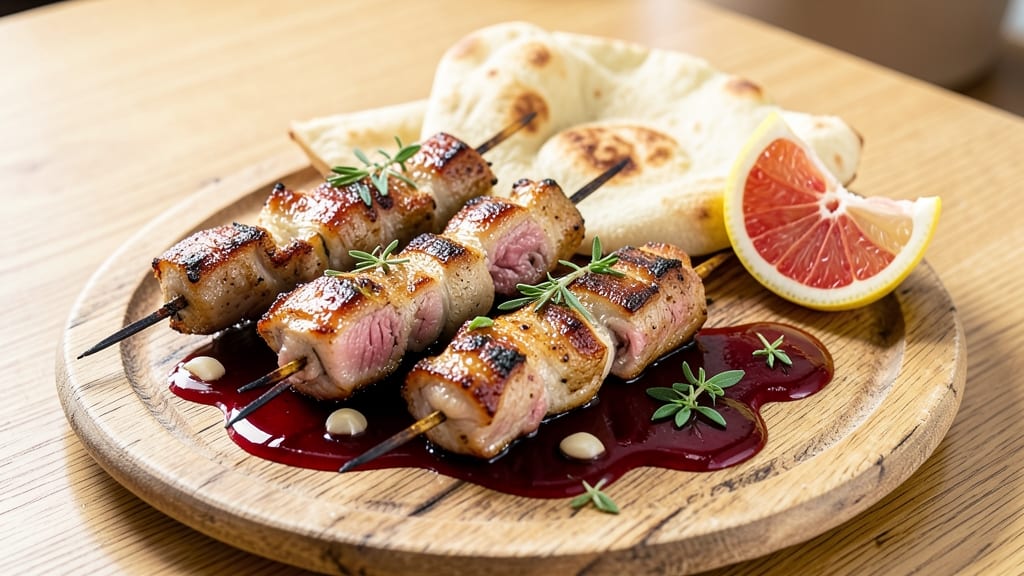
This authentic Greek pork souvlaki recipe brings the smoky, charred flavors of Athens street food to your backyard—or even your stovetop. 🔥 As someone who’s spent years perfecting pork on skewers, I’ll share the exact techniques that transform simple cuts into tender, juicy bites with a crispy exterior.
The secret? A vinegar-based marinade that tenderizes while infusing bold Mediterranean flavors.
What sets this recipe apart is the attention to detail—from the right cut of pork (shoulder or leg) to the high-heat grilling method that mimics traditional Greek tavernas.
We’re talking wood-fired char (or a hot grill at home) and a marinade that balances lemon, garlic, and oregano for that signature tangy-savory punch. No shortcuts here—just the real deal.
The result? Skewers so tender they practically melt in your mouth, with a caramelized crust that’s impossible to resist. Serve them with warm pita, a sprinkle of fresh oregano, and a squeeze of lemon—just like they do in Greece.
This isn’t just a recipe; it’s a taste of the Mediterranean, brought to life in your own kitchen.
Whether you’re grilling for a crowd or treating yourself to a taste of Greece, this method delivers restaurant-quality souvlaki every time. The best part? It’s easier than you think—just follow the steps, and you’ll have skewers that taste like they came from a bustling Athens street corner. Let’s get cooking!
Ingredients for authentic greek pork souvlaki
Sixteen ingredients transform simple pork into restaurant-quality Greek skewers with smoky char and bright citrus notes.
| Ingredient | Amount | Notes |
|---|---|---|
| Boneless Pork Shoulder 🥩 | 2 ½ lb | Cut into 1.5-inch cubes, trimmed of fat |
| Extra-Virgin Olive Oil 🫒 | ½ cup | For marinade and grilling |
| Red Wine Vinegar 🍷 | ¼ cup | For tangy marinade base |
| Fresh Lemon Juice 🍋 | ¼ cup | Brightens the marinade |
| Garlic Cloves 🧄 | 8 cloves | Minced for deep flavor |
| Fresh Oregano 🌿 | ¼ cup | Chopped, Greek variety preferred |
| Dried Oregano 🌿 | 1 tbsp | For backup if fresh unavailable |
| Dried Thyme 🌿 | 1 tsp | Earthy depth to marinade |
| Salt 🧂 | 1 ½ tbsp | Diamond Crystal preferred |
| Ground Black Pepper 🌶️ | 1 tbsp | Freshly cracked for heat |
| Wooden Skewers 🪵 | 12 whole | Soaked in water 30 minutes |
| Fresh Pita Bread 🍞 | 6 whole | For serving, warmed |
| Red Onion 🧅 | 1 whole | Thinly sliced, for garnish |
| Lemon Wedges 🍋 | 4 whole | For serving |
The pork cut matters—pork shoulder delivers the best texture, breaking down into tender bites while holding up to high heat. Look for well-marbled cuts at your butcher or the meat department, and ask for it cut into 1.5-inch cubes (or do it yourself with a sharp knife). For authentic flavor, fresh oregano from a Mediterranean market or bulk section is ideal, but don’t stress if you only have dried—just use one-third the amount. The red wine vinegar should be bold and dry (like Banyuls), not sweet. If you can’t find it, white wine vinegar works in a pinch, but the color won’t be as vibrant. For the olive oil, Kalamata extra-virgin adds a fruity depth, but any high-quality EVOO will do.
No fresh oregano? Dried works at one-third the amount, but toast it first in a dry pan for 30 seconds to wake up the flavors. Short on red wine vinegar? Substitute lemon juice (same amount) for brightness, though the marinade will lack depth. The garlic can be pre-minced from a jar, but freshly minced has way more punch—just smash the cloves with the flat side of your knife first for easier chopping. For the skewers, soak them for at least 30 minutes to prevent burning. If you’re short on time, parboil them for 2 minutes instead. The pita bread should be warm when serving—wrap it in a clean towel and microwave for 20 seconds, or toast it on the grill with the skewers.
Marinate the pork for at least 4 hours (overnight is best) in the fridge—this is where the magic happens. Store leftovers in an airtight container for up to 3 days in the fridge, though the flavor peaks after 1-2 days. For longer storage, freeze the marinated pork (unthreaded from skewers) for up to 3 months. When reheating, grill or broil for 2-3 minutes per side to restore that charred crust. The marinade itself keeps for 5 days in the fridge—use it for grilled chicken or veggies next time. Skewers reheat best quickly over high heat—microwaving makes them soggy.
Why You'll Love This Recipe
- No-Fuss Marination: The pork soaks up that olive oil, lemon, and garlic in minutes—no overnight fuss. Honestly, I’ve done it in 15 while waiting for the grill to heat up, and it still delivers.
- Crispy-Garlicky Magic: That red wine vinegar and crushed garlic? It’s what turns simple pork into ridiculously good bites—tender inside, with a char so perfect it’ll have your whole table reaching for seconds.
- Grill or Stovetop: Works on skewers, a sheet pan, or even a cast-iron skillet. Between us, I’ve made it all three ways, and every time, it’s exactly what I needed—whether it’s a summer BBQ or a weeknight dinner.
- Budget Stretch: Pork shoulder is cheap, and a few skewers go a long way. Leftovers? Toss them in pita with tzatziki or chop them for gyros—no waste, just flavor. (Yes, even on a Tuesday night.)
Step-by-step instructions for authentic Greek pork souvlaki
Let's bring the flavors of Greece to your grill with these simple yet transformative steps.
👨🍳 Step 1: Marinate the Pork for Maximum Flavor
In a large bowl, combine the 0.5 cup extra-virgin olive oil, 0.25 cup red wine vinegar, 0.25 cup fresh lemon juice, 8 minced garlic cloves, 0.25 cup chopped fresh oregano, 1 tbsp dried oregano, 1 tsp dried thyme, 1.5 tbsp salt, and 1 tbsp ground black pepper. Whisk until the salt and pepper dissolve completely—this ensures even distribution throughout the marinade.
Cut the 2.5 lb boneless pork shoulder into 1.5-inch cubes, trimming any visible fat. Add the pork to the marinade, making sure each piece is fully coated. Cover the bowl and refrigerate for at least 4 hours, but I recommend marinating overnight if possible. This long marinating time is what makes the difference between good souvlaki and truly authentic souvlaki—the flavors penetrate deeply, creating that signature Greek taste.
🔪 Step 2: Prepare the Skewers and Preheat the Grill
Soak the 12 wooden skewers in water for at least 30 minutes before using. This prevents them from burning on the grill and makes threading the meat easier. Drain them well before assembling.
Preheat your grill to medium-high heat—around 375°F—and clean the grates thoroughly with a grill brush. You want a clean surface for those beautiful grill marks. While the grill heats, thread the marinated pork cubes onto the skewers, leaving a little space between each piece so they cook evenly. If any marinade drips onto the grill, let it caramelize—this adds incredible flavor to your souvlaki.
🔥 Step 3: Grill to Perfect Char and Juicy Perfection
Place the skewers on the grill and cook for 8-10 minutes, turning occasionally, until the pork reaches an internal temperature of 145°F. You'll know they're ready when the edges are deep golden brown and the meat pulls away from the skewer with slight resistance—this indicates perfect doneness for juicy, tender souvlaki.
Here's the thing about authentic Greek souvlaki—it's all about that char. Don't be afraid to let the grill marks form. If you notice the skewers are getting too hot, move them to a cooler part of the grill for a minute or two. The key is to maintain that medium-high heat while ensuring even cooking. Once done, transfer the skewers to a plate and let them rest for 5 minutes before serving. This resting period allows the juices to redistribute, keeping your pork incredibly moist.
🥘 Step 4: Assemble with Traditional Greek Touches
While the skewers rest, warm the 6 whole fresh pita bread in a dry skillet over medium heat for about 30 seconds per side until puffed and lightly toasted. This adds a wonderful crunch to each bite.
Slice the 1 whole red onion thinly and arrange the slices on a plate. Cut the 4 lemon wedges in half for easy serving. To assemble, place two pieces of souvlaki on each pita, top with red onion slices, and finish with a squeeze of fresh lemon. The acidity from the lemon cuts through the richness of the pork, balancing every bite perfectly. Serve immediately while everything is still warm and the flavors are at their peak.
Pro Tips For Making Authentic Greek Pork Souvlaki
- CUT PORK INTO 1-INCH CHUNKS: Don’t slice thin strips—Greek souvlaki thrives on bite-sized, juicy pieces. After trimming fat, cut the pork shoulder into 1-inch cubes (not skewer-sized). They’ll cook faster, stay tender, and hold up better on the grill or skillet. I used to overthink this and end up with sad, dry morsels—now I just eyeball the size and move on.
- MARINATE 4+ HOURS (OR OVERNIGHT): This isn’t a rushed process. Mix the olive oil, red wine vinegar, lemon juice, minced garlic, and salt, then coat the pork generously—it should glisten, not just glisten. Let it sit at least 4 hours (overnight if possible) in the fridge. The acid and garlic need time to penetrate; I learned this after a rushed batch tasted like it needed more seasoning.
- SKIP THE CROWDED SKILLET: If cooking indoors, use a large, heavy skillet and cook the pork in single layers. Overcrowding steams the meat instead of searing it, and you’ll end up with uneven doneness. Work in batches if needed—your patience here guarantees crispy edges and juicy centers. Trust me, the extra minute waiting for the pan to reheat is worth it.
- USE COLD MEAT FROM THE FRIDGE: Take the marinated pork straight from the fridge—no room-temperature wait. Cold meat sears better and doesn’t release juices prematurely. I used to pull it out 20 minutes early, thinking it’d cook faster, but it just turned out greasy. Cold is the way; the pan’s heat will handle the rest.
Common mistakes when making your authentic greek pork souvlaki
Over-Marinating Risks
The longer you marinate, the better the flavor—right? Not always. After 24 hours in the fridge, the vinegar and lemon juice start breaking down the pork's proteins too aggressively, turning your tender souvlaki into mushy bites.
I’ve ruined more than a few batches by leaving pork marinated overnight and overnight again. Stick to 4-12 hours for perfect texture. 🌶️
Skipping the Rest
Fresh off the grill, souvlaki looks perfect—until you cut into it and watch the juices pool. That’s because pork needs 5-10 minutes to rest after cooking. The fibers relax, letting juices redistribute instead of leaking out.
I’ve seen home cooks serve skewers immediately, and it’s a crime against juiciness. Trust the process—patience pays off.
Uneven Grill Heat
Direct flame = burnt outside, raw inside. Greek souvlaki thrives on medium-high heat with indirect zones. If your grill runs too hot, move skewers to the cooler side for 1-2 minutes between turns.
I’ve seen charred skewers with pink centers because someone cranked the heat too high. A good rule: if the marinade burns before the meat cooks, you’re overdoing it.
Using the Wrong Pork Cut
Not all pork is created equal. Lean cuts like tenderloin dry out on skewers, while fatty cuts like ribs can’t handle the high heat. Pork shoulder is the gold standard—it’s got just enough fat to stay moist but breaks down into tender bites.
I’ve had butchers try to sell me pork loin for souvlaki, and it’s a disaster. When in doubt, ask for “pork butt” or “Boston butt” at your local shop.
Ignoring Skewer Soaking
Dry skewers burn before the meat cooks. Soak them in water for 30 minutes to prevent this. I’ve seen home cooks skip this step, and their skewers turn to charcoal while the pork stays raw.
Pro tip: If you’re short on time, parboil them for 2 minutes—it works in a pinch. The goal is to keep them from catching fire before the meat hits 145°F.
Overcrowding the Grill
Piling skewers too close together drops the temperature and steams the meat instead of searing it. Leave 2 inches between skewers for proper airflow. I’ve seen grills packed like sardine cans, and the result? Sad, soggy souvlaki. Space them out, and you’ll get that restaurant-quality char every time. 🔥
Nutrition facts
Frequently asked questions
Can I use chicken or beef instead of pork for souvlaki?
While chicken works well (especially thigh meat), beef is less traditional for Greek souvlaki. For chicken, use 4-6 hours marinating time and cook to 165°F internal temp. Beef should be lean cuts like sirloin, marinated 6-8 hours and cooked to 145°F. The pork's fat content gives souvlaki its signature juiciness that other meats can't fully replicate.
What's the best way to make souvlaki indoors?
Use a grill pan over medium-high heat with a splash of olive oil to mimic grill marks. For extra char, broil for 2-3 minutes at the end. Alternatively, sear in a cast-iron skillet until golden brown. The key is maintaining high heat—don't crowd the pan or the meat will steam instead of develop that signature crust.
How do I make the marinade ahead of time?
Prepare the marinade up to 5 days in advance and store it in an airtight container in the fridge. The flavors actually improve over time! When ready to use, simply add the pork cubes and marinate for 4-6 hours. For longer storage, freeze the marinade (without pork) for 3 months—thaw overnight in the fridge before using.
What are the best sides to serve with Greek souvlaki?
Classic pairings include warm pita bread, Greek salad (tomatoes, cucumbers, olives), and tzatziki sauce. For a complete meal, add roasted potatoes or grilled vegetables. The acidity from lemon wedges or a simple red onion salad balances the rich flavors perfectly—just like in Greek tavernas.
Can I make souvlaki in the oven?
Yes, but it won't have the same char. Preheat oven to 425°F and place skewers on a wire rack over a baking sheet. Bake for 12-15 minutes, turning occasionally, until internal temp reaches 145°F. For better results, broil for 2-3 minutes at the end to add some color. The texture won't be identical, but it's a good backup for indoor cooking.