
Main Courses
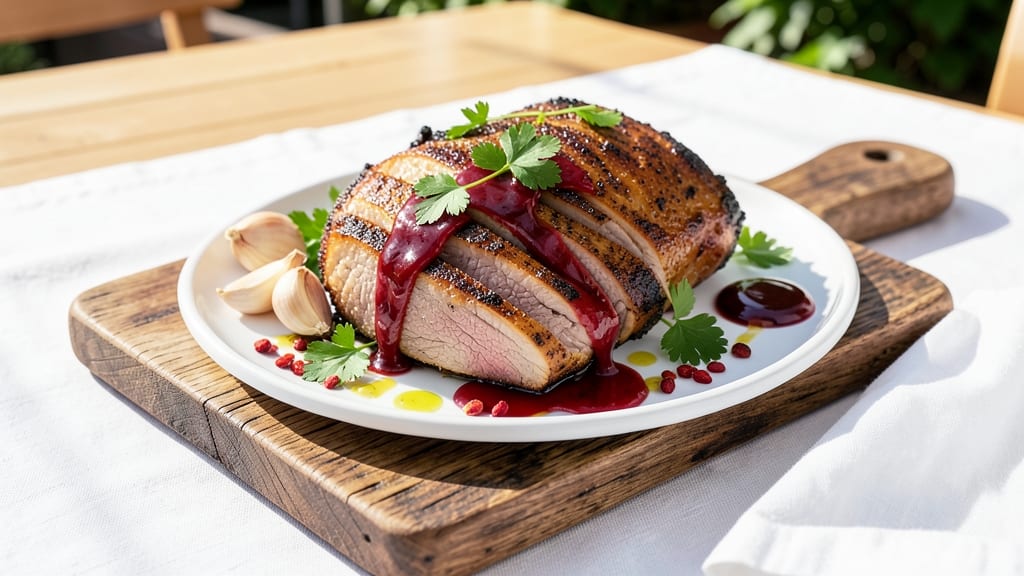
This authentic pork asado recipe transforms humble pork into a centerpiece of celebration, where every bite carries the soul of a Sunday gathering under the southern sky. 🌟 I've spent years perfecting this technique—from the delicate balance of chimichurri to the precise moment when the grill smoke meets the meat.
The secret lies in patience: letting the wood fire build slowly while the pork marinates overnight in that vibrant green sauce.
What makes this recipe truly authentic is the combination of traditional elements adapted for home cooks. We'll use a cast-iron skillet to mimic the parrilla's searing power, while the chimichurri—fresh parsley, garlic, olive oil, and red wine vinegar—cuts through the richness with its bright acidity.
The pork shoulder, marinated overnight, develops deep flavor while staying tender, even when cooked low and slow.
By the time you serve, you'll have perfectly charred edges with juicy, melt-in-your-mouth meat that falls apart at the touch of a fork. The chimichurri doesn't just flavor—it transforms each bite into an experience, pairing beautifully with grilled provoleta and a simple ensalada rusa.
This isn't just dinner; it's a celebration of Argentine tradition brought to your backyard.
For those without a traditional grill, we'll adapt the technique using charcoal or wood-fired methods that deliver the same smoky depth. The key is temperature control—maintaining that 250°F zone where the magic happens.
Let's create an asado that rivals the ones I've enjoyed in Buenos Aires, right in your own kitchen.
Ingredients for authentic pork asado
Six ingredients transform humble pork into an Argentine celebration centerpiece with soulful chimichurri.
| Ingredient | Amount | Notes |
|---|---|---|
| Pork Shoulder (Bone-In) 🥩 | 4 lb | Center-cut, well-marbled |
| Fresh Parsley 🌿 | 1 ½ cups | Flat-leaf, tightly packed |
| Garlic Cloves 🧄 | 10 cloves | Fresh, peeled, slightly crushed |
| Extra-Virgin Olive Oil 🫒 | ¾ cup | Fruity, peppery variety |
| Red Wine Vinegar 🍷 | ⅓ cup | Argentine if available |
| Red Pepper Flakes 🌶️ | 1 tbsp | For subtle heat |
| Ground Cumin 🌿 | 1 tsp | Toasted for depth |
| Kosher Salt 🧂 | 2 tbsp | Diamond Crystal preferred |
| Ground Black Pepper 🌶️ | 1 tbsp | Freshly cracked |
| Hardwood Charcoal 🔥 | 4 lb | Quebracho or almond |
| Fresh Oregano 🍃 | ¼ cup | Argentine oregano preferred |
| Red Wine 🍷 | ½ cup | Malbec, chilled |
| Lemon Juice 🍋 | ¼ cup | Freshly squeezed |
The pork shoulder is non-negotiable here—bone-in, center-cut delivers the best flavor and texture. Look for good marbling at Whole Foods or your local butcher; if you can't find Argentine cuts, Smithfield or Hormel bone-in pork shoulder works beautifully. The key is letting it marinate overnight, so plan ahead. For the chimichurri, fresh parsley is essential—the vibrant green color and bright flavor make this sauce special. I always buy extra because it's worth the investment. The garlic cloves should be fresh, with a vibrant color and no sprouting.
No fresh parsley? Cilantro or basil at half the amount works in a pinch, though the flavor won't be quite the same. Running low on red wine vinegar? Balsamic vinegar with a splash of red wine mimics the acidity. The hardwood charcoal is crucial for authentic flavor—quebracho or almond gives that classic asado smokiness. If you can't find it, mesquite or hickory works too. The red wine in the chimichurri can be swapped for white wine vinegar with a pinch of sugar if you're avoiding alcohol. For the pork, if you can't find bone-in, boneless pork shoulder with skin on still works, but it won't have the same depth of flavor.
The pork marinade keeps up to 3 days in the fridge, but it's best used within 24 hours for maximum flavor. Chimichurri should be made fresh and stored in a jar with a tight lid, covered with a thin layer of olive oil to preserve its vibrant color. It stays fresh for 3-4 days in the fridge. The cooked pork reheats beautifully—just warm it in the oven at 300°F until it's piping hot. I always make extra chimichurri because it's perfect on grilled vegetables, toasted bread, or even scrambled eggs the next morning.
Why You'll Love This Recipe
- Foolproof Roast: I swear by this—just rub the bone-in pork shoulder with garlic, olive oil, and parsley until it’s coated like a sticky glaze. No fancy prep, no stress, and the bone-in version stays juicy while the crust gets perfectly crispy. (Yes, even if you’re not a grill master.)
- Umami Bomb: That red wine vinegar in the marinade? It’s the secret weapon. The acid cuts through the richness of the pork while the garlic and parsley sing together—bright, herby, and just a little tangy. Honestly, the first bite makes me pause mid-chew.
- Weeknight to Party: Make it for Tuesday dinners or Sunday gatherings—same recipe, different vibes. Slice thin for tacos, shred for sandwiches, or serve it whole with crusty bread. My college roommate still asks for this when he visits, and he’s not a fan of pork.
- Leftovers That Win: This recipe actually tastes better the next day. The pork gets more tender, and the flavors meld into something deeper. Between us, I often double the batch—it’s my go-to for meal prep, and no one ever complains about the seconds.
Step-by-step instructions for authentic pork asado with chimichurri
Here's the traditional Argentine method—slow-cooked, smoky perfection paired with vibrant chimichurri.
🔥 Step 1: Prepare the Pork Shoulder for Smoking
Remove the pork shoulder from the refrigerator and let it sit at room temperature for 1 hour. This ensures even cooking and prevents cold spots. Pat the meat completely dry with paper towels—moisture is the enemy of crispy bark. I press firmly, especially in the crevices and around the bone, to remove all traces of moisture.
In a small bowl, combine the 2 tablespoons kosher salt, 1 tablespoon ground black pepper, 1 teaspoon ground cumin, and 1 tablespoon red pepper flakes. Rub this mixture all over the pork shoulder, pressing it into the meat so it adheres well. Let it sit uncovered for 30 minutes—this allows the seasoning to penetrate and develop flavor.
🔥 Step 2: Set Up the Argentine Parrilla
While the pork seasons, prepare your grill for indirect heat. Fill the charcoal chimney with 4 pounds hardwood charcoal (quebracho or almond works best) and light it. Once the coals are fully lit and covered with white ash, spread them evenly across one side of the grill, leaving the other side clear. This creates a two-zone fire—hot coals for searing and a cooler zone for slow cooking.
Place the pork shoulder fat-side up on the cooler side of the grill. Close the lid and maintain a temperature of 250-275°F. I use a grill thermometer to monitor this—Argentine asado relies on low-and-slow cooking for tender, juicy meat. Resist the urge to open the lid frequently; each time you do, you lose heat and extend cooking time.
⏰ Step 3: Smoke Until Probe-Tender
Smoke the pork shoulder for 6-8 hours, rotating it every 1-2 hours to ensure even cooking. You'll know it's ready when the internal temperature reaches 195-203°F and a meat probe slides in like butter. The bark should be dark and crispy, with a beautiful smoke ring visible just beneath the surface.
Here's the thing—Argentine cooks don't rely solely on temperature. I also check for the "shoulder test": when the meat pulls apart easily with gentle pressure from tongs, it's ready. If the bark starts to burn before the meat is tender, tent it loosely with aluminum foil to protect it while allowing smoke to circulate.
🍳 Step 4: Prepare the Chimichurri Sauce
While the pork smokes, make the chimichurri. In a food processor, pulse the 1.5 cups fresh parsley, 0.25 cup fresh oregano, 10 cloves garlic cloves, 1 tablespoon red pepper flakes, 2 tablespoons kosher salt, and 0.25 cup lemon juice until finely chopped but not pasty. With the processor running, slowly drizzle in the 0.75 cup extra-virgin olive oil until the mixture forms a coarse, vibrant green paste.
Transfer the chimichurri to a bowl and stir in the 0.5 cup chilled red wine. Taste and adjust seasoning—Argentine chimichurri should be bright, herby, and slightly acidic. Let it sit for 10 minutes to allow the flavors to meld before serving. The sauce should be thick enough to cling to the meat but still pourable.
🥘 Step 5: Rest and Serve Like a Gaucho
Once the pork reaches the perfect temperature, transfer it to a cutting board and let it rest for 20-30 minutes. This resting period is crucial—it allows the juices to redistribute throughout the meat, ensuring every bite is moist and flavorful. Tent the pork loosely with foil to keep it warm.
Slice the pork shoulder against the grain into ¼-inch thick pieces. Serve immediately with the chimichurri spooned generously over each portion. The contrast of smoky, tender pork with the fresh, herby chimichurri is what makes this dish truly authentic. Pair with crusty bread and a cold Malbec for the full Argentine experience.
Pro Tips For Making Authentic Pork Asado
- Sear the Shoulder First: That bone-in pork shoulder needs a deep, dark crust before marinating—don’t skip the 8-10 minutes per side on high heat. I learned this the hard way when my first batch turned out soft instead of tender with a caramelized edge. Use a heavy pan, and don’t move it until it’s golden brown and smells like a butcher shop.
- Mince the Garlic Like You Mean It: No, "finely chopped" isn’t enough—this isn’t a salad. Pulse the garlic in a food processor until it’s almost paste-like, then mix it into the olive oil and vinegar marinade. My grandmother swore by this, and she was right: it dissolves into the meat instead of sitting as chunks. Skip this, and you’ll taste every clove.
- Marinate Overnight—Then Pat It Dry: The pork needs at least 12 hours in the parsley-garlic-vinegar mix, but here’s the trick: after marinating, blot it thoroughly with paper towels before cooking. Sounds weird, but it works—moisture on the surface steams the meat instead of searing it, and you’ll lose that crispy exterior you fought so hard to get.
- Check Internal Temp, Not Time: Pork shoulder is forgiving, but don’t guess—use a meat thermometer. Pull it at 195°F (203°F if you’re paranoid), then tent it with foil and let it rest 20 minutes. I was skeptical until I tried it: the meat stays juicy, and the connective tissue melts into flavor instead of turning dry. No thermometer? You’re gambling.
Storing and reheating your leftovers
Refrigerator Storage
Your asado pork stays fresh in the fridge for 3-4 days when stored properly. After slicing, transfer pieces to an airtight container with a layer of chimichurri on top—this preserves moisture and flavor. I use glass containers from Pyrex because they maintain temperature better than plastic.
Store any leftover chimichurri in a separate jar with a thin layer of olive oil on top to keep it vibrant. 💫
Freezer Preservation
For longer storage, freeze the pork in portioned vacuum-sealed bags or heavy-duty freezer bags with all air removed. Label with the date—it keeps for up to 3 months without losing texture. Thaw overnight in the fridge, then reheat gently.
Chimichurri freezes beautifully too; just store it in an ice cube tray, cover with oil, and freeze. Pop out portions as needed for quick reheating.
Oven Reheating
My preferred method is reheating in a 300°F oven for 15-20 minutes until internal temp hits 165°F. Place pork on a wire rack over a baking sheet to prevent sogginess. Add a splash of water or broth to keep it moist.
For chimichurri, warm it separately in a small saucepan over low heat for 2-3 minutes—never boil, or it'll turn bitter. 🔥
Grill Reheating
If you have leftover asado, revive it on the grill over medium heat for 3-5 minutes per side, basting with extra chimichurri. The residual heat from the grill recreates that authentic smoky flavor.
For extra crispiness, sear the edges quickly over hot coals. This works best with smaller portions—think individual servings rather than reheating the whole roast.
Microwave Shortcut
When time is tight, use the microwave at 50% power for 1-2 minute intervals, stirring between each. Cover with a damp paper towel to retain moisture. The chimichurri can be microwaved for 30 seconds if needed, but I don't recommend it—it loses some of its freshness.
This method works best for quick lunches when you're short on time. ⚡
Pro Tips for Leftovers
Never reheat asado pork more than once—it dries out quickly. For chimichurri leftovers, store them in the fridge for up to 4 days or freeze in 1-tablespoon portions for easy use. I often use leftover chimichurri on grilled vegetables, toasted bread, or even as a marinade for chicken.
The pork makes fantastic tacos or sandwiches the next day too—just slice thin and pile high. 💪
Nutrition facts
Frequently asked questions
Can I use boneless pork shoulder instead of bone-in?
You can substitute boneless pork shoulder, but the flavor and texture won't be quite the same. Bone-in pork stays more moist during long cooking and adds depth to the dish. If you choose boneless, look for thick-cut pieces with skin on to help retain juices. The cooking time may also be slightly shorter—watch for 195-203°F internal temperature instead of relying solely on time.
What if I don't have a traditional parrilla grill?
No problem! Use a charcoal grill with hardwood coals (quebracho or almond) for authentic flavor. For indoor cooking, a cast-iron skillet on the stove works well—sear the pork first, then transfer to a 250°F oven until tender. The key is maintaining low-and-slow heat. Even a smoker or oven with a meat probe will give you great results.
How do I know when the pork is perfectly cooked?
Use a meat thermometer to check for 195-203°F internal temperature. The "shoulder test" is also reliable: when the meat pulls apart easily with gentle pressure from tongs, it's ready. Look for a beautiful smoke ring and crispy bark—this indicates proper cooking. If the bark burns before the meat is tender, tent it loosely with foil.
Can I make chimichurri ahead of time?
Fresh chimichurri is best, but you can prepare it up to 1 day ahead and store it in an airtight container with a thin layer of olive oil on top. For longer storage, freeze it in 1-tablespoon portions in an ice cube tray. Thaw in the fridge before using. The fresh herbs make all the difference, so try to make it the same day as your asado for maximum flavor.
What sides pair best with pork asado?
Traditional Argentine sides include grilled provoleta (cheese), ensalada rusa (Russian salad), and crusty bread. For a simpler approach, try roasted potatoes, grilled vegetables, or a fresh tomato-cucumber salad. The chimichurri also works beautifully on grilled corn or as a marinade for other proteins. Don't forget a cold Malbec wine to complete the experience!