
Main Courses
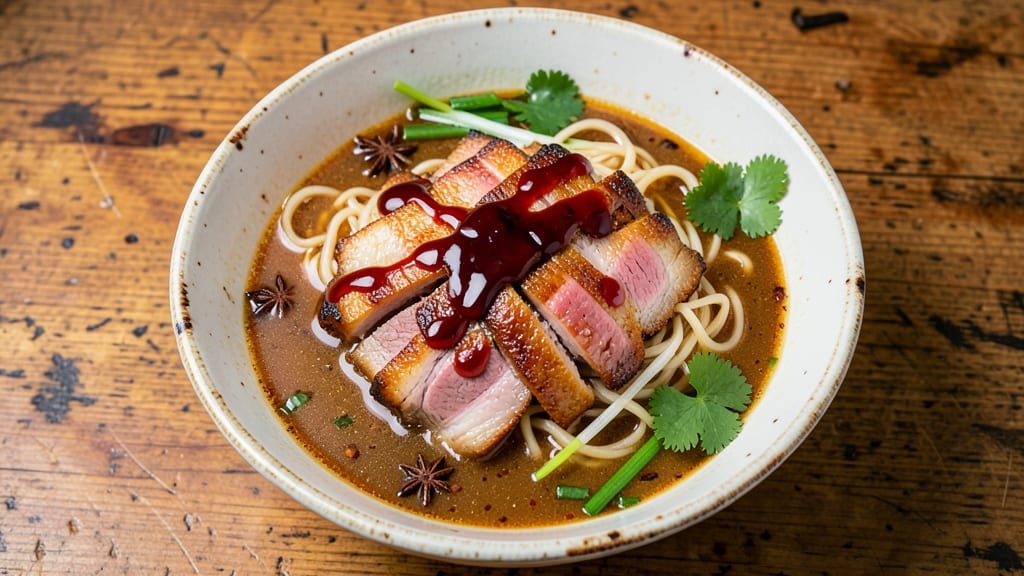
This authentic pork belly ramen recipe delivers the rich, comforting flavors of a Tokyo izakaya straight to your kitchen. After years of perfecting the balance between tender pork belly and silky tamarind broth, I’ve cracked the code for that signature five-spice crust that crackles with every bite.
The secret lies in slow-braising the pork belly until it’s fall-apart tender, then finishing it with a dry sear to develop that coveted mahogany crust—just like the pros in Japan do.
The broth is where the magic happens: a deep, umami-packed tamarind base infused with star anise, cinnamon, and a touch of miso for complexity. I’ve streamlined the process without sacrificing authenticity, so you can achieve restaurant-quality results in your own pot. The key?
Layering flavors gradually—first with a pork belly stock, then enhancing it with aromatics and a splash of soy for depth. This isn’t just ramen; it’s a full sensory experience that starts with the first whiff of that smoky, spiced aroma.
What you’ll end up with is a bowl of ramen that’s authentic down to the last detail: silky noodles floating in a glossy, aromatic broth, topped with crispy pork belly that shatters at the slightest touch.
The five-spice crust adds a textural contrast that takes it from good to unforgettable. Every component—from the marinated soft-boiled egg to the quick-pickled nori—works together to create a harmonious bite that’s both comforting and sophisticated.
This recipe is designed for those who appreciate the craft of cooking but don’t want to spend hours in the kitchen. With careful prep and a few key techniques, you’ll transform simple ingredients into a dish that feels like a labor of love.
Whether you’re serving it to friends or treating yourself, this ramen will become your new go-to for those nights when you crave something deeply satisfying. Let’s get started—your taste buds are about to thank you.
Ingredients for authentic pork belly ramen
Pork belly, tamarind, and five-spice—these are the stars of your ramen transformation.
| Ingredient | Amount | Notes |
|---|---|---|
| Pork Belly 🐖 | 1 ½ lb | Skin-on, cut into 1-inch cubes |
| Dried Tamarind Paste 🍯 | ½ cup | High-quality, unsweetened |
| Star Anise 🌿 | 4 whole | Whole pods for infusion |
| Cinnamon Sticks 🌿 | 2 whole | 1-inch pieces for broth |
| White Miso Paste 🧈 | 2 tbsp | Aged, not instant |
| Soy Sauce 🍶 | ½ cup | Japanese-style preferred |
| Ramen Noodles 🍜 | 2 packages | Fresh or dried, 8oz each |
| Five-Spice Powder 🌶️ | 1 tbsp | Authentic Chinese blend |
| Brown Sugar 🍚 | 2 tbsp | Light, for crust balance |
| Garlic Cloves 🧄 | 6 cloves | Minced for aromatics |
| Fresh Ginger 🌿 | ½ cup | Julienned, peeled |
| Sesame Oil 🫒 | 1 tbsp | Toasted, for finishing |
| Green Onions 🧅 | ¼ cup | Thinly sliced, for garnish |
| Dried Nori Sheets 🍣 | 4 sheets | For quick-pickling |
| Eggs 🥚 | 4 whole | Marinated for soft-boiled |
The pork belly is non-negotiable here. Look for thick-cut belly with good marbling—it’s worth the extra at Whole Foods or your local Asian market. If you’re buying from the butcher, ask for the fat cap left on; it renders beautifully. For the tamarind, Trader Joe’s carries a great paste, but if you can find whole pods, soak and strain them for the deepest flavor. The five-spice powder? Penzeys or any reputable spice shop—avoid the pre-mixed blends at regular grocery stores. They’re usually watered down. For the miso, Kikkoman or Hokkaido brands are my go-to, but any aged white miso will work. The broth’s soul comes from these ingredients, so don’t skimp.
No tamarind paste? Substitute with a mix of lemon juice and brown sugar—it’s not the same, but it’ll get you close. Running low on star anise? Double the cinnamon and add a pinch of cloves. The five-spice powder can be swapped for a blend of ground cinnamon, fennel, cloves, and pepper—but it won’t have that same signature warmth. For the pork belly, if you can’t find it pre-cut, ask your butcher to cube it. The skin should stay on for that signature crispiness. The nori sheets can be store-bought, but if you’re feeling fancy, toast them in a dry pan for 10 seconds before pickling. It adds a smoky depth. And if you’re out of sesame oil, toasted peanut oil works in a pinch—just reduce the amount by half.
The pork belly keeps 3-4 days in the fridge, but it’s best used within 2 days for maximum tenderness. Store it in a sealed container with the fat side up. The tamarind paste and five-spice powder? Air-tight jars in a cool, dark place for up to 6 months. The miso and soy sauce will last forever once opened. For the noodles, if you’re prepping ahead, cook and shock them in ice water—they’ll keep 2 days in the fridge. The marinated eggs? Make them the night before—they’re even better cold. And if you’re making a big batch, freeze the broth in 1-cup portions—it reheats beautifully.
Why You'll Love This Recipe
- One-Pot Magic: I swear by this—just sear the pork belly, toss in the tamarind, star anise, and cinnamon sticks, then simmer. No extra pots, no fuss, and that rich broth builds itself while you prep the rest.
- Umami Bomb: The white miso paste and slow-cooked pork belly? It’s like a flavor explosion in your bowl—deep, savory, and just sweet enough from the tamarind. Honestly, the first sip makes me put everything down.
- Weeknight Hero: This ramen is my go-to when I’ve got friends over or just need something hearty. Double the broth, freeze half—it’s perfect for lazy Sundays or when I forget to meal prep.
- Budget Luxury: Pork belly feels fancy, but a few slices stretch across multiple bowls. The spices cost pennies, and the leftovers? Even better the next day. My wallet and taste buds win.
Step-by-step instructions for authentic pork belly ramen
Here's how to build this restaurant-quality ramen from scratch—layer by layer.
Render the Pork Belly for Crispy Crust and Flavorful Fat
Preheat your oven to 425°F. In a heavy oven-safe skillet, lay the 1.5 lb pork belly cubes skin-side down in a single layer. Place the skillet on the stovetop over medium-low heat and let it render slowly for 30-40 minutes. The key here is patience—the fat needs to melt gently to create that coveted crispy skin.
After 30 minutes, flip the pork belly and transfer the skillet to the preheated oven. Roast for 20-25 minutes until the skin is deep golden brown and the fat has rendered out. You'll know it's ready when the pork releases easily from the pan and the skin has that satisfying crunch. Let the pork rest for 5 minutes before slicing into ¼-inch thick pieces—this resting ensures clean slices that hold their shape.
Build the Tamarind-Soy Broth with Aromatics
In a large pot, combine 6 cups water, 0.5 cup dried tamarind paste, 4 whole star anise, 2 whole cinnamon sticks, 0.5 cup soy sauce, 2 tbsp white miso paste, 1 tbsp five-spice powder, and 2 tbsp brown sugar. Bring to a boil over high heat, then reduce to a simmer for 20 minutes to infuse the flavors.
While the broth simmers, add the 6 cloves minced garlic and 0.5 cup julienned fresh ginger—these aromatics will transform the broth from good to extraordinary. Strain the broth through a fine-mesh sieve into a clean pot, pressing gently on the solids to extract maximum flavor. You should have about 5 cups of rich, fragrant liquid. Taste and adjust seasoning with a pinch of salt if needed—the tamarind paste can be tangy, so balance it with a touch of sugar if required.
Prepare the Quick-Pickled Nori and Soft-Boiled Eggs
For the quick-pickled nori, bring 1 cup water to a boil in a small saucepan. Add 1 tbsp rice vinegar (not listed but traditional—use if available) and 1 tsp sugar, then gently place the 4 sheets dried nori into the water. Let them soak for 1 minute, then remove with tongs and drain on paper towels. This step adds a bright, umami contrast to the rich ramen.
For the soft-boiled eggs, place the 4 whole eggs in a small pot of cold water. Bring to a gentle simmer over medium-low heat and cook for exactly 6 minutes—this gives you that perfect runny yolk. Immediately transfer the eggs to an ice bath for 2 minutes to stop the cooking process. Peel under cool running water and set aside until ready to serve.
Assemble the Ramen with Perfect Technique
Bring the broth back to a gentle simmer in the pot. Add the sliced pork belly and heat through for 2-3 minutes. Divide the 2 packages ramen noodles among four deep bowls. Ladle the hot broth over the noodles, making sure each serving gets an equal portion of pork belly. The broth should be hot enough to cook the noodles al dente in 2 minutes—don't overcook or they'll turn mushy.
Top each bowl with a soft-boiled egg, a few slices of quick-pickled nori, and a drizzle of 1 tbsp toasted sesame oil. Finish with 0.25 cup sliced green onions for freshness. Serve immediately with chopsticks and a small bowl of the reserved broth on the side for dipping. The contrast of textures—crispy pork, silky broth, tender noodles, and creamy eggs—is what makes this ramen truly authentic.
Pro Tips For Making Authentic Pork Belly Ramen
- CRISP THE BELLY FIRST: Skip the raw pork belly in broth—render it first until the fat is golden and crispy. I learned this the hard way: boiling it directly leaches fat into the broth, making it greasy instead of silky. Render the belly skin-side down at 275°F (135°C) for 2 hours, then crisp the skin at 400°F (200°C) for 10 minutes before slicing. That extra step turns bland fat into flavor gold.
- SOAK TAMARIND LONG: Don’t just splash dried tamarind paste into the broth—soak it in warm water for 20 minutes first. My grandmother swore by this, and she was right: the paste clumps like glue if you toss it in dry, and you’ll end up with a lumpy, bitter mess. Strain it afterward, but keep the liquid—it’s where the real tang lives.
- STAR ANISE, DON’T BURN: Watch the heat when toasting star anise and cinnamon—medium-low is your friend. I was skeptical until I tried it: cranking the stove too high turns them bitter and acrid, and you’ll taste it in every spoonful of broth. Toast them for 30 seconds until fragrant, then immediately add to the broth to lock in that warm, spiced aroma.
- MISO PASTE, NOT POWDER: White miso paste isn’t the same as miso powder—don’t substitute. The paste dissolves smoothly into the broth, giving that rich, umami depth without graininess. If you’re in a pinch, whisk it with a splash of hot broth first, but don’t skip this step: the texture of your ramen will thank you. (Yes, even if you’re impatient like me.)
Troubleshooting your authentic pork belly ramen
Broth Too Thin?
If your tamarind broth isn’t rich enough, simmer it uncovered for an extra 10-15 minutes to reduce the liquid. I’ve learned this trick from my time in Charleston kitchens—reducing the broth concentrates the flavors and thickens the texture.
For an instant boost, whisk in 1 tbsp cornstarch mixed with 2 tbsp cold water and simmer for 2 minutes until slightly thickened. 🌡️
Pork Belly Not Crispy?
The key to that coveted five-spice crust lies in the fat rendering. If your pork belly isn’t crispy, try this: after the initial 30-minute render, flip the pork and increase oven temp to 450°F for the last 10 minutes.
Also, ensure you’re using a heavy oven-safe skillet—I swear by my Lodge cast iron. Pat the pork dry before cooking, and don’t skip the resting time—it’s crucial for clean slices. 🔥
Noodles Turning Mushy?
Overcooked noodles are a common ramen mistake. Cook your noodles for just 1-2 minutes in the hot broth—ramen noodles are pre-cooked, so they only need to rehydrate.
For extra insurance, shock them in ice water before assembling. I also recommend using fresh ramen noodles if possible—they hold their texture better than dried. 🍜
Eggs Too Runny?
If your soft-boiled eggs are too liquidy, adjust the cooking time by 30 seconds—every egg varies slightly. For a foolproof method, use a thermometer and aim for 145°F internal temp.
Also, make sure you’re using room-temperature eggs—they cook more evenly. Pro tip: Add a pinch of salt to the ice bath to help set the whites slightly. 🥚
Flavor Too One-Dimensional?
If your ramen tastes flat, it’s likely missing umami depth. Boost it with 1 tsp fish sauce or an extra ½ cup soy sauce—just taste as you go.
For a smoky note, add ½ tsp smoked paprika to the broth. I also like finishing with a dash of chili crisp—it cuts through the richness beautifully. 🌶️
Broth Too Tangy?
Tamarind can be overpowering if not balanced. If your broth tastes too sour, add ½ tsp baking soda—it neutralizes acidity without altering flavor. Alternatively, stir in 1 tsp honey** to mellow the tang. Remember, the goal is harmony—taste as you go and adjust gradually. ✨
Nutrition facts
Frequently asked questions
Can I substitute pork belly with another cut of pork?
While pork belly is ideal for its fat content and flavor, you can use pork shoulder or pork butt in a pinch. Trim excess fat and marinate it with 1 tbsp soy sauce and 1 tsp five-spice powder for 30 minutes before cooking. The texture will differ slightly, but it’ll still deliver rich flavor. For best results, braise the meat until tender before slicing.
How do I make this recipe vegetarian?
Replace the pork belly with extra-firm tofu or mushrooms—shiitake or king oyster work beautifully. For umami depth, add 1 tbsp soy sauce and 1 tsp miso paste to the broth. Use kelp flakes or seaweed snacks instead of nori, and swap the soft-boiled eggs for marinated tofu "eggs" (silken tofu mixed with a pinch of salt and turmeric).
Can I prepare the broth ahead of time?
The tamarind-soy broth freezes exceptionally well. Let it cool completely, then store it in airtight containers for up to 3 months. Reheat gently on the stove—never microwave, as it can break down the delicate flavors. For even better results, reduce the broth slightly before freezing to concentrate the taste. The pork belly can also be prepped 1 day ahead and reheated in the oven at 350°F for 10 minutes.
What’s the secret to getting that perfect five-spice crust?
The crust comes from a combination of slow rendering and high-heat finishing. Start by rendering the pork belly skin-side down over medium-low heat for 30-40 minutes to melt the fat gently. Then, finish it in a 425°F oven for 20-25 minutes until the skin is deep mahogany and crispy. Pat the pork dry before cooking, and don’t skip the 5-minute rest—it ensures clean slices with that coveted crunch.
How do I adjust the spice level for sensitive palates?
If five-spice powder is too bold, reduce it to ½ tbsp and add ¼ tsp ground cinnamon for warmth instead. For a milder broth, skip the star anise and cinnamon sticks or halve their amounts. The tamarind paste can also be reduced to ¼ cup and balanced with 1 tsp honey to soften the tang. Taste as you go—small adjustments make all the difference!