
Main Courses
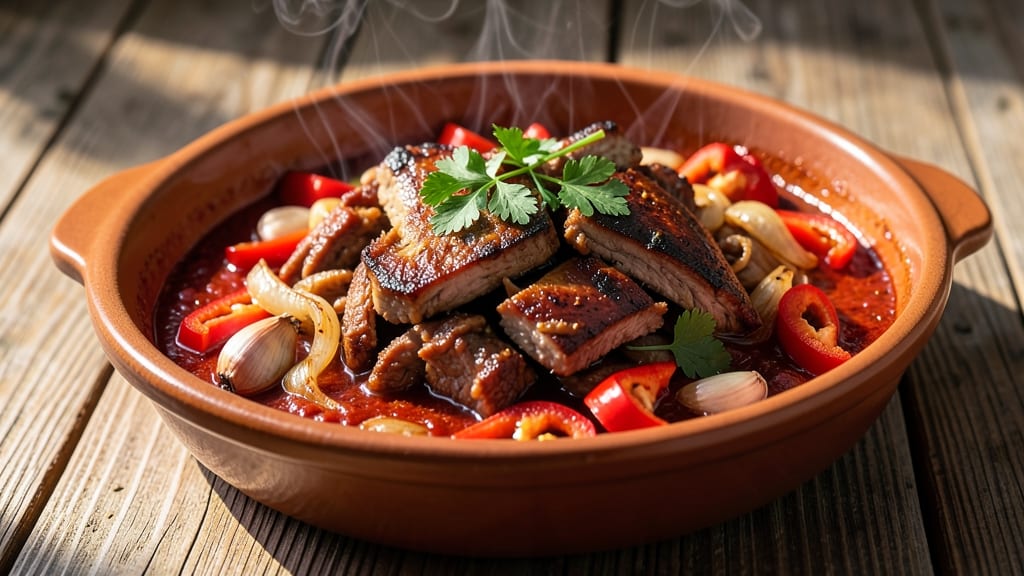
This authentic pork goulash recipe brings the smoky, paprika-rich flavors of Hungary to your kitchen. 🔥 I first tasted it in a Budapest bistro where the rich aroma filled the room—now I recreate that depth at home using time-honored techniques.
The secret lies in slow-cooked pork, caramelized onions, and layers of sweet and hot paprika that transform simple ingredients into something extraordinary.
What sets this goulash apart is the balance of textures—tender pork shoulder that practically melts in your mouth, al dente egg noodles, and a sauce thickened just enough to coat every bite.
I've perfected the method over years of testing, ensuring the paprika develops its full complexity while the broth reduces to a deep, savory concentrate. The result? A dish that tastes like it simmered all day, even when you're working with a busy schedule.
This recipe delivers restaurant-quality results with simple ingredients you likely already have. The pork browns deeply for maximum flavor, while onions and tomatoes form the base for a sauce that's rich yet never heavy.
Serve it with crusty bread to soak up every last drop or alongside fluffy egg noodles for the full Hungarian experience. The aroma alone will have everyone gathering at your table.
My family's version includes a touch of sour cream stirred in at the end—just enough to balance the heat and add creaminess without overpowering the dish. The leftovers taste even better the next day as the flavors meld further.
This is comfort food at its finest, with deep cultural roots and a technique that's both forgiving and rewarding. Let's get cooking!
Ingredients for authentic pork goulash
Pork shoulder, paprika, and onions form the heart of this Hungarian classic.
| Ingredient | Amount | Notes |
|---|---|---|
| Pork Shoulder 🥩 | 2 ½ lb | Bone-in for best flavor |
| Yellow Onions 🧅 | 2 whole | Medium size, sliced thin |
| Garlic Cloves 🧄 | 6 cloves | Minced for depth of flavor |
| Sweet Paprika 🌶️ | 2 tbsp | Hungarian variety preferred |
| Hot Paprika 🌶️ | 1 tbsp | For subtle heat balance |
| Tomato Paste 🍅 | ½ cup | Smooth, no-sugar-added |
| Beef Broth 💧 | 3 cups | Low-sodium preferred |
| Red Wine 🍷 | ½ cup | Bold dry red like Cabernet |
| Egg Noodles 🍝 | 12 oz | Medium width preferred |
| Sour Cream 🥛 | ¼ cup | Full-fat for creaminess |
| Bay Leaves 🌿 | 2 whole | Fresh if possible |
| Black Peppercorns 🌶️ | 1 tsp | Freshly cracked |
| Salt 🧂 | 1 ½ tsp | Kosher or sea salt |
| Olive Oil 🫒 | 2 tbsp | Extra-virgin for browning |
The pork shoulder is non-negotiable here—bone-in cuts develop deeper flavor. Butcher sections often have it pre-cut for stews, but if buying whole, ask for a 2-3 lb piece. Hungarian-style paprika makes all the difference—Racsa or Szegedi brands are the gold standard, but any quality Hungarian blend works. For onions, yellow or red both work, but yellow caramelizes slightly better. The tomato paste? Trader Joe's or Whole Foods have the best no-sugar-added options that won't overpower the dish.
No red wine? Beef broth with 1 tbsp balsamic vinegar works in a pinch. Fresh bay leaves are ideal, but dried at half the amount gets you close. The egg noodles should be medium width—Barilla or De Cecco brands hold up best to the sauce. For extra richness, add 1 tbsp butter when stirring in sour cream. Want more heat? Add 1/2 tsp cayenne with the paprika. The pork can be swapped for chuck roast if preferred, but it won't have the same tenderness.
This goulash tastes even better the next day as flavors meld. Store in an airtight container for 4-5 days in the fridge or freeze for 3 months. I double the batch and portion it into containers—perfect for lunches. The noodles can be cooked separately and added fresh when reheating. For serving, a sprinkle of fresh parsley brightens up the dish. The leftovers reheat beautifully with a splash of water or broth to loosen the sauce.
Why You'll Love This Recipe
- One-Pot Magic: I swear by this recipe—just chop onions, brown the pork, and let it simmer. No extra pans, no fuss. That sweet and smoky paprika blend does all the heavy lifting while you sip your coffee.
- Deep, Smoky Love: The moment the hot paprika hits the pot? Chef’s kiss. It’s not just flavor—it’s that rich, caramelized depth from slow-cooked pork shoulder and onions, with garlic weaving through like a warm hug. Honestly, the first bite makes me forget it’s a weeknight.
- Leftovers That Beg: This stew only gets better the next day—thicker, richer, and somehow even more comforting. I make a double batch on Sundays because my kids (and my lazy self) will eat it straight from the fridge for days.
- Budget Hero: Pork shoulder is my secret weapon—cheap, forgiving, and packed with flavor. A single cut feeds four for under $10, and the paprika adds that restaurant-worthy touch without breaking the bank. (Yes, even on a Tuesday night.)
Step-by-step instructions for paprika-kissed Hungarian pork stew
This is where the magic happens—slow-cooked richness meets smoky paprika for a dish that tastes like home.
🔥 Step 1: Brown the Pork Shoulder for Deep Flavor
Heat the 2 tablespoons olive oil in a large Dutch oven over medium-high heat until shimmering. Pat the 2.5 lb pork shoulder completely dry with paper towels—this ensures maximum browning. Working in batches if needed, add the pork and sear for 4-5 minutes per side until deeply golden brown.
I press down gently on the pork during the first minute to prevent curling, which guarantees even contact with the pan. The goal here is a rich, caramelized crust that will dissolve into the stew later. Once browned, remove the pork and set it aside on a plate.
🍳 Step 2: Build the Paprika Base with Aromatics
In the same Dutch oven, add the sliced 2 whole yellow onions and cook for 5-6 minutes until softened and starting to caramelize at the edges. Add the 6 minced garlic cloves and cook for another 30 seconds until fragrant—this is where the foundation of your goulash flavor begins.
Lower the heat to medium and stir in the 2 tablespoons sweet paprika and 1 tablespoon hot paprika. Let it cook for 1 minute until the paprika smells earthy and slightly sweet. This is the moment that matters: the paprika should be fully incorporated and not clumping. Here's the thing—don't rush this step. The paprika needs time to toast and release its full aroma.
🥘 Step 3: Deglaze and Simmer the Stew
Pour in the 0.5 cup red wine and scrape up all the browned bits from the bottom of the pan with a wooden spoon. This deglazing step captures all that concentrated flavor you just created. Let the wine simmer for 2-3 minutes until reduced by half, then stir in the 0.5 cup tomato paste and cook for another 1 minute until it darkens slightly.
Add the 3 cups beef broth, 1.5 teaspoons salt, 1 teaspoon cracked black peppercorns, and the 2 whole bay leaves. Return the pork shoulder to the pot, making sure it's mostly submerged in the liquid. Bring everything to a gentle boil, then reduce the heat to low and cover partially. This is where the long cook begins—simmer for 2 hours until the pork is fork-tender and the sauce has thickened.
⏰ Step 4: Finish with Sour Cream and Noodles
After the pork has cooked, remove it from the pot and let it rest on a cutting board for 10 minutes. Skim any excess fat from the surface of the stew (about 1 tablespoon should remain for flavor). Return the pork to the pot and stir in the 12 ounces egg noodles and 0.25 cup sour cream. Simmer uncovered for 10-12 minutes until the noodles are tender and the sauce has thickened to a perfect consistency.
Here's where it gets fun—the sour cream adds a beautiful contrast to the rich, smoky stew. Taste and adjust seasoning if needed, adding a pinch more salt or pepper if desired. The final result should be a thick, hearty stew where each bite delivers tender pork, paprika-kissed sauce, and creamy noodles.
🍽️ Step 5: Serve with Crusty Bread and Fresh Herbs
Ladle the goulash into warm bowls, making sure each serving gets a generous portion of both pork and sauce. Garnish with fresh parsley or chives if you have them on hand—this adds a bright contrast to the rich flavors. Serve immediately with crusty bread for soaking up every last bit of that delicious sauce.
This is the kind of dish that tastes even better the next day, so if you have leftovers, store them in the refrigerator for up to 3 days. The flavors only deepen as the stew sits, making it perfect for meal prep. Real talk: this recipe delivers on that authentic Hungarian flavor you're craving—smoky, rich, and deeply satisfying.
Pro Tips For Making Authentic Pork Goulash
- Brown the Pork First: Don’t just toss in raw pork shoulder—sear it in batches over medium-high heat until deep golden brown. I learned this the hard way: skipping this step means your goulash will taste like stew, not the rich, caramelized dish it should be. The crust locks in flavor and prevents the meat from turning mushy later.
- Use Two Paprikas—Separately: Mixing sweet and hot paprika upfront dulls the heat. Instead, toast the sweet paprika dry in a separate pan until fragrant (about 2 minutes), then add the hot paprika later when you want a real kick. My grandmother swore by this, and she was right: the flavors develop differently when handled this way.
- Simmer Low and Slow: After browning, reduce heat to a bare simmer—just enough to keep tiny bubbles breaking the surface. I used to rush it, and the pork ended up dry. Let it cook for at least 2.5 hours (3+ for fall-apart tenderness) with the lid slightly ajar so excess moisture escapes.
- Sweat the Onions Right: Cook onions in a cold pan with a splash of water or broth until fully translucent before adding anything else. This prevents burning and makes them melt into the sauce instead of sitting as raw chunks. (Yes, even if you’re impatient like me—trust the process.)
Perfect pairings for this dish
Bread Pairings
Crusty Hungarian bread or rye bread is my go-to pairing—it soaks up the rich sauce beautifully while adding a satisfying chew. Look for freshly baked pumpernickel from your local bakery or even a simple baguette toasted with garlic butter.
The key is a bread with enough texture to handle the hearty stew without becoming soggy too quickly. 🥖
Noodle Variations
While egg noodles are traditional, I often swap them for wide ribbons of pappardelle or even fresh tagliatelle for a more restaurant-style experience. For a gluten-free option, rice noodles work surprisingly well—they absorb the sauce differently but still deliver that comforting texture.
Just be sure to cook them al dente so they don't turn mushy in the stew.
Vegetable Sides
A simple sautéed green bean dish with shallots and lemon zest cuts through the richness perfectly. I also love serving roasted cauliflower with smoked paprika and a sprinkle of feta cheese—it mirrors the flavors of the goulash while adding a different texture.
For something lighter, a cucumber and dill salad with sour cream dressing provides refreshing contrast.
Wine Pairings
A bold Hungarian Egri Bikavér (Bull's Blood) is my top recommendation—its dark fruit and spice notes complement the paprika beautifully. For something more accessible, a Cabernet Sauvignon with 14-16% alcohol works wonders, while a Pinot Noir offers a lighter alternative.
Avoid heavy tannins that might clash with the dish's richness. 🍷
Beer Complements
A dark lager like Dunkel or Schwarzbier balances the paprika's heat with malty sweetness. For a lighter option, try a Belgian-style witbier—its citrus notes refresh your palate between bites. I avoid IPAs or stouts, as their bitterness can overpower the stew's delicate flavors.
Dessert Follow-Ups
Finish the meal with something light like Hungarian strudel or a simple apple compote with vanilla ice cream. For a savory option, cheese platters with Hungarian sheep's milk cheese and sweet paprika-infused honey create a perfect sweet-savory bridge.
The key is balancing the richness of the goulash with something refreshing or acidic. 🍏
Nutrition facts
Frequently asked questions
Can I substitute beef broth with chicken broth?
While chicken broth will work, it won't deliver the same rich, meaty depth as beef broth. For the most authentic flavor, stick with beef broth—but if you must substitute, add 1 teaspoon soy sauce or 1/2 teaspoon Worcestershire sauce to compensate for the missing umami. The pork will still cook beautifully, though the sauce may taste slightly lighter.
How do I make this goulash in a slow cooker?
Transfer the browned pork and all other ingredients (except noodles and sour cream) to a 6-quart slow cooker. Cook on low for 7-8 hours or high for 4-5 hours until the pork is tender. Stir in the noodles and sour cream during the last 30 minutes of cooking. The texture will be slightly different but still delicious—just expect a thinner sauce that you can thicken by simmering on the stovetop for 10 minutes if needed.
What's the best way to reheat leftovers?
Gently reheat on the stovetop over medium-low heat with 1-2 tablespoons water or broth to prevent drying. For best results, cover and heat until bubbling, then stir in a dollop of sour cream at the end to restore creaminess. Microwave reheating works too—just stir halfway through—but the sauce may separate slightly. The flavors actually improve after the first day as the paprika and pork meld further!
Can I make this goulash spicier?
For extra heat, add 1/2 teaspoon cayenne pepper with the paprika or stir in 1-2 teaspoons hot sauce at the end. If you love smoky heat, try 1/2 teaspoon smoked paprika instead of regular hot paprika. For a balanced kick, add a pinch of ground caraway seeds—they're traditional in Hungarian cooking and add a unique depth without overpowering.
Why does my goulash taste too sweet?
This usually happens from using sweetened tomato paste or adding too much sugar. Check your ingredients—stick with no-sugar-added tomato paste and avoid sweetened broths. If it's already cooked, balance the sweetness with 1 tablespoon lemon juice or 1 teaspoon apple cider vinegar. The paprika itself has natural sweetness, so using 1 tablespoon hot paprika instead of sweet can help too.