
Main Courses
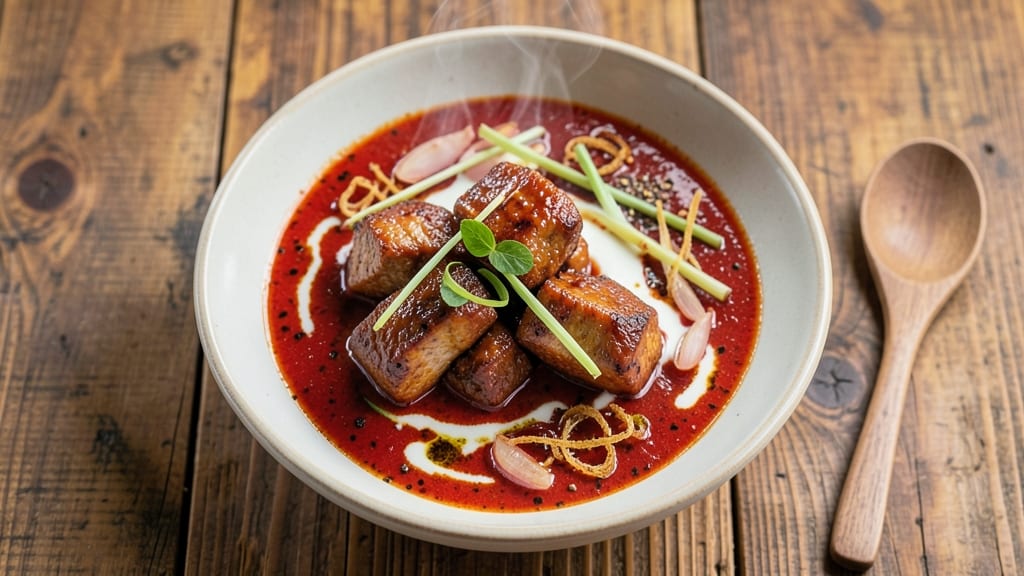
This authentic Thai red curry pork recipe with coconut milk delivers the perfect harmony of spicy, creamy, and aromatic flavors in a single pot. The secret lies in balancing traditional Thai curry paste with rich coconut milk, creating a dish that's both restaurant-worthy and simple to make at home.
I've refined this recipe over countless batches, ensuring the heat is balanced and the sauce remains velvety without being overly sweet.
The foundation starts with a proper curry paste—store-bought works, but fresh paste elevates the dish with deeper, more complex flavors. Pork shoulder breaks down beautifully during the long simmer, while aromatics like lemongrass, galangal, and kaffir lime leaves infuse the sauce with their signature Thai essence.
The coconut milk adds creaminess, but the real magic happens when you adjust the sweetness and salt to perfection.
By the end, you'll have tender pork swimming in a vibrant red sauce that's fragrant, spicy, and just sweet enough. The texture is creamy yet not heavy, with a subtle depth that comes from slow cooking.
Serve it over steamed jasmine rice, garnished with fresh cilantro and lime wedges, for an experience that transports you straight to Bangkok.
This recipe is designed to be approachable for home cooks while staying true to Thai traditions. Whether you're feeding a family or hosting dinner guests, the one-pot method ensures minimal cleanup and maximum flavor. Let's get cooking—your taste buds will thank you.
Ingredients for authentic thai red curry pork recipe with coconut milk
These vibrant ingredients transform into a creamy, aromatic Thai red curry that's restaurant-quality at home.
| Ingredient | Amount | Notes |
|---|---|---|
| Pork Shoulder 🥩 | 1 ½ lb | Bone-in for flavor, cut into 1.5-inch cubes |
| Red Curry Paste 🌶️ | ¼ cup | Store-bought or homemade, vibrant red color |
| Coconut Milk 🥥 | 1 can | 13.5 oz can, full-fat for creaminess |
| Lemongrass 🌿 | 1 whole | White part only, cut into 2-inch pieces |
| Galangal 🌿 | 1 whole | Substitute ginger if unavailable |
| Kaffir Lime Leaves 🍋 | 4 pieces | Torn into strips, not whole leaves |
| Thai Eggplant 🍆 | 1 whole | Substitute regular eggplant if needed |
| Bell Peppers 🌶️ | 1 whole | Red or green, sliced into strips |
| Garlic Cloves 🧄 | 6 cloves | Minced for aromatic depth |
| Fish Sauce 🍶 | 1 tbsp | Red Boat brand preferred |
| Palm Sugar 🍯 | 1 tbsp | Substitute brown sugar if unavailable |
| Jasmine Rice 🍚 | 1 ½ cups | Uncooked, for serving |
| Fresh Cilantro 🌿 | ¼ cup | Chopped for garnish |
| Lime Wedges 🍋 | 2 pieces | For serving |
| Vegetable Oil 🫒 | 2 tbsp | For cooking pork |
The curry paste is your flavor foundation—Maesri or Maesan are my go-tos, but any quality brand works. Look for deep red color and no added sugar. Pork shoulder is a must; bone-in cuts stay juicier during the long simmer. For lemongrass and galangal, Asian markets have the freshest, but if you're stuck, ginger works in a pinch (use twice the amount). Kaffir lime leaves? Trader Joe's sells them frozen—perfect for when fresh isn't available. The Thai eggplant adds texture, but regular eggplant in similar shape works fine.
No fish sauce? Soy sauce at half the amount gets you close, though the umami won't be identical. Palm sugar hard to find? Brown sugar or coconut sugar are perfect substitutes. The coconut milk should be full-fat—canned varieties like Thai Kitchen are ideal, and you'll use both the thick and thin parts. For extra heat, add a pinch of chili flakes or a dash of hot sauce at the end. The bell peppers can be swapped for bamboo shoots if you prefer a more traditional texture.
This curry tastes even better the next day, so make extra. Store in airtight containers for 4-5 days in the fridge or freeze for 3 months. I always double the batch—half for dinner, half for lunches. The rice? Cook it in advance and reheat with a splash of water. Garnish with cilantro and lime right before serving—the acidity brightens all the flavors. Leftovers reheat beautifully; just add a splash of water or coconut milk if the sauce thickens too much.
Why You'll Love This Recipe
- One-Pot Magic: The pork shoulder melts into tender shreds while the curry simmers—no extra pots, no fuss. I toss everything in one deep skillet, let it work its own magic, and end up with rich, fragrant layers that taste like a restaurant’s secret.
- Creamy-Spicy Balance: That first spoonful of coconut milk cutting through the heat? Chef’s kiss. The galangal adds this earthy depth, while the lemongrass brightens it up—like a hug for your taste buds. Honestly, it’s the kind of flavor that makes you pause mid-bite.
- Weeknight Workhorse: I’ve served this to tired friends after soccer practice, over for game night, and even as a lazy Sunday lunch. It’s hearty enough for a crowd but simple enough to throw together when I’m too wiped to plan dinner.
- Leftovers That Don’t Suck: Between us, most curry leftovers turn into sad, watery meals. Not this one. The pork stays juicy, the coconut milk thickens just right, and I’ve reheated portions for days—still packing that same bold punch. Budget-friendly? Absolutely.
Step-by-step instructions for Thai red curry pork
Here's how to create a restaurant-quality Thai red curry with perfectly balanced heat and creamy richness.
Prepare the Pork and Aromatics
Cut the 1.5 lb pork shoulder into 1.5-inch cubes—this size ensures even cooking and tender meat. Pat the cubes dry with paper towels to help them brown properly in the oil.
For the aromatics, use only the white part of the lemongrass, cutting it into 2-inch pieces. Peel the galangal (about 3 inches of the root) and slice it into ¼-inch thick rounds. Tear the 4 pieces kaffir lime leaves into strips rather than leaving them whole—this releases more flavor into the curry. Finally, mince the 6 cloves garlic finely so they dissolve into the sauce rather than remaining whole.
Brown the Pork and Build the Curry Base
Heat the 2 tablespoons vegetable oil in a large, heavy-bottomed pot over medium-high heat. Once shimmering, add the pork cubes in a single layer, letting them sear undisturbed for 2-3 minutes until they develop a deep golden crust. This step is crucial—it locks in flavor and prevents the pork from becoming greasy.
Remove the pork from the pot and set it aside. In the same pot, add the 0.25 cup red curry paste and stir for 1 minute until fragrant. This activates the spices and prevents them from tasting raw. Add the lemongrass, galangal, kaffir lime leaves, and minced garlic, cooking for another 30 seconds until everything is sizzling and aromatic.
Simmer the Curry with Coconut Milk
Pour in the 1 can coconut milk, scraping up any browned bits from the bottom of the pot. Add the 1 tablespoon fish sauce and 1 tablespoon palm sugar, then return the pork to the pot. Bring the mixture to a gentle simmer over medium heat, then reduce to low heat. Let it cook uncovered for 45-50 minutes, stirring occasionally, until the pork is tender and the sauce has thickened slightly.
Here's the thing—don't rush this step. The coconut milk needs time to meld with the spices, and the pork must break down into tender, pull-apart pieces. If the sauce starts to look too thin, you can reduce it further by simmering uncovered for an extra 5-10 minutes. The curry is ready when the pork easily slides off the bone.
Add Vegetables and Finish the Curry
Cut the 1 whole Thai eggplant into 1-inch cubes and slice the 1 whole bell pepper into ½-inch strips. Add these to the curry along with the seared pork and simmer for 10-12 minutes until the vegetables are tender but still hold their shape. The eggplant should absorb the rich, spiced coconut milk while maintaining a slight bite.
Taste the curry and adjust the seasoning if needed. If it needs more heat, add a pinch of red pepper flakes or a splash more fish sauce. If it's too sweet, balance it with a little more palm sugar. The curry should be creamy, aromatic, and perfectly balanced between sweet, spicy, and savory.
Serve with Jasmine Rice and Garnish
Cook the 1.5 cups jasmine rice separately according to package instructions—it should be fluffy and slightly sticky. To serve, ladle the curry over the rice, ensuring each bite gets a generous amount of sauce and tender pork. Garnish with the 0.25 cup chopped fresh cilantro and serve with the 2 lime wedges on the side for a bright, tangy finish.
This curry is best enjoyed immediately while the rice is hot and the flavors are at their peak. The combination of tender pork, creamy coconut milk, and aromatic spices creates a dish that's both comforting and full of authentic Thai flavor. Don't forget to save some for leftovers—the flavors only deepen overnight!
Pro Tips For Making Authentic Thai Red Curry Pork Recipe With Coconut Milk
- Bloom the Paste First: I learned this the hard way—skipping the 2-3 minute fry in oil until the paste turns aromatic and deepens in color. Use medium heat, stir constantly, and resist the urge to rush; this step builds the foundation for flavor. (Yes, even if you're impatient like me.)
- Slice Pork Thinly: Cut the pork shoulder against the grain into ¼-inch strips—thinner than you think. Thick chunks stay chewy no matter how long you simmer, and this is one curry where tenderness matters most. A sharp knife and steady hand make all the difference.
- Don’t Boil the Coconut Milk: After adding coconut milk, keep the heat at a gentle simmer—never a rolling boil. The curry will thicken naturally, and boiling risks breaking the milk, turning your sauce grainy. Stir occasionally and let it work its magic.
- Toast Galangal and Lemongrass: Give those stalks a quick 30-second char in a dry pan before adding them to the paste. The smoky depth they add? Non-negotiable. Just scrape off the outer layer first—it’s tough and won’t soften. (Your future self will thank you.)
Health benefits of this recipe
Balanced Protein Source
This Thai red curry delivers a substantial 25-30 grams of protein per serving thanks to the pork shoulder, making it an excellent choice for muscle repair and satiety.
The slow cooking process ensures the protein breaks down into easily digestible amino acids, while the coconut milk adds healthy fats that help your body absorb these nutrients more efficiently. 💪
Anti-Inflammatory Spices
The curry paste contains turmeric, galangal, and lemongrass—all known for their anti-inflammatory properties. Turmeric's curcumin content helps reduce inflammation in the body, while galangal (a relative of ginger) aids digestion and may help lower blood sugar levels.
These spices work together to create a flavor profile that's both delicious and beneficial for overall health.
Heart-Healthy Fats
The full-fat coconut milk provides medium-chain triglycerides (MCTs), which are metabolized quickly by the liver and used as an immediate energy source rather than stored as fat. These healthy fats also support brain function and may help reduce LDL ("bad") cholesterol levels when consumed as part of a balanced diet.
The combination of coconut milk and lean pork creates a heart-smart flavor profile.
Digestive Aid Benefits
Galangal and kaffir lime leaves in the curry contain compounds that stimulate digestion and may help relieve bloating. The ginger-like properties of galangal make this dish particularly soothing for those with sensitive stomachs, while the lime leaves add a citrusy brightness that aids in nutrient absorption.
Fresh cilantro as a garnish adds even more digestive benefits through its high chlorophyll content.
Rich in Antioxidants
The vibrant red color of the curry comes from chilies and spices packed with antioxidants like capsaicin and vitamin C. These compounds help combat oxidative stress in your body, supporting cellular health and potentially reducing the risk of chronic diseases.
The bell peppers in the recipe add even more vitamin C, creating a flavorful antioxidant powerhouse in every bite. 🌶️
Blood Sugar Regulation
The combination of palm sugar and fiber-rich vegetables like eggplant helps create a balanced blood sugar response. Unlike refined sugars, palm sugar contains small amounts of minerals that may help moderate glucose spikes.
The slow-cooked pork and coconut milk create a satisfying meal that helps stabilize blood sugar levels when paired with the recommended portion of jasmine rice. This makes the curry particularly suitable for those monitoring their carbohydrate intake.
Nutrition facts
Frequently asked questions
Can I substitute chicken or tofu for the pork?
For chicken, use 1.5 lbs boneless thighs (they stay juicier than breasts) and reduce cooking time to 25-30 minutes after adding coconut milk. For tofu, press and pan-fry extra-firm tofu first to get crispy edges, then simmer for 15 minutes in the curry. The key is adjusting cooking time—meat needs longer to tenderize, while tofu absorbs flavors quickly. →→
How do I adjust the spice level if it's too hot?
Start by adding 1-2 tablespoons coconut milk to dilute the heat. For extra cooling, stir in 1 teaspoon palm sugar or a splash of lime juice. If you prefer milder curry paste, reduce the amount to 2 tablespoons next time. Always taste as you go—Thai curries are meant to be balanced, not overwhelming. →
What's the best way to reheat leftovers?
Reheat gently in a saucepan over low heat with 1-2 tablespoons water or coconut milk to prevent drying. Never microwave uncovered—cover with a damp paper towel first. For extra richness, add a splash of coconut milk when reheating. Leftovers taste even better the next day as flavors meld further! →
Can I make this curry without fresh galangal or kaffir lime leaves?
Yes! Replace galangal with double the amount of ginger (about ½-inch slices) and use 1 tablespoon lime zest + 1 teaspoon lime juice instead of kaffir lime leaves. While not identical, these substitutes maintain the dish's aromatic depth. For maximum authenticity, try finding frozen kaffir lime leaves at Asian markets. →
Why did my curry turn out too sweet?
This often happens when using store-bought curry pastes with added sugar or when overcompensating with palm sugar. Balance it by adding ½ teaspoon fish sauce (for umami) and ¼ teaspoon salt. Next time, taste the curry paste before adding it—adjust sweetness by reducing palm sugar to ½ tablespoon if needed. The sauce should taste slightly sweet but not cloying. →