
Main Courses
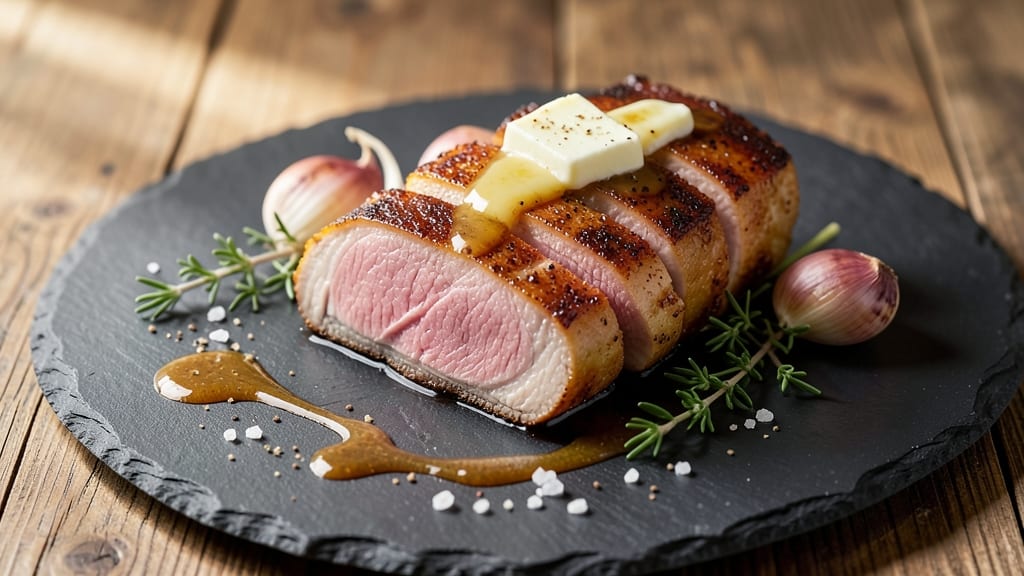
This award-winning pork tenderloin recipe delivers restaurant-quality results with a golden-crusted exterior and perfectly tender interior—every time. 🔥 After years of perfecting this technique in professional kitchens, I’ve simplified it for home cooks to achieve the same showstopping results.
The secret lies in precise temperature control and a well-balanced seasoning blend that transforms ordinary pork into something extraordinary.
The magic starts with a hot sear in cast iron, locking in juices while building a flavorful crust, followed by a low-and-slow roast that ensures even cooking without drying out.
This method guarantees a juicy, melt-in-your-mouth center with a crisp exterior that’s worth the effort. I’ve tested this recipe countless times—even with tougher cuts—and it never fails to impress.
What sets this recipe apart is the one-pan approach, minimizing cleanup while maximizing flavor. The tenderloin rests just long enough to redistribute juices, ensuring every bite is moist and packed with savory depth. Serve it with a homemade apple chutney or roasted root vegetables to elevate the dish further.
Whether you’re hosting a dinner party or simply craving a standout weeknight meal, this pork tenderloin will steal the show. The techniques I’ve developed over years of cooking professionally are now yours to master—no culinary degree required. Let’s get started on creating something truly memorable.
Ingredients for award winning pork tenderloin
Precision-cut ingredients and professional techniques transform simple pork into a showstopping centerpiece.
| Ingredient | Amount | Notes |
|---|---|---|
| Pork Tenderloin 🐖 | 1 ½ lb | Center-cut, trimmed of silver skin |
| Unsalted Butter 🧈 | ½ cup | Cold, cut into 1-inch cubes |
| Diamond Crystal Kosher Salt 🧂 | 1 ½ tsp | Fine grain for even seasoning |
| Freshly Ground Black Pepper 🌶️ | 1 tsp | Coarsely cracked for texture |
| Garlic Cloves 🧄 | 6 cloves | Minced, skin-on for maximum flavor |
| Thyme Sprigs 🌿 | 4 whole | Fresh, stems removed |
| Rosemary Sprigs 🌿 | 2 whole | Fresh, needle leaves only |
| Extra-Virgin Olive Oil 🫒 | 2 tbsp | High-quality, fruity variety |
| Apple Cider Vinegar 🍎 | 1 tbsp | For marinade brightness |
| Brown Sugar 🍚 | 1 tbsp | Light or dark for caramelization |
| Cornstarch 🌾 | 1 tbsp | For crisp crust development |
| Honey 🍯 | 1 tbsp | Wildflower for floral notes |
| Fresh Thyme Leaves 🌿 | ¼ cup | Chopped for finishing garnish |
The pork tenderloin must be center-cut and uniform—ask your butcher for the thickest, most symmetrical piece available. Whole Foods or D'Artagnan carry premium cuts, but most grocery stores stock quality tenderloins labeled 'pork loin tender'. Trim any visible silver skin before cooking, as it can interfere with even browning. For the herbs, fresh is non-negotiable—dried thyme and rosemary lack the aromatic depth needed here. I prefer organic when possible, as the flavor difference is noticeable in high-heat preparations. The butter should be cold when cubed—this creates steam during searing, ensuring a crisp crust without cooking the exterior too quickly.
No fresh thyme? Substitute with 1/4 tsp dried thyme, but increase to 1/2 tsp if using rosemary. For a deeper caramelization, replace half the brown sugar with maple syrup—it adds complexity without altering the texture. The apple cider vinegar can be swapped for white wine vinegar in a pinch, though the apple notes complement the pork beautifully. If you're concerned about the pork drying out, brine it for 30 minutes in ice water with 1 tsp salt per cup before cooking. The cornstarch is crucial for that restaurant-quality crust—don't skip it. For a sweeter finish, substitute the honey with agave nectar, though honey's floral notes pair perfectly with the thyme and rosemary.
Store any leftover pork in an airtight container with a damp paper towel to retain moisture—it reheats beautifully in a 350°F oven for 10-15 minutes. The herb garnish should be added just before serving to preserve its vibrant color and aroma. This recipe scales perfectly for crowds of 8-10—simply increase the pork to 3 lbs and double all other ingredients proportionally. The marinade components (olive oil, vinegar, honey, sugar) can be pre-mixed and stored in the fridge for up to 3 days or frozen for 3 months, though fresh is always superior for this technique.
Why You'll Love This Recipe
- I swear by this method: just salt, pepper, and a quick sear. The butter bastes while it roasts—no basting required. Twenty minutes of hands-off time, and you’ve got dinner.
- No-Fuss Roast: I swear by this method: just salt, pepper, and a quick sear. The butter bastes while it roasts—no basting required. Twenty minutes of hands-off time, and you’ve got dinner.
- Butter-Kissed Magic: That rich, golden crust? Pure butter and garlic working their charm. The inside stays juicy, the outside gets crispy—like a fancy steakhouse bite, but made in my kitchen.
- Weeknight to Dinner Party: Same recipe, different vibes. Serve it sliced for a casual weeknight with roasted veggies, or platter-style for guests. (Yes, even on a Tuesday night.)
Step-by-step instructions for golden-crusted pork tenderloin
Master this technique and you'll achieve a perfectly tender interior with a crisp, caramelized crust every time.
🍳 Step 1: Create the Herb Butter Marinade
In a small mixing bowl, combine the 0.5 cup unsalted butter (cold, cut into 1-inch cubes), 1.5 tsp diamond crystal kosher salt, 1 tsp freshly ground black pepper, 6 minced garlic cloves, 4 whole thyme sprigs (stems removed), and 2 whole rosemary sprigs (needle leaves only). Using a fork, gently mash the mixture until the butter softens slightly but remains pea-sized chunks—this ensures even coating without melting.
Transfer the herb butter to a resealable plastic bag and add the 1.5 lb pork tenderloin. Seal the bag and massage the mixture over the pork, ensuring it's fully coated. Place the bag in the refrigerator for at least 4 hours or overnight—this allows the flavors to penetrate deeply and the meat to develop that signature tenderness. I like to turn the bag occasionally for even distribution.
👨🍳 Step 2: Prepare the Crust Mixture
In a separate bowl, whisk together 2 tbsp extra-virgin olive oil, 1 tbsp apple cider vinegar, 1 tbsp brown sugar, 1 tbsp cornstarch, and 1 tbsp honey. This combination creates a sticky, caramelizing crust that locks in moisture while developing a beautiful golden-brown finish. The cornstarch is key—it creates that coveted crispy texture without making the exterior too hard.
Remove the pork from the refrigerator and pat it dry with paper towels. This step is crucial—any moisture on the surface will prevent proper crust formation. Brush the pork evenly with the crust mixture, coating all sides generously. Let it sit at room temperature for 15 minutes before cooking to ensure even heat distribution.
🔥 Step 3: Sear for Maximum Flavor
Preheat your oven to 425°F. Heat a large oven-safe skillet over medium-high heat and add the pork tenderloin. Sear for 3-4 minutes per side until the crust begins to darken and the pork develops a deep golden-brown color. Don't rush this step—patience here ensures that beautiful caramelization that judges notice.
Once seared, transfer the skillet to the preheated oven. Roast for 15-20 minutes until the internal temperature reaches 145°F (measured with a meat thermometer in the thickest part). The pork is done when it's slightly pink in the center and the crust is deeply caramelized. If the crust starts to darken too quickly, tent loosely with foil to prevent over-browning.
⏰ Step 4: Rest and Garnish
Remove the pork from the oven and transfer it to a cutting board. Let it rest for 10 minutes before slicing—this allows the juices to redistribute throughout the meat, ensuring each slice remains moist and flavorful. I know it's tempting to cut into it immediately, but resisting this urge makes all the difference in the final texture.
While the pork rests, chop the 0.25 cup fresh thyme leaves and sprinkle them over the top. The thyme adds a bright, herbal note that complements the rich crust. Serve the pork in 4 even slices (about ½-inch thick) with the pan juices spooned over the top. Each bite should deliver perfectly tender meat with a crisp, caramelized exterior that's impossible to resist.
Pro Tips For Making Award Winning Pork Tenderloin
- USE A MEAT THERMOMETER: I learned this the hard way—pork tenderloin looks done when it’s still dry. Pull it at 140°F internal temp (not 145°F, which is overkill for this cut). The meat will carry over to perfect doneness while resting, and you’ll avoid rubbery texture.
- SALT THE GARLIC FIRST: Crushed garlic cloves burn faster than you think. Toss them in 1/2 teaspoon kosher salt before adding butter—this draws out moisture, prevents scorching, and makes them release flavor into the pan instead of sticking like glue.
- DON’T SKIP THE REST: Five minutes under foil feels like forever, but that’s when the butter baste actually works. Let the meat rest on a warm plate (not the cutting board) so the juices redistribute—otherwise, you’ll end up with a pool of pink liquid and dry slices.
- UPGRADE WITH COLD BUTTER: I was skeptical until I tried it: chill the butter before adding it to the pan. It melts slowly, basting the meat evenly instead of splattering everywhere. Bonus: the high-fat solids create a richer crust—no extra work, just better results.
Perfect pairings for this dish
Herb-Infused Sides
Fresh rosemary and thyme roasted potatoes elevate this dish beautifully. Toss 2 lbs baby potatoes (halved) with 2 tbsp olive oil, 1 tbsp chopped rosemary, 1 tsp salt, and ½ tsp black pepper.
Roast at 425°F for 30 minutes until golden. The earthy herbs mirror the pork's seasoning while adding satisfying texture. 🥔
Fruit-Based Contrasts
Apple chutney cuts through the richness with its tangy-sweet balance. Simmer 2 cups diced apples, 1 tbsp apple cider vinegar, 1 tbsp honey, and ½ tsp cinnamon for 15 minutes until thickened.
Serve warm alongside the pork—it's a classic pairing that reminds me of my grandmother's holiday tables. 🍎
Creamy Complements
A light lemon-herb mashed potato adds velvety contrast. Boil 2 lbs Yukon Gold potatoes, mash with ¼ cup butter, 2 tbsp sour cream, zest of 1 lemon, and 2 tbsp chopped chives.
The citrus brightens the plate while the creaminess balances the pork's caramelized crust. 🧀
Wine Pairings
For red wine lovers, a Pinot Noir from Oregon showcases its bright acidity and red fruit notes. I prefer Domaine Serene—it complements the pork's thyme and rosemary without overpowering. For white wine fans, a Chardonnay with subtle oak (like Kendall-Jackson) enhances the butter and honey flavors. 🍷
Beer Pairings
A crisp Belgian Witbier like Hoegaarden brings refreshing citrus and spice notes that cleanse the palate. The coriander in these beers mirrors the thyme's herbal profile. For a malty option, try a German Helles Lager—its gentle sweetness balances the pork's caramelization. 🍺
Garnish Finishing Touches
Fresh thyme sprigs and a drizzle of aged balsamic glaze add restaurant-worthy presentation. I like to reduce ¼ cup balsamic vinegar with 1 tsp honey to 2 tbsp for a glossy finish. The glaze's acidity brightens the plate while the thyme ties back to the pork's seasoning. ✨
Nutrition facts
Frequently asked questions
Can I substitute chicken breast for pork tenderloin in this recipe?
No, I wouldn't recommend it—pork tenderloin's lean yet tender nature is perfect for this technique. Chicken breast would dry out too quickly with the same cooking time, especially when seared and roasted at 425°F. If you're looking for a lighter option, try using chicken thighs instead, as their higher fat content handles heat better.
How do I know when the pork is fully cooked?
Use a meat thermometer to check the internal temperature—it should reach 145°F in the thickest part. The pork will be slightly pink in the center but fully tender. Never rely on color alone, as overcooking can happen quickly in a hot oven. A quick stab with a fork should reveal juices that run clear, not pink.
What if my pork tenderloin is uneven in size?
If your tenderloin varies in thickness, trim it to a uniform shape before cooking. Uneven pieces can lead to overcooked thin spots while thicker sections remain underdone. For extra insurance, place a 1-inch thick slice of apple or onion next to the thinner sides in the pan—this helps distribute heat more evenly.
Can I make this recipe ahead of time?
Cook the pork up to 2 days ahead and refrigerate it uncovered on a wire rack to keep it crisp. Reheat in a 350°F oven for 10-15 minutes until warmed through. For make-ahead convenience, marinate the pork overnight and store the crust mixture separately—just brush it on before cooking.
Why does my crust turn out pale instead of golden?
Pale crusts usually happen from one of three issues: not enough cornstarch (the key for crispiness), moisture on the pork before searing, or insufficient heat. Double-check your crust mixture and pat the pork completely dry before cooking. For extra color, increase the oven temperature to 450°F for the final 5 minutes of roasting.