
Main Courses
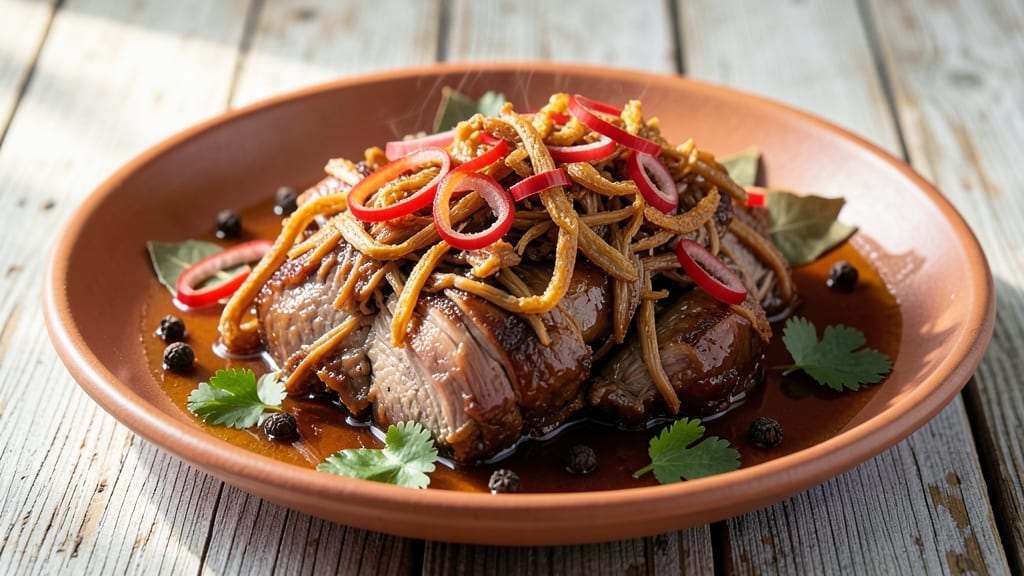
This Bajan pork souse recipe delivers tender, vinegar-braised pork bites with crispy edges that taste like a Caribbean sunset. 🌅 I first encountered it during my time in the Caribbean, where the combination of pickling spices and slow-cooked pork creates a dish that's both comforting and complex—perfect for gatherings or as a standout main course.
The magic happens through a three-stage process: curing the pork with a spiced vinegar brine, then slow-cooking it until fork-tender before achieving those signature crispy edges.
This method transforms tough cuts into melt-in-your-mouth bites with a tangy, aromatic profile that's uniquely Bajan. The key is patience—letting the flavors develop over time.
By the time you're done, you'll have a dish that's rich in tradition yet approachable for home cooks. The pork keeps well in the fridge, making it ideal for meal prep, and pairs beautifully with classic sides like breadfruit, cou-cou, or a spicy pepper sauce.
It's the kind of recipe that earns its place at the table.
Whether you're serving it at a family dinner or bringing it to a potluck, this pork souse delivers restaurant-quality results with a fraction of the effort. Let's get started on creating this Caribbean classic in your own kitchen.
Ingredients for bajan pork souse
Six ingredients transform tough pork into melt-in-your-mouth Caribbean bites with crispy edges.
| Ingredient | Amount | Notes |
|---|---|---|
| Pork Shoulder 🥩 | 3 lb | Bone-in for flavor, cut into 2-inch cubes |
| White Vinegar 💧 | 1 ½ cups | Distilled white vinegar preferred |
| Brown Sugar 🍚 | ½ cup | Packed, light or dark |
| Allspice Berries 🌶️ | 1 tbsp | Crushed, whole berries work too |
| Bay Leaves 🍃 | 4 whole | Fresh preferred if available |
| Garlic Cloves 🧄 | 6 cloves | Smashed, not minced |
| Scotch Bonnet Peppers 🌶️ | 2 whole | Seeds removed, halved |
| Thyme Sprigs 🌿 | 4 whole | Fresh thyme preferred |
| Ginger Root 🌿 | 1 inch | Fresh, peeled, sliced thin |
| Salt 🧂 | 1 ½ tbsp | Kosher or sea salt |
| Black Peppercorns 🌶️ | 1 tsp | Crushed, not ground |
| Olive Oil 🫒 | 2 tbsp | For crisping edges |
| Water 💧 | 1 cup | For balancing brine |
The pork shoulder is your canvas here. Look for bone-in cuts at your local butcher—they add depth of flavor. If you're buying pre-cut, ask for 2-inch cubes for even cooking. Costco or Whole Foods usually have the best quality, but any grocery store's pork shoulder will work. The key is the marbling—fat equals flavor, and you want plenty of it. If you can't find bone-in, bone-out is fine, but you'll lose some of that authentic Bajan richness. For the vinegar, distilled white vinegar is essential—apple cider won't give you the same tangy punch.
No allspice berries? Substitute 1 tsp ground allspice plus 1/2 tsp cinnamon. Fresh thyme is ideal but dried works at half the amount. For the Scotch bonnet, jalapeños or habaneros work in a pinch, but you'll need less heat. The ginger should be fresh—ground ginger loses its kick fast. If you're using a pre-grated ginger bottle, double the amount. For the sugar, coconut sugar or muscovado adds caramel notes that work beautifully. The olive oil is just for crisping at the end—don't skimp here, but don't go overboard either.
This dish tastes even better the next day. Store leftovers in airtight containers for up to 5 days—the flavors meld beautifully. For meal prep, portion into individual containers so you can reheat just what you need. Freezes for 3 months if you want to make a big batch. The crispy edges? That's the magic. Don't skip the final olive oil bath—it's what gives this dish its signature crunch. Serve with warm breadfruit or rice and peas for the full Bajan experience.
Why You'll Love This Recipe
- One-Pot Magic: I swear by this recipe—just toss the pork shoulder, vinegar, and spices into one pot and let it simmer. No chopping, no fuss, and the vinegar does all the work while you sip tea or scroll through your phone.
- Sweet-Spicy Kick: That brown sugar and allspice berry combo? It’s like a party in your mouth—tangy, sweet, and just enough heat to make you crave seconds. The bay leaves add this deep, earthy note that ties everything together perfectly.
- Leftovers That Shine: Honestly, I always make extra because this souse gets better the next day. Cold slices in a sandwich? Yes. Reheated with rice and peas? Even better. It’s my go-to for lunches and potlucks—no one ever leaves with scraps.
- Budget Meal Hero: Pork shoulder is cheap, and this recipe stretches it into something special. A whole shoulder feeds my family for days, and the vinegar and spices cost pennies. It’s my secret weapon for feeding a crowd without breaking the bank.
Step-by-step instructions for Bajan pork souse
Here's how to create tender, vinegar-braised pork cubes with that signature crispy edge.
🍳 Step 1: Sear the Pork Shoulder for Depth of Flavor
Heat a large Dutch oven over medium-high heat and add the 2 tablespoons olive oil. Once shimmering, carefully add the 3 lb pork shoulder cut into 2-inch cubes, working in batches if needed to avoid crowding. Let each piece develop a deep golden-brown crust for 3-4 minutes per side—this builds flavor and prevents the meat from becoming mushy during braising.
I press down gently on the pork cubes during the first minute to prevent them from curling and ensure even contact with the pan. The goal is crispy edges that'll hold up to the long cooking process. Once all pieces are browned, transfer them to a plate and set aside.
👨🍳 Step 2: Build the Spiced Vinegar Base
In the same Dutch oven, reduce heat to medium and add 1 tablespoon allspice berries, 4 whole bay leaves, 6 smashed garlic cloves, 2 halved Scotch bonnet peppers, 4 thyme sprigs, and 1 sliced inch ginger root. Toast for 1 minute until fragrant—you'll smell that signature Caribbean warmth.
Pour in the 1.5 cups white vinegar and 1 cup water, scraping up any browned bits from the bottom. Add 0.5 cup packed brown sugar, 1.5 tablespoons salt, and 1 teaspoon crushed black peppercorns. Bring to a simmer, then return the pork cubes to the pot.
⏰ Step 3: Braise Until Fork-Tender
Cover the Dutch oven and transfer to a 325°F oven. Braise for 2.5-3 hours until the pork is fork-tender and easily pulls apart. I check at the 2-hour mark—the meat should be falling off the bone but still hold together when you lift a piece with tongs.
If the liquid reduces too much before the pork is tender, add 2-3 tablespoons water to maintain enough liquid for braising. The key is slow cooking that transforms tough pork into melt-in-your-mouth bites while developing that signature tangy-sweet flavor.
🔥 Step 4: Crisp the Edges for Perfect Texture
Once the pork is tender, increase oven temperature to 425°F and uncover the pot. Return to the oven for 15-20 minutes until the edges are deep golden brown and crispy. This final step creates that satisfying contrast between tender meat and crispy exterior.
Watch closely during the last 5 minutes—the liquid will bubble vigorously. If it starts to burn, move the pot to a lower oven rack or reduce heat slightly. The crispy edges should hold their shape when you lift a piece with tongs.
🍽️ Step 5: Rest and Serve
Remove the pork from the oven and let it rest in the braising liquid for 10 minutes. This allows the juices to redistribute, ensuring each bite stays moist. Discard the bay leaves, thyme sprigs, and whole peppers before serving.
Use tongs to transfer the pork cubes to a serving platter, spooning some of the tangy braising liquid over the top. Serve warm with crusty bread or steamed rice to soak up that delicious sauce. The crispy edges will give way to tender, flavorful meat with every bite!
Pro Tips For Making Bajan Pork Souse
- Simmer Slow and Steady: Start with a rolling boil to blanch the pork shoulder, then drop the heat to a gentle simmer—think tiny bubbles, not a raging pot. I learned this the hard way when my first batch turned out tough; the vinegar’s acidity needs time to tenderize, not scorch.
- Toast Your Spices: Dry-toast the allspice berries in a separate pan for 30 seconds until fragrant—this unlocks their flavor without bitterness. Skip this, and your souse will taste like you just threw in whole berries straight from the jar.
- Balance the Vinegar: Add the white vinegar gradually while tasting—too much upfront makes the meat rubbery. Aim for a tangy bite, not a pucker. I usually reserve ¼ cup to add at the end if it needs more punch.
- Don’t Rush the Sugar: Let the brown sugar caramelize slightly before adding liquid—this deepens the flavor. Stir in the vinegar and broth slowly to avoid graininess, and resist the urge to rush; patience here means richer taste.
Regional styles of this bajan pork souse
Jamaican Twist
In Jamaica, pork souse often includes jerk seasoning for a smoky, spicy kick. After searing the pork, toss the cubes with 2 tablespoons jerk seasoning (I use Epices du Monde) before braising.
Add 1 Scotch bonnet pepper directly to the braising liquid for extra heat. Jamaican versions also call for 1 cup coconut milk in the final stage to balance the acidity. 🌶️
Trinidadian Adaptation
Trinidadians elevate souse with green seasoning—a blend of cilantro, chadon beni (culantro), and scallions. Add 1/4 cup chopped green seasoning to the braising liquid during the final 30 minutes of cooking.
They also use 1 teaspoon ground turmeric for color and earthiness. The result is a vibrant yellow broth that pairs perfectly with roti or pelau rice.
Barbadian Style
In Barbados, souse gets a sweet-savory twist with 1/2 cup golden syrup added to the braising liquid. The syrup caramelizes beautifully, creating a glossy finish. Barbadian cooks also include 1 cinnamon stick and 1 star anise pod for warmth.
Serve with flying fish roe for the ultimate island experience. The syrup makes this version ideal for dessert pairings too!
Cuban Influence
Cuban souse often uses white wine vinegar instead of white vinegar for a milder tang. Add 1/2 cup white wine to the braising liquid and include 1 bay leaf and 1 orange peel strip for citrus brightness.
Cubans also serve it with black beans and rice, creating a complete one-pot meal. The orange peel adds a refreshing contrast to the rich pork. 🍊
Modern Fusion
For a contemporary take, try smoked paprika and coffee—add 1 tablespoon smoked paprika and 1/2 cup strong brewed coffee to the braising liquid. The coffee deepens the flavor while the paprika adds smokiness.
This version works beautifully with avocado slices and lime wedges on the side. It's a crowd-pleaser that bridges Caribbean tradition with modern tastes.
Nutrition facts
Frequently asked questions
Can I use pork tenderloin instead of pork shoulder for this recipe?
Pork tenderloin is leaner and cooks much faster than pork shoulder, so it won't give you the same tender, melt-in-your-mouth texture. For authentic results, stick with pork shoulder or pork butt. If you're set on using tenderloin, cut it into 1-inch cubes and reduce the braising time to 1-1.5 hours—but expect less rich flavor.
How do I prevent the pork from becoming too mushy during braising?
The key is proper searing first—get those edges deep golden brown before braising. Also, don't overcrowd the pot during searing, and use 2-inch cubes for even cooking. If the pork feels too soft after 2 hours, check for doneness by piercing with a fork—it should be tender but still hold its shape when lifted with tongs.
What's the best way to reheat leftover pork souse?
Reheat gently in a skillet with 1 tablespoon olive oil over medium-low heat for 5-7 minutes until warmed through. Avoid microwaving—it turns the edges soggy. For extra crispiness, broil for 2-3 minutes at the end. The pork keeps well in the fridge for 5 days or freezes for 3 months.
Can I make this recipe without Scotch bonnet peppers?
Use jalapeños or habaneros for similar heat, but reduce the amount by half. For milder flavor, skip the peppers entirely and add 1 teaspoon smoked paprika instead. The allspice and thyme will still give you that signature Caribbean warmth without the spice.
What are the best sides to serve with Bajan pork souse?
Classic pairings include breadfruit, rice and peas, or cou-cou. For a lighter option, serve with steamed greens or a mango-habanero salsa. The tangy braising liquid also works beautifully with warm crusty bread or plantains to soak up the sauce.