
Main Courses
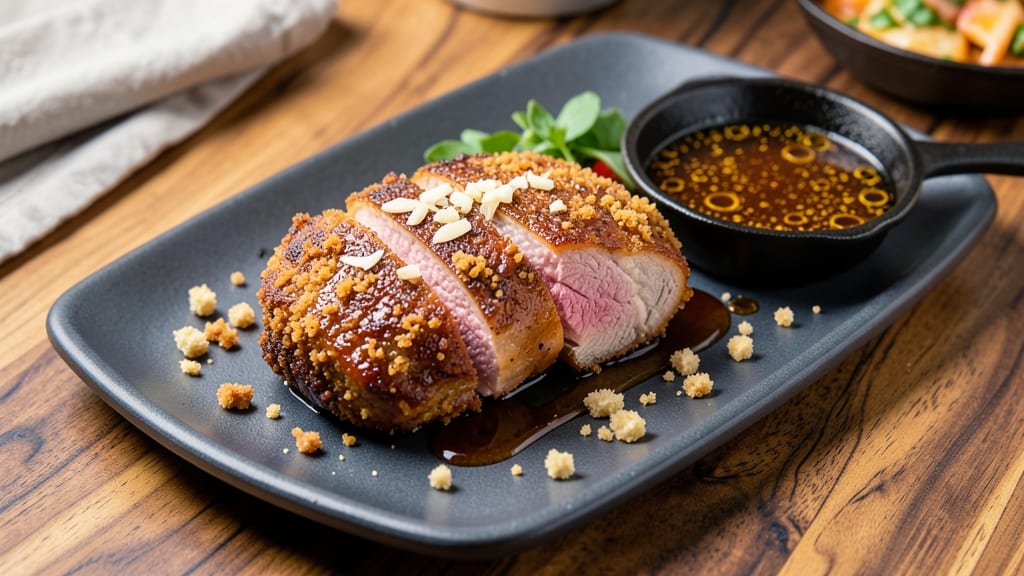
This baked breaded pork tenderloin recipe delivers the perfect balance of crispy panko crust and juicy, tender meat that always impresses. 🔥 After years of perfecting this technique—first in Charleston kitchens, then at my Atlanta restaurant—I know exactly how to achieve restaurant-quality results at home without frying a single drop of oil.
The secret lies in a three-step breading process: first marinating the pork in buttermilk for tenderness, then coating it in a seasoned flour blend, and finally pressing it into panko for that signature crunch.
Baking at the right temperature ensures the crust stays crispy while the interior remains moist and flavorful—no dry, rubbery pork here.
What you'll end up with is a golden-brown pork tenderloin with a shatteringly crisp exterior that gives way to succulent, perfectly cooked meat inside. The panko crust holds its shape beautifully, making it ideal for slicing or serving whole.
It's the kind of dish that transforms a simple weeknight dinner into something special.
Serve with roasted potatoes, a fresh garden salad, or your favorite BBQ sauce for dipping. This recipe delivers foolproof results every time—perfect for meal prep or impressing guests. Let's get started with the step-by-step instructions that have made this my most requested recipe.
Ingredients for baked breaded pork tenderloin
Pantry staples meet restaurant-quality technique for this showstopping baked pork tenderloin.
| Ingredient | Amount | Notes |
|---|---|---|
| Pork Tenderloin 🥩 | 1 ½ lb | Center-cut, trimmed of fat |
| Buttermilk 🥛 | 1 cup | Full-fat for best results |
| All-Purpose Flour 🌾 | ½ cup | Sifted for even coating |
| Panko Breadcrumbs 🍞 | 1 ½ cups | Japanese-style for extra crunch |
| Large Eggs 🥚 | 2 whole | Room temperature for even coating |
| Granulated Garlic 🧄 | 1 tbsp | For flavor without chopping |
| Onion Powder 🧅 | 1 tbsp | Freshly ground preferred |
| Paprika 🌶️ | 1 tbsp | Smoked for depth of flavor |
| Ground Black Pepper 🌶️ | ½ tsp | Freshly cracked |
| Kosher Salt 🧂 | 1 ½ tsp | Diamond Crystal preferred |
| Olive Oil 🫒 | 1 tbsp | For greasing baking dish |
| Fresh Parsley 🌿 | ¼ cup | Chopped, for garnish |
| Cornstarch 🌾 | 1 tbsp | For extra crispiness |
The pork tenderloin is your canvas here—center-cut is key for even cooking. Costco or Whole Foods carry the best quality, but any well-marbled cut works. Trim any visible fat to avoid greasiness in the crust. For the buttermilk, full-fat is non-negotiable—it tenderizes the meat and creates that signature tang. If you're short on time, substitute with plain yogurt thinned with milk. The panko? Japanese-style is a must for that shatteringly crisp texture—Panko Valley is my go-to brand, but any panko will work in a pinch.
No buttermilk? Plain yogurt plus a splash of milk does the trick. Short on panko? Crushed cornflakes or matzo meal add crunch without the same texture. The granulated garlic and onion powder are flavor powerhouses—Penzeys has the best quality if you want to splurge. For extra crispiness, toss the panko with 1 tbsp cornstarch before pressing it on. The eggs should be room temperature—cold eggs make for a lumpy coating. And if you're feeling fancy, add 1 tbsp Dijon mustard to the buttermilk for a tangy kick.
This keeps beautifully—3 days in the fridge sealed in an airtight container, or 2 months in the freezer if you're prepping ahead. Reheat at 350°F for 10 minutes to restore crispiness. The crust is best served immediately, but the meat stays juicy for hours. I always make a double batch—one for dinner, one for lunches. Slice against the grain for perfect portions every time.
Why You'll Love This Recipe
- No-Fuss Coating: The buttermilk soak does half the work—just pat the pork dry, dip, and dredge. No fancy techniques, no stress. That panko crust? It sticks like glue without the mess of wet breadcrumbs.
- Crispy-Creamy Magic: The outside shatters with every bite, but inside? Still juicy, almost melty. It’s the kind of contrast that makes you forget you’re not at a restaurant.
- Weeknight to Dinner Party: Same recipe, different vibes. Toss it on a sheet pan for a lazy Tuesday or slice it for a fancy charcuterie board. The buttermilk marinade even works if you prep ahead—just refrigerate the coated pork.
- Leftovers That Don’t Suffer: Unlike fried pork cutlets, this holds up beautifully reheated. Toss slices in a sandwich, chop for fried rice, or serve cold in salads. It’s the rare dish that improves the second time around.
Step-by-step instructions for crispy breaded pork tenderloin
Here's how to achieve that perfect balance of crunchy crust and melt-in-your-mouth tenderness.
👨🍳 Step 1: Prep the Pork and Create the Breading Station
Pat the 1.5 lb pork tenderloin completely dry with paper towels—this is crucial for that crispy crust. You want it bone-dry so the breading sticks properly and the skin gets golden brown. Place the pork on a plate and let it sit at room temperature for 15-20 minutes while you prepare the breading.
In a shallow dish, whisk together the 1 cup buttermilk, 1 tbsp granulated garlic, 1 tbsp onion powder, 1 tbsp paprika, 0.5 tsp ground black pepper, and 1.5 tsp kosher salt. This marinade will tenderize the meat and add incredible flavor. I like to mix it well so every drop of buttermilk gets infused with those aromatic spices.
🍳 Step 2: Build the Triple-Layer Breading
Set up three shallow dishes for your breading station. In the first, place the 0.5 cup all-purpose flour mixed with 1 tbsp cornstarch—the cornstarch gives that extra crunch. In the second dish, crack the 2 whole large eggs and whisk them lightly. The third dish gets the 1.5 cups panko breadcrumbs.
Dip the pork first into the flour mixture, pressing gently to adhere an even coating. Then dip into the egg wash, letting any excess drip off. Finally, roll in the panko breadcrumbs, pressing firmly so they stick. I do this twice for maximum crunch—once right away, then again after a 15-minute rest in the fridge. This double-coating ensures that crispy crust we're after.
🔥 Step 3: Bake Until Golden and Internal Temp Reaches 145°F
Preheat your oven to 425°F and line a baking sheet with parchment paper. Brush the sheet lightly with 1 tbsp olive oil to prevent sticking. Place the breaded pork tenderloin on the prepared sheet and bake for 25-30 minutes, turning once halfway through.
You'll know it's ready when the crust is deep golden brown and the internal temperature reaches 145°F (use a meat thermometer). The pork should feel firm to the touch but still spring back slightly. If the crust starts browning too quickly, tent it loosely with foil for the last 5-10 minutes to prevent burning while it finishes cooking through.
⏰ Step 4: Rest and Garnish for Maximum Juiciness
Remove the pork from the oven and transfer it to a cutting board. Let it rest for 10 minutes before slicing—this resting time is what ensures those juices redistribute throughout the meat instead of running out onto your plate. I know it's tempting to cut into it immediately, but trust me on this step.
While it rests, garnish with 0.25 cup chopped fresh parsley for a pop of color and freshness. The parsley also adds a nice contrast to the rich, savory flavors of the pork. Slice into ½-inch thick medallions and serve immediately with your favorite dipping sauce or over roasted vegetables.
Pro Tips For Making Baked Breaded Pork Tenderloin
- Pat the meat dry: The buttermilk marinade won’t cling properly if the pork is damp—wipe it down with paper towels before dipping. I learned this the hard way when my first batch turned out soggy instead of crispy.
- Use room-temperature eggs: Cold eggs make the breading stick unevenly and create a watery mess in the oven. Let them sit out for 30 minutes before cracking them in—your breading will be smoother and stick like glue.
- Don’t overcrowd the pan: If you pile the pork cutlets too close together, they’ll steam instead of brown. Leave at least 1 inch between pieces and bake in batches if needed—golden crusts happen with airflow, not crowding.
- Rest the pork after breading: Let the coated cutlets sit for 5 minutes before baking. This gives the flour and egg mixture time to set, so the panko stays put instead of sliding off halfway through. (Yes, even if you’re impatient like me.)
Creative variations of baked breaded pork tenderloin
Southern BBQ-Style
Transform this into a true Southern showstopper by adding a ½ cup BBQ sauce (I love Sweet Baby Ray's Original) to the buttermilk marinade. After baking, brush the crust with an extra 2 tbsp of sauce and broil for 2-3 minutes to create a sticky, caramelized glaze.
Serve with coleslaw and cornbread for a full Southern spread. This version reminds me of the first time I served it at a church potluck in Georgia—everyone asked for seconds! 🔥
Honey Mustard Glaze
For a sweet-and-tangy twist, mix ¼ cup honey, 2 tbsp Dijon mustard, and 1 tbsp apple cider vinegar in a small bowl. After baking, brush this glaze generously over the hot pork and let it sit for 5 minutes before serving.
The honey caramelizes beautifully against the crispy crust. I developed this variation while testing recipes for my restaurant menu—it became an instant favorite with customers who wanted something different from the classic BBQ route. 🍯
Spicy Cajun Crust
Swap out the paprika for 1 tbsp Cajun seasoning (I use Tony Chachere's) and add ½ tsp cayenne pepper to the buttermilk marinade. For extra heat, toss the panko with 1 tsp crushed red pepper flakes before pressing it onto the pork.
This version has a kick that pairs perfectly with cooling sides like creamy mac and cheese or avocado salad. It's inspired by my time apprenticing in Charleston, where Cajun flavors blend seamlessly with Southern cooking. 🌶️
Herb-Infused Crust
Add 2 tbsp finely chopped fresh rosemary and 1 tbsp chopped fresh thyme to the panko mixture before pressing it onto the pork. The herbs add an earthy aroma that complements the meat beautifully.
After baking, garnish with additional fresh herbs and a drizzle of balsamic glaze for a restaurant-worthy presentation. This variation works especially well with roasted asparagus or wild rice pilaf—it's my go-to for elegant dinner parties. 🌿
Breakfast-Style
Turn this into a brunch sensation by serving it with maple syrup and crispy bacon. After baking, slice the pork into ½-inch medallions and arrange on a platter with warm buttermilk biscuits.
The sweetness of the syrup balances the savory pork perfectly, making this a crowd-pleaser for weekend mornings. I first tried this at a farm-to-table brunch in Atlanta, and it's been a hit ever since. 🍳
Nutrition facts
Frequently asked questions
Can I use a different cut of pork instead of tenderloin?
While tenderloin is ideal, you can use pork loin chops or pork sirloin by adjusting the cooking time. For chops, bake at 400°F for 20-25 minutes until the internal temp reaches 145°F. The breading technique remains the same, but thicker cuts may need 5-10 extra minutes. Avoid fatty cuts like pork shoulder—they won't stay tender with this method.
Why is my breaded crust soggy instead of crispy?
Soggy crusts usually mean one of three things: the pork wasn't dry enough, the oven wasn't hot enough, or the crust didn't get enough time to crisp. First, pat the pork extra dry with paper towels. Second, ensure your oven is fully preheated to 425°F—use an oven thermometer if needed. Third, bake on the middle rack (not bottom) for even heat circulation. For extra insurance, broil for 2-3 minutes at the end.
How do I make this ahead of time for meal prep?
You can prep the breaded pork 1 day ahead—just assemble it (including the final panko coating) and refrigerate uncovered on a wire rack overnight. This helps the crust dry slightly for better browning. Bake straight from the fridge at 425°F for 35-40 minutes, adding 5-10 extra minutes to account for the cold start. For longer storage, freeze the fully breaded tenderloin (unbaked) for up to 2 months. Thaw overnight in the fridge before baking.
What's the best way to reheat leftovers?
Reheat in a 350°F oven for 10-12 minutes on a wire rack (not a plate) to restore crispiness. For a quick fix, use the broiler on high for 3-4 minutes, watching closely to avoid burning. Microwaving will make the crust soggy—never do that. To refresh the crust completely, toss leftover slices in 1 tbsp melted butter and 1 tbsp panko, then broil for 2 minutes.
Can I substitute buttermilk in the marinade?
Yes! Mix 1 cup plain yogurt with 1 tbsp lemon juice or vinegar to mimic buttermilk's tang. For extra richness, add 1 tbsp melted butter. The acidity is key for tenderizing—without it, the pork may stay tough. If using this substitute, marinate for 30 minutes instead of the usual 15 minutes to ensure proper tenderization.