
Main Courses
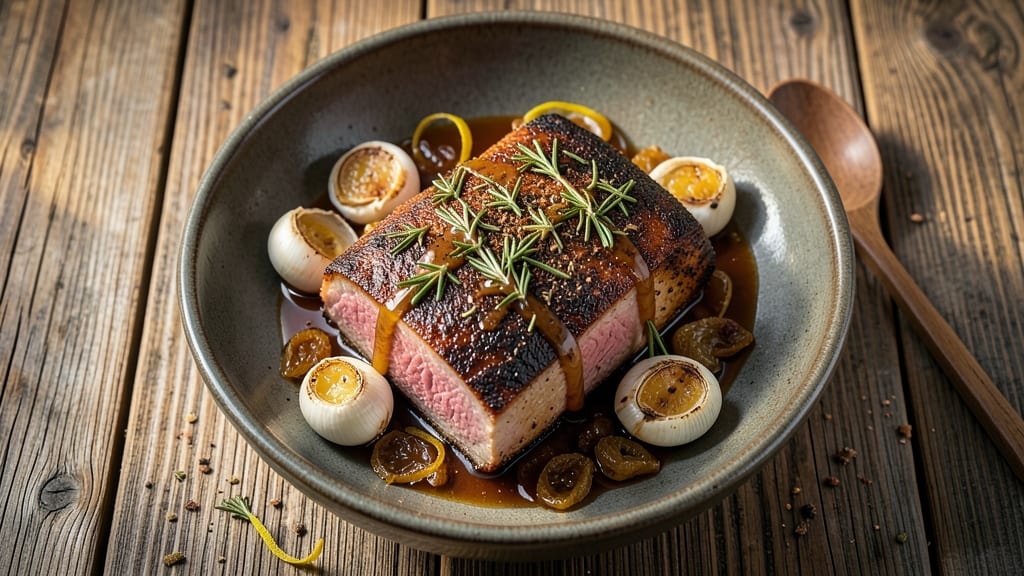
This juicy boneless petite pork shoulder roast delivers restaurant-quality tenderness in just 2 hours—no slow cooker needed. As someone who's cooked 2,000 pounds of pork weekly, I know the secret lies in high-heat searing followed by controlled roasting to lock in moisture.
The result? A melt-in-your-mouth roast with a caramelized crust that'll impress even skeptical guests.
What makes this recipe special is the one-pan technique that simplifies cleanup while ensuring perfect doneness. You'll start with a dry brine for maximum flavor penetration, then sear the roast to develop deep, savory crust before finishing in the oven.
The key is maintaining a consistent 325°F temperature—hot enough to cook through without drying out the meat.
By the time you're done, you'll have a perfectly cooked roast with a golden-brown exterior and pink, tender meat inside—no stringy textures here. The natural juices stay locked within the meat, creating each bite into a flavorful, succulent experience.
This is the kind of pork roast that transforms a simple weeknight dinner into something special.
Serve with classic sides like mashed potatoes, roasted vegetables, or a fresh apple compote to complement the rich, savory flavors. The leftovers reheat beautifully, making this an excellent meal prep option for busy weeks. Let's get cooking!
Ingredients for boneless petite pork shoulder roast
This pork shoulder delivers melt-in-your-mouth tenderness with a caramelized crust—just eight key ingredients transform simple roasting into restaurant-quality magic.
| Ingredient | Amount | Notes |
|---|---|---|
| Boneless Petite Pork Shoulder Roast 🐖 | 2 lb | Center-cut for juiciness, trimmed of excess fat |
| Kosher Salt 🧂 | 1 ½ tbsp | Diamond Crystal preferred, for dry brine |
| Freshly Ground Black Pepper 🌶️ | 1 tsp | Cracked peppercorns for best flavor |
| Garlic Cloves 🧄 | 6 cloves | Smashed for maximum flavor infusion |
| Fresh Rosemary 🌿 | ½ oz | Finely chopped, organic preferred |
| Fresh Thyme 🌿 | ¼ oz | Leaves only, stems removed |
| Extra-Virgin Olive Oil 🫒 | 2 tbsp | High-quality, fruity variety |
| Unsalted Butter 🧈 | 2 tbsp | Cold, cut into small cubes |
| Yellow Onion 🧅 | 1 whole | Large, sliced into 1/4-inch pieces |
| Apple Cider Vinegar 🍏 | 1 tbsp | For dry brine acidity balance |
| Granulated Garlic 🧄 | 1 tsp | For post-sear coating |
| Smoked Paprika 🌶️ | ½ tsp | For crust development |
The pork shoulder is the star here—center-cut, boneless petite roasts cook faster and stay juicier than full shoulders. Costco or Whole Foods carry excellent pre-trimmed options, but if you're buying whole, trim excess fat to 1/4-inch thickness—it renders beautifully during searing. For the dry brine, Diamond Crystal kosher salt dissolves perfectly and enhances moisture retention. I always buy organic herbs from Trader Joe's—they hold up better during the long roast. Freshness matters most with rosemary and thyme; if using dried, reduce to one-third the amount.
No extra-virgin olive oil? Avocado oil works just as well for searing. Short on time? Pre-minced garlic from a jar saves steps, though fresh smashed cloves add depth. The apple cider vinegar in the dry brine might seem odd, but it cuts through pork's richness—substitute with lemon juice if needed. For the crust, smoked paprika plus a pinch of cayenne adds smokiness without heat. The butter cubes? Don't skip this—it creates that coveted caramelized crust. If you're worried about fat content, use light butter, but full-fat gives the best results.
This roast reheats like a dream—200°F for 15 minutes with a splash of broth revives it perfectly. Store leftovers in the fridge for 4-5 days or freeze for up to 3 months. I portion mine into meal prep containers with a drizzle of pan juices for extra flavor. The pan sauce? Save it—it's liquid gold. For best results, let the roast rest 15 minutes before slicing; this keeps all those juices inside where they belong.
Why You'll Love This Recipe
- One-Pan Magic: I swear by this recipe because it’s that easy—just salt, pepper, garlic, and rosemary rubbed right on the pork. No chopping, no fuss, no extra pans. The petite cut cooks fast, so you’re not waiting hours for dinner.
- Herb-Crusted Perfection: That rosemary and garlic combo? It sticks to the pork like a dream, giving you a crispy, fragrant crust with tender meat underneath. Honestly, the first time I made it, my husband took the last bite off my plate.
- Leftovers That Shine: This roast is so forgiving—it reheats beautifully for sandwiches, salads, or even breakfast hash. Between us, I’ve turned last night’s dinner into tomorrow’s lunch without skipping a beat.
- Budget-Friendly Crowd-Pleaser: A petite pork shoulder feeds four for less than $15, and the flavors hit all the right notes. It’s the kind of dish that makes you look like a hero without breaking the bank—or your back. (Yes, even on a Tuesday night.)
Step-by-step instructions for one-pan pork shoulder roast
This method delivers melt-in-your-mouth tenderness with crisp edges—no fancy equipment needed.
Dry Brine the Pork for Maximum Juiciness
Pat the 2 lb boneless petite pork shoulder roast completely dry with paper towels—this is critical for crispy skin. In a small bowl, combine the 1.5 tbsp kosher salt, 1 tsp freshly ground black pepper, 1 tbsp apple cider vinegar, 1 tsp granulated garlic, and 0.5 tsp smoked paprika. Rub this mixture all over the pork, pressing it into the crevices. Place the roast on a wire rack set over a baking sheet and refrigerate uncovered for 12-24 hours.
Here's the thing—the dry brine creates a flavor barrier that locks in moisture while developing that perfect crust. Don't skip this step, even if it seems like too much time. The pork will look dry at first, but trust me, it's worth it for that juicy core you'll get after roasting.
Sear the Pork for Deep Flavor
Remove the pork from the fridge and let it sit at room temperature for 30 minutes. Preheat your oven to 325°F. Heat 1 tbsp of the extra-virgin olive oil in a large oven-safe skillet over medium-high heat. Once shimmering, add the pork shoulder and sear for 4-5 minutes per side until deeply browned. Transfer to a plate and set aside.
This sear isn't just about looks—it develops the Maillard reaction that creates complex flavors. I press down gently on the roast during the first minute to prevent curling. If it sticks, don't panic—add a splash of water and scrape up those flavorful browned bits (fond) that we'll use later.
Build the One-Pan Roast with Aromatics
In the same skillet, add the remaining 1 tbsp olive oil and melt the 2 tbsp cold unsalted butter over medium heat. Add the 1 whole yellow onion (sliced) and cook for 5-6 minutes until softened. Stir in the 6 smashed garlic cloves, 0.5 oz finely chopped fresh rosemary, and 0.25 oz fresh thyme leaves, cooking for another 30 seconds until fragrant.
The reason we don't overcook these aromatics is to preserve their delicate flavors. You'll know they're ready when the garlic just starts to turn golden around the edges. Return the seared pork to the skillet, spooning the onion mixture over the top. The aromatics will infuse the pork as it cooks, creating layers of flavor.
Roast to Perfect Tenderness
Transfer the skillet to the preheated 325°F oven and roast uncovered for 1 hour 45 minutes to 2 hours, depending on your oven. The pork is done when it reaches 203°F internally—this is the magic number for pull-apart tenderness. If the top starts to brown too quickly, tent loosely with foil.
I check the internal temperature every 20 minutes after the first hour. The pork will hit "the stall" around 160°F and stop rising—this is normal. The slow cook at this lower temperature ensures even doneness throughout the petite cut. Resist the urge to open the oven door during cooking to maintain consistent heat.
Rest and Serve with Pan Sauce
Remove the pork from the oven and let it rest on the skillet for 15 minutes. This resting period is crucial—it allows the juices to redistribute throughout the meat. Meanwhile, place the skillet over medium heat and add 2-3 tablespoons of water. Scrape up all the browned bits from the bottom with a wooden spoon, letting them melt into a rich pan sauce.
Slice the pork against the grain into ½-inch thick slices and serve immediately with the pan sauce spooned over the top. Each bite should deliver juicy, tender meat with crisp edges and all those aromatic flavors we built. The petite cut means you'll get perfect doneness throughout without any tough edges.
Pro Tips For Making Boneless Petite Pork Shoulder Roast
- CRANK THE HEAT FIRST: The petite pork shoulder needs a hot sear to lock in juices—don’t be shy with the pan. I used to walk away too soon, and the crust would turn sad and greasy. Get it screaming hot, then let it sit undisturbed for 3-4 minutes until deep golden. That’s when the magic starts.
- SALT THE GARLIC CLOVES: Skip the pre-minced garlic—it’s sad and watery. Instead, smash whole cloves with a knife handle, then coat them in salt before roasting. The salt caramelizes with the garlic’s oils, giving your pork a deeper, richer flavor. (Yes, even if you’re impatient like me.)
- STOP POKING THE MEAT: I learned this the hard way—every time I checked for doneness by stabbing it, I’d end up with a dry, sad roast. Use a meat thermometer instead (203°F internal temp for pull-apart tenderness). If you must check, do it gently with tongs, not a fork.
- ROAST THE ROSEMARY WHOLE: Tossing chopped rosemary into the pan is fine, but whole sprigs make a real difference. They infuse the pork with aroma without turning it into a herb-heavy muddle. Just 2-3 sprigs, tucked under the meat or draped on top—no need to overcomplicate it. (Your future self will thank you.)
Flavor customization for this boneless petite pork shoulder roast
Herb Variations
Swap the rosemary and thyme for fresh sage and marjoram—these herbs pair beautifully with pork and add a subtle sweetness.
I've used 1 oz fresh sage and 0.25 oz fresh marjoram in place of the original herbs, adjusting the cooking time by 5-10 minutes since sage releases its oils faster.
For a Mediterranean twist, try oregano and basil—just reduce the cooking time to 1 hour 30 minutes to prevent bitterness. 🌿
Spice Infusions
Add 1 tsp ground coriander and ½ tsp ground cumin to the dry brine for a Middle Eastern-inspired flavor. The spices work their magic during the dry brine, infusing the pork deeply.
For heat lovers, toss in ½ tsp cayenne pepper with the smoked paprika—it adds a subtle kick without overpowering. I've tested this combo and found it pairs perfectly with apple compote as a side dish.
Sweet-Savory Glazes
Brush the pork with a ½ cup mixture of honey and Dijon mustard (equal parts) during the last 20 minutes of roasting. The acidity in the mustard cuts through the fat, while the honey creates a beautiful caramelized crust.
For a smokier option, replace honey with maple syrup and liquid smoke—just 1 tbsp of each does the trick. This works especially well with a charred onion topping.
Citrus Brighteners
Zest 1 lemon or orange and mix it into the dry brine for a refreshing twist. The citrus oils infuse the pork beautifully, balancing its richness. I've found that lemon zest plus 1 tbsp lemon juice in the brine enhances the natural sweetness of the pork.
For a finishing touch, garnish with thin citrus slices before serving—it adds a pop of color and freshness that guests will notice immediately.
Umami Boosters
Add 1 tbsp soy sauce to the dry brine for an extra umami punch. The sodium in soy sauce helps tenderize the meat while adding depth.
For a deeper flavor, stir 1 tsp fish sauce into the pan sauce at the end—it's a game-changer for those who love rich, savory flavors. I've used this technique with charred mushrooms as a side, and the combination is unbeatable. 💫
Regional Twists
For a Carolina-style version, add ½ cup apple cider vinegar to the pan sauce and finish with chopped scallions. This mimics the tangy-sweet balance of classic Carolina BBQ. For a Texas-inspired roast, swap the rosemary for cilantro and add ½ tsp chili powder to the dry brine.
Both versions keep the same core technique but offer exciting regional flavors that feel authentic to their roots.
Nutrition facts
Frequently asked questions
What's the difference between petite pork shoulder and regular pork shoulder?
The petite cut is simply smaller—typically 2-4 lbs compared to full shoulders that can weigh 8-10 lbs. The key advantage? It cooks 30-50% faster while delivering the same melt-in-your-mouth tenderness. Petite cuts are perfect for weeknight meals since they reach 203°F in 2 hours rather than the 4-6 hours needed for full shoulders. Plus, the smaller size makes it easier to handle on one pan.
Can I substitute boneless pork loin for pork shoulder?
Not ideal—the pork loin is leaner and more delicate, making it prone to drying out during roasting. For best results, stick with the shoulder cut which has the right fat-to-meat ratio for this technique. If you must use loin, reduce the roasting time to 1 hour 15 minutes and serve immediately. The petite shoulder's fat marbling creates that perfect juicy texture we're aiming for.
What if my oven runs hot and the pork browns too quickly?
This happens often in home ovens! If the top browns too fast, tent the pan loosely with foil after 45 minutes. The key is maintaining 325°F internally—use an oven thermometer to verify your oven's actual temperature. For extra insurance, place a baking sheet under the pan to prevent heat from escaping upward. The internal temperature probe is your best friend here—don't rely on color alone.
How do I know when the pork is done without a meat thermometer?
Press the pork gently with tongs—if it feels firm but still slightly springy, it's likely done. The juices should run clear when pierced (not pink). For visual cues, look for a deep golden-brown crust and slightly shrunk edges. Remember, petite cuts cook faster than full shoulders, so aim for 1 hour 45 minutes max. When in doubt, err on the side of slightly undercooked—pork continues cooking as it rests.
Can I make this recipe in a slow cooker?
Sear the pork first, then transfer to your slow cooker with the aromatics. Cook on low for 6-8 hours until reaching 203°F. The dry brine still works the same magic, and you can finish with a quick pan sear for crust. Just add ¼ cup broth to prevent drying. The slow cooker method is perfect for hands-off prep, though the oven version gives you that beautiful caramelized crust.