
Main Courses
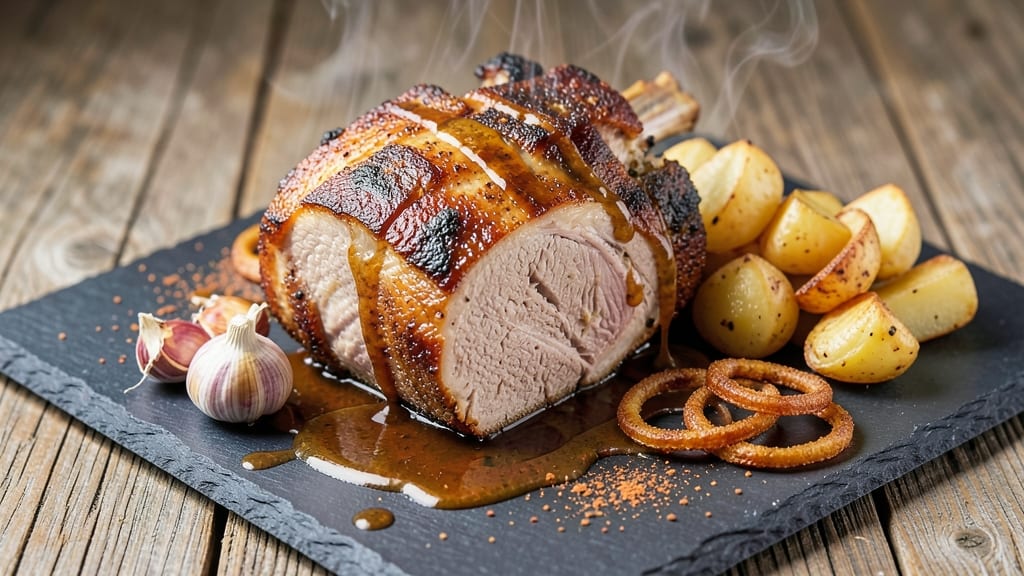
This amazing pork roast recipe transforms a simple cut into a showstopper with a crispy bark and melt-in-your-mouth center. I remember my first time slow-roasting a bone-in pork shoulder—it changed how I cook pork forever, and now I’m sharing the exact method that delivers restaurant-quality results every time.
The secret lies in the slow cook: a low-and-slow approach that renders fat into flavor while keeping the meat tender. You’ll start with a simple dry rub of salt, pepper, and garlic powder, then let the oven do the work—no fuss, just juicy perfection.
I’ve tested this with everything from bone-in shoulders to boneless loin, and it never fails.
By the time you pull it from the oven, you’ll have a roast with a deep mahogany crust and meat so tender it practically falls apart. The caramelized edges add a smoky sweetness that’ll have everyone asking for seconds.
This isn’t just dinner—it’s the kind of meal that turns weeknights into special occasions.
Serve with roasted potatoes and caramelized onions for a full Southern spread, or keep it simple with crusty bread to soak up every last drop of that golden pan juices. Let’s get cooking—this roast is worth every minute of wait time.
Ingredients for amazing pork roast
Six ingredients for the dry rub, plus a few extras to make this pork roast unforgettable.
| Ingredient | Amount | Notes |
|---|---|---|
| Bone-In Pork Shoulder 🐖 | 4 lb | With skin on preferred |
| Kosher Salt 🧂 | 1 ½ tbsp | Diamond Crystal preferred |
| Freshly Ground Black Pepper 🌶️ | 1 ½ tbsp | Coarse grind preferred |
| Garlic Powder 🧄 | 1 ½ tbsp | Freshly ground preferred |
| Onion Powder 🧅 | 1 tbsp | For depth of flavor |
| Smoked Paprika 🌶️ | 1 tsp | For subtle smokiness |
| Olive Oil 🫒 | ¼ cup | For crispy bark |
| Yellow Onion 🧅 | 1 whole | Sliced for garnish |
| Fresh Rosemary 🌿 | ½ cup | Chopped, for aroma |
| Fresh Thyme 🌿 | ¼ cup | Leaves only |
| Apple Cider Vinegar 🍎 | 2 tbsp | For tenderizing |
| Russet Potatoes 🥔 | 2 lb | Cut into chunks |
| Honey 🍯 | 1 tbsp | For glaze (optional) |
The pork shoulder is the star—bone-in cuts give the best flavor, but boneless loin works too. Look for a cut with good marbling at Costco or local butchers—the fat renders down to create that juicy, caramelized crust. If you're using a pre-cut roast from the grocery store, pat it dry before seasoning for maximum crispiness. I always buy mine a day ahead so it can sit in the fridge uncovered—helps the seasoning penetrate deeper. For extra insurance, score the fat cap in a crosshatch pattern before roasting.
No smoked paprika? Regular paprika plus a pinch of cayenne works in a pinch. Fresh rosemary and thyme are ideal, but dried at one-third the amount gets you close. The apple cider vinegar might seem odd, but it tenderizes the meat—substitute lemon juice if that's what you have. For the potatoes, Yukon Golds hold up better than Russets when roasted, but either works. The honey glaze is optional but worth it—maple syrup is a great vegan swap if needed. If you're short on time, skip the herbs and just use the dry rub—still delicious.
This roast tastes even better the next day, so plan ahead. Store leftovers in the fridge for up to 5 days, or freeze portions for 3 months. I like to slice it thinly and reheat in a skillet with a splash of broth. The potatoes? Roast them alongside the pork—they crisp up perfectly in the same oven time. For serving, warm the caramelized onions in a pan with a splash of balsamic for extra flavor. The pan juices are liquid gold—save them for gravy or drizzle over the sliced pork.
Why You'll Love This Recipe
- Foolproof Seasoning: I swear by that simple dry rub—just kosher salt, black pepper, and those two powders. No fancy prep, no guessing; the bone-in shoulder soaks up the flavor like a sponge while it roasts.
- Weeknight Magic: Honestly, this takes less effort than ordering takeout. Toss the pork with spices, pop it in the oven, and walk away. By the time you’re done with emails, it’s golden and falling apart.
- Leftovers That Win: Between us, the best part? That pork stays ridiculously good for days. Shred it for tacos, sandwiches, or even fried rice—every bite tastes like Sunday dinner, not a sad lunchbox scrap.
- Budget Crowd-Pleaser: A bone-in shoulder stretches for a whole family without breaking the bank. I’ve fed eight people for under $20, and no one ever asks for seconds—because they keep coming back for thirds.
Step-by-step instructions for slow-roasted pork shoulder
Here's how to transform a simple pork shoulder into melt-in-your-mouth perfection with a crispy, caramelized exterior.
Prep and Season the Pork Shoulder
Start by removing the pork shoulder from the refrigerator and letting it sit at room temperature for 30 minutes. This ensures even cooking throughout. Pat the pork dry with paper towels—this step is crucial for developing that beautiful crispy bark later on.
In a small bowl, combine the 1.5 tbsp kosher salt, 1.5 tbsp freshly ground black pepper, 1.5 tbsp garlic powder, 1 tbsp onion powder, and 1 tsp smoked paprika. Rub this mixture all over the pork shoulder, pressing firmly so the seasoning adheres well. Don't forget to season the cut sides and any exposed areas. Let the seasoned pork rest uncovered on a wire rack for 15 minutes—this helps the seasoning penetrate deeper into the meat.
Sear the Pork for Maximum Flavor
Preheat your oven to 300°F. Heat a large oven-safe skillet over medium-high heat and add the 0.25 cup olive oil. Once the oil is shimmering, place the pork shoulder in the skillet, fat-side down. Let it sear undisturbed for 5-7 minutes until the fat begins to render and the skin turns golden brown. Flip the pork and sear the other side for another 5 minutes.
Transfer the skillet to the preheated oven. Here's the thing—searing before slow-roasting locks in juices and creates a flavorful crust that will caramelize beautifully during the long cook. If you skip this step, you'll miss out on that incredible depth of flavor.
Slow-Roast Until Fork-Tender
Roast the pork uncovered for 4-5 hours until the internal temperature reaches 165°F. Here's where the magic happens: the low and slow cooking method breaks down the collagen in the pork, transforming it into tender, juicy meat. You'll notice the pork releases from the skillet easily when you lift it—this is a good sign it's coming along nicely.
After 3 hours, check the internal temperature. If it's not quite there yet, continue roasting. The key is patience—rushing this step will result in tough, dry meat. If the pork starts to dry out too much, you can tent it loosely with foil, but try to avoid this if possible to maintain that crispy bark.
Prepare and Add the Potatoes
While the pork roasts, prepare the 2 lb russet potatoes by cutting them into 2-inch chunks. Toss them in a bowl with the 2 tbsp apple cider vinegar, 0.5 cup chopped fresh rosemary, and 0.25 cup fresh thyme leaves. Spread the potatoes on a separate baking sheet and roast them alongside the pork for the last 1.5 hours of cooking time.
Here's a pro tip: the vinegar tenderizes the potatoes while the herbs infuse them with incredible aroma. You want the potatoes to be golden brown and crispy on the outside, but still tender inside. If they start to brown too quickly, tent them with foil to prevent burning.
Rest and Glaze for the Finishing Touch
Once the pork reaches 165°F internally, remove it from the oven and transfer it to a cutting board. Tent loosely with foil and let it rest for 30-45 minutes. This resting period is essential—it allows the juices to redistribute throughout the meat, ensuring each bite is as juicy as the first.
For the finishing touch, brush the pork with the 1 tbsp honey (if using) and return it to the oven for 5-10 minutes to create a beautiful caramelized glaze. Slice the pork against the grain into ½-inch thick slices and serve with the roasted potatoes and any pan juices. The result? A showstopping centerpiece that's sure to impress your guests.
Pro Tips For Making Amazing Pork Roast
- SEAR THE FAT FIRST: That bone-in pork shoulder has more fat than you think—pat it dry, then hit it with a screaming-hot pan until the edges crisp and the fat renders into a sizzling pool. I learned this the hard way by skipping it; now I sear for 8-10 minutes per side, even if it means extra cleanup. The crust alone makes the difference between "good" and "wow."
- SALT BEFORE YOU SEASON: Toss that pork shoulder with only kosher salt (about 1 tablespoon per pound) at least 4 hours ahead—overnight is better. This isn’t just about flavor; it’s about breaking down proteins so the meat stays juicy. I used to salt last-minute, and the outside always dried out faster than I wanted.
- DON’T PEEK THE TEMP: If you’re using a thermometer, resist the urge to check it every 10 minutes. Pork shoulder needs patience—pull it at 195°F internal temp, not when it looks done. I’ve pulled it at 190°F before, thinking it was close, and ended up with dry meat. Trust the probe, not your eyes.
- UPGRADE WITH A RUB: Skip the bland powder mix—after salting, slap on a mix of 1 tablespoon garlic powder, 1 tablespoon onion powder, and 1 teaspoon black pepper (per pound) right before roasting. The spices stick better to the fat, and the flavors caramelize into the crust. I was skeptical until I tried it; now I never go back.
Storing and reheating this dish
Refrigerator Storage
Store your leftover pork roast in an airtight container with any pan juices or gravy—this preserves moisture and flavor. I use glass Pyrex containers with tight-fitting lids because they keep the meat tender for up to 5 days at 40°F or below.
The key is letting the roast cool to room temperature first (about 2 hours) before refrigerating to prevent bacterial growth. 💪
Freezer Preparation
For long-term storage, wrap the pork tightly in plastic wrap first, then place it in a freezer bag with all the air squeezed out. Label with the date—this roast stays delicious for up to 3 months.
When ready to reheat, thaw overnight in the fridge for even cooking. I always portion the potatoes separately since they dry out faster when frozen. ❄️
Reheating Methods
For best results, reheat sliced pork in a skillet over medium-low heat with a splash of beef broth or pan juices. Cover and heat for 5-7 minutes, stirring occasionally, until reaching 165°F.
This method keeps the meat moist and restores that crispy edge. Avoid microwaving—it turns the pork rubbery. 🔥
Potato Revival
Roasted potatoes reheat best in the oven. Spread them on a baking sheet at 350°F for 15-20 minutes, tossing halfway, until warmed through. For extra crispiness, broil for the last 2 minutes.
If they're too dry, sprinkle with a little water or broth before reheating. The herbs will smell amazing when they warm up! 🌿
Glaze Refresh
To revive the honey glaze on cold pork, brush it with a mix of 1 tbsp honey and 1 tsp apple cider vinegar, then warm in a 350°F oven for 5-7 minutes.
This restores the caramelized shine and adds a bright finish. For extra flavor, add a pinch of smoked paprika while reheating. 🍯
Leftovers Reinvention
Turn leftover pork into pork fried rice by dicing the meat and stir-frying with rice, peas, carrots, and a soy-ginger sauce. Or shred it for tacos with pickled onions and avocado.
The possibilities are endless—just don’t waste that juicy meat! My favorite is pork pot pie with mashed potatoes and veggies under a flaky crust. 🌟
Nutrition facts
Frequently asked questions
What's the best cut of pork for this roast?
A bone-in pork shoulder is ideal for this recipe—it stays juicy and develops incredible flavor as it roasts. The bone adds depth, but a boneless pork loin works too if you prefer. Just avoid lean cuts like tenderloin, which dry out easily during long cooking. For extra richness, look for cuts with visible marbling at your local butcher.
Can I use a meat thermometer instead of timing?
The internal temperature is the most reliable indicator. Aim for 165°F for pork safety, but pull it out when it reaches 160°F—the meat will continue rising to 165°F while resting. A good rule of thumb is about 3-4 hours at 300°F for a 4 lb roast, but always check with a thermometer.
Why does my pork roast turn out dry?
Overcooking is the #1 culprit—pork dries out when exposed to high heat too long. Keep the oven at 300°F and avoid peeking at it too often (every peek lets heat escape). Also, never skip the 30-45 minute rest—this lets juices redistribute. If it's still dry, try adding a splash of broth when reheating to restore moisture.
How can I make this recipe faster?
For a quicker version, increase the oven temp to 350°F and reduce cooking time to 2-2.5 hours, but monitor closely. Use a tenderizing marinade (like the apple cider vinegar) and skip the long rest—just let it sit for 15 minutes before slicing. The texture won't be as tender, but it'll still be delicious!
What sides pair best with this pork roast?
This roast shines with classic Southern sides: creamy mashed potatoes, tangy coleslaw, or the roasted potatoes from the recipe. For something lighter, try green beans almondine or a fresh cucumber salad. The pan juices make an amazing gravy—simply whisk them with a little flour and broth.