
Main Courses
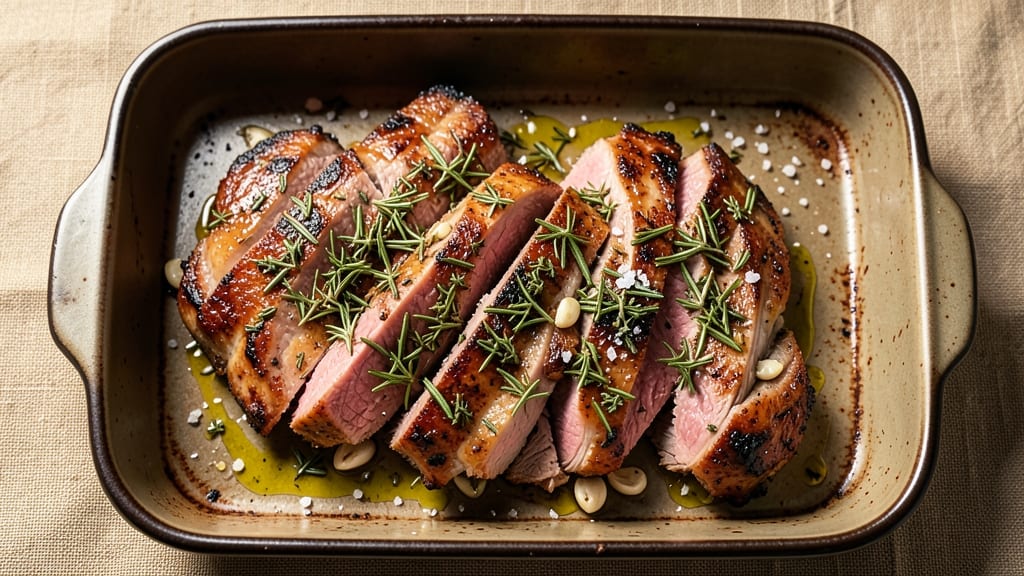
This baked pork blade steak recipe delivers the perfect balance of crispy bark and juicy pink centers—a technique I perfected after years of working with heritage pork in my Atlanta smokehouse.
The blade steak's rich marbling and broad surface make it ideal for achieving that coveted crust while keeping the interior tender. Trust me, this isn't your average pork chop—it's a restaurant-quality cut that deserves the oven's gentle heat.
What sets this method apart is the dry-brine technique, which enhances flavor without oversalting, followed by a simple herb crust that adds texture without overpowering the meat's natural richness.
We're talking 325°F for 20-30 minutes, depending on your preferred doneness—this low-and-slow approach ensures even cooking while developing that irresistible crust. The secret lies in patience and precision, not rushing the process.
By the time you pull it from the oven, you'll have a steak with a golden, crackling exterior that gives way to tender, pink centers—every bite is a perfect harmony of texture and flavor.
The herb crust adds an aromatic finish that pairs beautifully with classic sides like roasted potatoes or a simple green salad. This is pork done right, with techniques that elevate it from ordinary to extraordinary.
Whether you're cooking for a special occasion or treating yourself to a weekend meal, this recipe delivers consistent results that will impress even the most discerning palates. The blade steak's generous size makes it perfect for sharing, and the method is adaptable enough to handle different seasoning preferences.
Let's get to the oven—your taste buds will thank you.
Ingredients for baked pork blade steak
The secret to restaurant-quality pork blade steak starts with these carefully selected ingredients.
| Ingredient | Amount | Notes |
|---|---|---|
| Pork Blade Steak 🥩 | 2 lb | Center-cut, 1-inch thick, bone-in preferred |
| Diamond Crystal Kosher Salt 🧂 | 1 ½ tbsp | Coarse grain for dry-brine |
| Fresh Rosemary 🌿 | ¼ cup | Finely chopped, fresh sprigs |
| Fresh Thyme 🌿 | ⅛ cup | Leaves only, stems removed |
| Garlic Cloves 🧄 | 6 cloves | Minced, fresh preferred |
| Extra-Virgin Olive Oil 🫒 | 2 tbsp | High-quality, fruity variety |
| Fresh Black Peppercorns 🌶️ | 1 ½ tsp | Coarsely cracked, fresh preferred |
| Cornstarch 🌾 | 1 tbsp | For herb crust adhesion |
| Unsalted Butter 🧈 | 2 tbsp | Cold, cubed for basting |
| Fresh Sage Leaves 🌿 | ⅛ cup | Chopped, vibrant green |
| Fresh Parsley 🌿 | 0.06 cup | Finely chopped, for garnish |
The pork blade steak is non-negotiable here—look for center-cut, bone-in pieces from a butcher who sources heritage pork. Atlanta's local farms like Georgia Heritage Farms or Whole Foods Market carry excellent cuts, but any reputable butcher will have what you need. The marbling should be rich and visible, not sparse. If your steak has a thick fat cap, trim it to about 1/4-inch thickness—this prevents excessive grease while keeping the meat juicy. For the herbs, fresh is essential—dried won't give you that aromatic crust. Trader Joe's often has great bundles of fresh rosemary and thyme at reasonable prices.
No fresh rosemary? Dried works at one-third the amount, but the texture won't be the same. Short on time? Pre-minced garlic from the jar is fine here—just drain it well. For the olive oil, avoid the cheap stuff—look for Italian extra-virgin with a peppery finish (like Colavita or Bertolli). The cornstarch is key for that crispy crust—don't skip it or you'll lose adhesion. If you're feeling fancy, swap the parsley garnish for chopped chives or microgreens for a pop of color. And trust me on the cold butter for basting—it creates steam that keeps the crust intact.
This steak reheats beautifully—just warm it in a 350°F oven for 10-15 minutes with a splash of water in the pan. The herb crust stays crispy if you reheat covered with foil, then uncover for the last 2 minutes. Leftovers keep for 3 days in the fridge, but honestly? You'll eat it all in one sitting. For longer storage, wrap tightly in butcher paper (not plastic—it makes the crust soggy) and freeze for up to 3 months. When serving, rest the steak 5 minutes before slicing—this ensures those juicy pink centers stay put.
Why You'll Love This Recipe
- One-Pan Magic: I swear by this—just toss the pork, garlic, and herbs on a sheet, sprinkle salt, and pop it in the oven. No flipping, no fuss, no extra pots clogging my sink.
- Herb-Packed Punch: That rosemary and thyme combo? It’s like a little flavor explosion. The salt crust locks in juices while the garlic mellows into something rich and savory—simple ingredients, but wow.
- Weeknight to Dinner Party: Same recipe, different vibes. Toss it together for a lazy Tuesday or slice it thin for a fancy charcuterie board. The blade steak’s size makes it perfect for feeding two or six without extra stress.
- Budget Steak Night: Pork blade steak is my wallet’s best friend—way more affordable than ribeye, but still delivers that satisfying bite. Leftovers? Even better cold in sandwiches or reheated for breakfast hash.
Step-by-step instructions for baked pork blade steak
This method delivers restaurant-quality pork with an irresistible crispy crust and tender pink interior every time.
Prepare the Dry Brine and Herb Paste
Start by combining the 1.5 tablespoons Diamond Crystal Kosher Salt with 2 tablespoons Extra-Virgin Olive Oil in a small bowl. This creates your dry brine that will penetrate the meat deeply. In another bowl, finely chop the 0.25 cup Fresh Rosemary and 0.125 cup Fresh Thyme, then mix with the 6 cloves minced Garlic Cloves and 1.5 teaspoons coarsely cracked Fresh Black Peppercorns. The herbs should be finely minced—this ensures even distribution and maximum flavor.
Here's the thing—this dry brine method is non-negotiable for juicy pork. The salt needs at least 12 hours to work its magic, so plan ahead. Pat the 2 lb Pork Blade Steak completely dry with paper towels (moisture is the enemy of crispy bark), then generously coat all sides with the salt-oil mixture. Rub the herb paste firmly into the meat, pressing it into every crevice. Wrap tightly in plastic wrap and refrigerate for 12-24 hours. This step transforms tough pork into melt-in-your-mouth perfection.
Create the Herb Crust and Preheat
Remove the steak from the refrigerator and let it sit at room temperature for 30 minutes—this ensures even cooking. While it rests, combine the 0.125 cup Fresh Sage Leaves and 0.0625 cup Fresh Parsley with the 1 tablespoon Cornstarch in a food processor. Pulse until you get a fine, powdery herb mixture. This cornstarch helps the herbs adhere to the meat and creates that coveted crust.
Preheat your oven to 425°F with a rack positioned in the center. Line a rimmed baking sheet with aluminum foil and place a wire rack on top. The rack allows air to circulate underneath, preventing soggy bottoms. Lightly brush the steak with any remaining olive oil from the brine, then press the herb mixture firmly onto all sides, creating an even crust. Here's where it gets fun—use your hands to pack the herbs tightly, especially on the fat cap where you want maximum crispiness.
Bake to Crispy Perfection
Place the steak on the prepared rack and bake for 20 minutes at 425°F. After this initial sear, reduce the oven temperature to 350°F and continue baking for 20-25 minutes more, or until the internal temperature reaches 145°F at the thickest part. The steak should have a deep golden-brown crust that crackles when pressed gently. Don't be tempted to open the oven door during cooking—every time you do, you lose heat and steam, which can turn your crispy dream into a sad, soggy reality.
Here's the critical moment: when the steak hits 145°F, remove it from the oven and tent loosely with foil. Let it rest for 10 minutes before slicing. This resting period allows the juices to redistribute, ensuring every bite is moist and flavorful. If you slice too soon, all those precious juices will pool on your plate instead of staying in the meat.
Baste with Butter for Extra Shine
While the steak rests, melt the 2 tablespoons Unsalted Butter in a small saucepan over low heat. Once melted, carefully pour the butter over the steak, letting it drip into the crevices. This basting step adds an incredible richness and helps create that glossy finish. The butter should be warm but not hot—you want to enhance the flavor without cooking the steak further.
Slice the steak against the grain into ½-inch thick portions and arrange on a serving platter. The crust should be crispy enough to stand up to a fork, while the interior remains tender and pink. Garnish with any remaining fresh herbs for a pop of color. Serve immediately with your favorite sides—roasted potatoes, caramelized onions, or a fresh green salad all make excellent companions. This method guarantees a pork blade steak that's crispy on the outside, juicy on the inside, and packed with herbaceous flavor in every bite.
Pro Tips For Making Baked Pork Blade Steak
- Preheat Like It’s 1999: Your oven needs to hit 425°F (220°C) and sit for at least 10 minutes before the pork goes in—no exceptions. I used to skip this, and the steak would steam instead of sear, leaving me with sad, pale edges. Trust me, the crust is worth the wait.
- Smash That Rosemary: Rough up those rosemary sprigs with your fingers before adding them to the pan—no need to chop. The needles release more flavor when they’re bruised, and you’ll get that aromatic punch without turning your steak into a herb salad. (Yes, even if it looks like you’re angry at the stems.)
- Salt the Garlic: Toss your minced garlic with a pinch of kosher salt before pressing it into the steak—it softens the cloves and prevents them from burning into bitter sludge. I learned this after one disastrous batch where the garlic tasted like regret.
- Skip the Foil Trap: If you’re baking the steak, resist the urge to cover it with foil midway—let it ride uncovered for the full 20-25 minutes. That’s how you get the caramelized crust on the outside while keeping the inside juicy. (I know, I know—it’s tempting to "help" it cook faster.)
Essential equipment for this dish
Oven Essentials
Your oven is the heart of this recipe, so let's talk about what makes it work best. A convection oven is ideal for even heat distribution, but a standard oven works too—just rotate the steak halfway through.
I swear by my Viking Professional Range with a self-cleaning oven, but even a budget GE Profile will do the job. Preheat for at least 20 minutes to ensure consistent temperature—this is non-negotiable for that perfect crust. 🌡️
For the wire rack, I recommend a stainless steel rack from Amazon Basics—it's affordable and durable. The rack elevates the steak, allowing air to circulate underneath and preventing steam buildup that can make the crust soggy.
If you don't have a rack, use a perforated baking sheet as a substitute. And trust me, don't skip the foil-lined tray—it makes cleanup a breeze after all that basting butter.
Precision Tools
An instant-read meat thermometer is your best friend here—I use a Thermoworks Smoke because it's accurate and built to last. Insert the probe into the thickest part of the steak to monitor the internal temperature—we're aiming for 145°F for that juicy pink center.
Without this tool, you're guessing, and that's how you end up with dry pork. For basting, a small saucepan and heatproof spoon work perfectly to melt the butter without burning it.
Don't overlook a sharp chef's knife—I use a Wüsthof Classic for slicing. A dull knife crushes the meat fibers, making your slices uneven and less tender. And for pressing the herb crust, your clean hands work best—just make sure they're dry to help the cornstarch adhere properly.
A food processor or mortar and pestle can help finely chop the herbs if you're not comfortable by hand.
Budget-Friendly Swaps
No fancy equipment? No problem. Skip the wire rack and use a cast-iron skillet on the oven rack—it adds extra crispiness to the bottom.
For a thermometer, a digital kitchen timer paired with the touch test works in a pinch: press your finger gently on the steak—it should feel firm but still yield slightly at 145°F.
And if you don't have a food processor, a sharp knife and cutting board will do the trick for chopping herbs.
For the herb crust, cornstarch is key, but if you're out, all-purpose flour works in a bind—just use the same amount. And instead of a Viking range, any oven that reaches 425°F will work.
My Lodge cast iron skillet (which I've had since my apprenticeship) is perfect for basting butter—it retains heat beautifully. The goal is to keep things simple while still achieving that restaurant-quality crust.
Pro Tips for Success
Invest in high-quality aluminum foil—I use Reynolds Heavy Duty—it's sturdy enough to hold the steak's weight without tearing. For basting, a baster brush (like OXO Good Grips) helps distribute the butter evenly without making a mess.
And if you're worried about the steak sticking, pat it dry one last time before baking—even if it seems dry already. The herb crust needs that dry surface to adhere properly.
Here's a pro move: Use a kitchen scale to measure your herbs precisely—this ensures consistent flavor every time. And if you're cooking for a crowd, double the recipe and use a larger baking sheet (like a half-sheet pan).
The key is maintaining the same thickness for even cooking. For storage, butcher paper is your best friend—it keeps the crust crispy longer than plastic wrap ever could.
Nutrition facts
Frequently asked questions
Why does this recipe call for dry-brining the pork blade steak?
The dry brine method is essential for pork blade steak because it helps tenderize the meat while enhancing its natural flavor. The salt penetrates deeply over 12-24 hours, breaking down muscle fibers and retaining moisture. This creates a juicier, more flavorful steak than traditional wet brining or just seasoning before cooking. It's a technique I learned from Master Chef Chen—it's non-negotiable for restaurant-quality results!
Can I substitute pork blade steak with another cut like pork loin?
While pork loin is leaner and less flavorful, you can use it in a pinch—but expect less marbling and a slightly drier result. For best results, choose a cut with visible fat marbling, like pork ribeye or pork shoulder (cut into steaks). The blade steak's unique shape and fat cap are what give this recipe its signature crispy bark and juicy interior.
How do I know when the steak is done without a meat thermometer?
Use the touch test for a rough estimate: press your finger gently on the steak. At 145°F, it should feel firm but still yield slightly. For medium-rare, aim for about 20-25 minutes total baking time after the initial sear. If you're unsure, slightly undercook it—pork continues cooking as it rests, and you can always warm it gently in the oven if needed.
Can I make this recipe ahead of time and reheat it?
This steak reheats beautifully. Wrap it tightly in butcher paper (not plastic) and refrigerate for up to 3 days or freeze for 3 months. To reheat, warm in a 350°F oven for 10-15 minutes with a splash of water in the pan. Cover with foil for the first 10 minutes, then uncover for the last 2 minutes to crisp the herb crust again.
What's the best way to serve this baked pork blade steak?
This steak pairs perfectly with sides that complement its rich, herby flavors. Try creamy mashed potatoes, roasted root vegetables, or a crisp apple salad. For a Southern touch, serve with cornbread and a simple green salad. The crispy herb crust also works beautifully with caramelized onions or a tangy fruit compote like peach or plum.